Madison Cole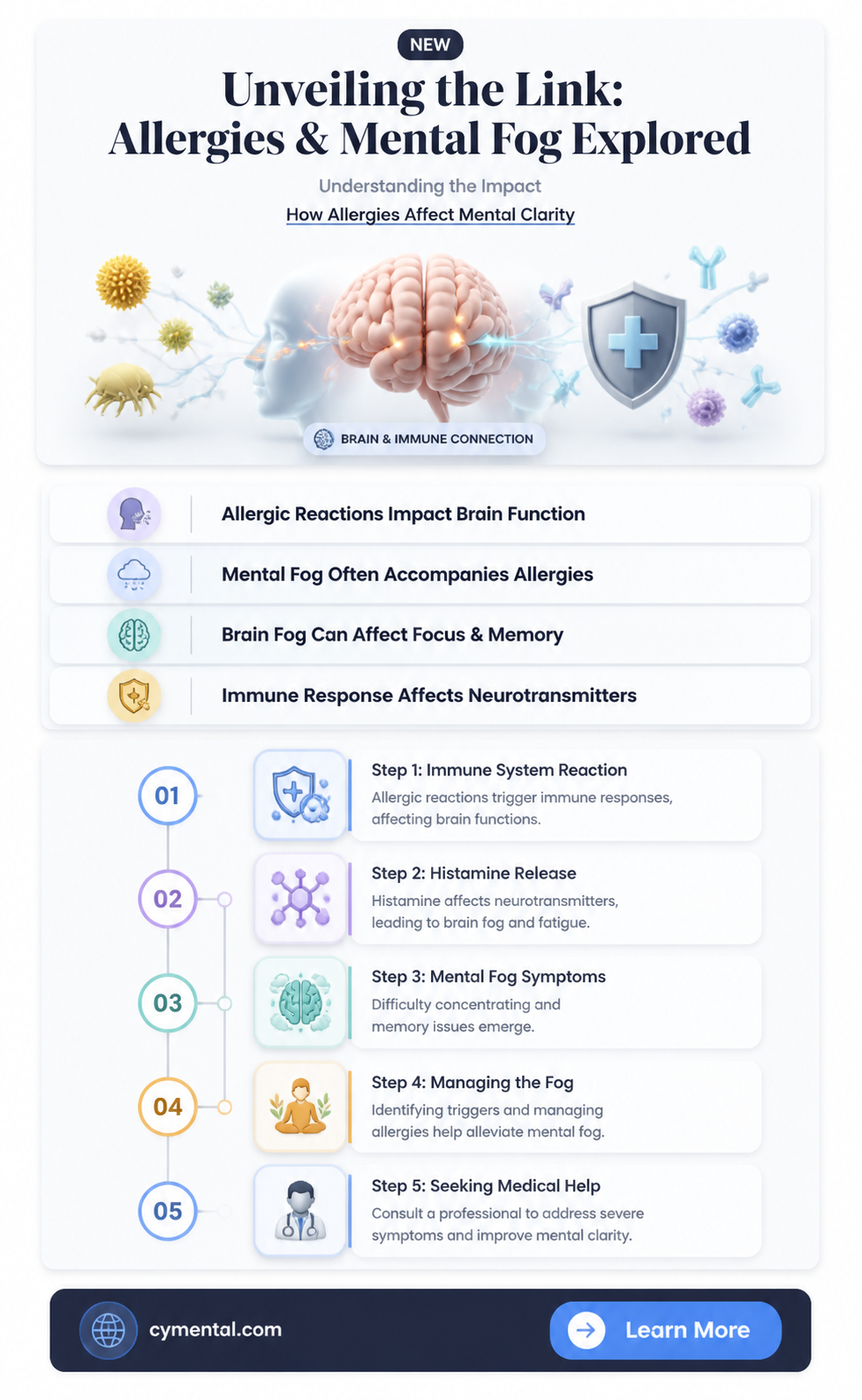
Allergies are a common condition that affects millions of people worldwide, causing a range of symptoms from mild to severe. While most people are aware of the physical symptoms of allergies, such as sneezing, itching, and difficulty breathing, fewer are aware of the potential impact on mental health. In recent years, research has suggested that allergies may contribute to mental fog, a condition characterized by difficulty concentrating, memory problems, and a general feeling of being mentally unclear. This connection is thought to be due to the body's immune response to allergens, which can lead to inflammation and the release of chemicals that affect brain function. Understanding the relationship between allergies and mental fog is important for individuals who suffer from allergies, as it may help them to better manage their symptoms and improve their overall quality of life.
Explore related products


What You'll Learn
- Allergic reactions and cognitive impairment: Exploring the link between allergies and mental fog
- Common allergens that may contribute to mental fog: Pollen, dust mites, and pet dander
- How seasonal allergies can affect mental clarity and focus: A closer look at hay fever?
- The impact of food allergies on cognitive function: Identifying trigger foods and managing symptoms
- Managing allergies to improve mental fog: Tips on reducing exposure and finding relief

Allergic reactions and cognitive impairment: Exploring the link between allergies and mental fog
Recent studies have uncovered a fascinating connection between allergic reactions and cognitive impairment, often referred to as "mental fog." This phenomenon, where individuals experience a decline in mental clarity and focus, can be attributed to the body's inflammatory response to allergens. When an allergic reaction occurs, the immune system releases histamines and other inflammatory chemicals, which can cross the blood-brain barrier and affect brain function.
One of the primary mechanisms by which allergies can cause mental fog is through increased inflammation in the brain. This inflammation can lead to a decrease in the production of neurotransmitters such as serotonin and dopamine, which are crucial for maintaining cognitive function and mood. Additionally, the release of histamines can interfere with the normal functioning of the brain's neurons, leading to impaired memory, concentration, and decision-making abilities.
Furthermore, chronic allergic reactions can lead to long-term cognitive impairment. Studies have shown that individuals with persistent allergies are more likely to experience a decline in cognitive function over time, particularly in areas such as memory and executive function. This is likely due to the cumulative effects of repeated inflammatory responses in the brain, which can cause lasting damage to brain tissue and function.
It is also important to note that certain types of allergies may be more closely linked to mental fog than others. For example, allergies to mold, dust mites, and pet dander have been shown to have a more significant impact on cognitive function than allergies to pollen or food. This is likely because these allergens are more commonly found in indoor environments, where individuals are exposed to them for longer periods of time, leading to more prolonged and intense inflammatory responses.
In conclusion, the link between allergic reactions and cognitive impairment is a complex and multifaceted one. While the exact mechanisms by which allergies cause mental fog are still being studied, it is clear that the inflammatory response to allergens plays a significant role. By understanding this connection, individuals can take steps to manage their allergies and reduce the impact of mental fog on their daily lives.
Navigating Heartbreak: Can a Breakup Trigger a Mental Breakdown?
You may want to see also
Explore related products


Common allergens that may contribute to mental fog: Pollen, dust mites, and pet dander
Pollen, dust mites, and pet dander are common allergens that can significantly contribute to mental fog. When individuals with allergies are exposed to these allergens, their bodies release histamines and other inflammatory chemicals in response. This allergic reaction can lead to symptoms such as sneezing, itching, and congestion, which can be distracting and make it difficult to focus. Moreover, the inflammation caused by these allergens can also affect the brain, leading to cognitive symptoms like mental fog.
One of the primary ways that pollen can contribute to mental fog is through its ability to cause allergic rhinitis, commonly known as hay fever. During pollen season, individuals with hay fever may experience nasal congestion, runny nose, and sneezing, all of which can disrupt concentration and cognitive function. Additionally, the constant irritation and inflammation in the nasal passages can lead to fatigue and lethargy, further exacerbating mental fog.
Dust mites are another common allergen that can contribute to mental fog. These tiny creatures thrive in warm, humid environments and are often found in bedding, carpets, and upholstered furniture. When disturbed, dust mites release allergens into the air, which can be inhaled and trigger an allergic reaction. Symptoms of a dust mite allergy include sneezing, coughing, and itchy, watery eyes. The persistent nature of these symptoms can make it challenging to maintain focus and clarity of thought.
Pet dander is also a significant allergen that can lead to mental fog. When individuals with pet allergies come into contact with pet dander, their immune systems release histamines and other chemicals, causing symptoms such as sneezing, itching, and congestion. In addition to these physical symptoms, the inflammation caused by pet dander can also affect cognitive function, leading to mental fog and difficulty concentrating.
To mitigate the effects of these allergens on mental fog, individuals can take several steps. For pollen allergies, staying indoors during peak pollen times, using air purifiers, and wearing sunglasses can help reduce exposure. For dust mite allergies, regularly washing bedding, vacuuming carpets, and using allergen-proof covers can help minimize contact with dust mites. For pet dander allergies, keeping pets out of the bedroom, grooming them regularly, and using HEPA filters can help reduce exposure. By taking these proactive measures, individuals can better manage their allergies and reduce the impact of mental fog on their daily lives.
The Impact of Toxic Relationships on Mental Health
You may want to see also
Explore related products


How seasonal allergies can affect mental clarity and focus: A closer look at hay fever
Seasonal allergies, particularly hay fever, can significantly impact mental clarity and focus. This is primarily due to the body's immune response to allergens, which can lead to inflammation and the release of histamines. These histamines can affect the brain's cognitive functions, resulting in symptoms commonly referred to as "brain fog." This can manifest as difficulty concentrating, memory lapses, and a general feeling of mental sluggishness.
One of the key ways seasonal allergies affect mental focus is through disrupted sleep patterns. Allergy symptoms such as nasal congestion, itching, and sneezing can make it difficult to fall asleep or stay asleep throughout the night. Chronic sleep deprivation can then lead to impaired cognitive function, including reduced attention span and slower reaction times. Furthermore, the constant irritation and discomfort caused by allergy symptoms can be distracting, making it harder to maintain focus on tasks.
In addition to these direct effects, seasonal allergies can also have an indirect impact on mental clarity through increased stress and anxiety. Dealing with persistent allergy symptoms can be frustrating and exhausting, leading to heightened stress levels. Chronic stress has been shown to negatively affect cognitive function, including memory and concentration. Moreover, anxiety can further exacerbate the symptoms of brain fog, creating a vicious cycle where allergy symptoms lead to anxiety, which in turn worsens cognitive function.
It's important to note that while these effects can be significant, they are generally temporary and can be managed with appropriate treatment. Over-the-counter antihistamines and decongestants can help alleviate symptoms, while immunotherapy can provide long-term relief by desensitizing the body to allergens. Additionally, lifestyle changes such as avoiding outdoor activities during peak pollen times and using air purifiers indoors can help reduce exposure to allergens and mitigate their impact on mental clarity and focus.
In conclusion, seasonal allergies like hay fever can indeed cause mental fog through a combination of direct physiological effects and indirect psychological impacts. However, with proper management and treatment, individuals can minimize these effects and maintain their cognitive function during allergy season.
Exploring the Link: Mental Breakdowns and Hallucinations
You may want to see also
Explore related products


The impact of food allergies on cognitive function: Identifying trigger foods and managing symptoms
Food allergies can have a profound impact on cognitive function, often leading to what is colloquially referred to as "mental fog." This cognitive impairment can manifest as difficulty concentrating, memory lapses, and a general sense of confusion or disorientation. Identifying trigger foods is crucial in managing these symptoms and improving overall cognitive health.
One approach to identifying trigger foods is through an elimination diet. This involves removing common allergens such as dairy, gluten, nuts, and soy from the diet for a period of several weeks to observe any changes in cognitive function. Keeping a detailed food diary during this time can help track which foods, if any, are causing adverse reactions. It is important to reintroduce each food item one at a time to accurately determine which specific foods are triggers.
In addition to dietary changes, managing symptoms of food allergies can also involve medical intervention. Antihistamines and corticosteroids may be prescribed to alleviate allergic reactions, which in turn can help improve cognitive function. In severe cases, immunotherapy treatments such as allergy shots or sublingual tablets may be recommended to desensitize the body to specific allergens.
It is also essential to consider the role of environmental factors in exacerbating food allergy symptoms. For example, exposure to pollen or pet dander can increase the severity of allergic reactions, thereby worsening cognitive impairment. Taking steps to reduce exposure to these environmental allergens, such as using air purifiers or keeping pets out of the bedroom, can help mitigate symptoms.
Finally, maintaining a balanced and nutritious diet is crucial for supporting cognitive health. Ensuring adequate intake of vitamins, minerals, and omega-3 fatty acids can help improve brain function and reduce the impact of food allergies on cognitive performance. Regular exercise and stress management techniques, such as meditation or yoga, can also contribute to overall cognitive well-being.
In conclusion, managing food allergies requires a multifaceted approach that includes identifying trigger foods, implementing dietary changes, seeking medical intervention, addressing environmental factors, and maintaining a healthy lifestyle. By taking these steps, individuals can effectively manage their symptoms and improve their cognitive function.
Exploring the Myth: Can a Flu Shot Trigger Mental Health Issues?
You may want to see also
Explore related products


Managing allergies to improve mental fog: Tips on reducing exposure and finding relief
To manage allergies and alleviate mental fog, it's crucial to identify and reduce exposure to allergens. Start by keeping a detailed allergy diary to track symptoms and potential triggers. This will help pinpoint specific allergens to avoid. Common indoor allergens include dust mites, pet dander, and mold. To minimize exposure, use allergen-proof bedding, vacuum regularly with a HEPA filter, and maintain low humidity levels. For pet allergies, consider creating pet-free zones in your home, especially in the bedroom.
Outdoor allergens like pollen can also contribute to mental fog. Monitor pollen counts and plan outdoor activities accordingly. Wearing sunglasses and a hat can help protect your eyes and face from pollen. When returning indoors, shower and change clothes to remove any pollen that may have settled on your skin or hair.
Dietary adjustments can also play a role in managing allergy-related mental fog. Identify and avoid foods that trigger allergic reactions or exacerbate symptoms. Common food allergens include nuts, dairy, eggs, and gluten. Consult with a healthcare professional or a registered dietitian to develop a personalized meal plan that supports your overall health and cognitive function.
In addition to reducing allergen exposure, finding relief through medication and alternative therapies can help improve mental clarity. Over-the-counter antihistamines and nasal corticosteroids can provide symptom relief. For more severe cases, consult with an allergist about immunotherapy options, such as allergy shots or sublingual tablets. Alternative therapies like acupuncture and herbal supplements may also offer relief, but it's essential to discuss these options with a healthcare professional to ensure safety and efficacy.
Lastly, prioritize self-care and stress management techniques to support your mental well-being. Regular exercise, meditation, and deep breathing exercises can help reduce stress and improve cognitive function. Adequate sleep is also crucial for maintaining mental clarity, so establish a consistent sleep schedule and create a relaxing bedtime routine. By implementing these strategies, you can effectively manage allergies and reduce mental fog, leading to improved overall health and well-being.
Unraveling the Link: Mental Health Conditions and Personal Hygiene Challenges
You may want to see also
Frequently asked questions
Yes, allergies can cause mental fog. When your body reacts to allergens, it releases histamines and other chemicals that can affect your brain function, leading to symptoms like difficulty concentrating, memory problems, and a general feeling of being mentally "foggy."
Common allergens that might contribute to mental fog include pollen, dust mites, mold, pet dander, and certain foods like gluten, dairy, and nuts. It's important to identify and avoid allergens that trigger your symptoms.
To determine if your mental fog is caused by allergies, consider keeping a symptom journal to track when your symptoms occur and any potential allergens you may have been exposed to. You can also consult with an allergist or healthcare provider for testing and guidance.
Strategies for managing mental fog caused by allergies include avoiding identified allergens, taking over-the-counter antihistamines or prescribed allergy medications, using air purifiers to reduce allergen exposure, and practicing stress-reduction techniques like meditation and deep breathing exercises.
Untreated allergies can potentially lead to long-term cognitive problems, as chronic inflammation and repeated exposure to allergens can have a cumulative effect on brain function. It's important to seek proper diagnosis and treatment to manage your allergies and reduce the risk of long-term cognitive issues.