Lucas Bennett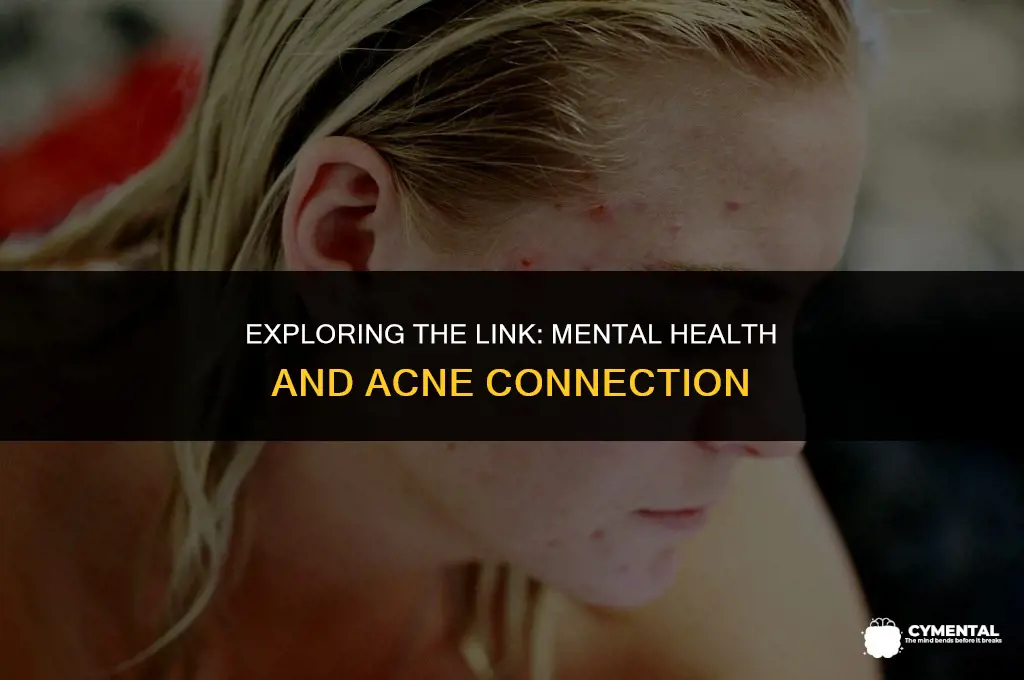
The relationship between mental health and acne is a complex and multifaceted topic that has garnered significant attention in recent years. While acne is often viewed as a purely dermatological issue, there is growing evidence to suggest that mental health can play a role in its development and severity. Stress, anxiety, and depression have been linked to hormonal imbalances and inflammatory responses in the body, which can exacerbate acne symptoms. Furthermore, the psychological impact of acne can lead to a vicious cycle, where negative emotions and self-consciousness about one's appearance can further aggravate mental health issues. Understanding the interplay between mental health and acne is crucial for developing holistic treatment approaches that address both the physical and emotional aspects of this common skin condition.
Explore related products


What You'll Learn
- Stress and Hormones: Elevated stress levels can disrupt hormonal balance, potentially leading to acne breakouts
- Inflammation: Poor mental health may exacerbate inflammation in the body, contributing to acne development
- Skincare Neglect: Individuals with mental health issues might neglect their skincare routine, worsening acne conditions
- Dietary Impact: Mental health can influence eating habits, with poor diets potentially aggravating acne symptoms
- Sleep Deprivation: Lack of sleep, often linked to mental health struggles, can negatively affect skin health and acne

Stress and Hormones: Elevated stress levels can disrupt hormonal balance, potentially leading to acne breakouts
Chronic stress can significantly impact the body's hormonal balance, leading to a cascade of physiological changes that may manifest as acne breakouts. When the body is under stress, it releases cortisol, a hormone that helps regulate the fight-or-flight response. However, prolonged exposure to high cortisol levels can disrupt the delicate balance of other hormones, including androgens and insulin.
Androgens, such as testosterone, play a crucial role in regulating sebum production in the skin. When cortisol levels are elevated, it can stimulate the production of androgens, leading to an overproduction of sebum. This excess sebum can clog pores, creating an ideal environment for acne-causing bacteria to thrive. Furthermore, high cortisol levels can also lead to insulin resistance, which can exacerbate acne by promoting inflammation and increasing the production of free radicals.
The relationship between stress, hormones, and acne is complex and multifaceted. While stress itself may not directly cause acne, it can certainly exacerbate existing skin conditions and contribute to the development of new ones. Therefore, managing stress levels through techniques such as meditation, exercise, and therapy can be an effective way to support overall skin health and reduce the likelihood of acne breakouts.
In addition to stress management, there are several other strategies that can help maintain hormonal balance and promote clear skin. These include eating a balanced diet rich in whole foods, staying hydrated, getting regular sleep, and avoiding harsh skincare products that can strip the skin of its natural oils. By taking a holistic approach to skincare, individuals can support their body's natural processes and reduce the impact of stress on their skin.
It is important to note that while stress management and lifestyle changes can be effective in reducing acne, they may not be sufficient for everyone. In some cases, medical intervention may be necessary to address underlying hormonal imbalances or other contributing factors. Consulting with a dermatologist or healthcare provider can help individuals develop a personalized treatment plan that addresses their specific needs and concerns.
Unraveling the Roots of Mental Exhaustion: A Comprehensive Guide
You may want to see also
Explore related products



Inflammation: Poor mental health may exacerbate inflammation in the body, contributing to acne development
Chronic inflammation is a well-documented consequence of poor mental health, and its impact on physical health can be profound. When the body is under constant stress, the immune system goes into overdrive, releasing inflammatory markers that can wreak havoc on the skin. This inflammatory response can lead to a range of skin issues, including acne, as the body's natural defense mechanisms become overactive and start attacking healthy skin cells.
Research has shown that individuals with mental health conditions such as depression and anxiety are more likely to experience chronic inflammation, which can exacerbate existing skin conditions or even trigger new ones. The link between mental health and inflammation is complex, involving multiple pathways and systems within the body. For example, the hypothalamic-pituitary-adrenal (HPA) axis, which regulates the body's stress response, plays a crucial role in modulating inflammation. When the HPA axis is dysregulated due to chronic stress or poor mental health, it can lead to an overproduction of pro-inflammatory cytokines, which can contribute to skin inflammation and acne.
Furthermore, poor mental health can also lead to unhealthy coping mechanisms, such as smoking, overeating, or lack of exercise, which can further exacerbate inflammation and worsen skin health. These behaviors can create a vicious cycle, where poor mental health leads to unhealthy habits, which in turn contribute to chronic inflammation and skin problems. Breaking this cycle requires a holistic approach that addresses both mental health and physical well-being.
In addition to the direct effects of inflammation on the skin, poor mental health can also impact the gut microbiome, which plays a crucial role in regulating inflammation. An imbalance in the gut microbiome can lead to increased permeability of the gut lining, allowing pro-inflammatory molecules to enter the bloodstream and trigger an inflammatory response in the skin. This gut-skin axis is a critical component in understanding the link between mental health and acne, and highlights the importance of maintaining a healthy gut microbiome for overall skin health.
Treating acne related to poor mental health and inflammation requires a multifaceted approach that addresses both the underlying mental health issues and the physical symptoms. This may include a combination of psychotherapy, medication, and lifestyle changes aimed at reducing stress and promoting overall well-being. Additionally, topical treatments that target inflammation, such as retinoids or anti-inflammatory creams, may be necessary to manage the skin symptoms. By addressing the root causes of inflammation and poor mental health, it is possible to improve skin health and reduce the incidence of acne.
Exploring the Link: Ambien and Potential Mental Health Concerns
You may want to see also
Explore related products




Skincare Neglect: Individuals with mental health issues might neglect their skincare routine, worsening acne conditions
Individuals struggling with mental health issues often face a myriad of challenges that can impact various aspects of their daily lives, including their skincare routine. This neglect can stem from a lack of motivation, energy, or the cognitive resources needed to maintain a consistent skincare regimen. As a result, conditions like acne can worsen, leading to further distress and a negative impact on self-esteem.
The connection between mental health and skincare neglect is multifaceted. Depression, anxiety, and other mental health disorders can lead to a decrease in self-care activities, as individuals may feel overwhelmed or unable to cope with the demands of daily life. This can manifest in a lack of attention to personal hygiene and skincare, allowing acne-causing bacteria to thrive. Moreover, the stress associated with mental health issues can exacerbate acne by increasing the production of cortisol, a hormone that stimulates oil production in the skin.
It's crucial to recognize that skincare neglect in the context of mental health is not a matter of vanity but rather a symptom of a deeper issue. Addressing the underlying mental health concerns is essential for improving overall well-being, including skin health. Healthcare providers and mental health professionals can play a vital role in educating patients about the importance of skincare and providing resources to help them establish and maintain a routine.
In addition to seeking professional help, individuals can take steps to simplify their skincare routine, making it more manageable during times of mental health struggles. This might include using gentle, non-comedogenic products that are less likely to irritate the skin, and setting reminders or alarms to ensure consistency. It's also important to practice self-compassion and avoid self-blame, as mental health issues are complex and often beyond one's control.
Ultimately, the relationship between mental health and skincare neglect highlights the interconnectedness of physical and emotional well-being. By addressing mental health concerns and prioritizing self-care, individuals can improve not only their skin health but also their overall quality of life.
The Impact of Toxic Relationships on Mental Health: Unraveling the Connection
You may want to see also
Explore related products



Dietary Impact: Mental health can influence eating habits, with poor diets potentially aggravating acne symptoms
The relationship between mental health and acne is complex, with various factors intertwining to influence skin health. One significant aspect is dietary impact. Mental health can profoundly affect eating habits, leading to poor dietary choices that may exacerbate acne symptoms. Stress, anxiety, and depression often trigger emotional eating, where individuals may turn to high-calorie, high-fat, or high-sugar foods as a coping mechanism. These types of foods can lead to inflammation in the body, which in turn can worsen acne.
Moreover, poor mental health can disrupt the body's hormonal balance. Stress hormones like cortisol can increase oil production in the skin, clogging pores and leading to acne breakouts. Additionally, mental health issues can affect sleep patterns, leading to fatigue and further hormonal imbalances that impact skin health.
It's also important to consider the role of gut health in this equation. A poor diet can negatively affect the gut microbiome, leading to digestive issues that may manifest as skin problems, including acne. Mental health can influence gut health through the gut-brain axis, a bidirectional communication system between the gut and the brain. Stress and anxiety can disrupt this axis, leading to digestive problems that exacerbate acne.
To mitigate these effects, it's crucial to adopt a balanced diet rich in fruits, vegetables, whole grains, and lean proteins. These foods provide essential nutrients that support skin health and help regulate hormones. Additionally, incorporating stress management techniques such as meditation, yoga, or deep breathing exercises can help reduce the impact of mental health on eating habits and overall skin health.
In conclusion, while mental health can indeed influence acne through dietary impact, there are steps that can be taken to manage these effects. By focusing on a balanced diet and stress management, individuals can help reduce the severity of acne symptoms and improve their overall skin health.
Exploring the Link: Brain Hemorrhage and Mental Filter Effects
You may want to see also
Explore related products


Sleep Deprivation: Lack of sleep, often linked to mental health struggles, can negatively affect skin health and acne
Chronic sleep deprivation, a common issue among those struggling with mental health, has a profound impact on skin health, particularly in the exacerbation of acne. This connection is rooted in the body's stress response, which is heightened during periods of insufficient sleep. When the body is under stress, it produces more cortisol, a hormone that can increase oil production in the skin, leading to clogged pores and acne breakouts. Furthermore, lack of sleep impairs the body's ability to repair and regenerate skin cells, resulting in a duller complexion and a weakened skin barrier that is more susceptible to irritation and infection.
Research has shown that sleep deprivation can also worsen existing mental health conditions, creating a vicious cycle where poor sleep leads to increased stress and anxiety, which in turn can exacerbate acne. This cycle is particularly challenging to break, as individuals with mental health struggles may find it difficult to establish a consistent sleep routine or to address the underlying causes of their sleep disturbances. Moreover, the physical manifestations of sleep deprivation, such as dark circles, puffy eyes, and a tired appearance, can further contribute to feelings of low self-esteem and social withdrawal, which are often associated with mental health issues.
To mitigate the effects of sleep deprivation on skin health and acne, it is essential to prioritize good sleep hygiene practices. This includes maintaining a regular sleep schedule, creating a relaxing bedtime routine, and ensuring that the sleep environment is conducive to restful sleep. Additionally, individuals should consider incorporating stress-management techniques, such as meditation or deep breathing exercises, into their daily routine to help reduce the body's stress response and promote better sleep. In some cases, seeking professional help from a healthcare provider or a mental health specialist may be necessary to address underlying sleep disorders or mental health conditions that are contributing to acne.
In conclusion, the relationship between sleep deprivation, mental health struggles, and acne is complex and multifaceted. By understanding this connection and taking proactive steps to improve sleep quality and manage stress, individuals can better protect their skin health and overall well-being. It is crucial to approach this issue with a holistic mindset, recognizing that addressing sleep deprivation and mental health concerns requires a comprehensive and integrated approach that involves both lifestyle modifications and, when necessary, professional intervention.
Exploring the Link: Can a Hernia Impact Mental Health?
You may want to see also
Frequently asked questions
While mental health itself does not directly cause acne, the stress associated with poor mental health can exacerbate acne symptoms. Stress triggers the release of cortisol, which can lead to increased oil production and inflammation, both of which can worsen acne.
Stress can impact the skin in several ways. It can lead to increased oil production, which can clog pores and cause acne. Additionally, stress can cause inflammation, which can worsen existing skin conditions such as acne, eczema, and psoriasis. Stress can also lead to behaviors such as skin picking or scratching, which can further irritate the skin and lead to scarring.
There are several ways to manage stress and improve skin health. Practicing relaxation techniques such as meditation, deep breathing, and yoga can help reduce stress levels. Regular exercise can also help reduce stress and improve overall health. Maintaining a healthy diet and staying hydrated can help support skin health. Additionally, getting enough sleep and avoiding excessive alcohol and caffeine consumption can help reduce stress and improve skin appearance.