Harper Lewis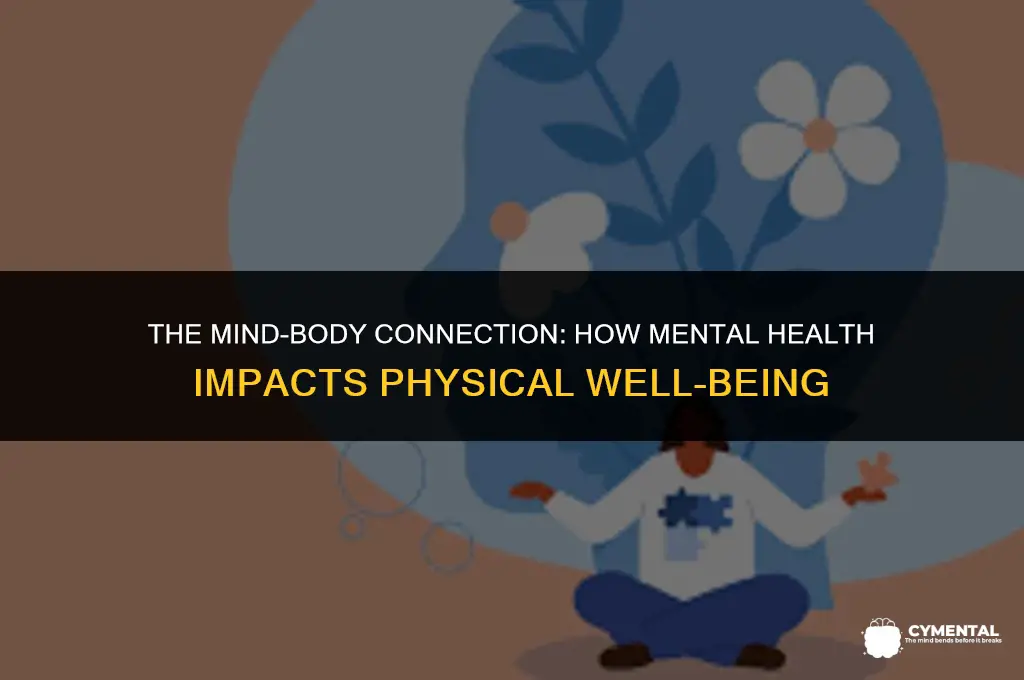
The relationship between mental and physical health is a complex and bidirectional one, with each significantly influencing the other. Poor mental health can manifest in various ways, such as increased stress, anxiety, and depression, which can have tangible effects on the body. Chronic stress, for instance, can lead to elevated cortisol levels, which may impair the immune system, increase blood pressure, and contribute to cardiovascular disease. Similarly, anxiety and depression can result in physical symptoms like headaches, digestive issues, and chronic pain. These mental health conditions can also lead to unhealthy coping mechanisms, such as substance abuse or neglect of physical health, further exacerbating the risk of physical health problems. Understanding this interplay is crucial for holistic health care, as it underscores the importance of addressing mental health issues not only for psychological well-being but also for maintaining physical health.
| Characteristics | Values |
|---|---|
| Definition | Bad mental health refers to conditions that affect a person's thinking, feeling, and behavior, while bad physical health refers to impairments or illnesses affecting the body. |
| Interconnection | Yes, bad mental health can cause bad physical health and vice versa. This interconnection is often referred to as the mind-body connection. |
| Examples of Mental Health Conditions | Depression, anxiety, stress, bipolar disorder, schizophrenia, post-traumatic stress disorder (PTSD), obsessive-compulsive disorder (OCD), eating disorders. |
| Examples of Physical Health Conditions | Cardiovascular diseases, diabetes, obesity, chronic pain, gastrointestinal issues, respiratory problems, weakened immune system, sleep disorders. |
| Mechanisms | Mental health conditions can lead to physical health issues through various mechanisms such as increased stress hormones, unhealthy coping behaviors, decreased motivation for self-care, and impaired cognitive function. |
| Impact on Daily Life | Both bad mental and physical health can significantly impact daily life, including work, relationships, and overall quality of life. |
| Treatment Approaches | Treatment for mental health conditions may include therapy, medication, lifestyle changes, and support groups. Physical health conditions may require medical intervention, exercise, diet changes, and other lifestyle modifications. |
| Prevention Strategies | Maintaining a healthy lifestyle, practicing stress management techniques, seeking early intervention for mental health concerns, and engaging in regular physical activity can help prevent both mental and physical health issues. |
| Research Findings | Numerous studies have demonstrated the link between mental and physical health, highlighting the importance of addressing both aspects for overall well-being. |
| Societal Stigma | Both mental and physical health issues can be subject to societal stigma, which can hinder individuals from seeking help and support. |
| Healthcare Integration | Integrating mental health services into primary care and vice versa can improve outcomes and provide more comprehensive care for individuals. |
| Public Health Initiatives | Public health initiatives often focus on promoting both mental and physical health through education, awareness campaigns, and community-based programs. |
Explore related products



What You'll Learn
- Stress and the Immune System: Chronic stress weakens the immune system, making the body more susceptible to illnesses
- Mental Health and Cardiovascular Disease: Poor mental health can lead to increased risk of heart disease through elevated blood pressure and cholesterol levels
- Anxiety and Digestive Issues: High anxiety levels can cause digestive problems such as irritable bowel syndrome (IBS) and stomach ulcers
- Depression and Chronic Pain: Depression can exacerbate the perception and experience of chronic pain, impacting overall physical well-being
- Sleep Disturbances and Health: Mental health issues often lead to sleep disturbances, which can negatively affect physical health and cognitive function

Stress and the Immune System: Chronic stress weakens the immune system, making the body more susceptible to illnesses
Chronic stress has a profound impact on the immune system, making the body more vulnerable to a range of illnesses. When the body is under constant stress, it produces elevated levels of the hormone cortisol, which can suppress the immune response. This can lead to a decrease in the production of antibodies and other immune cells, making it more difficult for the body to fight off infections.
One of the ways that chronic stress can weaken the immune system is by disrupting the balance of the gut microbiome. The gut is home to a vast array of microorganisms that play a crucial role in maintaining a healthy immune system. When the body is under stress, the balance of these microorganisms can be disrupted, leading to a decrease in the production of beneficial bacteria and an increase in the production of harmful bacteria. This can lead to a range of health problems, including digestive issues, allergies, and autoimmune disorders.
Chronic stress can also lead to a decrease in the production of growth hormone, which is essential for maintaining a healthy immune system. Growth hormone helps to stimulate the production of immune cells and also plays a role in the repair and regeneration of tissues. When the body is under constant stress, the production of growth hormone can be suppressed, leading to a decrease in the body's ability to fight off infections and repair damaged tissues.
In addition to these effects, chronic stress can also lead to a range of other health problems that can further weaken the immune system. For example, chronic stress can lead to an increase in blood pressure, which can damage the blood vessels and make it more difficult for the immune system to function properly. Chronic stress can also lead to an increase in the production of free radicals, which can damage cells and tissues and make the body more susceptible to illness.
To mitigate the effects of chronic stress on the immune system, it is important to engage in stress-reducing activities such as exercise, meditation, and deep breathing. It is also important to maintain a healthy diet and get enough sleep, as these factors can also play a role in supporting a healthy immune system. By taking steps to manage chronic stress, individuals can help to protect their immune system and reduce their risk of illness.
The Surprising Link Between Dental Health and Mental Well-being
You may want to see also
Explore related products




Mental Health and Cardiovascular Disease: Poor mental health can lead to increased risk of heart disease through elevated blood pressure and cholesterol levels
Poor mental health has a profound impact on physical well-being, particularly when it comes to cardiovascular disease. Research has shown that individuals suffering from mental health issues such as depression, anxiety, and stress are at a higher risk of developing heart disease. This connection can be attributed to several factors, including elevated blood pressure and cholesterol levels, which are known to be detrimental to heart health.
One of the primary mechanisms by which poor mental health affects cardiovascular disease is through the body's stress response. Chronic stress can lead to the release of hormones such as cortisol and adrenaline, which in turn can cause blood pressure to rise. Over time, this elevated blood pressure can damage the walls of blood vessels, leading to atherosclerosis, a condition characterized by the buildup of plaque in the arteries. This can ultimately result in heart attacks, strokes, and other cardiovascular events.
In addition to elevated blood pressure, poor mental health can also lead to increased cholesterol levels. High cholesterol is a major risk factor for heart disease, as it can contribute to the formation of plaque in the arteries. Individuals with mental health issues may be more likely to engage in behaviors that contribute to high cholesterol, such as consuming unhealthy diets and leading sedentary lifestyles. Furthermore, some medications used to treat mental health conditions can also have the side effect of increasing cholesterol levels.
The link between mental health and cardiovascular disease is complex and multifaceted. It is not only a matter of biological factors but also psychological and social ones. For example, individuals with mental health issues may be more likely to experience social isolation, which can contribute to stress and negatively impact heart health. Additionally, mental health conditions can affect an individual's ability to cope with stress and manage their emotions, which can further exacerbate the risk of cardiovascular disease.
Given the significant impact of poor mental health on cardiovascular disease, it is crucial to address mental health issues as part of overall heart health management. This may involve incorporating mental health screenings into routine medical check-ups, providing access to mental health resources and support, and promoting lifestyle changes that can improve both mental and physical well-being. By taking a holistic approach to health, we can better understand and mitigate the risks associated with the intersection of mental health and cardiovascular disease.
Exploring the Link: Can Anxiety Trigger Mental Health Issues?
You may want to see also
Explore related products




Anxiety and Digestive Issues: High anxiety levels can cause digestive problems such as irritable bowel syndrome (IBS) and stomach ulcers
The gut-brain axis is a bidirectional communication system between the gastrointestinal tract and the central nervous system, highlighting the intricate relationship between mental and physical health. Anxiety, a common mental health condition, can significantly impact this axis, leading to various digestive issues. One of the most prevalent digestive problems associated with high anxiety levels is irritable bowel syndrome (IBS). IBS is characterized by chronic abdominal pain, bloating, and changes in bowel habits, which can be exacerbated by stress and anxiety.
Research suggests that individuals with anxiety disorders are more likely to experience IBS symptoms due to the heightened activity in the gut-brain axis. This increased activity can lead to abnormal contractions in the intestinal muscles, resulting in pain and discomfort. Furthermore, anxiety can disrupt the balance of gut bacteria, contributing to IBS symptoms. Another digestive issue linked to anxiety is stomach ulcers. These open sores in the lining of the stomach can be caused by an overproduction of stomach acid, which is often triggered by stress and anxiety.
Chronic anxiety can lead to a constant state of heightened alertness, causing the body to produce excess stomach acid as a response to perceived threats. This acid can erode the protective lining of the stomach, leading to the formation of ulcers. In addition to IBS and stomach ulcers, anxiety can also contribute to other digestive problems such as acid reflux, constipation, and diarrhea. The impact of anxiety on digestive health underscores the importance of addressing mental health issues to maintain overall well-being.
Effective management of anxiety can help alleviate digestive symptoms and improve quality of life. Techniques such as cognitive-behavioral therapy (CBT), mindfulness meditation, and relaxation exercises can be beneficial in reducing anxiety levels. Additionally, lifestyle changes like maintaining a balanced diet, engaging in regular physical activity, and getting adequate sleep can support both mental and digestive health. In some cases, medication may be necessary to manage anxiety and its associated digestive issues.
It is essential to recognize the interconnectedness of mental and physical health and to seek professional help when needed. By addressing anxiety and its impact on the digestive system, individuals can take steps towards achieving better overall health and well-being.
Sleep Deprivation and Mental Health: Understanding the Breakdown
You may want to see also
Explore related products



Depression and Chronic Pain: Depression can exacerbate the perception and experience of chronic pain, impacting overall physical well-being
Chronic pain and depression often exist in a vicious cycle, where each condition intensifies the symptoms of the other. Research indicates that individuals suffering from depression are more likely to experience chronic pain, and conversely, those with chronic pain are at a higher risk of developing depression. This interplay can significantly impact a person's overall physical well-being, making it essential to address both conditions simultaneously for effective treatment.
One of the primary reasons depression can exacerbate chronic pain is due to the changes it induces in the brain's chemistry and structure. Depression is associated with alterations in neurotransmitter levels, such as serotonin and norepinephrine, which play crucial roles in pain modulation. When these neurotransmitters are imbalanced, the brain's ability to inhibit pain signals is compromised, leading to an increased perception of pain. Furthermore, depression can lead to reduced physical activity, poor sleep quality, and unhealthy lifestyle choices, all of which can contribute to the development and worsening of chronic pain conditions.
Treating depression in the context of chronic pain requires a multifaceted approach. Antidepressant medications, particularly those that target serotonin and norepinephrine, can be effective in reducing both depressive symptoms and pain perception. Cognitive-behavioral therapy (CBT) is another valuable tool, as it helps individuals develop coping strategies to manage pain and improve their overall mood. Additionally, lifestyle modifications, such as regular exercise, a balanced diet, and stress management techniques, can contribute to better physical and mental health outcomes.
It is also important to consider the psychological impact of chronic pain on an individual's quality of life. Chronic pain can lead to feelings of hopelessness, isolation, and decreased self-esteem, all of which can deepen depressive symptoms. Addressing these psychological aspects through therapy and support groups can help break the cycle of pain and depression, leading to improved overall well-being.
In conclusion, the relationship between depression and chronic pain is complex and bidirectional, requiring a comprehensive treatment approach that addresses both the physical and psychological components of these conditions. By understanding this interplay and implementing targeted interventions, healthcare providers can help individuals manage their pain more effectively and improve their mental health outcomes.
Unraveling the Link: Depression and Mental Confusion Explored
You may want to see also
Explore related products

Sleep Disturbances and Health: Mental health issues often lead to sleep disturbances, which can negatively affect physical health and cognitive function
Sleep disturbances are a common manifestation of mental health issues, and they can have far-reaching consequences on both physical health and cognitive function. Research has shown that individuals with mental health conditions such as depression, anxiety, and bipolar disorder are more likely to experience sleep problems, including insomnia, hypersomnia, and sleep apnea. These sleep disturbances can exacerbate the symptoms of mental health issues, creating a vicious cycle that is difficult to break.
One of the ways in which sleep disturbances can negatively impact physical health is by disrupting the body's natural repair and regeneration processes. During sleep, the body releases growth hormones that help to repair and rebuild tissues, and the immune system is also boosted. When sleep is disturbed, these processes are interrupted, which can lead to a range of physical health problems, including weakened immunity, chronic pain, and increased risk of cardiovascular disease.
In addition to the physical health consequences, sleep disturbances can also have a significant impact on cognitive function. Sleep plays a critical role in memory consolidation, learning, and problem-solving, and when sleep is disrupted, these cognitive processes can be impaired. This can lead to difficulties with concentration, attention, and decision-making, which can further exacerbate the symptoms of mental health issues.
It is important to note that sleep disturbances can be both a symptom and a cause of mental health issues. In some cases, sleep problems may be the first sign of an underlying mental health condition, while in other cases, they may be a contributing factor to the development of mental health issues. This highlights the importance of addressing sleep disturbances as part of a comprehensive approach to mental health care.
There are a number of strategies that can be used to address sleep disturbances, including cognitive behavioral therapy for insomnia (CBT-I), sleep hygiene techniques, and medication. CBT-I is a form of talk therapy that helps individuals to identify and change negative thought patterns and behaviors that are contributing to their sleep problems. Sleep hygiene techniques include establishing a consistent sleep schedule, creating a relaxing sleep environment, and avoiding stimulating activities before bedtime. Medications such as antidepressants and sleep aids may also be used to treat sleep disturbances, but they should be used with caution and under the guidance of a healthcare professional.
In conclusion, sleep disturbances are a common and serious consequence of mental health issues, and they can have a significant impact on both physical health and cognitive function. Addressing sleep disturbances is an essential part of mental health care, and a comprehensive approach that includes CBT-I, sleep hygiene techniques, and medication can be effective in improving sleep quality and overall well-being.
Exploring the Link: Bladder Infections and Mental Confusion
You may want to see also
Frequently asked questions
Yes, bad mental health can cause bad physical health. Mental health issues can manifest physically, leading to symptoms such as headaches, stomachaches, and sleep disturbances. Chronic stress, anxiety, and depression can also weaken the immune system, making the body more susceptible to illnesses.
Common physical symptoms of poor mental health include fatigue, muscle tension, migraines, digestive issues, and changes in appetite or sleep patterns. These symptoms can be a result of the body's stress response and can exacerbate existing mental health conditions.
Stress can negatively impact the body's immune system by releasing stress hormones like cortisol, which can suppress immune function. This can lead to an increased risk of infections and illnesses, as the body is less able to fight off pathogens.
Strategies for managing mental health to improve physical health include practicing stress-reduction techniques like meditation and yoga, engaging in regular physical activity, maintaining a balanced diet, getting adequate sleep, and seeking professional help from a mental health provider when needed. By addressing mental health concerns, individuals can experience improvements in their overall well-being, including their physical health.