Madison Cole
Breastfeeding is a natural and essential process that provides numerous benefits to both mothers and infants. However, there is ongoing debate and research regarding its potential impact on mental health. While some studies suggest that breastfeeding can reduce the risk of postpartum depression and anxiety in mothers, others have raised concerns about the possibility of breastfeeding causing or exacerbating mental health issues. This complex topic warrants a nuanced exploration, considering various factors such as hormonal changes, societal pressures, and individual circumstances.
Explore related products


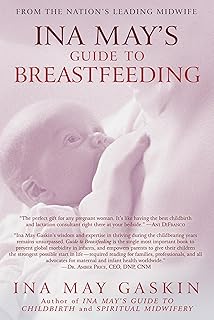
What You'll Learn
- Hormonal Changes: Fluctuations in estrogen and progesterone levels during breastfeeding may impact mood and mental health
- Sleep Deprivation: Frequent feedings and disrupted sleep patterns can contribute to anxiety, depression, and other mental health issues
- Nutritional Deficiencies: Inadequate nutrition during breastfeeding may affect brain function and lead to mental health problems
- Social Isolation: Breastfeeding mothers may experience social isolation, which can increase the risk of postpartum depression and anxiety
- Cultural Pressures: Societal expectations and cultural norms surrounding breastfeeding can create stress and negatively impact mental well-being

Hormonal Changes: Fluctuations in estrogen and progesterone levels during breastfeeding may impact mood and mental health
During breastfeeding, the body undergoes significant hormonal changes, primarily involving estrogen and progesterone. These fluctuations can have a profound impact on a mother's mood and mental health. Estrogen, which typically promotes feelings of well-being and stability, drops sharply after childbirth and remains low during breastfeeding. Progesterone, another hormone that helps regulate mood, also decreases significantly. This hormonal shift can lead to a range of emotional responses, from mild mood swings to more severe conditions like postpartum depression.
The decrease in estrogen and progesterone can affect neurotransmitters in the brain, such as serotonin and dopamine, which are crucial for mood regulation. Lower levels of these neurotransmitters are often associated with depression and anxiety. Additionally, the physical demands of breastfeeding, coupled with the emotional pressure of caring for a new baby, can exacerbate these hormonal effects, making it challenging for some mothers to cope.
It's important to note that while these hormonal changes are a natural part of the breastfeeding process, they can vary widely from woman to woman. Some mothers may experience only mild mood fluctuations, while others may struggle with more severe mental health issues. Factors such as previous mental health history, support system, and overall health can influence how these hormonal changes impact an individual's mental well-being.
Healthcare providers often recommend monitoring mood changes during breastfeeding and seeking support if symptoms of depression or anxiety become overwhelming. Treatment options may include therapy, support groups, or in some cases, medication. It's crucial for breastfeeding mothers to communicate openly with their healthcare providers about any mental health concerns they may have, as early intervention can significantly improve outcomes.
In conclusion, the hormonal changes associated with breastfeeding can have a notable impact on a mother's mental health. Understanding these fluctuations and their potential effects can help mothers and healthcare providers better navigate the challenges of postpartum care. By prioritizing mental health and seeking support when needed, breastfeeding mothers can improve their overall well-being and better enjoy the experience of nurturing their new baby.
Exploring the Link: Kidney Failure and Altered Mental Status
You may want to see also
Explore related products


Sleep Deprivation: Frequent feedings and disrupted sleep patterns can contribute to anxiety, depression, and other mental health issues
Sleep deprivation is a significant concern for breastfeeding mothers, as frequent feedings throughout the night can disrupt their sleep patterns. This disruption can lead to a range of mental health issues, including anxiety and depression. Research has shown that chronic sleep deprivation can alter brain function, leading to increased irritability, mood swings, and a decreased ability to cope with stress. For breastfeeding mothers, these effects can be compounded by the physical demands of caring for a newborn and the hormonal changes that occur during this period.
One study found that mothers who breastfed their infants for at least six months experienced higher levels of sleep disruption and daytime fatigue compared to those who formula-fed. This is likely due to the fact that breastfeeding requires more frequent feedings, especially during the night, which can make it difficult for mothers to get restful sleep. Additionally, the oxytocin released during breastfeeding can cause drowsiness, further contributing to sleep disturbances.
To mitigate the effects of sleep deprivation, breastfeeding mothers can try establishing a routine for their baby, including a consistent bedtime and wake-up time. They can also consider co-sleeping or using a baby monitor to reduce the need to get up multiple times during the night. Furthermore, seeking support from partners, family members, or friends can help alleviate some of the stress associated with caring for a newborn.
It is essential for healthcare providers to recognize the potential mental health implications of sleep deprivation in breastfeeding mothers and offer appropriate support and resources. This may include referrals to mental health professionals, sleep specialists, or support groups specifically designed for breastfeeding mothers. By addressing sleep deprivation early on, healthcare providers can help prevent the development of more severe mental health issues and improve overall well-being for both mothers and their infants.
In conclusion, sleep deprivation is a common issue among breastfeeding mothers that can contribute to anxiety, depression, and other mental health problems. By understanding the underlying causes and implementing strategies to improve sleep quality, mothers can better manage the challenges of breastfeeding and maintain their mental health.
Exploring the Link: Aneurysms and Altered Mental Status
You may want to see also
Explore related products


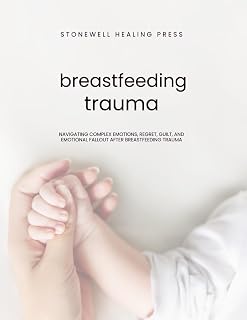

Nutritional Deficiencies: Inadequate nutrition during breastfeeding may affect brain function and lead to mental health problems
Breastfeeding is a critical period for an infant's development, and adequate nutrition is essential for optimal brain function and mental health. Inadequate nutrition during breastfeeding can have long-lasting effects on a child's cognitive abilities and emotional well-being. This section will explore the specific nutrients that are crucial for brain development, the consequences of their deficiencies, and practical tips for ensuring adequate nutrition during breastfeeding.
Several key nutrients play a vital role in brain development, including omega-3 fatty acids, vitamin D, iron, and B vitamins. Omega-3 fatty acids, particularly docosahexaenoic acid (DHA), are essential for the structure and function of the brain. Vitamin D is crucial for neurodevelopment and has been linked to a reduced risk of autism and attention deficit hyperactivity disorder (ADHD). Iron is necessary for the production of neurotransmitters and myelin, which are critical for brain function. B vitamins, especially vitamin B12 and folate, are important for the synthesis of DNA and the development of the central nervous system.
Deficiencies in these nutrients during breastfeeding can lead to a range of mental health problems. For example, a lack of omega-3 fatty acids has been associated with an increased risk of depression, anxiety, and ADHD. Vitamin D deficiency has been linked to autism, ADHD, and schizophrenia. Iron deficiency can cause cognitive impairments, including decreased attention span and poor memory. B vitamin deficiencies can lead to developmental delays, irritability, and mood disorders.
To ensure adequate nutrition during breastfeeding, mothers should focus on consuming a balanced diet rich in the key nutrients mentioned above. Foods such as fatty fish, fortified dairy products, leafy greens, and whole grains can provide the necessary omega-3 fatty acids, vitamin D, iron, and B vitamins. Additionally, mothers may consider taking supplements to ensure they are meeting their nutritional needs. It is important to consult with a healthcare provider to determine the appropriate dosage and type of supplements.
In conclusion, adequate nutrition during breastfeeding is crucial for an infant's brain development and mental health. By focusing on consuming a balanced diet and considering supplements when necessary, mothers can help ensure that their children receive the necessary nutrients for optimal cognitive and emotional well-being.
Exploring the Link: Can STDs Impact Mental Health?
You may want to see also
Explore related products

$2.99 $7.99


Social Isolation: Breastfeeding mothers may experience social isolation, which can increase the risk of postpartum depression and anxiety
Breastfeeding mothers often find themselves in a unique situation where they are solely responsible for the nourishment of their newborns. This can lead to a sense of isolation, as they may feel disconnected from their social circles and support systems. The lack of social interaction and understanding from others can exacerbate feelings of loneliness and inadequacy, which in turn can contribute to the development of postpartum depression and anxiety.
One of the primary reasons for this social isolation is the stigma surrounding breastfeeding in public. Many mothers feel uncomfortable nursing their babies outside the home, fearing judgment or criticism from others. This can limit their ability to participate in social activities and maintain connections with friends and family. Additionally, the demands of breastfeeding can make it difficult for mothers to find time for self-care or engage in activities they enjoy, further contributing to feelings of isolation.
The impact of social isolation on mental health is well-documented. Studies have shown that lack of social support is a significant risk factor for postpartum depression, which can have serious consequences for both the mother and the baby. Depressed mothers may struggle to bond with their infants, and their symptoms can interfere with their ability to provide adequate care. Anxiety, another common mental health issue among new mothers, can also be exacerbated by social isolation. The constant worry and fear associated with anxiety can make it difficult for mothers to relax and enjoy their time with their babies.
To address the issue of social isolation among breastfeeding mothers, it is essential to create a supportive environment that encourages open communication and understanding. This can be achieved through the establishment of breastfeeding support groups, where mothers can connect with others who share their experiences and challenges. Online communities and social media platforms can also provide valuable resources and connections for mothers who may not have access to in-person support.
Healthcare providers play a crucial role in addressing the mental health needs of breastfeeding mothers. By screening for symptoms of postpartum depression and anxiety and providing appropriate referrals and resources, providers can help mothers access the support they need to thrive. Additionally, educating partners, family members, and friends about the challenges of breastfeeding and the importance of social support can help create a more understanding and empathetic environment for new mothers.
In conclusion, social isolation is a significant issue that can have a profound impact on the mental health of breastfeeding mothers. By raising awareness, providing support, and fostering a sense of community, we can help mitigate the risks associated with social isolation and ensure that all mothers have the resources they need to care for themselves and their babies.
Unraveling the Complex Roots of Insanity: A Deep Dive
You may want to see also
Explore related products


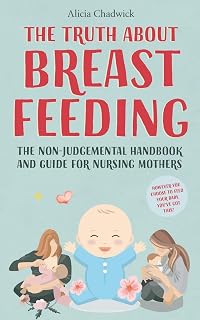


Cultural Pressures: Societal expectations and cultural norms surrounding breastfeeding can create stress and negatively impact mental well-being
Breastfeeding, while often portrayed as a natural and essential aspect of motherhood, is deeply embedded in a complex web of societal expectations and cultural norms. These pressures can significantly impact a mother's mental well-being, leading to stress, anxiety, and even depression. The cultural emphasis on breastfeeding as the optimal choice for infant nutrition can create a sense of obligation and guilt for mothers who may not be able to or choose not to breastfeed.
In many cultures, breastfeeding is not just seen as a nutritional choice but as a moral imperative. This moralization can lead to stigmatization of mothers who do not breastfeed, further exacerbating feelings of guilt and inadequacy. Social media and public health campaigns often perpetuate these pressures, showcasing breastfeeding as a glamorous and effortless act, which can be far from the reality for many mothers.
Moreover, the pressure to breastfeed can come from various sources, including family, friends, healthcare providers, and even strangers. Unsolicited advice and judgment can make mothers feel unsupported and overwhelmed. The constant scrutiny and expectation to conform to societal norms can erode a mother's confidence and autonomy, contributing to mental health struggles.
It is crucial to recognize that breastfeeding is a personal choice and that each mother's situation is unique. Societal expectations should not dictate a mother's decision-making process. Instead, we should foster an environment that supports and respects all mothers, regardless of their breastfeeding choices. This includes providing accurate information, emotional support, and practical assistance to help mothers make informed decisions that are best for them and their babies.
Ultimately, the cultural pressures surrounding breastfeeding can have a profound impact on a mother's mental well-being. By acknowledging and addressing these pressures, we can work towards creating a more supportive and inclusive society for all mothers.
Exploring the Link: Anesthesia and Postoperative Mental Confusion
You may want to see also
Frequently asked questions
While breastfeeding can have numerous benefits for both mother and baby, it is not typically associated with causing mental problems. However, the stress and pressure of breastfeeding can exacerbate existing mental health conditions or contribute to the development of anxiety and depression in some mothers. It's important for mothers to seek support and professional help if they experience any mental health concerns.
Research on the topic is ongoing, and while some studies have suggested a potential link between breastfeeding difficulties and mental health issues such as anxiety and depression, the evidence is not conclusive. More research is needed to fully understand the relationship between breastfeeding and mental health.
Common mental health challenges faced by breastfeeding mothers include anxiety, depression, and stress. These can be related to the physical demands of breastfeeding, societal pressures, lack of support, or pre-existing mental health conditions. It's crucial for mothers to prioritize their mental health and seek help when needed.
Breastfeeding mothers can manage their mental health effectively by seeking support from family, friends, and healthcare professionals, practicing self-care, engaging in stress-reducing activities such as meditation or exercise, and considering therapy or counseling if needed. It's also important to set realistic expectations and not be overly critical of oneself.
Resources available for breastfeeding mothers experiencing mental health issues include local support groups, online communities, mental health professionals specializing in postpartum care, and helplines such as the National Alliance on Mental Illness (NAMI) or the Postpartum Support International (PSI). These resources can provide valuable support, information, and guidance.