Ava Ramirez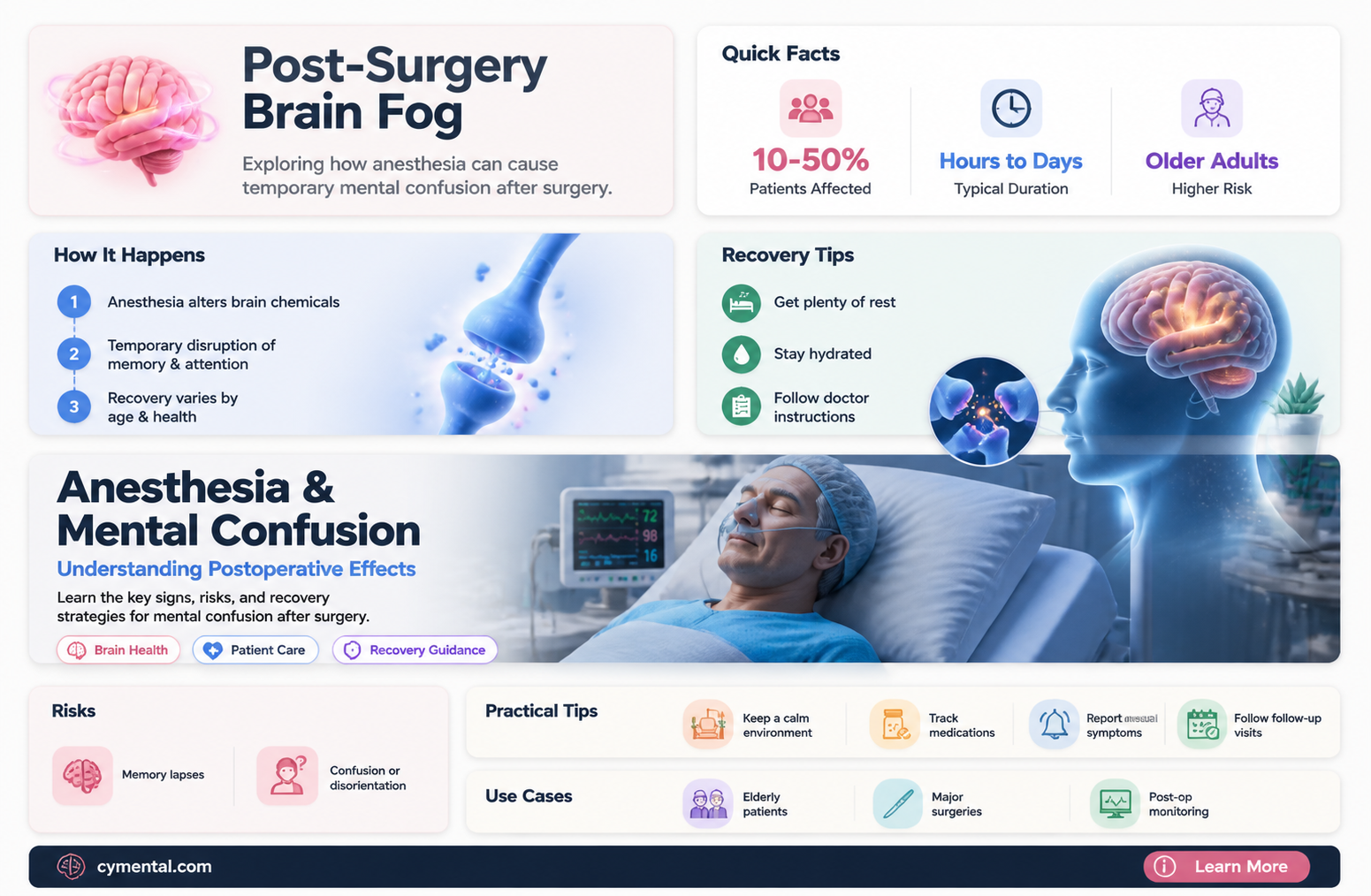
Anesthesia, a critical component of modern medical procedures, is designed to induce a state of unconsciousness, allowing patients to undergo surgeries and treatments without experiencing pain or discomfort. However, the use of anesthesia is not without its potential risks and side effects. One such concern is the possibility of mental confusion, both during the recovery period and in the longer term. This confusion can manifest in various ways, including disorientation, memory loss, and cognitive impairment. While these effects are often temporary, they can be distressing for patients and may impact their quality of life. It is essential for medical professionals to carefully consider the potential risks of anesthesia and to provide patients with comprehensive information and support to manage any post-operative cognitive challenges.
| Characteristics | Values |
|---|---|
| Definition | Anesthesia-induced mental confusion, also known as postoperative cognitive dysfunction, is a temporary condition where patients experience difficulty thinking clearly, remembering, or concentrating after surgery. |
| Causes | General anesthesia, regional anesthesia, or local anesthesia can all potentially cause mental confusion. The exact cause is not fully understood but may be related to the medications used, the patient's underlying health conditions, or the surgical procedure itself. |
| Symptoms | Symptoms of anesthesia-induced mental confusion include difficulty remembering recent events, trouble concentrating, disorientation, and impaired decision-making abilities. |
| Duration | The duration of anesthesia-induced mental confusion varies from patient to patient but typically lasts for a few days to a few weeks after surgery. In some cases, it may persist for several months. |
| Risk Factors | Older age, underlying health conditions such as diabetes or hypertension, and the complexity of the surgical procedure are all risk factors for developing anesthesia-induced mental confusion. |
| Diagnosis | Diagnosis is typically made through a combination of patient history, physical examination, and cognitive testing. |
| Treatment | Treatment for anesthesia-induced mental confusion is primarily supportive, focusing on managing symptoms and providing reassurance to the patient and their family. Medications may be used to help alleviate symptoms in some cases. |
| Prognosis | The prognosis for anesthesia-induced mental confusion is generally good, with most patients experiencing a full recovery within a few weeks to months after surgery. |
| Prevention | Prevention strategies include optimizing the patient's overall health before surgery, using the appropriate type and dosage of anesthesia, and closely monitoring the patient during and after surgery. |
| Research | Ongoing research is focused on better understanding the causes and mechanisms of anesthesia-induced mental confusion, as well as developing more effective prevention and treatment strategies. |
Explore related products


What You'll Learn
- Anesthesia Types: Different types of anesthesia and their potential effects on mental clarity
- Postoperative Confusion: Delirium and cognitive dysfunction following surgery under anesthesia
- Anesthesia Complications: Rare but serious complications like anesthesia-induced brain injury
- Patient Factors: How age, health conditions, and genetics influence susceptibility to confusion
- Preventive Measures: Strategies and protocols to minimize mental confusion risks during anesthesia

Anesthesia Types: Different types of anesthesia and their potential effects on mental clarity
Anesthesia is a critical component of modern medical procedures, allowing for surgeries and interventions that would otherwise be unbearable due to pain. However, the use of anesthesia can sometimes lead to temporary mental confusion or cognitive impairment. This is particularly concerning for patients who may already be experiencing anxiety or stress related to their medical condition and the prospect of surgery.
There are several types of anesthesia, each with its own unique effects on the body and mind. General anesthesia, which is used for major surgeries, induces a state of unconsciousness and is typically administered through a combination of intravenous drugs and inhaled gases. Regional anesthesia, such as epidural or spinal anesthesia, numbs a specific area of the body and is often used for procedures like childbirth or orthopedic surgeries. Local anesthesia, which is used for minor procedures, numbs a small area of the body and is usually administered through an injection.
The potential effects of anesthesia on mental clarity can vary depending on the type of anesthesia used, the duration of the procedure, and the individual patient's response. General anesthesia, in particular, can lead to postoperative cognitive dysfunction (POCD), which is characterized by confusion, memory loss, and difficulty concentrating. This condition is more common in older patients and those with pre-existing cognitive impairments. Regional and local anesthesia, while generally considered safer in terms of cognitive effects, can still cause temporary confusion or disorientation in some patients.
It is important for patients to be aware of the potential risks associated with anesthesia and to discuss any concerns with their healthcare provider. In some cases, it may be possible to use alternative pain management techniques or to adjust the anesthesia protocol to minimize the risk of cognitive impairment. Additionally, patients should be closely monitored during and after anesthesia to ensure that any signs of mental confusion are promptly addressed.
In conclusion, while anesthesia is a vital tool in modern medicine, it is not without risks. Patients should be informed about the different types of anesthesia and their potential effects on mental clarity, and should work with their healthcare provider to develop a plan that minimizes these risks while ensuring effective pain management during medical procedures.
Exploring the Link Between Root Canals and Mental Health Concerns
You may want to see also
Explore related products


Postoperative Confusion: Delirium and cognitive dysfunction following surgery under anesthesia
Postoperative confusion, characterized by delirium and cognitive dysfunction, is a significant concern following surgery under anesthesia. This condition can manifest as disorientation, agitation, and difficulty in comprehending one's surroundings. It is particularly prevalent in elderly patients, those with pre-existing cognitive impairments, and individuals who have undergone prolonged surgical procedures.
The pathophysiology of postoperative confusion is multifactorial. Anesthesia-induced changes in cerebral blood flow, neurotransmitter imbalances, and the body's inflammatory response to surgery are believed to contribute to this condition. Additionally, the use of certain anesthetic agents, such as benzodiazepines and propofol, may increase the risk of postoperative delirium.
Clinically, postoperative confusion can present with a range of symptoms, including hallucinations, paranoia, and impaired memory. Patients may exhibit restlessness, rapid mood swings, and difficulty in following commands. In severe cases, this confusion can lead to self-harm or aggression towards healthcare providers.
Management of postoperative confusion involves a multidisciplinary approach. Healthcare providers should monitor patients closely for signs of delirium and cognitive dysfunction in the postoperative period. Early intervention, including the use of antipsychotic medications and non-pharmacological strategies such as reorientation and environmental modifications, can help mitigate the severity and duration of this condition.
Preventive measures are also crucial in reducing the incidence of postoperative confusion. This includes optimizing preoperative health status, minimizing the use of sedative medications, and ensuring adequate pain management. Furthermore, the use of regional anesthesia techniques, such as epidural and spinal anesthesia, may be beneficial in reducing the risk of postoperative delirium.
In conclusion, postoperative confusion is a complex and challenging issue that requires careful attention and management. By understanding the underlying causes and implementing appropriate preventive and therapeutic strategies, healthcare providers can improve patient outcomes and reduce the burden of this condition.
Exploring the Link: Brain Hemorrhage and Mental Filter Effects
You may want to see also
Explore related products

$67.19 $78.99


$44.64 $49.99


Anesthesia Complications: Rare but serious complications like anesthesia-induced brain injury
Anesthesia-induced brain injury is a rare but serious complication that can occur during surgical procedures. While the exact incidence is difficult to determine due to underreporting and variability in diagnostic criteria, it is estimated that this condition affects approximately 1 in 1,000 patients undergoing general anesthesia. The injury can manifest in various ways, including cognitive impairment, memory loss, and even coma or death in severe cases.
One of the challenges in diagnosing anesthesia-induced brain injury is that its symptoms can be similar to those of other conditions, such as stroke or brain tumor. Therefore, it is crucial for healthcare providers to carefully monitor patients during and after anesthesia, looking for signs of neurological distress or unusual behavior. Some risk factors for this complication include advanced age, pre-existing neurological conditions, and prolonged anesthesia duration.
To minimize the risk of anesthesia-induced brain injury, anesthesiologists must carefully manage patients' anesthesia depth, avoiding excessive sedation and ensuring adequate oxygenation and blood flow to the brain. Additionally, they should be prepared to promptly recognize and respond to any signs of neurological compromise during the perioperative period.
In conclusion, while anesthesia-induced brain injury is a rare complication, its potential severity underscores the importance of vigilant monitoring and careful management by healthcare providers. By understanding the risk factors and symptoms of this condition, anesthesiologists can take steps to mitigate its occurrence and ensure the safety of their patients.
Exploring the Link: Mental Breakdown and Dementia Risk
You may want to see also
Explore related products





Patient Factors: How age, health conditions, and genetics influence susceptibility to confusion
Age is a significant factor in determining a patient's susceptibility to confusion following anesthesia. Older adults, particularly those over the age of 65, are at a higher risk of experiencing postoperative cognitive dysfunction (POCD). This increased risk is attributed to age-related changes in brain function and structure, as well as the cumulative effects of underlying health conditions and medications. In addition, older patients may have a decreased ability to metabolize anesthetic agents efficiently, leading to prolonged exposure and a higher likelihood of cognitive impairment.
Underlying health conditions also play a crucial role in a patient's susceptibility to confusion. Chronic conditions such as diabetes, hypertension, and heart disease can compromise blood flow to the brain, increasing the risk of cognitive dysfunction. Furthermore, patients with pre-existing neurological conditions, such as Alzheimer's disease or Parkinson's disease, are more likely to experience confusion and cognitive decline following anesthesia. These patients may have a lower cognitive reserve, making them more vulnerable to the effects of anesthetic agents on brain function.
Genetics can also influence a patient's susceptibility to confusion. Certain genetic variations have been identified that may affect the metabolism of anesthetic agents, leading to differences in how individuals respond to anesthesia. For example, some genetic variants may result in a slower metabolism of anesthetic drugs, increasing the risk of prolonged exposure and cognitive impairment. Additionally, genetic factors may contribute to individual differences in brain function and structure, which can impact a patient's cognitive reserve and ability to withstand the effects of anesthesia.
In conclusion, patient factors such as age, health conditions, and genetics can significantly influence susceptibility to confusion following anesthesia. Healthcare providers should consider these factors when assessing the risks and benefits of anesthesia for individual patients. By taking a personalized approach to anesthesia care, providers can help minimize the risk of cognitive complications and improve patient outcomes.
Unveiling the Link: Allergic Reactions and Mental Health Symptoms
You may want to see also
Explore related products


Preventive Measures: Strategies and protocols to minimize mental confusion risks during anesthesia
Anesthesia providers employ a variety of preventive measures to minimize the risk of mental confusion during and after anesthesia. One key strategy is thorough patient assessment before the procedure. This includes evaluating the patient's medical history, current medications, and any previous experiences with anesthesia. By identifying potential risk factors early, anesthesiologists can tailor their approach to each individual, reducing the likelihood of complications.
Another important protocol is the use of standardized anesthesia techniques and monitoring equipment. This ensures that anesthesia is administered safely and effectively, with continuous monitoring of vital signs and brain activity. Anesthesiologists are trained to recognize early signs of distress or complications, allowing them to intervene promptly and prevent potential issues from escalating.
Additionally, clear communication between the anesthesia team, surgeons, and other healthcare providers is crucial. This includes discussing the patient's condition, the planned procedure, and any specific concerns or precautions. By working together, the healthcare team can develop a comprehensive plan that prioritizes patient safety and minimizes the risk of mental confusion.
Post-operative care also plays a significant role in preventing mental confusion. This includes close monitoring of the patient's recovery, managing pain effectively, and ensuring that the patient receives adequate oxygenation and hydration. Anesthesiologists may also use medications to help prevent or manage post-operative delirium, a common complication that can lead to mental confusion.
In conclusion, preventive measures are essential in minimizing the risk of mental confusion during and after anesthesia. Through thorough patient assessment, standardized techniques, effective communication, and attentive post-operative care, anesthesiologists can significantly reduce the likelihood of complications and ensure a safe and smooth recovery for their patients.
Unveiling the Link: Allergies and Mental Fog Explored
You may want to see also
Frequently asked questions
Yes, anesthesia can cause mental confusion, particularly in the short term. This confusion is often referred to as postoperative cognitive dysfunction and can manifest as difficulty thinking clearly, remembering things, or concentrating. It is usually temporary and resolves within a few days to weeks after the procedure.
Mental confusion from anesthesia typically lasts for a short period, usually a few days to a couple of weeks after the procedure. In some cases, it may persist for a longer duration, but this is less common.
Several factors can increase the risk of mental confusion after anesthesia, including:
- Older age
- Pre-existing cognitive impairment
- Certain medical conditions, such as diabetes or hypertension
- The type and duration of anesthesia used
- The complexity of the surgical procedure
To minimize the risk of mental confusion after anesthesia, several strategies can be employed:
- Ensuring that the patient is in optimal health before the procedure
- Using the least amount of anesthesia necessary for the procedure
- Employing modern anesthetic techniques that are less likely to cause cognitive impairment
- Providing adequate postoperative care and monitoring for any signs of cognitive dysfunction
- Encouraging the patient to engage in cognitive activities, such as reading or puzzles, to help stimulate brain function after the procedure