Caleb Wright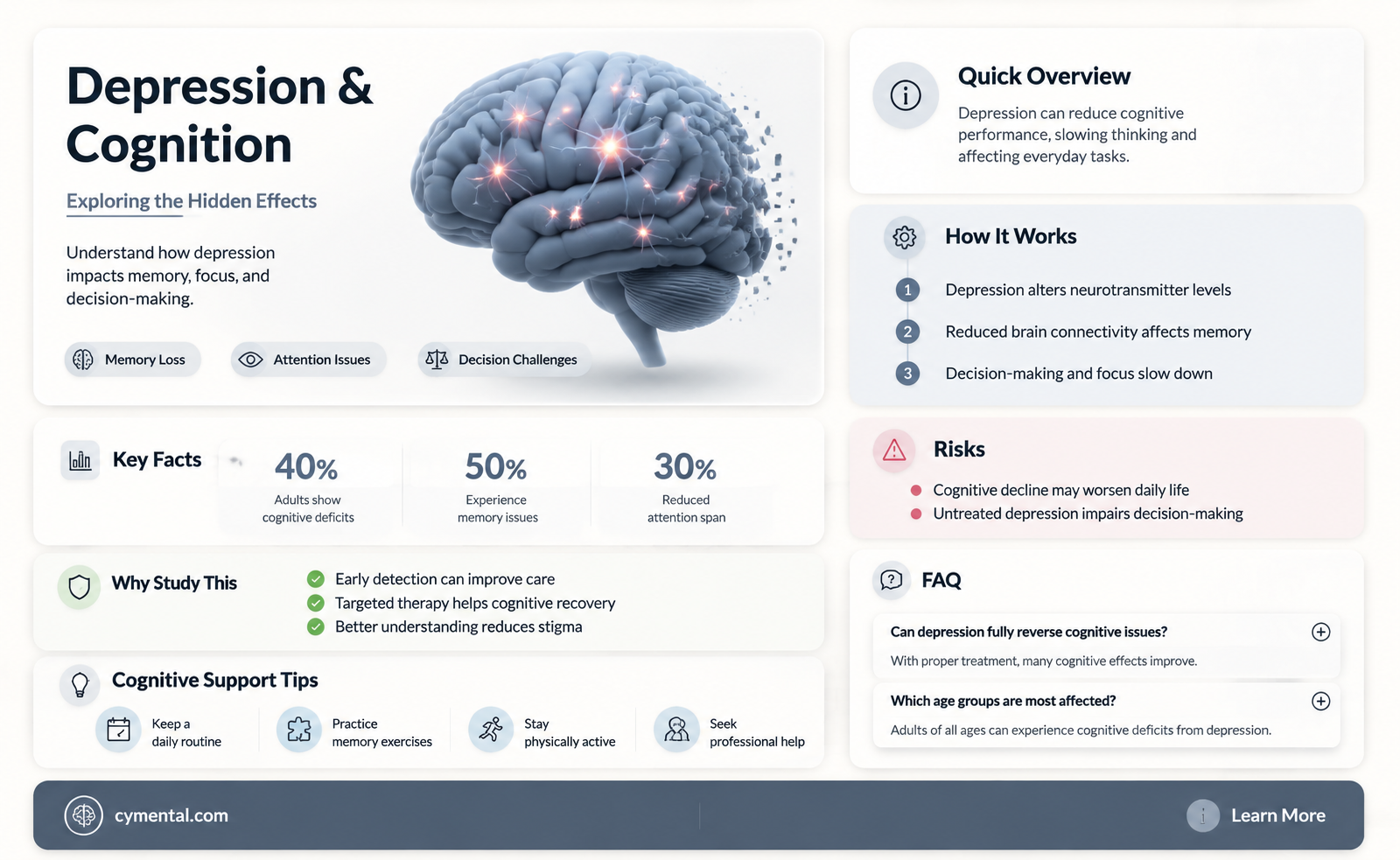
Depression is a prevalent mental health condition that can significantly impact an individual's emotional well-being, but its effects extend beyond mood regulation. Research indicates that depression can also affect cognitive functioning, including memory, attention, and decision-making abilities. This raises important questions about the relationship between depression and mental capacity, particularly in legal and clinical contexts where an individual's ability to make informed decisions is crucial. Understanding the potential cognitive impairments associated with depression is essential for developing comprehensive treatment plans and ensuring that individuals receive appropriate support and accommodations.
Explore related products


What You'll Learn
- Cognitive impairment: Depression can hinder concentration, memory, and decision-making abilities
- Emotional regulation: Difficulty managing emotions can impact mental capacity and daily functioning
- Motivation and interest: Loss of interest in activities can lead to decreased mental engagement
- Sleep disturbances: Insomnia or hypersomnia can impair cognitive function and overall mental capacity
- Physical symptoms: Depression's physical manifestations, like fatigue, can affect mental performance and capacity

Cognitive impairment: Depression can hinder concentration, memory, and decision-making abilities
Depression is often associated with emotional symptoms such as sadness, hopelessness, and a lack of interest in activities. However, it can also have a significant impact on cognitive functioning. Cognitive impairment is a common feature of depression, characterized by difficulties with concentration, memory, and decision-making abilities. This can manifest in various ways, such as struggling to focus on tasks, forgetting important information, or having trouble making even simple decisions.
Research has shown that depression can lead to changes in brain structure and function, particularly in areas responsible for cognitive processing. The hippocampus, for example, which plays a crucial role in memory formation, is often smaller in individuals with depression. Additionally, depression can lead to increased inflammation in the brain, which can further impair cognitive functioning.
The cognitive symptoms of depression can have a significant impact on daily life. For instance, individuals may find it difficult to perform well at work or school, leading to decreased productivity and potential social and financial consequences. Relationships may also suffer, as cognitive impairment can make it challenging to communicate effectively and remember important events or conversations.
It is important to note that cognitive impairment is not a universal symptom of depression, and its severity can vary greatly from person to person. Some individuals may experience only mild cognitive difficulties, while others may have more pronounced impairments. Treatment for depression, such as antidepressant medication and cognitive-behavioral therapy, can help alleviate cognitive symptoms in addition to emotional ones.
In conclusion, depression can indeed affect mental capacity, particularly in terms of cognitive functioning. Understanding the nature and impact of cognitive impairment in depression is crucial for developing effective treatment strategies and supporting individuals in managing their symptoms. By addressing both the emotional and cognitive aspects of depression, it is possible to improve overall well-being and quality of life.
Understanding Grief's Impact: How Loss Affects Mental Health
You may want to see also
Explore related products


$49.24 $59


Emotional regulation: Difficulty managing emotions can impact mental capacity and daily functioning
Difficulty managing emotions can significantly impact mental capacity and daily functioning. This is particularly evident in individuals experiencing depression, where emotional dysregulation can exacerbate symptoms and hinder cognitive processes. Emotional regulation refers to the ability to recognize, understand, and manage one's own emotions effectively. When this process is disrupted, it can lead to a range of negative outcomes, including impaired decision-making, reduced problem-solving abilities, and difficulties in maintaining relationships.
In the context of depression, emotional dysregulation can manifest in various ways. For instance, individuals may experience intense and prolonged feelings of sadness, hopelessness, or irritability. They may also struggle with mood swings, where emotions can shift rapidly and unpredictably. These emotional disturbances can interfere with cognitive functions such as attention, memory, and executive control, making it challenging to perform everyday tasks and responsibilities.
Moreover, emotional dysregulation can impact daily functioning by affecting motivation, energy levels, and social interactions. Depressed individuals may find it difficult to engage in activities they once enjoyed, leading to social withdrawal and isolation. This can further exacerbate feelings of loneliness and despair, creating a vicious cycle that perpetuates emotional distress and cognitive impairment.
To address these challenges, it is essential to develop strategies for improving emotional regulation. This can include practicing mindfulness, engaging in physical exercise, and seeking support from mental health professionals. Cognitive-behavioral therapy (CBT) is a particularly effective approach, as it helps individuals identify and challenge negative thought patterns and develop healthier coping mechanisms.
In conclusion, emotional regulation plays a crucial role in maintaining mental capacity and daily functioning, especially in the context of depression. By understanding the impact of emotional dysregulation and implementing strategies to improve emotional well-being, individuals can better manage their symptoms and enhance their overall quality of life.
The Dark Side of Sports: Unveiling Mental Health Challenges
You may want to see also
Explore related products



$26.95 $21.55


Motivation and interest: Loss of interest in activities can lead to decreased mental engagement
Depression can significantly impact an individual's mental capacity, particularly in terms of motivation and interest. A loss of interest in activities that were once enjoyable can lead to decreased mental engagement, which can further exacerbate feelings of depression. This cycle can be difficult to break, as the lack of motivation can make it challenging to engage in activities that could potentially improve mental health.
One of the key ways in which depression affects mental capacity is through anhedonia, which is a loss of interest or pleasure in activities. This can manifest in a variety of ways, such as a lack of motivation to engage in hobbies, a decrease in social interactions, or a general feeling of apathy towards life. Anhedonia can be particularly damaging, as it can lead to a withdrawal from activities that could provide a sense of purpose or fulfillment.
The impact of depression on mental capacity can also be seen in terms of cognitive functioning. Research has shown that depression can impair memory, attention, and decision-making abilities. This can make it difficult for individuals to perform tasks that require mental effort, leading to a decrease in productivity and an increase in feelings of frustration.
Furthermore, depression can affect mental capacity by altering the brain's structure and function. Studies have shown that depression can lead to changes in the hippocampus, which is a region of the brain that is important for memory and learning. These changes can make it more difficult for individuals to form new memories or to recall past events, which can further contribute to feelings of mental fog and confusion.
In conclusion, depression can have a profound impact on an individual's mental capacity, particularly in terms of motivation and interest. The loss of interest in activities can lead to decreased mental engagement, which can further exacerbate feelings of depression. This cycle can be difficult to break, but with the right treatment and support, individuals can learn to manage their symptoms and improve their mental health.
Navigating Choices: The Impact of Stress and Mental Health on Decision-Making
You may want to see also
Explore related products


Sleep disturbances: Insomnia or hypersomnia can impair cognitive function and overall mental capacity
Sleep disturbances, such as insomnia and hypersomnia, can significantly impact cognitive function and overall mental capacity. Insomnia, characterized by difficulty falling asleep or staying asleep, can lead to fatigue, irritability, and impaired concentration. On the other hand, hypersomnia, which involves excessive daytime sleepiness, can result in decreased alertness and slowed reaction times. Both conditions can exacerbate the symptoms of depression, creating a vicious cycle that further diminishes mental capacity.
Research has shown that chronic sleep disturbances can affect the brain's ability to process information, leading to difficulties with memory, attention, and decision-making. In individuals with depression, these cognitive impairments can be particularly debilitating, making it challenging to perform daily tasks and maintain social relationships. Furthermore, sleep disturbances can interfere with the effectiveness of antidepressant medications, potentially worsening the symptoms of depression.
To mitigate the impact of sleep disturbances on mental capacity, it is essential to establish healthy sleep habits. This includes maintaining a consistent sleep schedule, creating a relaxing bedtime routine, and ensuring a comfortable sleep environment. Additionally, cognitive behavioral therapy for insomnia (CBT-I) has been shown to be effective in improving sleep quality and reducing the symptoms of depression. In some cases, medication may be necessary to address sleep disturbances, but it should be used in conjunction with other therapeutic approaches.
It is also important to note that sleep disturbances can be a symptom of other underlying medical conditions, such as sleep apnea or restless leg syndrome. Therefore, it is crucial to consult with a healthcare professional to determine the root cause of sleep disturbances and develop an appropriate treatment plan. By addressing sleep disturbances, individuals with depression can improve their cognitive function and overall mental capacity, leading to a better quality of life.
Exploring the Impact of Environment on Mental Well-being
You may want to see also
Explore related products


Physical symptoms: Depression's physical manifestations, like fatigue, can affect mental performance and capacity
Depression's physical symptoms, such as fatigue, can significantly impact mental performance and capacity. This is because the body's response to depression can lead to a decrease in energy levels, making it difficult to concentrate and focus on tasks. Fatigue can also affect memory and cognitive function, making it harder to process information and make decisions.
In addition to fatigue, depression can also cause other physical symptoms that can impact mental capacity. For example, depression can lead to changes in appetite and sleep patterns, which can further exacerbate feelings of fatigue and decrease mental performance. Depression can also cause physical pain, such as headaches and muscle aches, which can be distracting and make it difficult to focus on tasks.
The impact of depression's physical symptoms on mental capacity can be particularly significant in individuals who are already struggling with mental health issues. For example, individuals with depression may also experience anxiety, which can further decrease mental performance and capacity. In addition, individuals with depression may be more likely to experience other physical health problems, such as heart disease and diabetes, which can also impact mental capacity.
It is important to note that depression's physical symptoms can be treated, and that treatment can help to improve mental performance and capacity. For example, antidepressant medications can help to alleviate feelings of fatigue and improve sleep patterns. In addition, lifestyle changes, such as regular exercise and a healthy diet, can also help to improve mental performance and capacity in individuals with depression.
In conclusion, depression's physical symptoms, such as fatigue, can have a significant impact on mental performance and capacity. However, with proper treatment and lifestyle changes, individuals with depression can improve their mental performance and capacity and lead fulfilling lives.
How Entities Impact Your Mental Well-being: A Deep Dive
You may want to see also
Frequently asked questions
Yes, depression can significantly affect mental capacity. It can impair cognitive functions such as memory, concentration, and decision-making abilities.
Depression can make daily tasks feel overwhelming and exhausting. It can lead to difficulties in maintaining routines, managing responsibilities, and engaging in social activities.
Yes, with appropriate treatment and support, it is possible to recover from depression and regain mental capacity. Therapy, medication, and lifestyle changes can help improve cognitive functions and overall well-being.