Caleb Wright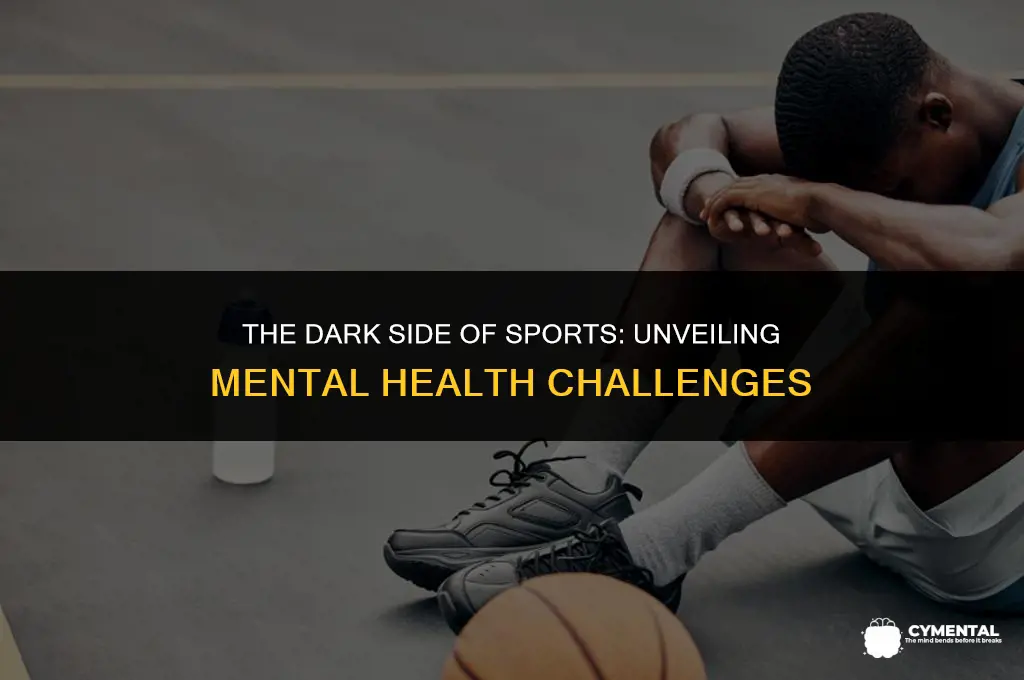
While sports are often celebrated for their positive impact on physical health and community building, it's crucial to acknowledge the potential negative effects they can have on mental health. The pressure to perform, the fear of injury, and the stress of competition can all contribute to anxiety and depression among athletes. Furthermore, the culture of toughness and resilience in sports can sometimes discourage athletes from seeking help for mental health issues, leading to a silent struggle. This paragraph will delve into the various ways in which sports can negatively impact mental health, shedding light on an important yet often overlooked aspect of athletic life.
| Characteristics | Values |
|---|---|
| Increased stress | High-pressure situations in sports can elevate stress levels, impacting mental well-being. |
| Anxiety and depression | The fear of failure, injuries, or not meeting expectations can lead to anxiety and depression in athletes. |
| Burnout | Overtraining and the constant pursuit of excellence can result in physical and emotional exhaustion. |
| Eating disorders | The emphasis on body image and weight in certain sports can contribute to the development of eating disorders. |
| Sleep disturbances | The physical demands of sports, combined with stress and anxiety, can disrupt sleep patterns. |
| Social isolation | The intense focus on individual performance can sometimes lead to feelings of loneliness and isolation. |
| Perfectionism | The drive for perfection in sports can foster unrealistic expectations and self-criticism. |
| Pressure to perform | The constant need to excel can create a sense of pressure, affecting mental health and overall enjoyment of the sport. |
Explore related products


What You'll Learn
- Pressure to Perform: Athletes often face immense pressure to excel, leading to stress and anxiety
- Injury and Recovery: Physical injuries can result in mental health struggles during recovery periods
- Comparison and Self-Esteem: Constant comparison to peers can negatively impact an athlete's self-esteem
- Retirement Anxiety: The transition from active sports to retirement can cause significant mental health challenges
- Eating Disorders: The emphasis on physical appearance and weight in some sports can contribute to eating disorders

Pressure to Perform: Athletes often face immense pressure to excel, leading to stress and anxiety
The pressure to perform at high levels in sports can be overwhelming for athletes, leading to significant stress and anxiety. This pressure often stems from a variety of sources, including coaches, teammates, fans, and even the athletes themselves. The constant demand to excel can create a toxic environment where athletes feel they must always be at their best, both physically and mentally. This relentless pressure can have severe consequences on an athlete's mental health, including increased levels of stress, anxiety, and even depression.
One of the primary sources of pressure for athletes is the expectation to win. This expectation can come from coaches who are focused on achieving success for their teams, or from fans who are invested in the outcome of games and championships. Athletes may also feel pressure from their teammates, who may rely on them to perform well in order to secure victories. Additionally, athletes may place pressure on themselves, setting high personal standards and feeling a sense of failure if they do not meet these expectations.
The pressure to perform can also lead to a fear of failure, which can be debilitating for athletes. This fear can cause athletes to become overly cautious, avoiding risks and playing it safe in order to prevent mistakes. This can ultimately hinder their performance, as they may not be able to reach their full potential. Furthermore, the fear of failure can lead to increased levels of stress and anxiety, as athletes may constantly worry about making mistakes or letting their teams down.
In order to cope with the pressure to perform, athletes may turn to various strategies, including mental training techniques, such as visualization and positive self-talk. They may also seek support from sports psychologists or other mental health professionals. Additionally, athletes may benefit from having a strong support system, including friends, family, and teammates who can offer encouragement and help them maintain perspective.
Ultimately, the pressure to perform in sports can have a significant impact on an athlete's mental health. It is important for athletes, coaches, and fans to recognize the potential negative effects of this pressure and to take steps to mitigate it. By fostering a supportive and realistic environment, we can help athletes to perform at their best while also protecting their mental well-being.
Digital Detox: Unraveling the Impact of Screen Time on Mental Health
You may want to see also
Explore related products


Injury and Recovery: Physical injuries can result in mental health struggles during recovery periods
Physical injuries are an unfortunate yet common occurrence in sports, and they can have a profound impact on an athlete's mental health during the recovery period. The sudden loss of physical function, coupled with the uncertainty of recovery timelines, can lead to feelings of frustration, anxiety, and even depression. This is particularly true for athletes who have experienced a significant injury that requires a lengthy rehabilitation process.
One of the primary reasons why injuries can negatively affect mental health is the disruption they cause to an athlete's routine and sense of identity. Sports often play a central role in an athlete's life, providing structure, purpose, and a sense of belonging. When an injury sidelines an athlete, it can lead to a loss of these important elements, leaving them feeling adrift and disconnected from their sport and teammates.
Furthermore, the physical pain and discomfort associated with injuries can also contribute to mental health struggles. Chronic pain can lead to increased stress levels, which in turn can exacerbate anxiety and depression. Additionally, the use of pain medication can sometimes have unintended consequences, such as dependence or addiction, which can further complicate the recovery process and negatively impact mental health.
To mitigate the mental health effects of injuries, it is essential for athletes to have access to comprehensive support systems. This may include mental health professionals who can provide counseling and therapy, as well as support groups where athletes can connect with others who are going through similar experiences. Additionally, coaches and trainers can play a crucial role by helping athletes to set realistic recovery goals and providing them with opportunities to stay engaged with their sport, even if they are unable to participate fully.
Ultimately, it is important to recognize that injuries are not just physical setbacks, but can also have significant mental health implications. By addressing these issues head-on and providing athletes with the support they need, we can help to ensure that they are able to recover fully and return to their sport with a renewed sense of purpose and resilience.
Exploring the Impact of Culture on Mental Health: A Comprehensive Guide
You may want to see also
Explore related products


Comparison and Self-Esteem: Constant comparison to peers can negatively impact an athlete's self-esteem
Athletes often find themselves in a relentless cycle of comparison, whether it's evaluating their performance against teammates, competitors, or even their own past achievements. This constant comparison can have a profound impact on an athlete's self-esteem, leading to feelings of inadequacy, anxiety, and decreased motivation. When athletes measure their worth solely by their athletic performance, they become vulnerable to the negative effects of comparison.
One of the primary ways comparison affects self-esteem is through the creation of unrealistic standards. Athletes may compare themselves to peers who have different training regimens, physical attributes, or levels of experience, leading to an unfair and often unattainable benchmark. This can result in a sense of failure, even when an athlete is performing at a high level. For example, a runner may feel inadequate because they can't match the pace of a teammate who has been training for years, despite their own significant improvements over time.
Comparison can also lead to a focus on external validation, where athletes seek approval and recognition from coaches, teammates, and fans. This external validation can become a double-edged sword, as it may provide temporary boosts to self-esteem but also reinforces the idea that an athlete's worth is determined by others' opinions. When external validation is withheld or negative, it can have a devastating impact on an athlete's self-esteem.
To mitigate the negative effects of comparison, athletes can adopt a growth mindset, focusing on personal development and progress rather than external benchmarks. This involves recognizing and celebrating small improvements, setting realistic goals, and understanding that setbacks are a natural part of the learning process. By shifting their focus from comparison to self-improvement, athletes can build a more resilient and positive self-image.
In addition, athletes can benefit from support systems that emphasize encouragement and constructive feedback over criticism and comparison. Coaches and teammates can play a crucial role in fostering a positive environment by recognizing and appreciating each athlete's unique strengths and contributions. By promoting a culture of support and growth, athletes can develop a healthier relationship with comparison and cultivate a more positive self-esteem.
The Impact of Mental and Emotional Illnesses on Social Well-being
You may want to see also
Explore related products


Retirement Anxiety: The transition from active sports to retirement can cause significant mental health challenges
The transition from active sports to retirement can cause significant mental health challenges, often referred to as retirement anxiety. This phenomenon is particularly prevalent among athletes who have dedicated a substantial portion of their lives to their sport. The sudden shift from a structured, goal-oriented environment to one of relative inactivity can lead to feelings of loss, uncertainty, and anxiety.
One of the primary reasons for retirement anxiety is the loss of identity that many athletes experience. For years, their sport has been a central part of their self-image, and without it, they may struggle to find a new sense of purpose. This can be exacerbated by the loss of the social support system that often accompanies athletic careers, as teammates and coaches who were once a constant presence may no longer be involved in their lives.
Another factor contributing to retirement anxiety is the physical changes that occur as athletes age. Declining physical abilities can lead to feelings of inadequacy and frustration, particularly for those who have always prided themselves on their athletic prowess. Additionally, the cessation of regular physical activity can have a negative impact on mental health, as exercise is known to release endorphins that help to reduce stress and improve mood.
To mitigate the effects of retirement anxiety, it is essential for athletes to have a plan in place for their post-athletic lives. This may involve pursuing further education, starting a new career, or finding alternative ways to stay physically active. Engaging in activities that provide a sense of accomplishment and purpose can help to alleviate feelings of loss and uncertainty.
Furthermore, seeking support from mental health professionals can be beneficial for athletes struggling with retirement anxiety. Cognitive-behavioral therapy, in particular, can help individuals to identify and challenge negative thought patterns and develop coping strategies for dealing with stress and anxiety.
In conclusion, retirement anxiety is a significant mental health challenge that can affect athletes as they transition from active sports to retirement. By understanding the factors that contribute to this phenomenon and taking proactive steps to address them, athletes can better navigate this difficult period and find a new sense of purpose and fulfillment in their post-athletic lives.
Exploring Emotional States: A Guide to Describing Affect in Mental Status Exams
You may want to see also
Explore related products





Eating Disorders: The emphasis on physical appearance and weight in some sports can contribute to eating disorders
The emphasis on physical appearance and weight in some sports can significantly contribute to the development of eating disorders among athletes. This is particularly prevalent in sports where body weight is directly linked to performance, such as gymnastics, ballet, and wrestling. Athletes in these sports may feel pressured to maintain a certain body type or weight to excel, leading to unhealthy eating habits and, in severe cases, eating disorders like anorexia nervosa and bulimia.
One of the primary reasons for this issue is the culture within these sports that often equates a lean physique with success. Coaches and trainers may inadvertently promote this mindset by focusing on weight as a key performance indicator. This can create an environment where athletes feel that their value and worth are tied to their body size, rather than their skills and abilities. As a result, they may resort to extreme measures to achieve the desired weight, including restrictive diets, excessive exercise, and purging behaviors.
Furthermore, the constant scrutiny and comparison among athletes can exacerbate the problem. Social media platforms, where athletes often share their training regimens and physiques, can also contribute to the pressure to conform to certain body ideals. This can lead to a vicious cycle of competition not just in performance, but also in appearance, further fueling the risk of eating disorders.
It is crucial for sports organizations and mental health professionals to address this issue by promoting a healthy and balanced approach to nutrition and body image. This includes educating athletes about the dangers of eating disorders, providing access to mental health support, and fostering an environment that values athletes for their talents and dedication rather than their physical appearance. By taking these steps, we can help protect the mental and physical well-being of athletes and ensure that sports remain a positive and enriching experience for all participants.
Unveiling the Impact: Stigma's Role in Mental Health Struggles
You may want to see also
Frequently asked questions
Yes, sports can lead to increased stress and anxiety. The pressure to perform, fear of failure, and intense competition can all contribute to heightened stress levels. Additionally, the physical demands of sports can lead to anxiety about injuries or not meeting expectations.
No, sports do not always promote a positive body image. In some cases, the emphasis on physical appearance and performance can lead to body dissatisfaction and negative self-esteem, particularly in sports that prioritize aesthetics or weight.
Yes, sports can contribute to burnout and depression. The constant pressure to train, compete, and improve can lead to emotional exhaustion and a sense of hopelessness. Additionally, the physical toll of sports can contribute to feelings of fatigue and low mood, which can be symptoms of depression.