Madison Cole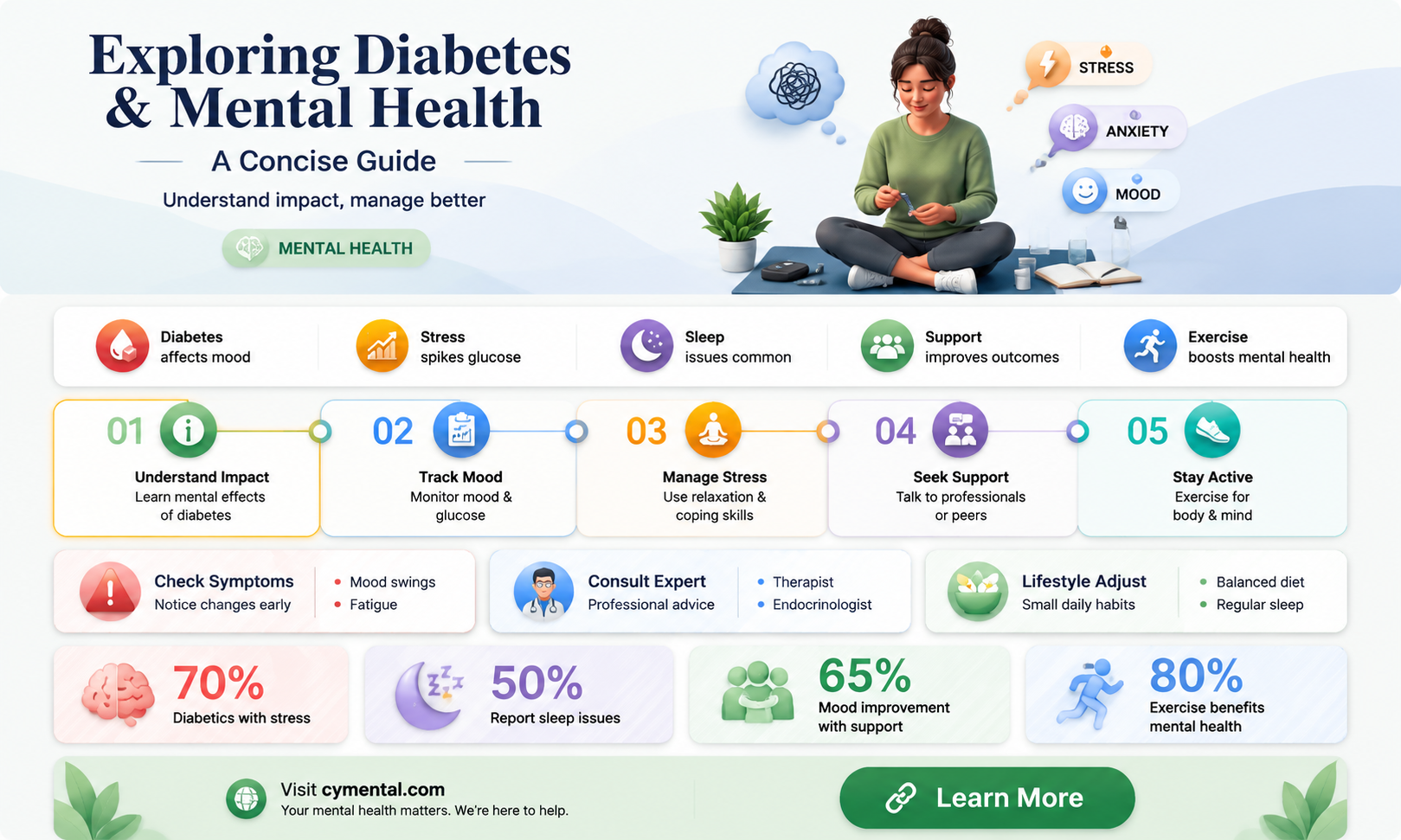
Diabetes is a chronic condition that affects millions of people worldwide, and its impact extends beyond physical health. Research has shown that diabetes can have significant effects on mental health and well-being. The condition can lead to a range of psychological challenges, including depression, anxiety, and cognitive impairment. These mental health effects can be attributed to various factors, such as the stress of managing the condition, the potential for complications, and the impact of high blood sugar levels on brain function. It is essential for individuals with diabetes to be aware of these potential mental health effects and to seek support if needed. By addressing both the physical and mental aspects of diabetes, individuals can better manage their condition and improve their overall quality of life.
| Characteristics | Values |
|---|---|
| Definition | Diabetes is a chronic condition characterized by high blood sugar levels. It can have various mental health implications. |
| Types | There are primarily two types: Type 1 and Type 2 diabetes. Both types can affect mental health differently. |
| Symptoms | Common symptoms include frequent urination, increased thirst, extreme fatigue, and slow healing of cuts and bruises. Mental symptoms can include anxiety, depression, and mood swings. |
| Causes | Type 1 diabetes is typically caused by an autoimmune reaction where the body attacks insulin-producing cells. Type 2 diabetes is often caused by lifestyle factors and genetics. Both types can lead to mental health issues due to the stress of managing the condition. |
| Diagnosis | Diagnosis is typically made through blood tests measuring blood sugar levels. Mental health assessments may also be conducted to evaluate the psychological impact. |
| Treatment | Treatment includes medication, lifestyle changes, and monitoring blood sugar levels. Mental health support, such as therapy and counseling, may also be necessary. |
| Complications | Physical complications can include heart disease, kidney damage, and nerve damage. Mental complications can include increased risk of depression, anxiety, and cognitive impairment. |
| Prevention | Preventive measures for Type 2 diabetes include maintaining a healthy weight, eating a balanced diet, and exercising regularly. Mental health can be supported through stress management techniques and seeking professional help when needed. |
| Impact on Daily Life | Diabetes can significantly impact daily life, requiring constant monitoring and management. This can lead to stress and anxiety, affecting mental well-being. |
| Support Resources | Various resources are available, including diabetes support groups, mental health professionals, and educational materials to help manage both the physical and mental aspects of diabetes. |
Explore related products


What You'll Learn
- Diabetes and Depression: Exploring the link between diabetes and increased risk of depression
- Anxiety Disorders: Discussing how diabetes can contribute to anxiety and stress disorders
- Cognitive Impairment: Investigating potential effects of diabetes on memory and cognitive function
- Emotional Well-being: Addressing the impact of diabetes on overall emotional health and quality of life
- Psychological Support: Highlighting the importance of mental health support for individuals with diabetes

Diabetes and Depression: Exploring the link between diabetes and increased risk of depression
Diabetes and depression are two conditions that, while distinct, share a complex and bidirectional relationship. Research has consistently shown that individuals with diabetes are at a higher risk of developing depression compared to those without the condition. This increased risk can be attributed to several factors, including the psychological impact of managing a chronic illness, the potential for complications such as neuropathy or retinopathy, and the hormonal imbalances that can occur with diabetes.
One unique angle to explore in this context is the role of inflammation in both diabetes and depression. Chronic inflammation is a known contributor to the development of type 2 diabetes, and recent studies have also implicated it in the pathophysiology of depression. This suggests that there may be common underlying mechanisms that link the two conditions, and that targeting inflammation could be a potential therapeutic strategy for managing both diabetes and depression.
Another important aspect to consider is the impact of diabetes on cognitive function. While depression is often characterized by feelings of sadness and hopelessness, it can also affect cognitive abilities such as memory, concentration, and decision-making. Individuals with diabetes may experience similar cognitive impairments, which can be exacerbated by poor blood sugar control or the presence of complications. Understanding the interplay between diabetes and cognitive function is crucial for developing effective treatment strategies that address both the physical and mental health needs of individuals with diabetes.
In terms of practical tips, it is essential for individuals with diabetes to be aware of the potential for depression and to seek help if they experience symptoms. Regular screening for depression by healthcare providers can also help to identify and address the condition early on. Additionally, lifestyle interventions such as exercise, healthy eating, and stress management can play a role in reducing the risk of depression in individuals with diabetes. By taking a holistic approach that addresses both the physical and mental aspects of diabetes, individuals can better manage their condition and improve their overall quality of life.
Exploring the Link: How Infections Can Impact Mental Health
You may want to see also
Explore related products


Anxiety Disorders: Discussing how diabetes can contribute to anxiety and stress disorders
Diabetes, a chronic condition characterized by high blood sugar levels, can have far-reaching effects on an individual's mental health. One of the most significant psychological impacts of diabetes is its contribution to anxiety and stress disorders. The constant monitoring of blood sugar levels, the need for regular medication or insulin injections, and the fear of complications can create a sense of unease and worry that may escalate into full-blown anxiety disorders.
Research has shown that individuals with diabetes are more likely to experience anxiety than those without the condition. In fact, a study published in the Journal of Affective Disorders found that the prevalence of anxiety disorders in people with diabetes is as high as 20%. This increased risk of anxiety can be attributed to several factors, including the physical symptoms of diabetes, the emotional toll of managing the condition, and the potential for diabetes-related complications.
The physical symptoms of diabetes, such as fatigue, thirst, and frequent urination, can contribute to feelings of anxiety and stress. Additionally, the emotional burden of managing diabetes can be overwhelming, leading to feelings of frustration, helplessness, and fear. The constant need to monitor blood sugar levels, adhere to a strict diet, and take medication can create a sense of being trapped and out of control, which can exacerbate anxiety symptoms.
Furthermore, the fear of diabetes-related complications, such as heart disease, kidney failure, and nerve damage, can be a significant source of anxiety for individuals with diabetes. This fear can lead to avoidance behaviors, such as not seeking medical care or not engaging in activities that may trigger anxiety, which can further impact an individual's quality of life.
It is essential for healthcare providers to recognize the link between diabetes and anxiety disorders and to address the mental health needs of their patients. Screening for anxiety symptoms, providing education and support, and referring patients to mental health professionals when necessary can help to mitigate the negative impact of diabetes on mental health. By taking a holistic approach to diabetes management, healthcare providers can help their patients to better cope with the challenges of living with this chronic condition.
Unseen Scars: The Profound Impact of Mental Abuse on Individuals
You may want to see also
Explore related products


$21.2 $33.95


Cognitive Impairment: Investigating potential effects of diabetes on memory and cognitive function
Diabetes, a condition primarily associated with blood sugar regulation, has far-reaching implications beyond physical health. Recent research has delved into the potential cognitive effects of diabetes, particularly on memory and cognitive function. This investigation is crucial as it uncovers the multifaceted impact of diabetes on an individual's overall well-being.
Studies have shown that individuals with diabetes are at a higher risk of developing cognitive impairments. These impairments can manifest as difficulties in memory retention, reduced attention span, and slower cognitive processing speeds. The exact mechanisms behind these effects are still under investigation, but several theories propose that chronic hyperglycemia, insulin resistance, and inflammation may play significant roles in impairing cognitive function.
One of the key areas of research focuses on the hippocampus, a region of the brain vital for memory formation. High blood sugar levels have been shown to damage the hippocampal neurons, leading to memory deficits. Additionally, insulin resistance, a hallmark of type 2 diabetes, has been linked to reduced brain insulin signaling, which is essential for cognitive processes.
Moreover, the impact of diabetes on cognitive function is not limited to memory. Executive functions, such as decision-making, problem-solving, and planning, are also affected. This can significantly impact an individual's ability to manage their daily life, including medication adherence and dietary choices, which are critical for diabetes management.
Understanding these cognitive effects is essential for healthcare providers and patients alike. It underscores the importance of comprehensive diabetes care that goes beyond blood sugar control. Cognitive screening should be a routine part of diabetes management, and interventions aimed at preserving cognitive function should be considered. This could include lifestyle modifications, such as regular physical activity and a healthy diet, as well as potential pharmacological interventions.
In conclusion, the investigation into the cognitive effects of diabetes opens up new avenues for improving the quality of life for individuals with this condition. By recognizing and addressing these mental health implications, we can provide more holistic care that encompasses both the physical and cognitive well-being of patients.
The Impact of Cyberbullying on Mental Health: A Growing Concern
You may want to see also
Explore related products





Emotional Well-being: Addressing the impact of diabetes on overall emotional health and quality of life
Diabetes is often perceived as a physical condition, but its impact extends far beyond the body, affecting emotional well-being and quality of life. Research indicates that individuals with diabetes are at a higher risk of developing mental health issues such as depression, anxiety, and stress-related disorders. The chronic nature of diabetes, coupled with the constant need for monitoring and management, can lead to feelings of overwhelm and burnout.
One of the key challenges faced by those with diabetes is the stigma associated with the condition. Misconceptions and negative stereotypes can contribute to feelings of isolation and low self-esteem. Addressing these emotional aspects is crucial for overall well-being. Healthcare providers should be trained to recognize and address the psychological needs of diabetic patients, offering support and resources to help them cope with the emotional toll of their condition.
In addition to professional support, there are several strategies that individuals with diabetes can employ to maintain their emotional health. Regular physical activity, for example, has been shown to have a positive impact on mood and stress levels. Mindfulness practices, such as meditation and deep breathing exercises, can also help to reduce anxiety and improve overall emotional resilience. Furthermore, connecting with others who share similar experiences through support groups or online communities can provide a sense of belonging and reduce feelings of isolation.
It is also important for individuals with diabetes to prioritize self-care and stress management. This may involve setting realistic goals, learning to say no, and engaging in activities that bring joy and relaxation. By taking a proactive approach to emotional well-being, those with diabetes can better navigate the challenges of their condition and improve their overall quality of life.
In conclusion, the impact of diabetes on emotional health should not be underestimated. By addressing the psychological aspects of the condition and providing appropriate support and resources, healthcare providers and individuals with diabetes can work together to promote emotional well-being and enhance quality of life.
Exploring the Psychological Impact of Cannibalism on Mental Health
You may want to see also
Explore related products


$19.99 $19.99

$18.69 $23.39


Psychological Support: Highlighting the importance of mental health support for individuals with diabetes
Living with diabetes can be a challenging experience that extends beyond physical health. The constant monitoring of blood sugar levels, dietary restrictions, and potential complications can take a significant toll on an individual's mental well-being. It is crucial to recognize that psychological support is an essential component of diabetes management, as it can greatly improve a person's quality of life and overall health outcomes.
Research has shown that individuals with diabetes are at a higher risk of developing mental health issues such as depression, anxiety, and stress-related disorders. These conditions can be exacerbated by the daily demands of managing diabetes, leading to a vicious cycle of poor mental health and worsening diabetes control. Therefore, it is vital to address the psychological aspects of diabetes care and provide adequate support to those affected.
One effective way to provide psychological support is through counseling and therapy. A mental health professional can help individuals with diabetes develop coping strategies, address emotional challenges, and improve their overall mental resilience. Additionally, support groups can be a valuable resource, allowing people with diabetes to connect with others who share similar experiences and feelings. These groups can foster a sense of community and provide a platform for sharing advice, encouragement, and understanding.
Another important aspect of psychological support is education and awareness. Healthcare providers should be trained to recognize the signs of mental health issues in their diabetic patients and refer them to appropriate resources. Furthermore, public awareness campaigns can help reduce the stigma associated with mental health problems and encourage individuals with diabetes to seek help when needed.
In conclusion, psychological support is a critical component of diabetes care that should not be overlooked. By addressing the mental health needs of individuals with diabetes, we can improve their overall well-being and help them lead healthier, more fulfilling lives.
The Impact of Body Image on Mental Health: A Comprehensive Guide
You may want to see also
Frequently asked questions
Yes, diabetes can have a significant impact on mental health. The condition requires constant management and monitoring, which can lead to stress, anxiety, and depression. Additionally, fluctuations in blood sugar levels can cause mood swings and cognitive impairment.
People with diabetes are at a higher risk of developing depression, anxiety disorders, and stress-related conditions. They may also experience mood swings, irritability, and cognitive problems such as difficulty concentrating and memory loss.
Diabetes can damage blood vessels in the brain, leading to cognitive impairment and an increased risk of dementia. High blood sugar levels can also cause inflammation in the brain, which can contribute to mental health issues.
Managing diabetes effectively through diet, exercise, and medication can help reduce the risk of mental health issues. Additionally, seeking support from mental health professionals, joining support groups, and practicing stress-reduction techniques such as meditation and yoga can be beneficial.
Yes, there are many resources available to support the mental health of people with diabetes. These include online support groups, mental health hotlines, and diabetes-specific counseling services. Healthcare providers can also offer referrals to mental health professionals who specialize in working with people with diabetes.