Caleb Wright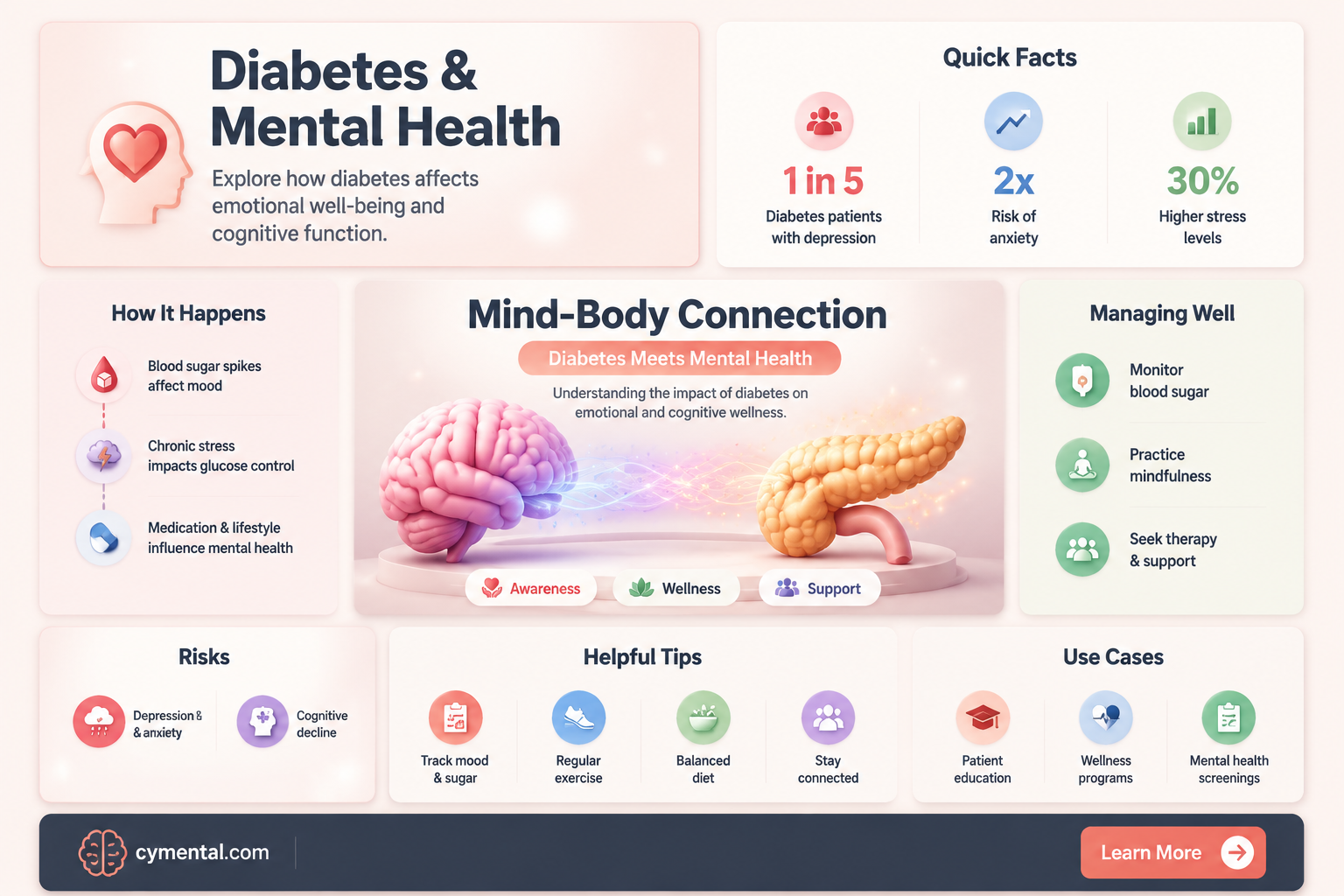
Diabetes is a chronic condition that affects millions of people worldwide, and its impact extends beyond physical health. Research has shown that diabetes can have a significant effect on mental health, leading to conditions such as depression, anxiety, and cognitive impairment. The link between diabetes and mental health is complex, involving factors such as blood sugar levels, insulin resistance, and the psychological stress of managing a chronic illness. Understanding this connection is crucial for healthcare providers and individuals with diabetes, as addressing mental health concerns can improve overall well-being and quality of life.
| Characteristics | Values |
|---|---|
| Definition | Diabetes can have a significant impact on mental health due to the chronic nature of the condition and its effect on the body's chemistry. |
| Prevalence | Studies suggest that individuals with diabetes are at a higher risk of developing mental health issues such as depression and anxiety. |
| Biological Link | Fluctuations in blood sugar levels can lead to mood swings, irritability, and other mental health symptoms. |
| Psychological Impact | Living with diabetes can cause stress, fear, and a sense of loss of control, contributing to mental health challenges. |
| Common Mental Health Issues | Depression, anxiety, stress, and eating disorders are more prevalent among individuals with diabetes. |
| Treatment Options | Medication, psychotherapy, and lifestyle changes can help manage mental health issues related to diabetes. |
| Importance of Monitoring | Regular monitoring of both blood sugar levels and mental health can lead to early intervention and better outcomes. |
| Support Systems | Support from healthcare providers, family, and friends is crucial for individuals with diabetes to maintain their mental well-being. |
| Lifestyle Modifications | Exercise, a balanced diet, and adequate sleep can positively impact both diabetes management and mental health. |
| Research Findings | Ongoing research is exploring the complex relationship between diabetes and mental health to develop more effective treatment strategies. |
Explore related products


What You'll Learn
- Diabetes and Depression: Exploring the link between diabetes and increased risk of depression
- Anxiety Disorders: How diabetes can contribute to the development of anxiety disorders
- Cognitive Impairment: The potential effects of diabetes on cognitive function and memory
- Eating Disorders: Discussing the relationship between diabetes management and eating disorders
- Psychological Stress: The impact of diabetes on mental health due to chronic stress and lifestyle changes

Diabetes and Depression: Exploring the link between diabetes and increased risk of depression
Diabetes and depression share a complex and bidirectional relationship, where each condition can exacerbate the other. Research indicates that individuals with diabetes are at a higher risk of developing depression compared to those without diabetes. This increased risk can be attributed to several factors, including the psychological impact of managing a chronic illness, the potential for complications such as neuropathy or retinopathy, and the lifestyle changes required to maintain blood sugar control.
The link between diabetes and depression is further complicated by the fact that depression can also contribute to the development or worsening of diabetes. Depression may lead to poor self-care behaviors, such as unhealthy eating habits, lack of physical activity, and non-adherence to medication regimens, all of which can negatively impact blood sugar levels and overall diabetes management.
Several studies have explored the prevalence of depression in individuals with diabetes. A meta-analysis published in the journal Diabetes Care found that the prevalence of depression in people with type 2 diabetes was significantly higher than in the general population. Another study published in the Journal of Affective Disorders reported that individuals with type 1 diabetes were more likely to experience depressive symptoms compared to their peers without diabetes.
Screening for depression in individuals with diabetes is crucial for early detection and intervention. Healthcare providers should routinely assess patients with diabetes for symptoms of depression using validated screening tools. Treatment for depression in the context of diabetes may involve a combination of pharmacotherapy, psychotherapy, and lifestyle interventions. Antidepressant medications can be effective in reducing depressive symptoms, while cognitive-behavioral therapy can help individuals develop coping strategies for managing both diabetes and depression.
In addition to professional treatment, there are several self-care strategies that individuals with diabetes can employ to support their mental health. These include maintaining a healthy diet, engaging in regular physical activity, practicing stress management techniques such as meditation or yoga, and seeking support from friends, family, or diabetes support groups. By addressing both the physical and emotional aspects of diabetes, individuals can improve their overall well-being and reduce the risk of developing or worsening depression.
Unveiling the Gut-Brain Connection: How Microbiome Impacts Mental Health
You may want to see also
Explore related products

$17.99 $17.99

$99 $109.99


Anxiety Disorders: How diabetes can contribute to the development of anxiety disorders
Diabetes, a chronic condition characterized by high blood sugar levels, can have far-reaching effects on both physical and mental health. One significant aspect of this interplay is the increased risk of developing anxiety disorders among individuals with diabetes. Research suggests that the constant stress of managing diabetes, coupled with the potential for complications, can contribute to heightened anxiety levels.
The relationship between diabetes and anxiety is complex and multifaceted. On one hand, the physiological changes associated with diabetes, such as fluctuations in blood sugar levels, can directly impact mood and emotional well-being. On the other hand, the psychological burden of living with a chronic illness can lead to feelings of uncertainty, fear, and helplessness, all of which are common symptoms of anxiety disorders.
Studies have shown that individuals with diabetes are more likely to experience generalized anxiety disorder, panic disorder, and social anxiety disorder compared to the general population. Furthermore, the presence of anxiety disorders can exacerbate diabetes management, leading to poor glycemic control and an increased risk of complications. This bidirectional relationship underscores the importance of addressing both physical and mental health aspects in the comprehensive care of individuals with diabetes.
Several mechanisms have been proposed to explain the link between diabetes and anxiety. One theory suggests that the chronic activation of the body's stress response system in diabetes may lead to changes in brain chemistry and function, contributing to the development of anxiety disorders. Additionally, the social and emotional challenges associated with diabetes, such as stigma, isolation, and the need for constant self-monitoring, can also play a role in fostering anxiety.
In conclusion, the connection between diabetes and anxiety disorders is a critical area of study with significant implications for clinical practice. By recognizing and addressing the mental health needs of individuals with diabetes, healthcare providers can improve overall outcomes and quality of life for this population.
Emotional Resilience: Mastering the Art of Unfazed Living
You may want to see also
Explore related products


Cognitive Impairment: The potential effects of diabetes on cognitive function and memory
Diabetes, a chronic condition characterized by high blood sugar levels, has far-reaching implications beyond physical health. Recent research has shed light on the potential effects of diabetes on cognitive function and memory, revealing a complex interplay between the two. This section delves into the mechanisms by which diabetes may impact mental health, specifically focusing on cognitive impairment.
One of the primary ways diabetes can affect cognitive function is through vascular damage. High blood sugar levels can lead to the narrowing of blood vessels in the brain, reducing blood flow and oxygen supply to brain cells. This can result in cognitive decline, particularly in older adults. Additionally, diabetes is associated with an increased risk of stroke, which can cause significant cognitive impairment depending on the area of the brain affected.
Another mechanism by which diabetes may impact cognitive function is through the accumulation of advanced glycation end-products (AGEs). AGEs are formed when proteins or fats in the body react with sugars, and they can accumulate in the brain, leading to oxidative stress and inflammation. This can impair neuronal function and contribute to cognitive decline. Furthermore, diabetes can lead to insulin resistance, which has been linked to impaired memory and cognitive function.
It is also important to consider the psychological impact of diabetes on mental health. The stress of managing a chronic condition, coupled with the fear of complications, can lead to anxiety and depression, which can further exacerbate cognitive impairment. Moreover, diabetes can affect sleep quality, which is crucial for memory consolidation and cognitive function.
In conclusion, diabetes can have a significant impact on cognitive function and memory through various mechanisms, including vascular damage, the accumulation of AGEs, insulin resistance, and psychological factors. It is essential for individuals with diabetes to be aware of these potential effects and to work with their healthcare providers to manage their condition effectively and mitigate the risk of cognitive impairment.
The Surprising Link Between Dental Health and Mental Well-being
You may want to see also
Explore related products


$9.99 $14.99


Eating Disorders: Discussing the relationship between diabetes management and eating disorders
Individuals with diabetes are at a heightened risk of developing eating disorders, which can significantly impact their mental health and diabetes management. The constant focus on food intake, blood sugar levels, and weight management associated with diabetes care can lead to an unhealthy preoccupation with food and body image. This preoccupation can manifest as disordered eating behaviors, such as restrictive eating, binge eating, or purging.
The relationship between diabetes management and eating disorders is complex and bidirectional. On one hand, the strict dietary requirements and monitoring of blood sugar levels in diabetes management can contribute to the development of eating disorders. On the other hand, eating disorders can worsen diabetes management by leading to erratic blood sugar levels, poor medication adherence, and inadequate nutrition.
Research has shown that individuals with type 1 diabetes are particularly vulnerable to developing eating disorders, with rates of disordered eating behaviors ranging from 10% to 40%. The risk is even higher for those with type 2 diabetes, with up to 50% of individuals experiencing disordered eating behaviors. These high rates highlight the importance of addressing eating disorders in the context of diabetes care.
Healthcare providers should be vigilant in screening for eating disorders in individuals with diabetes, particularly in those who exhibit signs of poor diabetes management or who express concerns about their weight or body image. Treatment for eating disorders in individuals with diabetes should be tailored to address both the eating disorder and the diabetes management simultaneously. This may involve a multidisciplinary approach, including a dietitian, therapist, and endocrinologist, to develop a comprehensive treatment plan that addresses the unique needs of the individual.
In addition to professional treatment, there are several strategies that individuals with diabetes can employ to maintain a healthy relationship with food and their body. These include practicing mindful eating, focusing on nutrient-dense foods rather than calorie counting, and engaging in regular physical activity for overall health and well-being rather than solely for weight management. By addressing the complex relationship between diabetes management and eating disorders, individuals with diabetes can improve their mental health and overall quality of life.
Unraveling the Impact: Trauma's Profound Influence on Mental Health
You may want to see also
Explore related products


$37.24

$18.69 $23.39


Psychological Stress: The impact of diabetes on mental health due to chronic stress and lifestyle changes
Chronic stress is a pervasive issue that can significantly impact mental health, and for individuals with diabetes, this stress can be compounded by the demands of managing their condition. The constant need to monitor blood sugar levels, adhere to dietary restrictions, and maintain a regular medication schedule can create a sense of overwhelming responsibility and anxiety. Over time, this chronic stress can lead to a range of mental health issues, including depression, anxiety disorders, and burnout.
One of the key factors contributing to psychological stress in diabetes management is the need for continuous lifestyle changes. Individuals with diabetes must often make significant adjustments to their diet, exercise routine, and daily habits, which can be challenging and disruptive. These changes can lead to feelings of loss and grief, as well as a sense of being overwhelmed by the demands of managing the condition. Additionally, the fear of complications and the uncertainty of the future can contribute to heightened anxiety and stress levels.
The impact of diabetes on mental health can also be seen in the increased risk of cognitive decline and dementia. Research has shown that individuals with diabetes are more likely to experience cognitive impairment and dementia, particularly if their condition is poorly managed. This can be attributed to the effects of chronic hyperglycemia on the brain, as well as the increased risk of cardiovascular disease and stroke, which can also contribute to cognitive decline.
To mitigate the psychological impact of diabetes, it is essential for individuals to develop effective coping strategies and seek support when needed. This may include engaging in stress-reducing activities such as meditation, yoga, or deep breathing exercises, as well as seeking professional counseling or therapy. Additionally, building a strong support network of family, friends, and healthcare providers can help individuals feel more connected and less isolated in their diabetes management journey.
In conclusion, the psychological stress associated with diabetes management can have a significant impact on mental health, leading to a range of issues including depression, anxiety, and cognitive decline. By developing effective coping strategies and seeking support, individuals with diabetes can better manage the psychological challenges of their condition and improve their overall well-being.
Exploring the Impact of Coronavirus on Mental Health
You may want to see also
Frequently asked questions
Yes, diabetes can significantly impact mental health. The chronic nature of the condition, coupled with the need for constant management, can lead to stress, anxiety, and depression. Additionally, fluctuations in blood sugar levels can cause mood swings and cognitive difficulties.
Common mental health issues associated with diabetes include depression, anxiety disorders, stress, and cognitive impairment. These conditions can arise due to the psychological burden of managing diabetes, as well as the physiological effects of the disease on the brain.
Diabetes management requires constant monitoring of blood sugar levels, dietary restrictions, and medication adherence, which can be overwhelming and stressful. This ongoing responsibility can lead to feelings of frustration, guilt, and anxiety, contributing to mental health challenges.
Yes, there are several strategies to mitigate the mental health effects of diabetes. These include seeking support from healthcare professionals, engaging in regular physical activity, practicing stress management techniques such as meditation and deep breathing, maintaining a balanced diet, and connecting with others who have diabetes.
Absolutely, it is crucial for individuals with diabetes to seek professional help for mental health issues. Mental health professionals can provide support, therapy, and medication if needed to help manage conditions such as depression and anxiety. Addressing mental health concerns is an essential part of overall diabetes care.