Caleb Wright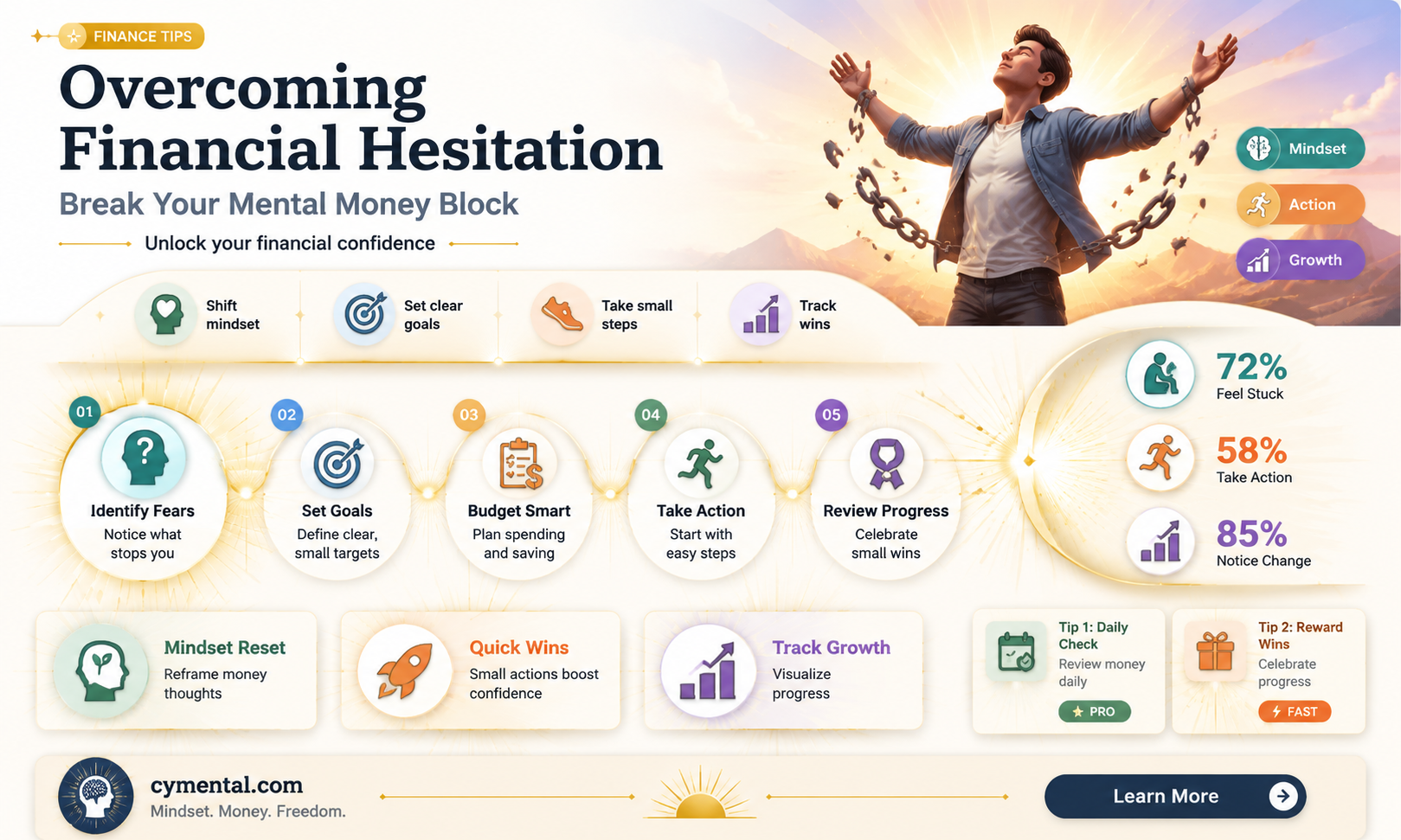
Overcoming a mental block to spend money can be a challenging task for many individuals. This psychological barrier often stems from deep-seated beliefs about financial security, past experiences with money, or societal conditioning. To break through this mental block, it's essential to first identify the underlying causes and then develop strategies to address them. This might involve reframing one's mindset around money, setting realistic financial goals, and gradually exposing oneself to spending in a controlled and mindful manner. Additionally, seeking support from financial advisors or mental health professionals can provide valuable guidance and accountability in the journey towards financial freedom.
Explore related products


What You'll Learn

Understanding the root cause of the mental block
To understand the root cause of a mental block related to spending money, it's essential to delve into the psychological and emotional factors at play. Often, these blocks stem from deep-seated fears and anxieties about financial security, loss of control, or past traumatic experiences with money. For instance, someone who has experienced financial hardship in the past may develop a mental block against spending to avoid the risk of falling into debt again. Identifying these underlying fears is the first step in overcoming the mental block.
One effective approach to uncovering the root cause is through self-reflection and journaling. By documenting spending habits, emotions, and thoughts associated with money, individuals can begin to recognize patterns and triggers that contribute to their mental block. This process can be illuminating, as it often reveals subconscious beliefs and fears that influence financial decisions. For example, a person might discover that they associate spending with guilt or that they feel a sense of inadequacy when they cannot afford certain items.
Another strategy is to seek professional help, such as therapy or counseling, to explore the psychological aspects of the mental block. A therapist can provide a safe and supportive environment for individuals to confront their fears and work through past traumas. Cognitive-behavioral therapy (CBT) is particularly effective in addressing mental blocks related to spending, as it helps individuals identify and challenge negative thought patterns and replace them with more constructive ones.
In addition to self-reflection and professional help, it can be beneficial to educate oneself about financial management and budgeting. By gaining a better understanding of how to handle finances responsibly, individuals can reduce their anxiety about spending and feel more in control of their financial decisions. This might involve learning about different budgeting techniques, such as the 50/30/20 rule, or exploring investment options to grow savings over time.
Ultimately, overcoming a mental block related to spending money requires a multifaceted approach that addresses both the psychological and practical aspects of financial management. By understanding the root cause of the block, individuals can take targeted steps to overcome their fears and develop healthier spending habits.
Breaking Free: A Guide to Overcoming Life's Challenges
You may want to see also
Explore related products


Identifying and challenging negative thought patterns
To effectively identify and challenge negative thought patterns related to spending money, it's crucial to first recognize the common cognitive distortions that may be influencing your financial decisions. These distortions can include all-or-nothing thinking, where you believe that a purchase is either entirely good or entirely bad; catastrophizing, where you imagine the worst-case scenario resulting from a financial decision; and should statements, where you impose rigid rules on yourself about what you should or shouldn't buy. By becoming aware of these thought patterns, you can begin to question their validity and replace them with more balanced and realistic perspectives.
One practical approach to challenging negative thought patterns is to engage in cognitive restructuring. This involves actively identifying and disputing irrational thoughts, and replacing them with more rational and adaptive ones. For example, if you find yourself thinking, "I can't afford this," you might challenge this thought by asking yourself, "Is this really true? Have I considered all of my financial options?" You could then replace the negative thought with a more empowering one, such as, "I can find a way to make this work within my budget."
Another effective strategy is to practice mindfulness and meditation. These techniques can help you become more aware of your thoughts and emotions, and learn to observe them without judgment. By cultivating a greater sense of self-awareness, you can more easily recognize when you're falling into negative thought patterns, and take steps to shift your mindset.
It's also important to consider the role of external influences on your financial decision-making. For instance, societal pressure to conform to certain spending habits, or the influence of advertising and marketing, can contribute to negative thought patterns around money. By becoming more conscious of these external factors, you can learn to resist their impact and make more intentional financial choices.
Finally, seeking support from a therapist or financial advisor can be invaluable in identifying and challenging negative thought patterns. A professional can provide you with personalized guidance and support, helping you to develop healthier financial habits and a more positive relationship with money. Remember, overcoming mental blocks around spending money is a process that takes time and effort, but with the right tools and strategies, it is possible to achieve a more balanced and empowered financial mindset.
Breaking Free: A Guide to Escaping Mental Abuse
You may want to see also
Explore related products


Building a budget and financial plan
Creating a budget and financial plan is a crucial step in overcoming the mental block to spend money. It involves a detailed assessment of your income, expenses, and financial goals. Start by listing all your monthly expenses, including fixed costs like rent and utilities, and variable costs like groceries and entertainment. Next, categorize your expenses into needs and wants, and prioritize them accordingly.
Once you have a clear understanding of your expenses, it's time to allocate your income. Assign a specific amount to each expense category, ensuring that you're not overspending in any area. Consider using the 50/30/20 rule, where 50% of your income goes towards needs, 30% towards wants, and 20% towards savings and debt repayment. Adjust this ratio based on your individual circumstances and financial goals.
In addition to budgeting, creating a financial plan is essential for long-term financial stability. This plan should include your short-term and long-term financial goals, such as saving for a down payment on a house or retiring by a certain age. Break down these goals into smaller, achievable milestones, and create a timeline for reaching them. Regularly review and adjust your financial plan as your circumstances change.
To stay on track with your budget and financial plan, consider using financial tools and resources. There are many budgeting apps and software programs available that can help you track your expenses, create a budget, and monitor your progress towards your financial goals. Additionally, consider seeking the advice of a financial advisor or planner who can provide personalized guidance and support.
Remember, building a budget and financial plan is not a one-time task. It requires ongoing effort and commitment to maintain and adjust as needed. By taking control of your finances and creating a clear plan for the future, you can overcome the mental block to spend money and achieve financial peace of mind.
Unlocking Your Potential: A Guide to Continuous Improvement
You may want to see also
Explore related products


Practicing mindful spending and self-care
One effective strategy to overcome a mental block to spending money is to integrate mindful spending practices into your self-care routine. This approach involves cultivating a heightened awareness of your financial decisions and their impact on your well-being. Start by setting aside a specific time each week for a financial check-in, where you review your expenses, assess your budget, and plan for future expenditures. This dedicated time allows you to focus on your financial health without the pressure of immediate decisions.
During your financial check-in, practice mindfulness by paying attention to your thoughts and emotions surrounding money. Notice any areas of tension or anxiety, and acknowledge them without judgment. This awareness can help you identify underlying beliefs or fears that may be contributing to your mental block. For example, you might realize that you're hesitant to spend money on self-care activities because you feel guilty about prioritizing your own needs. By recognizing this pattern, you can begin to challenge and reframe these limiting beliefs.
Another key aspect of mindful spending is to align your financial decisions with your values and priorities. Take some time to reflect on what truly matters to you, and then evaluate your spending habits to ensure they're in harmony with these values. For instance, if you value experiences over material possessions, consider reallocating your budget to prioritize activities that bring you joy and fulfillment. This alignment can help you feel more at ease with your spending decisions, as they're rooted in a deeper sense of purpose.
In addition to these mindfulness practices, it's essential to incorporate self-care activities that nourish your mind, body, and spirit. This could include anything from meditation and yoga to creative pursuits and social connections. By investing in your own well-being, you're more likely to feel deserving of financial abundance and less likely to experience guilt or anxiety around spending money. Remember, self-care is not a luxury; it's a necessity for maintaining your overall health and happiness.
Finally, be patient and compassionate with yourself as you work through your mental block. Changing ingrained habits and beliefs takes time, and it's normal to experience setbacks along the way. Instead of beating yourself up over mistakes, use them as opportunities to learn and grow. Celebrate small victories, and acknowledge the progress you're making, no matter how incremental. With consistent practice and self-compassion, you can gradually overcome your mental block to spending money and cultivate a healthier, more balanced relationship with your finances.
Breaking Free: Escaping Mental Abuse and Reclaiming Your Life
You may want to see also
Explore related products

$11.99 $8.99


Seeking support from friends, family, or professionals
Sometimes, overcoming a mental block to spend money requires more than just personal reflection and planning. Seeking support from friends, family, or professionals can provide the necessary encouragement and guidance to make significant financial decisions. This approach can be particularly helpful for individuals who struggle with anxiety or indecision when it comes to money.
One effective strategy is to identify a trusted friend or family member who has a good understanding of financial matters. This person can offer valuable insights and help you work through your concerns in a supportive environment. It's important to choose someone who is knowledgeable and has your best interests at heart.
If you prefer a more formal approach, consider seeking the advice of a financial professional, such as a financial advisor or therapist. These experts can provide personalized guidance tailored to your specific situation and help you develop a plan to overcome your mental block. They can also offer strategies for managing anxiety and building confidence in your financial decisions.
In addition to one-on-one support, group therapy or support groups can be a valuable resource. Sharing your experiences with others who face similar challenges can help you feel less isolated and provide a sense of community. Group settings also allow you to learn from the experiences of others and gain new perspectives on your own situation.
When seeking support, it's important to be open and honest about your feelings and concerns. This can help ensure that you receive the most effective guidance and support. Remember, overcoming a mental block to spend money is a process, and it may take time to work through your emotions and develop new habits. With the right support, however, you can take steps towards a more confident and secure financial future.
Empowering Love: Marriage Rights for Mentally Disabled Individuals
You may want to see also
Frequently asked questions
A mental block to spend money is a psychological barrier that prevents individuals from making purchases or investments, even when they have the financial means. It can stem from various factors such as fear of loss, guilt, or anxiety about spending.
You may have a mental block to spend money if you frequently experience anxiety or guilt when making purchases, avoid spending even when necessary, or feel an excessive need to save every penny. Reflecting on your spending habits and emotions around money can help you recognize if this is an issue for you.
Common causes of a mental block to spend money include past financial trauma, fear of financial loss, guilt associated with spending, perfectionism, and anxiety about making the 'right' financial decisions. Understanding the root cause of your mental block can be crucial in overcoming it.
Overcoming a mental block to spend money often involves addressing the underlying psychological issues. This can include practicing mindfulness and self-compassion, reframing negative thoughts about spending, setting realistic financial goals, and gradually exposing yourself to spending in a controlled manner. Seeking support from a therapist or financial counselor can also be beneficial.