Caleb Wright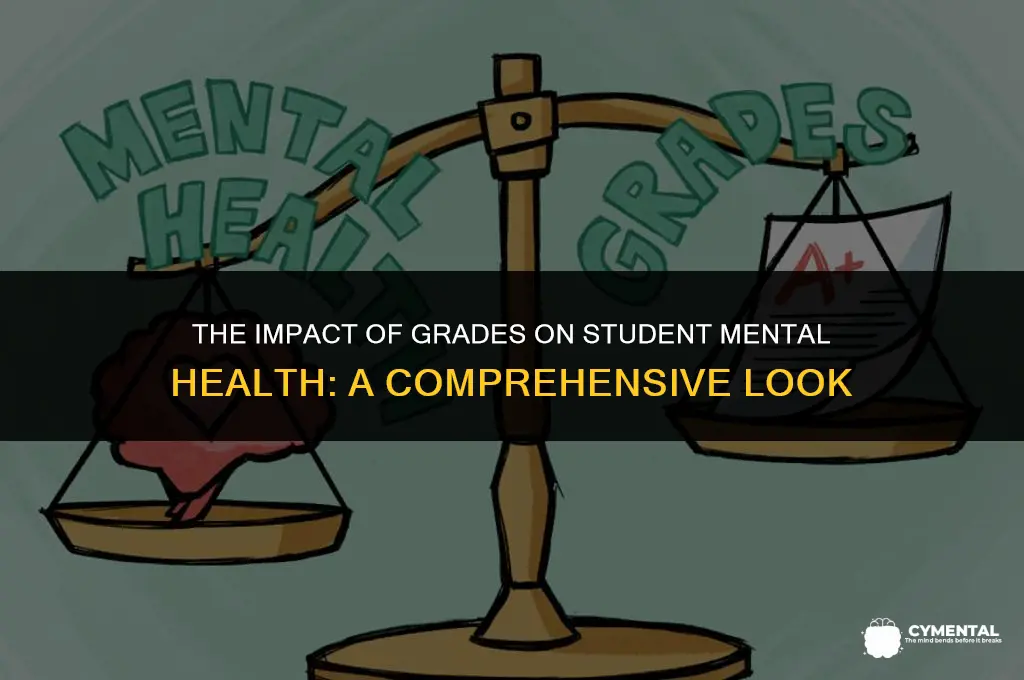
Grades can significantly impact a student's mental health, often leading to stress, anxiety, and self-esteem issues. The pressure to achieve high academic performance can be overwhelming, causing students to feel inadequate or burnt out. This stress can manifest in various ways, including sleep disturbances, changes in appetite, and social withdrawal. Furthermore, the constant comparison to peers and the fear of disappointing parents or teachers can exacerbate these feelings. It is crucial to recognize the signs of mental health struggles related to academic performance and to provide support and resources to help students cope with these pressures.
Explore related products


What You'll Learn
- Academic Pressure: High expectations and workload can lead to stress, anxiety, and burnout among students
- Self-Esteem Impact: Grades can significantly influence a student's self-worth and confidence, affecting their mental well-being
- Social Comparison: Comparing grades with peers can result in feelings of inadequacy, jealousy, or depression
- Parental Influence: Parents' reactions to grades can add pressure, causing students to feel stressed or disappointed
- Coping Mechanisms: Developing healthy strategies to deal with grade-related stress is crucial for maintaining mental health

Academic Pressure: High expectations and workload can lead to stress, anxiety, and burnout among students
The relentless pursuit of academic excellence can often come at a steep price, particularly for students who find themselves buckling under the weight of high expectations and an overwhelming workload. This phenomenon, known as academic pressure, has been linked to a range of negative mental health outcomes, including stress, anxiety, and burnout.
One of the primary drivers of academic pressure is the pervasive culture of perfectionism that exists in many educational institutions. Students are often led to believe that anything less than top grades is unacceptable, leading to a constant sense of inadequacy and fear of failure. This pressure to perform can be exacerbated by parental expectations, peer competition, and the ever-present specter of college admissions.
The consequences of academic pressure can be severe and long-lasting. Chronic stress can lead to physical health problems, such as headaches, stomachaches, and sleep disturbances. Anxiety can manifest as excessive worry, restlessness, and difficulty concentrating. Burnout, a state of emotional, mental, and physical exhaustion, can result in a complete loss of motivation and a sense of hopelessness.
To mitigate the effects of academic pressure, students can adopt a number of strategies. Time management techniques, such as prioritizing tasks and setting realistic goals, can help to reduce feelings of overwhelm. Practicing self-care, through activities like exercise, meditation, and spending time with friends and family, can also help to alleviate stress and anxiety. Additionally, seeking support from school counselors, teachers, or mental health professionals can provide students with the tools and resources they need to cope with academic pressure.
Ultimately, it is essential for educational institutions to recognize the impact of academic pressure on student mental health and take steps to create a more supportive and nurturing learning environment. This may involve reevaluating grading policies, providing resources for stress management and mental health support, and fostering a culture that values well-being and personal growth over academic achievement.
Exploring the Link: Hormones in Food and Mental Health Impact
You may want to see also
Explore related products


Self-Esteem Impact: Grades can significantly influence a student's self-worth and confidence, affecting their mental well-being
Grades can have a profound impact on a student's self-esteem and confidence, which are critical components of mental well-being. Research indicates that students who consistently receive high grades tend to develop a stronger sense of self-worth and are more likely to approach challenges with confidence. Conversely, students who struggle academically and receive low grades may experience a decline in self-esteem, leading to increased anxiety, depression, and a lack of motivation.
One of the key mechanisms through which grades affect self-esteem is the reinforcement of self-perception. When students receive positive feedback in the form of high grades, it reinforces their belief in their own abilities and competence. This positive reinforcement can create a virtuous cycle, where students with high self-esteem are more likely to engage in productive study habits, seek help when needed, and persist in the face of academic challenges.
On the other hand, low grades can lead to a negative self-perception, causing students to doubt their abilities and feel inadequate. This can result in a downward spiral, where students with low self-esteem may become disengaged from their studies, avoid seeking help, and give up easily when faced with difficulties. Furthermore, the pressure to achieve high grades can also contribute to stress and anxiety, particularly for students who feel that their self-worth is solely dependent on their academic performance.
It is important for educators and parents to recognize the potential impact of grades on students' mental health and take steps to mitigate any negative effects. This can include providing constructive feedback that focuses on effort and improvement rather than just grades, encouraging students to develop a growth mindset, and offering support and resources to help students cope with academic stress. By fostering a positive and supportive learning environment, we can help students develop a healthy sense of self-esteem that is not solely dependent on their grades.
Exploring the Connection: Flu's Impact on Mental Health Revealed
You may want to see also
Explore related products


Social Comparison: Comparing grades with peers can result in feelings of inadequacy, jealousy, or depression
Comparing grades with peers is a common practice among students, but it can have detrimental effects on mental health. Research has shown that social comparison can lead to feelings of inadequacy, jealousy, and depression, particularly when students perceive their peers as performing better academically. This can result in a negative self-image and a decreased sense of self-worth, which can further exacerbate mental health issues.
One of the main reasons why social comparison can be so damaging is that it often leads to unrealistic expectations. Students may compare their own grades to those of their peers without taking into account the individual circumstances and abilities of each person. This can create a distorted view of what is considered "normal" or "successful," leading to feelings of failure and disappointment.
Furthermore, social comparison can also foster a competitive environment among students, which can contribute to increased stress and anxiety levels. When students feel pressured to perform better than their peers, they may resort to unhealthy coping mechanisms, such as excessive studying or cheating, which can ultimately harm their mental and emotional well-being.
To mitigate the negative effects of social comparison, it is important for students to focus on their own personal growth and development rather than comparing themselves to others. This can be achieved by setting realistic goals, celebrating individual achievements, and seeking support from teachers, counselors, or peers when needed. Additionally, fostering a collaborative learning environment that emphasizes teamwork and mutual support can help to reduce the competitive pressures that often lead to social comparison.
In conclusion, while comparing grades with peers may seem like a harmless activity, it can have significant consequences for mental health. By recognizing the potential risks and taking steps to promote a more positive and supportive academic environment, students can work towards developing a healthier relationship with grades and social comparison.
Recognizing the Warning Signs: Stress and Its Impact on Mental Health
You may want to see also
Explore related products


Parental Influence: Parents' reactions to grades can add pressure, causing students to feel stressed or disappointed
Parents' reactions to their children's grades can significantly impact students' mental health. When parents place a high emphasis on academic achievement, it can lead to increased pressure on students, causing them to feel stressed, anxious, or disappointed. This pressure can be particularly intense when parents react negatively to grades that they perceive as subpar, leading students to feel that they have failed to meet their parents' expectations.
Research has shown that when parents are overly critical or punitive about grades, it can lead to a decrease in students' self-esteem and motivation. Students may begin to feel that they are not good enough or that their efforts are not appreciated, which can have long-term effects on their mental health and well-being. In extreme cases, this pressure can even lead to depression, anxiety disorders, or other mental health issues.
On the other hand, when parents react positively to their children's grades, it can have a beneficial effect on students' mental health. Praise and encouragement from parents can help to boost students' self-esteem and motivation, leading to a more positive attitude towards learning and school. However, it is important for parents to strike a balance between praise and criticism, as excessive praise can also lead to unrealistic expectations and pressure to maintain high grades.
To mitigate the negative effects of parental pressure, it is important for parents to communicate with their children in a supportive and non-judgmental manner. Parents should focus on praising their children's efforts and progress, rather than just their grades, and should avoid making comparisons to other students. Additionally, parents should be aware of the signs of stress and anxiety in their children and should seek professional help if necessary.
In conclusion, parental influence can have a significant impact on students' mental health, particularly when it comes to reactions to grades. By being aware of the potential negative effects of parental pressure and by communicating with their children in a supportive and balanced manner, parents can help to promote a healthy attitude towards learning and school, and can support their children's mental health and well-being.
Unseen Scars: The Mental Impact of Physical Abuse
You may want to see also
Explore related products


$6.79 $14.99


Coping Mechanisms: Developing healthy strategies to deal with grade-related stress is crucial for maintaining mental health
Developing healthy coping mechanisms is essential for students to manage grade-related stress effectively. One practical strategy is to encourage students to reframe their mindset towards grades. Instead of viewing grades as a measure of self-worth, students should see them as feedback on their learning process. This shift in perspective can help reduce the emotional impact of grades and promote a growth mindset.
Another effective coping mechanism is to teach students time management and organizational skills. By learning to prioritize tasks, set realistic goals, and allocate sufficient time for studying and relaxation, students can reduce feelings of overwhelm and anxiety related to grades. Implementing a structured study schedule and using tools like planners or digital apps can further enhance these skills.
Physical activity and mindfulness practices are also valuable coping strategies. Regular exercise can help alleviate stress and improve mood, while mindfulness techniques such as meditation and deep breathing can provide students with a sense of calm and focus. Encouraging students to engage in activities they enjoy and spend time with supportive peers can further boost their mental well-being.
Educators and parents play a crucial role in supporting students' mental health. By fostering a positive and supportive learning environment, providing constructive feedback, and being understanding of students' struggles, adults can help mitigate the negative effects of grade-related stress. Open communication and a willingness to listen to students' concerns are key components of this support system.
In conclusion, developing healthy coping mechanisms is vital for students to maintain their mental health in the face of grade-related stress. By adopting a growth mindset, improving time management skills, engaging in physical activity and mindfulness practices, and receiving support from educators and parents, students can effectively manage stress and promote their overall well-being.
Exploring the Link: COVID Vaccines and Mental Health Effects
You may want to see also
Frequently asked questions
Yes, grades can have a substantial impact on a student's mental health. High academic expectations and the pressure to achieve good grades can lead to stress, anxiety, and in some cases, depression. Conversely, consistently low grades can also contribute to feelings of inadequacy and low self-esteem.
Signs that a student's mental health might be affected by their grades include increased stress levels, changes in appetite or sleep patterns, withdrawal from social activities, decreased motivation, and feelings of hopelessness or helplessness. It's important to recognize these signs early to provide appropriate support.
Educators can help students manage the mental health impacts of grading by promoting a growth mindset, emphasizing effort and progress over grades, providing resources for stress management and mental health support, and fostering a supportive and inclusive classroom environment. Encouraging open communication about academic pressures can also be beneficial.
Yes, students can use several strategies to cope with the stress of grades. These include setting realistic goals, breaking tasks into manageable steps, practicing time management, engaging in regular physical activity, seeking support from friends, family, or mental health professionals, and developing healthy coping mechanisms such as meditation or journaling.
The long-term effects of grade-related stress on mental health can be significant. Chronic stress can lead to anxiety disorders, depression, and other mental health issues. It can also impact physical health, leading to problems such as cardiovascular disease and a weakened immune system. Addressing grade-related stress early and providing ongoing support is crucial to mitigating these long-term effects.