Caleb Wright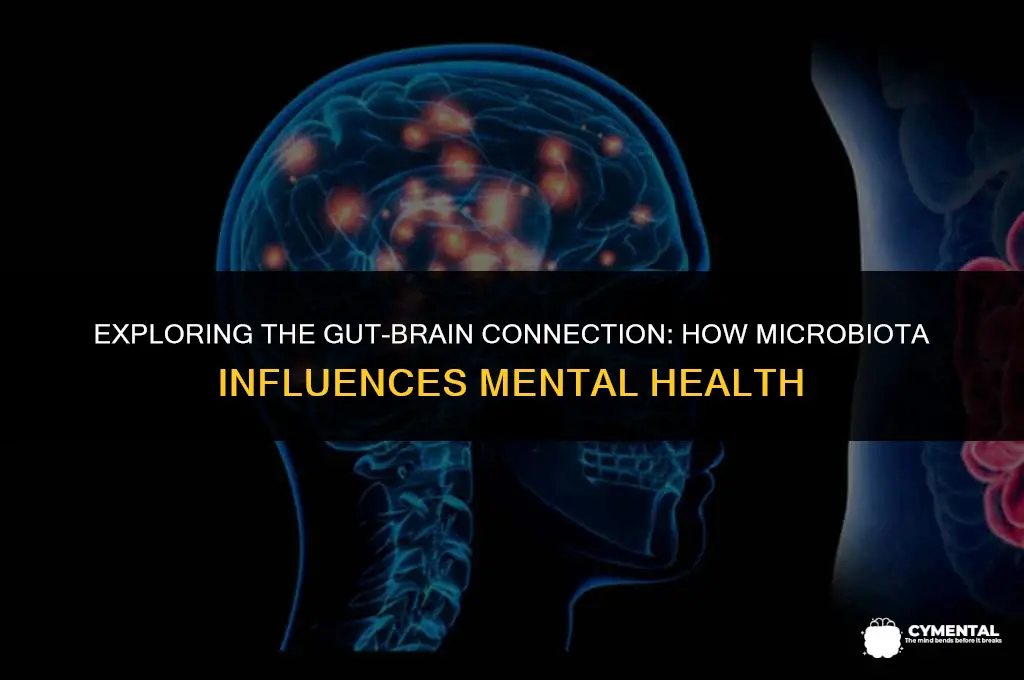
The intricate relationship between gut bacteria and mental health has become a fascinating area of research in recent years. Scientists have discovered that the trillions of microorganisms residing in our gastrointestinal tract, collectively known as the gut microbiome, play a crucial role in influencing our mental well-being. This connection is facilitated through the gut-brain axis, a bidirectional communication network that links the central nervous system with the enteric nervous system of the gut. Emerging evidence suggests that imbalances in the gut microbiome, often referred to as dysbiosis, may contribute to the development of various mental health disorders, including anxiety, depression, and even autism spectrum disorder. Furthermore, studies have shown that manipulating the gut microbiome through dietary interventions, probiotics, or fecal microbiota transplants can have a positive impact on mental health outcomes. As our understanding of this complex interplay deepens, it opens up new avenues for the prevention and treatment of mental health conditions, highlighting the importance of maintaining a healthy gut microbiome for overall well-being.
| Characteristics | Values |
|---|---|
| Topic | The relationship between gut bacteria and mental health |
| Research Area | Microbiome-gut-brain axis |
| Key Findings | Alterations in gut microbiota can influence mental health states |
| Mechanisms | Neurotransmitter modulation, immune system influence, vagus nerve signaling |
| Potential Implications | Therapeutic targeting of gut bacteria for mental health disorders |
| Study Methods | Animal models, human observational studies, randomized controlled trials |
| Limitations | Variability in study results, need for larger sample sizes |
| Future Directions | Personalized microbiome-based interventions, long-term studies |
| Expert Consensus | Growing recognition of the importance of gut-brain interactions |
| Public Awareness | Increasing interest and media coverage |
| Funding | Active research funding from various health organizations |
| Policy Impact | Potential for future policy changes in mental health treatment |
| Ethical Considerations | Need for careful regulation of microbiome-based therapies |
| Collaboration | Interdisciplinary collaboration between gastroenterologists, psychiatrists, and neuroscientists |
| Technological Advancements | Development of microbiome analysis tools and probiotics |
| Publication Trends | Rising number of publications in high-impact journals |
Explore related products



What You'll Learn

Gut-Brain Axis Communication
The gut-brain axis represents a bidirectional communication network between the gastrointestinal tract and the central nervous system. This complex interplay involves multiple pathways, including neural, hormonal, and immunological signaling. The gut microbiome, composed of trillions of microorganisms, plays a crucial role in this communication by producing metabolites and signaling molecules that can influence brain function and behavior.
Recent research has highlighted the importance of the gut-brain axis in mental health. Studies have shown that alterations in the gut microbiome can contribute to the development of psychiatric disorders such as depression, anxiety, and schizophrenia. For example, a study published in the journal Nature Microbiology found that transplanting gut bacteria from depressed humans into rats resulted in depressive-like behaviors in the animals. This suggests that the gut microbiome may be a key factor in the pathophysiology of depression.
The mechanisms underlying the gut-brain axis communication are multifaceted. One key pathway involves the vagus nerve, which connects the gut to the brain and allows for the transmission of signals in both directions. Additionally, the gut microbiome produces a variety of metabolites, such as short-chain fatty acids and tryptophan, which can influence neurotransmitter activity and brain function. Inflammation and immune system activation are also thought to play a role in the gut-brain axis, as alterations in the gut microbiome can lead to increased inflammation and immune responses that may impact mental health.
Understanding the gut-brain axis and its implications for mental health has the potential to revolutionize the way we approach the treatment of psychiatric disorders. By targeting the gut microbiome through interventions such as probiotics, prebiotics, and fecal microbiota transplantation, it may be possible to modulate brain function and alleviate symptoms of mental illness. Furthermore, the gut-brain axis may also provide new insights into the prevention of mental health disorders, as maintaining a healthy gut microbiome could be a key factor in promoting overall well-being.
In conclusion, the gut-brain axis represents a critical communication network that links the gut microbiome to brain function and mental health. By further elucidating the mechanisms underlying this complex interplay, we may uncover new therapeutic strategies for the treatment and prevention of psychiatric disorders.
Exploring the Dark Side: Factors Undermining Youth Mental Health
You may want to see also
Explore related products




Microbiome Influence on Mood
The gut microbiome, a complex ecosystem of bacteria, viruses, fungi, and protozoa, plays a crucial role in influencing mood and mental health. Recent research has unveiled the intricate communication network between the gut and the brain, often referred to as the gut-brain axis. This bidirectional relationship allows the gut microbiome to send signals to the brain that can affect emotional states, cognitive functions, and overall mental well-being.
One of the key mechanisms by which the gut microbiome influences mood is through the production of neurotransmitters and neuroactive compounds. For instance, certain bacteria in the gut can produce serotonin, a neurotransmitter that helps regulate mood, appetite, and sleep. Additionally, the gut microbiome can influence the levels of other neurotransmitters such as dopamine and GABA, which are essential for maintaining emotional balance and reducing anxiety.
Moreover, the gut microbiome can impact mood by modulating the immune system. An imbalance in the gut bacteria, known as dysbiosis, can lead to chronic inflammation, which has been linked to various mental health disorders, including depression and anxiety. By maintaining a healthy balance of gut bacteria, individuals can potentially reduce inflammation and improve their mental health outcomes.
Another fascinating aspect of the gut-brain axis is the role of the vagus nerve, a major communication pathway between the gut and the brain. The vagus nerve allows the gut microbiome to send signals directly to the brain, influencing mood and cognitive functions. This neural connection highlights the importance of a healthy gut microbiome in maintaining optimal brain function and emotional well-being.
In conclusion, the gut microbiome has a profound influence on mood and mental health through its production of neurotransmitters, modulation of the immune system, and communication with the brain via the vagus nerve. By understanding and nurturing this complex ecosystem, individuals can potentially improve their mental health outcomes and overall quality of life.
Exploring the Link: Graves' Disease and Mental Health Impact
You may want to see also
Explore related products





Bacterial Metabolites and Neurotransmitters
Bacterial metabolites are the byproducts of bacterial metabolism, which can include a wide range of compounds such as short-chain fatty acids (SCFAs), amino acids, and vitamins. These metabolites can have a profound impact on the host's physiology, including the brain. For instance, SCFAs like butyrate, acetate, and propionate, which are produced by the fermentation of dietary fiber by gut bacteria, can cross the blood-brain barrier and influence neurotransmitter activity.
Neurotransmitters are chemical messengers that transmit signals between neurons in the brain. Common neurotransmitters include serotonin, dopamine, and gamma-aminobutyric acid (GABA). The production and regulation of these neurotransmitters are critical for maintaining mental health. Interestingly, the gut microbiome can influence the levels of these neurotransmitters in the brain. For example, certain bacteria can produce serotonin, which is then absorbed into the bloodstream and can affect mood and behavior.
The interplay between bacterial metabolites and neurotransmitters is complex and bidirectional. Not only do bacterial metabolites influence neurotransmitter activity, but neurotransmitters can also affect the gut microbiome. For instance, stress-related neurotransmitters like cortisol can alter the composition of the gut microbiome, leading to changes in bacterial metabolites production. This bidirectional communication between the gut and the brain is known as the gut-brain axis.
Research has shown that alterations in the gut microbiome can lead to changes in mental health. For example, studies have found that individuals with depression have different gut microbiome compositions compared to healthy controls. Additionally, animal studies have shown that transplanting the gut microbiome from depressed humans into mice can induce depressive-like behaviors in the mice. These findings suggest that the gut microbiome plays a significant role in mental health, and that bacterial metabolites and neurotransmitters are key players in this relationship.
Understanding the relationship between bacterial metabolites and neurotransmitters is crucial for developing new therapeutic strategies for mental health disorders. Modulating the gut microbiome through dietary interventions, probiotics, or prebiotics could potentially lead to changes in neurotransmitter activity and improvements in mental health. Furthermore, targeting specific bacterial metabolites or neurotransmitters could provide novel avenues for drug development.
In conclusion, the relationship between bacterial metabolites and neurotransmitters is a fascinating and rapidly evolving field of research. The gut microbiome's influence on mental health through the production of bacterial metabolites and the modulation of neurotransmitter activity highlights the importance of considering the gut-brain axis in mental health research and treatment.
Harmonious Havoc: Can Bad Music Affect Your Mental State?
You may want to see also
Explore related products



Inflammation Link to Mental Health
Recent research has unveiled a fascinating connection between gut bacteria and mental health, with inflammation playing a pivotal role. Studies suggest that an imbalance in the gut microbiome can lead to increased inflammation, which in turn may contribute to the development of mental health disorders such as depression and anxiety. This link is thought to be mediated through the gut-brain axis, a bidirectional communication system between the gastrointestinal tract and the central nervous system.
One of the key mechanisms by which gut bacteria influence mental health is through the production of metabolites that can cross the blood-brain barrier. These metabolites, such as short-chain fatty acids, play a crucial role in modulating the immune response and reducing inflammation. When the balance of gut bacteria is disrupted, the production of these beneficial metabolites is compromised, leading to a state of chronic inflammation that can negatively impact brain function and mental well-being.
Furthermore, the gut microbiome is closely linked to the hypothalamic-pituitary-adrenal (HPA) axis, which regulates the body's stress response. An imbalance in gut bacteria can lead to an overactive HPA axis, resulting in increased cortisol levels and a heightened state of stress. This chronic stress can contribute to the development of mental health disorders by impairing the brain's ability to regulate emotions and responses to stressors.
In addition to its role in mental health, inflammation has also been implicated in a range of other health issues, including cardiovascular disease, diabetes, and certain types of cancer. Therefore, maintaining a healthy gut microbiome is crucial not only for mental well-being but also for overall health. Strategies for promoting a healthy gut microbiome include consuming a balanced diet rich in fiber, fermented foods, and probiotics, as well as avoiding excessive use of antibiotics and other factors that can disrupt the balance of gut bacteria.
In conclusion, the link between inflammation and mental health is a complex and multifaceted one, with gut bacteria playing a crucial role in modulating the immune response and stress pathways. By understanding and addressing the factors that contribute to an imbalance in the gut microbiome, we can potentially unlock new avenues for the prevention and treatment of mental health disorders.
The Silent Menace: Noise Pollution's Impact on Mental and Physical Health
You may want to see also
Explore related products





Probiotics and Mental Well-being
Recent studies have unveiled a fascinating connection between the gut microbiome and mental health, suggesting that the balance of bacteria in our digestive system may play a crucial role in our psychological well-being. Probiotics, which are live microorganisms that provide health benefits when consumed, have emerged as a potential tool for improving mental health outcomes.
Research indicates that probiotics may help reduce symptoms of anxiety and depression by modulating the gut-brain axis. This axis is a bidirectional communication system between the gut and the brain, involving various pathways such as the vagus nerve, the immune system, and the production of neurotransmitters. By introducing beneficial bacteria into the gut, probiotics can influence these pathways and potentially alleviate mental health symptoms.
One study published in the journal Psychopharmacology found that participants who took a probiotic supplement containing Lactobacillus rhamnosus GG and Bifidobacterium lactis BB-12 for four weeks experienced a significant reduction in anxiety and depression symptoms compared to those who took a placebo. Another study published in the journal Gastroenterology found that probiotics may help improve mood and cognitive function in individuals with irritable bowel syndrome (IBS), a condition often associated with mental health issues.
While the evidence is promising, it's essential to note that the field of probiotics and mental health is still in its early stages, and more research is needed to fully understand the mechanisms and potential benefits. However, incorporating probiotics into one's diet through fermented foods or supplements may be a valuable addition to a holistic approach to mental health.
In conclusion, the connection between probiotics and mental well-being is an exciting area of research that holds potential for improving mental health outcomes. By understanding the role of the gut microbiome in psychological well-being and exploring the benefits of probiotics, individuals may find new ways to support their mental health and overall wellness.
Nurturing Minds: The Intricate Link Between Breastfeeding and Mental Health
You may want to see also
Frequently asked questions
Yes, research suggests that gut bacteria can influence mental health through the gut-brain axis, a bidirectional communication system between the gut and the brain.
Gut bacteria communicate with the brain via various pathways, including the vagus nerve, the immune system, and the production of neurotransmitters and metabolites that can cross the blood-brain barrier.
Studies have linked imbalances in gut bacteria to conditions such as depression, anxiety, bipolar disorder, and even autism spectrum disorder.
Some studies suggest that probiotics, which are live beneficial bacteria, may help improve mental health by restoring balance to the gut microbiome. However, more research is needed to determine their effectiveness and the specific strains that may be beneficial.
Maintaining a healthy gut microbiome can be achieved through a balanced diet rich in fiber, fermented foods, and prebiotics. Regular exercise, adequate sleep, and stress management are also important factors in supporting gut health.