Caleb Wright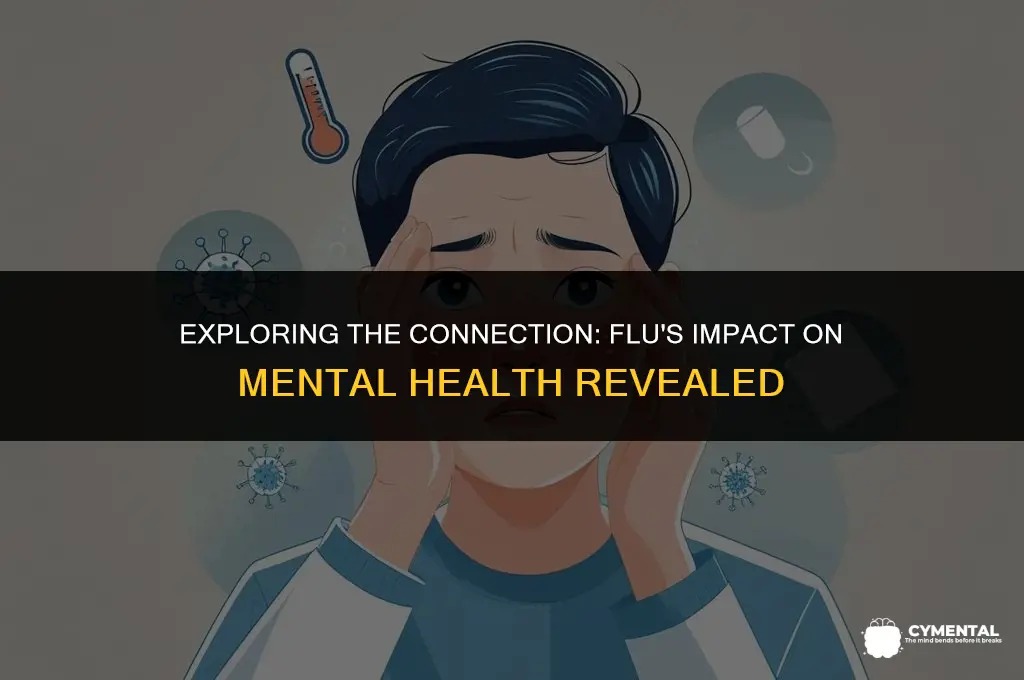
The flu, a common viral infection, primarily affects the physical health of individuals, causing symptoms such as fever, cough, and body aches. However, its impact can extend beyond the physical realm, influencing mental health as well. Research has shown that the flu can exacerbate existing mental health conditions, such as depression and anxiety, and may even contribute to the development of new mental health issues. This connection is thought to be due to the body's immune response to the virus, which can lead to inflammation and changes in brain chemistry. Understanding the potential mental health implications of the flu is crucial for comprehensive patient care and highlights the importance of preventive measures, such as vaccination and early treatment.
| Characteristics | Values |
|---|---|
| Condition | Can flu affect mental health? |
| Type | Influenza (flu) is a viral infection that primarily affects the respiratory system but can have systemic effects, including on mental health. |
| Symptoms | Common flu symptoms include fever, cough, sore throat, runny or stuffy nose, body aches, headaches, chills, and fatigue. Mental health symptoms may include anxiety, depression, mood swings, and cognitive impairment. |
| Transmission | Flu is highly contagious and spreads through respiratory droplets when an infected person talks, coughs, or sneezes. It can also spread by touching contaminated surfaces and then touching the face, especially the mouth, nose, or eyes. |
| Incubation | The incubation period for the flu is usually about 2 days, but it can range from 1 to 4 days. During this time, a person may be contagious without showing symptoms. |
| Duration | Flu symptoms typically last about 7-10 days, but fatigue and weakness may persist for several weeks. Mental health effects can vary in duration and may require professional evaluation. |
| Complications | Severe complications of the flu can include pneumonia, bronchitis, sinus infections, and worsening of chronic medical conditions. Mental health complications may include exacerbation of existing psychiatric conditions or development of new ones. |
| Prevention | Flu can be prevented through annual vaccination, practicing good hygiene (such as frequent handwashing), avoiding close contact with sick individuals, and staying home when ill. Maintaining a healthy lifestyle, including regular exercise and a balanced diet, can also support mental health. |
| Treatment | Antiviral medications may be prescribed to treat the flu, especially for high-risk individuals or those with severe symptoms. Mental health treatment may involve therapy, medication, or a combination of both. |
| Risk Factors | High-risk groups for flu complications include older adults, young children, pregnant women, and individuals with chronic health conditions. Mental health risk factors may include a history of psychiatric disorders, substance abuse, or significant life stressors. |
| Public Health | Flu outbreaks can have significant public health impacts, leading to increased hospitalizations and deaths. Public health measures may include vaccination campaigns, school closures, and travel restrictions. Mental health awareness and support services are also crucial during outbreaks. |
Explore related products


What You'll Learn
- Flu-Induced Stress: The physical symptoms of flu can lead to increased stress levels, impacting mental well-being
- Depression Risk: Severe or prolonged flu may contribute to depressive symptoms, particularly in vulnerable populations
- Anxiety and Fatigue: Flu can exacerbate anxiety disorders and cause persistent fatigue, affecting overall mental health
- Cognitive Impairment: Some flu strains might lead to temporary cognitive difficulties, such as confusion or memory issues
- Social Isolation: Flu can result in social withdrawal, potentially worsening existing mental health conditions or causing new ones

Flu-Induced Stress: The physical symptoms of flu can lead to increased stress levels, impacting mental well-being
The physical symptoms of the flu can significantly contribute to increased stress levels, which in turn can negatively impact mental well-being. When the body is under the duress of flu symptoms such as fever, aches, and fatigue, the mind can become overwhelmed, leading to heightened anxiety and stress. This is particularly true for individuals who may already be managing chronic stress or mental health conditions.
One of the primary ways flu-induced stress affects mental health is through the body's physiological response to illness. The immune system's activation to fight the flu virus can lead to the release of pro-inflammatory cytokines, which have been linked to symptoms of depression and anxiety. Additionally, the physical discomfort and pain associated with flu symptoms can disrupt sleep patterns, further exacerbating stress and anxiety levels.
Moreover, the flu can impact mental health by limiting an individual's ability to engage in regular activities and social interactions. This can lead to feelings of isolation and loneliness, which are known contributors to stress and depression. The inability to perform daily tasks or attend work or school can also result in financial stress or academic pressures, adding another layer of mental strain.
It is crucial for individuals experiencing flu-induced stress to prioritize self-care and seek support when needed. Simple strategies such as staying hydrated, getting adequate rest, and practicing relaxation techniques like deep breathing or meditation can help alleviate stress. Additionally, reaching out to friends, family, or mental health professionals for support can provide valuable emotional relief during a challenging time.
In conclusion, the physical symptoms of the flu can have a profound impact on mental health by increasing stress levels and exacerbating existing mental health conditions. By understanding the connection between flu-induced stress and mental well-being, individuals can take proactive steps to manage their symptoms and seek support when needed, ultimately promoting better overall health.
Discrimination's Impact on Mental Health Agencies: A Critical Examination
You may want to see also
Explore related products


Depression Risk: Severe or prolonged flu may contribute to depressive symptoms, particularly in vulnerable populations
Severe or prolonged influenza can have a profound impact on mental health, particularly in vulnerable populations. Research indicates that the risk of developing depressive symptoms increases significantly following a bout of severe flu, especially in individuals who are already predisposed to mental health issues. This heightened risk can be attributed to several factors, including the physical toll of the illness, the psychological stress of dealing with prolonged symptoms, and the potential for social isolation during recovery.
Vulnerable populations, such as the elderly, those with chronic health conditions, and individuals with a history of mental illness, are particularly susceptible to the depressive effects of severe flu. In these groups, the immune system's response to the infection can exacerbate underlying mental health conditions, leading to a worsening of symptoms. Additionally, the social and economic burdens associated with prolonged illness can contribute to feelings of hopelessness and despair.
It is crucial for healthcare providers to recognize the potential mental health implications of severe flu, especially in high-risk populations. Early intervention and support can help mitigate the risk of developing depressive symptoms and improve overall outcomes for patients. This may include providing access to mental health services, encouraging social support, and offering practical assistance to help individuals cope with the challenges of recovery.
Furthermore, public health initiatives aimed at preventing and controlling the spread of influenza can play a vital role in reducing the mental health burden associated with the disease. By promoting vaccination, encouraging good hygiene practices, and providing resources for those affected by the flu, communities can help protect vulnerable populations from the devastating effects of severe influenza on mental health.
Concussions and Mental Health: Unraveling the Complex Connection
You may want to see also
Explore related products



$8.49 $11.99


Anxiety and Fatigue: Flu can exacerbate anxiety disorders and cause persistent fatigue, affecting overall mental health
Flu can significantly impact mental health, particularly by exacerbating existing anxiety disorders and causing persistent fatigue. This can lead to a decline in overall well-being and daily functioning. Research indicates that the inflammation caused by the flu virus can affect neurotransmitter function, leading to increased symptoms of anxiety and depression. Additionally, the physical exhaustion from flu can compound feelings of fatigue, making it difficult for individuals to manage their daily routines and responsibilities.
For those already diagnosed with anxiety disorders, flu can intensify symptoms such as excessive worry, restlessness, and difficulty concentrating. The added stress of being ill can also trigger panic attacks or other acute anxiety episodes. Furthermore, the isolation and social withdrawal that often accompany flu can contribute to feelings of loneliness and exacerbate anxiety symptoms.
Persistent fatigue is another common issue, as flu can leave individuals feeling drained and weak for weeks or even months after the initial infection. This prolonged fatigue can interfere with work, school, and social activities, leading to increased stress and potential depression. It is essential for individuals experiencing these symptoms to seek medical attention, as proper treatment and support can help mitigate the mental health impacts of flu.
In addition to seeking professional help, there are several strategies individuals can employ to manage anxiety and fatigue during flu recovery. These include practicing relaxation techniques such as deep breathing and meditation, maintaining a balanced diet, staying hydrated, and gradually returning to physical activity as strength permits. It is also important to prioritize sleep and rest, as these are crucial for both physical and mental recovery.
Ultimately, understanding the potential mental health effects of flu is key to addressing and managing these symptoms effectively. By recognizing the signs of anxiety and fatigue and taking proactive steps to seek help and practice self-care, individuals can better navigate the challenges posed by flu and maintain their overall well-being.
The Dark Side of Sports: Unveiling Mental Health Challenges
You may want to see also
Explore related products


Cognitive Impairment: Some flu strains might lead to temporary cognitive difficulties, such as confusion or memory issues
Cognitive impairment due to the flu can manifest in various ways, impacting an individual's ability to perform daily tasks effectively. For instance, a person might experience difficulty concentrating, remembering recent events, or making decisions. These symptoms can be particularly concerning for older adults, who may already be at risk for cognitive decline. In severe cases, flu-related cognitive impairment can lead to delirium, a state of acute confusion that can be distressing for both the affected individual and their caregivers.
Research suggests that certain flu strains, such as the H1N1 virus, may be more likely to cause cognitive difficulties. This is believed to be due to the virus's ability to trigger an inflammatory response in the brain, which can disrupt normal cognitive function. Additionally, the flu can exacerbate existing mental health conditions, such as depression or anxiety, making it more challenging for individuals to cope with their symptoms.
To mitigate the risk of cognitive impairment associated with the flu, it is essential to practice good hygiene, such as frequent handwashing and avoiding close contact with sick individuals. Vaccination is also a crucial preventive measure, as it can reduce the likelihood of contracting the flu and its associated complications. For those who do become ill, seeking prompt medical attention and staying hydrated can help alleviate symptoms and support cognitive function.
In conclusion, while cognitive impairment due to the flu is typically temporary, it can have a significant impact on an individual's quality of life. By taking proactive steps to prevent the flu and seeking appropriate care when necessary, individuals can reduce their risk of experiencing these challenging symptoms.
The Impact of Peer Pressure on Mental Health: A Comprehensive Guide
You may want to see also
Explore related products





Social Isolation: Flu can result in social withdrawal, potentially worsening existing mental health conditions or causing new ones
Flu can significantly impact mental health, particularly through the lens of social isolation. When individuals contract the flu, they often experience symptoms that make it difficult to engage in social activities, such as fatigue, body aches, and cognitive fog. This can lead to a period of social withdrawal, where individuals may avoid interactions with friends, family, and colleagues to rest and recover. While this isolation is typically temporary, it can have profound effects on mental well-being, especially for those already struggling with mental health conditions.
For individuals with pre-existing mental health issues, such as depression or anxiety, social isolation can exacerbate symptoms. The lack of social support and interaction can intensify feelings of loneliness and disconnectedness, which are common in depressive disorders. Moreover, the physical symptoms of the flu can mimic or worsen anxiety symptoms, such as increased heart rate and difficulty breathing, leading to heightened anxiety levels. In severe cases, prolonged social isolation can contribute to the development of new mental health conditions, such as depression or anxiety disorders, particularly in vulnerable populations.
The impact of social isolation due to flu can be particularly pronounced in older adults and individuals living alone. These groups may already experience higher levels of social isolation and loneliness, and the flu can further compound these feelings. Older adults may also be more susceptible to complications from the flu, which can lead to longer periods of isolation and increased risk of mental health decline. Similarly, individuals living alone may not have the support system to help them through the illness, making it more challenging to cope with the physical and emotional toll of the flu.
To mitigate the mental health impacts of social isolation during flu recovery, it is essential to maintain connections with others, even if it is through virtual means. Technology can play a crucial role in helping individuals stay connected with friends and family, reducing feelings of loneliness and isolation. Additionally, practicing self-care, such as getting adequate rest, staying hydrated, and engaging in gentle exercise when possible, can help improve both physical and mental well-being during the recovery process.
In conclusion, the flu can have significant mental health implications, particularly through the lens of social isolation. Understanding the risks and taking proactive steps to maintain social connections and practice self-care can help mitigate these effects and promote better mental health outcomes during and after flu recovery.
Exploring the Impact of Skull Fractures on Mental Health
You may want to see also
Frequently asked questions
Yes, the flu can affect mental health. The physical symptoms of the flu, such as fever, body aches, and fatigue, can lead to feelings of malaise and discomfort, which may contribute to temporary changes in mood and mental well-being.
The flu can exacerbate existing mental health conditions like depression or anxiety. The physical symptoms and the stress of being ill can worsen mood and increase feelings of anxiety. Additionally, the flu can disrupt daily routines and social interactions, which can further impact mental health.
Research suggests that there may be a link between the flu and an increased risk of developing mental health disorders, particularly in vulnerable populations. For example, studies have shown that influenza infection may be associated with an increased risk of depression and anxiety in older adults.
To manage the mental health impact of the flu, it's important to prioritize self-care and seek support when needed. This can include getting plenty of rest, staying hydrated, eating nutritious foods, and engaging in gentle physical activity as tolerated. Additionally, maintaining social connections, practicing stress-reduction techniques, and seeking professional help if symptoms persist or worsen can be beneficial.