Caleb Wright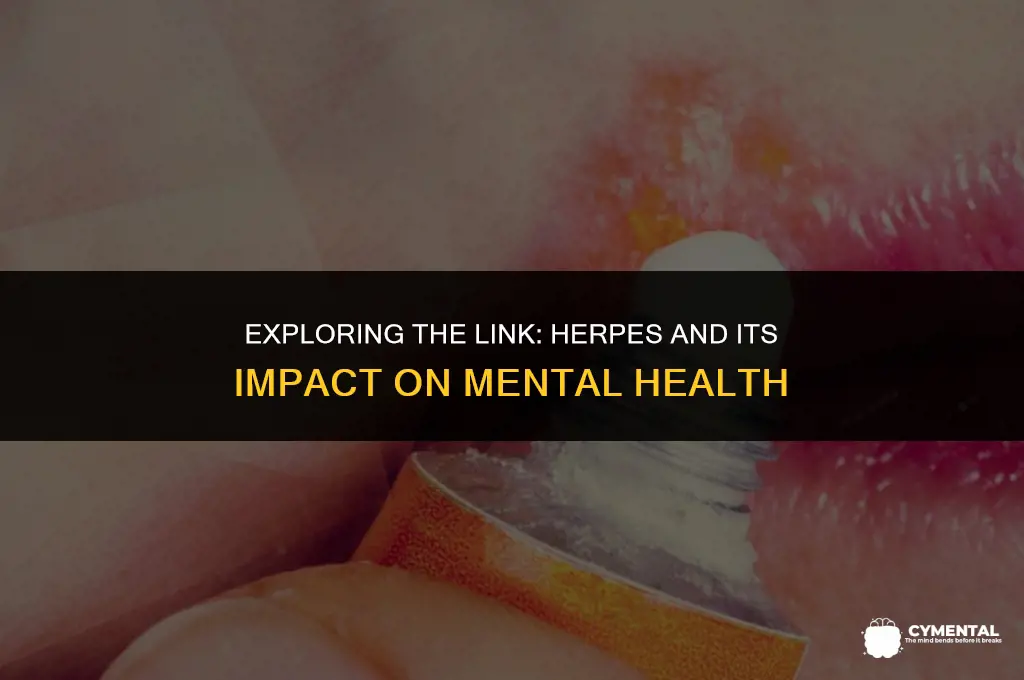
Herpes is a common viral infection that can have a significant impact on a person's physical health, but it can also affect their mental well-being. The stigma surrounding herpes can lead to feelings of shame, guilt, and isolation, which can contribute to anxiety and depression. Additionally, the chronic nature of the virus can cause stress and uncertainty about future outbreaks, which can further exacerbate mental health issues. It is important to address the mental health implications of herpes alongside its physical symptoms to ensure comprehensive care for those affected by the virus.
Explore related products


What You'll Learn
- Stress and Anxiety: Herpes outbreaks can trigger stress and anxiety due to their painful and visible nature
- Depression: The chronic nature of herpes may lead to feelings of hopelessness and depression in some individuals
- Self-Esteem Issues: Herpes can impact self-esteem, especially during outbreaks, affecting social interactions and confidence
- Fear of Transmission: The fear of transmitting herpes to others can cause significant emotional distress and isolation
- Coping Mechanisms: Developing healthy coping mechanisms is crucial to manage the psychological impact of living with herpes

Stress and Anxiety: Herpes outbreaks can trigger stress and anxiety due to their painful and visible nature
Herpes outbreaks can significantly impact an individual's mental health, particularly by triggering stress and anxiety. The visible and painful nature of these outbreaks can lead to feelings of embarrassment, shame, and isolation, which in turn can exacerbate anxiety levels. Stress, a known trigger for herpes outbreaks, creates a cyclical problem where the outbreak itself becomes a source of additional stress, potentially leading to more frequent outbreaks.
The psychological impact of herpes is often underestimated, but it can be profound. Individuals may experience anticipatory anxiety, constantly fearing the next outbreak and the social stigma that comes with it. This can lead to avoidance behaviors, where people may shy away from social interactions or intimate relationships, further contributing to feelings of loneliness and depression.
Moreover, the chronic nature of herpes means that individuals must learn to manage their condition long-term, which can be mentally taxing. The need for constant vigilance, medication adherence, and lifestyle adjustments can add to the overall stress burden. It's essential for those affected to recognize the mental health implications of their condition and seek appropriate support.
Cognitive-behavioral therapy (CBT) can be particularly helpful in managing the stress and anxiety associated with herpes. CBT teaches individuals to identify and challenge negative thought patterns, which can help reduce feelings of shame and anxiety. Additionally, stress management techniques such as meditation, deep breathing exercises, and regular physical activity can help mitigate the impact of stress on both mental and physical health.
In conclusion, while herpes is often viewed primarily as a physical condition, its impact on mental health should not be overlooked. Addressing the stress and anxiety triggered by herpes outbreaks is crucial for improving overall well-being and quality of life. By seeking support and employing effective stress management strategies, individuals can learn to cope with their condition and reduce its psychological toll.
The Impact of Social Media on Teen Mental Health
You may want to see also
Explore related products


Depression: The chronic nature of herpes may lead to feelings of hopelessness and depression in some individuals
The chronic nature of herpes can have a profound impact on an individual's mental health, often leading to feelings of hopelessness and depression. This is particularly true for those who experience frequent outbreaks or have difficulty managing their symptoms. The persistent presence of the virus in the body can create a sense of ongoing stress and anxiety, which can be debilitating over time.
One of the key factors contributing to depression in individuals with herpes is the stigma associated with the condition. Many people feel ashamed or embarrassed about their diagnosis, which can lead to social isolation and a lack of support. This sense of stigma can be exacerbated by the fact that herpes is often viewed as a sexually transmitted infection, which can carry negative connotations and lead to feelings of guilt or shame.
Another factor that can contribute to depression is the impact of herpes on an individual's quality of life. Frequent outbreaks can disrupt daily activities, work, and relationships, leading to a sense of loss of control and independence. Additionally, the physical symptoms of herpes, such as pain and discomfort, can further exacerbate feelings of depression and hopelessness.
It is important for individuals with herpes to recognize the potential impact of the condition on their mental health and to seek support if needed. This may include talking to a healthcare provider, joining a support group, or engaging in therapy. By addressing the emotional and psychological aspects of herpes, individuals can better manage their symptoms and improve their overall well-being.
In conclusion, the chronic nature of herpes can lead to feelings of hopelessness and depression in some individuals. This is often due to a combination of factors, including the stigma associated with the condition, the impact on quality of life, and the physical symptoms of the virus. By recognizing the potential mental health implications of herpes and seeking support, individuals can take steps to manage their symptoms and improve their overall well-being.
Exploring the Complex Relationship Between Drugs and Mental Health
You may want to see also
Explore related products





Self-Esteem Issues: Herpes can impact self-esteem, especially during outbreaks, affecting social interactions and confidence
Herpes outbreaks can significantly impact an individual's self-esteem, creating a ripple effect on various aspects of their life. The visible symptoms of herpes, such as cold sores or genital lesions, can lead to feelings of embarrassment, shame, and self-consciousness. These emotions may cause individuals to withdraw from social interactions, fearing judgment or rejection from others.
The unpredictability of herpes outbreaks can also contribute to anxiety and stress, as individuals may constantly worry about when the next outbreak will occur and how it will affect their daily lives. This heightened sense of anxiety can further erode self-confidence, making it challenging for individuals to engage in activities they once enjoyed or to form new relationships.
Moreover, the stigma surrounding herpes can exacerbate self-esteem issues. Misinformation and negative stereotypes about the virus can lead to internalized shame and guilt, causing individuals to feel flawed or unworthy. This can result in a negative self-image and a diminished sense of self-worth, which can permeate various areas of life, including work, school, and personal relationships.
To mitigate the impact of herpes on self-esteem, it is essential to address the emotional and psychological aspects of the condition. This may involve seeking support from mental health professionals, joining support groups, or engaging in self-help practices such as mindfulness, meditation, or cognitive-behavioral therapy. By addressing the root causes of self-esteem issues related to herpes, individuals can learn to manage their symptoms, reduce anxiety, and rebuild their confidence, ultimately improving their overall quality of life.
Unveiling the Impact: Stigma's Role in Mental Health Struggles
You may want to see also
Explore related products


$119.99 $119.99


Fear of Transmission: The fear of transmitting herpes to others can cause significant emotional distress and isolation
The fear of transmitting herpes to others can be a significant source of emotional distress and isolation for those living with the virus. This anxiety can stem from a variety of factors, including societal stigma, lack of understanding about the virus, and concerns about the potential impact on future relationships. For many, the fear of transmission can lead to feelings of shame and guilt, which can further exacerbate mental health issues.
One of the key challenges in managing the fear of transmission is the need to balance the desire for intimacy with the responsibility of preventing the spread of the virus. This can be particularly difficult in new relationships, where individuals may feel pressured to disclose their status or risk losing the relationship. Additionally, the fear of transmission can lead to avoidance behaviors, such as abstaining from sexual activity or social interactions, which can contribute to feelings of loneliness and depression.
To address the fear of transmission, it is important to educate oneself about the virus and its transmission risks. Understanding the facts about herpes can help individuals make informed decisions about their sexual health and reduce the likelihood of transmission. Additionally, open communication with sexual partners is crucial in managing the fear of transmission. Disclosing one's status and discussing safe sex practices can help alleviate anxiety and build trust in relationships.
Seeking support from mental health professionals or support groups can also be beneficial in managing the emotional impact of living with herpes. Therapy can provide a safe space to explore feelings of shame, guilt, and anxiety, and can help individuals develop coping strategies to deal with the fear of transmission. Support groups can offer a sense of community and understanding, as well as practical advice and resources for managing the virus.
In conclusion, the fear of transmitting herpes can have a significant impact on mental health, leading to feelings of distress, isolation, and shame. However, by educating oneself about the virus, communicating openly with sexual partners, and seeking support from mental health professionals or support groups, individuals can learn to manage their fear and live fulfilling lives.
Exploring Emotional States: A Guide to Describing Affect in Mental Status Exams
You may want to see also
Explore related products





Coping Mechanisms: Developing healthy coping mechanisms is crucial to manage the psychological impact of living with herpes
Living with herpes can significantly impact one's mental health, often leading to feelings of anxiety, depression, and isolation. Developing healthy coping mechanisms is therefore crucial to manage these psychological effects. One effective strategy is cognitive-behavioral therapy (CBT), which helps individuals identify and challenge negative thought patterns that contribute to their distress. Through CBT, people can learn to reframe their thoughts about herpes, reducing the stigma and shame associated with the condition.
Another important coping mechanism is building a strong support network. Connecting with friends, family, or support groups can provide emotional validation and practical advice. Online communities and forums can also be valuable resources, offering anonymity and a sense of belonging. Engaging in open and honest communication with sexual partners is essential, as it can reduce anxiety about transmission and foster trust in relationships.
Mindfulness and relaxation techniques, such as meditation, yoga, and deep breathing exercises, can help alleviate stress and improve overall well-being. Regular physical activity is another beneficial coping strategy, as it releases endorphins that can boost mood and reduce symptoms of anxiety and depression. Maintaining a healthy lifestyle, including a balanced diet and adequate sleep, is also important for managing the psychological impact of herpes.
It's essential to recognize that coping with herpes is an ongoing process, and it's normal to experience setbacks. Seeking professional help from a therapist or counselor can provide additional support and guidance. Remember, developing healthy coping mechanisms takes time and practice, but it is possible to live a fulfilling life despite having herpes.
Exploring the Impact of Creatine on Mental Health and Well-being
You may want to see also
Frequently asked questions
Yes, herpes can affect your mental health. The stigma and stress associated with having a sexually transmitted infection (STI) like herpes can lead to anxiety, depression, and other mental health issues.
While the exact prevalence is not well-studied, it is known that STIs, including herpes, can contribute to mental health problems. Factors such as stigma, social isolation, and the chronic nature of the infection can increase the risk of developing mental health issues.
Some specific mental health issues that can arise from having herpes include anxiety disorders, depressive disorders, post-traumatic stress disorder (PTSD), and substance abuse disorders. These issues can stem from the stress of managing the infection, fear of transmission, and societal stigma.
Yes, there is support available for people with herpes who are experiencing mental health issues. Healthcare providers, mental health professionals, and support groups can offer counseling, therapy, and other resources to help individuals cope with the emotional impact of herpes.
Treating herpes can help improve mental health by reducing the physical symptoms of the infection and the associated stress. Antiviral medications can help manage outbreaks and reduce the risk of transmission, which may alleviate some of the anxiety and stigma related to having herpes. Additionally, addressing the infection can empower individuals to take control of their health and well-being, potentially leading to improved mental health outcomes.