Lucas Bennett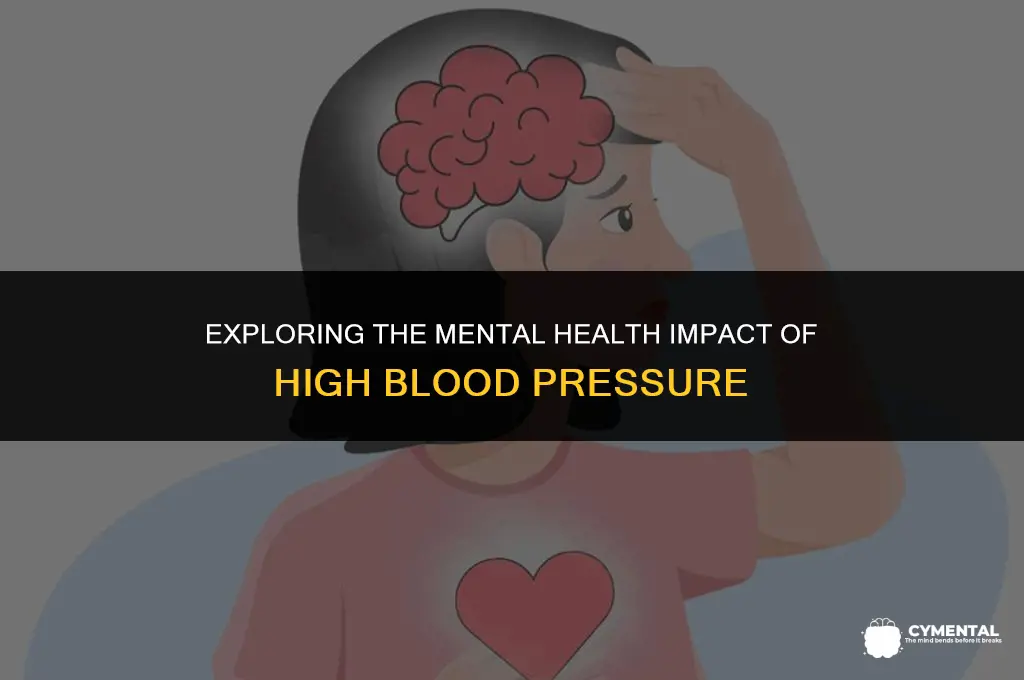
High blood pressure, often referred to as hypertension, is a common condition that affects millions of people worldwide. While it is primarily associated with physical health risks such as heart disease and stroke, recent research has shown that it can also have a significant impact on mental health. Studies have linked high blood pressure to an increased risk of cognitive decline, dementia, and depression. Additionally, the stress and anxiety associated with managing high blood pressure can exacerbate mental health issues. It is important to understand the relationship between high blood pressure and mental health in order to develop comprehensive treatment plans that address both physical and emotional well-being.
Explore related products


What You'll Learn
- Anxiety and Stress: High blood pressure can increase anxiety levels, creating a cycle of stress that worsens hypertension
- Cognitive Decline: Studies suggest that uncontrolled high blood pressure may contribute to cognitive decline and dementia risk
- Mood Disorders: Hypertension has been linked to depression and other mood disorders, potentially due to its impact on brain function
- Sleep Disturbances: High blood pressure can lead to sleep problems, such as insomnia, which further exacerbate mental health issues
- Quality of Life: The constant worry about blood pressure readings and health complications can negatively affect overall mental well-being and quality of life

Anxiety and Stress: High blood pressure can increase anxiety levels, creating a cycle of stress that worsens hypertension
High blood pressure, or hypertension, is often viewed solely as a physical health concern, but its impact can extend far beyond the cardiovascular system. One of the lesser-known effects of high blood pressure is its ability to exacerbate anxiety levels, creating a vicious cycle of stress that can further worsen hypertension. This interplay between mental and physical health underscores the importance of a holistic approach to managing high blood pressure.
Research has shown that individuals with hypertension are more likely to experience anxiety disorders compared to those with normal blood pressure levels. The constant worry about health, coupled with the physical symptoms of high blood pressure such as headaches and shortness of breath, can contribute to heightened anxiety. Furthermore, anxiety can lead to increased stress, which in turn can cause blood pressure to rise. This creates a self-reinforcing loop where high blood pressure fuels anxiety, and anxiety exacerbates high blood pressure.
Breaking this cycle requires a multifaceted strategy that addresses both the physical and psychological aspects of hypertension. Lifestyle modifications, such as regular exercise, a balanced diet, and adequate sleep, can help lower blood pressure and reduce stress. Additionally, stress management techniques like meditation, deep breathing exercises, and cognitive-behavioral therapy can be effective in mitigating anxiety. In some cases, medication may be necessary to manage high blood pressure, but it should be used in conjunction with these lifestyle and psychological interventions.
It is also crucial for individuals with hypertension to be aware of the potential mental health implications of their condition and to seek support when needed. Healthcare providers should consider screening for anxiety and depression in patients with high blood pressure and provide appropriate referrals to mental health professionals. By acknowledging the complex relationship between hypertension and mental health, we can develop more comprehensive and effective treatment strategies that improve overall well-being.
In conclusion, the connection between high blood pressure and anxiety is a significant aspect of managing hypertension that should not be overlooked. By understanding this relationship and implementing a combination of physical and psychological interventions, individuals can better control their blood pressure and improve their mental health outcomes.
The Impact of Smartphones on Mental Health: A Growing Concern
You may want to see also
Explore related products


$19.02 $21.99


Cognitive Decline: Studies suggest that uncontrolled high blood pressure may contribute to cognitive decline and dementia risk
Recent studies have shed light on a concerning link between uncontrolled high blood pressure and cognitive decline, suggesting that the condition may contribute to an increased risk of dementia. This finding underscores the importance of managing hypertension not only for cardiovascular health but also for maintaining cognitive function as we age.
One of the key mechanisms by which high blood pressure may affect cognitive health is through its impact on blood flow to the brain. Chronically elevated blood pressure can lead to damage of the blood vessels, reducing the efficiency of blood flow and potentially causing areas of the brain to become oxygen-deprived. This can result in cognitive impairments, particularly in areas such as memory, attention, and executive function.
Furthermore, high blood pressure has been associated with an increased risk of developing Alzheimer's disease, the most common form of dementia. Research suggests that the inflammation and oxidative stress caused by hypertension may contribute to the accumulation of amyloid plaques and tau tangles in the brain, which are hallmark features of Alzheimer's disease.
It is important to note that the relationship between high blood pressure and cognitive decline is not linear, and other factors such as age, genetics, and lifestyle choices can also play a significant role. However, the evidence suggests that managing hypertension through a combination of medication, diet, exercise, and stress management may help to reduce the risk of cognitive decline and dementia.
In conclusion, the link between uncontrolled high blood pressure and cognitive decline is a complex and multifaceted issue that warrants further research. However, the current evidence suggests that maintaining healthy blood pressure levels is crucial not only for cardiovascular health but also for preserving cognitive function and reducing the risk of dementia.
Unraveling the Genetic Blueprint of Mental Health: A Deep Dive
You may want to see also
Explore related products




Mood Disorders: Hypertension has been linked to depression and other mood disorders, potentially due to its impact on brain function
Recent studies have uncovered a significant link between hypertension and mood disorders, such as depression and anxiety. This connection is believed to stem from the impact of high blood pressure on brain function. Chronic hypertension can lead to changes in the brain's structure and chemistry, affecting the regulation of mood and emotional responses. For instance, elevated blood pressure can damage the blood-brain barrier, allowing toxins and inflammatory molecules to enter the brain, which can contribute to the development of mood disorders.
Furthermore, hypertension can reduce the production of certain neurotransmitters, such as serotonin and dopamine, which play crucial roles in mood regulation. This imbalance can result in symptoms of depression, including persistent feelings of sadness, loss of interest in activities, and changes in appetite and sleep patterns. Additionally, the stress of managing hypertension can exacerbate these symptoms, creating a vicious cycle that further impacts mental health.
It is also important to consider the psychological effects of living with hypertension. The constant worry about blood pressure readings, medication side effects, and potential health complications can lead to increased stress and anxiety levels. Over time, this chronic stress can contribute to the development of mood disorders, as the body's stress response system becomes overactive and begins to affect brain function.
In light of these findings, it is essential for healthcare providers to consider the mental health implications of hypertension when treating patients. Screening for mood disorders should be a routine part of hypertension management, and patients should be encouraged to discuss any concerns about their mental well-being with their healthcare provider. By addressing both the physical and psychological aspects of hypertension, patients can receive more comprehensive care and improve their overall quality of life.
Exploring the Link Between Fibroids and Mental Health
You may want to see also
Explore related products


Sleep Disturbances: High blood pressure can lead to sleep problems, such as insomnia, which further exacerbate mental health issues
High blood pressure, a prevalent cardiovascular condition, often goes unnoticed due to its asymptomatic nature. However, its impact extends beyond the heart and blood vessels, significantly affecting mental health. Sleep disturbances, such as insomnia, are a common consequence of high blood pressure, creating a vicious cycle that exacerbates mental health issues.
Research indicates that individuals with high blood pressure are more likely to experience sleep disruptions, which can manifest as difficulty falling asleep, staying asleep, or experiencing restful sleep. This lack of quality sleep can lead to daytime fatigue, irritability, and cognitive impairment, all of which contribute to mental health challenges such as anxiety and depression.
The relationship between high blood pressure and sleep disturbances is bidirectional. While high blood pressure can cause sleep problems, poor sleep quality can also contribute to the development and worsening of high blood pressure. This interconnection highlights the importance of addressing sleep issues in the management of high blood pressure and mental health.
Effective strategies for managing sleep disturbances in individuals with high blood pressure include maintaining a consistent sleep schedule, creating a relaxing bedtime routine, and ensuring a sleep-conducive environment. Additionally, lifestyle modifications such as regular exercise, a balanced diet, and stress management techniques can help improve both sleep quality and blood pressure control.
In conclusion, the link between high blood pressure and sleep disturbances is a critical aspect of mental health that should not be overlooked. By addressing sleep issues and implementing lifestyle changes, individuals can better manage their blood pressure and improve their overall mental well-being.
Exploring the Connection: Hearing Loss and Mental Health Impact
You may want to see also
Explore related products

$18.99 $19.99

$11.47 $14.99

$8.49 $11.99


Quality of Life: The constant worry about blood pressure readings and health complications can negatively affect overall mental well-being and quality of life
Living with high blood pressure often means living with a constant companion of worry. This persistent concern about blood pressure readings and potential health complications can cast a shadow over one's mental well-being, subtly but significantly impacting overall quality of life. It's not just the physical effects of hypertension that matter; the psychological toll of managing this condition day in and day out can be equally challenging.
Imagine waking up each morning with the first thought being about your blood pressure. Will it be high today? Will you need to adjust your medication? This kind of daily anxiety can lead to a state of hypervigilance, where every symptom, every reading, and every doctor's appointment becomes a source of stress. Over time, this chronic stress can contribute to mental health issues such as anxiety disorders, depression, and a decreased sense of well-being.
Moreover, the impact on quality of life extends beyond mental health. The constant worry about blood pressure can affect social interactions, work performance, and even physical health. For instance, stress can exacerbate hypertension, creating a vicious cycle where worry about blood pressure leads to higher readings, which in turn increases anxiety. This interplay between mind and body underscores the importance of addressing the mental health aspects of hypertension management.
It's crucial for individuals with high blood pressure to recognize the signs of mental health struggles and seek support. This might involve talking to a healthcare provider about anxiety or depression, joining a support group, or engaging in stress-reducing activities such as meditation or exercise. By acknowledging and addressing the mental impact of hypertension, individuals can improve their overall quality of life and better manage their condition.
In conclusion, high blood pressure affects more than just the physical body; it can also take a toll on mental well-being. The constant worry about blood pressure readings and health complications can lead to chronic stress, anxiety, and depression, ultimately diminishing quality of life. It's essential for those living with hypertension to be aware of these mental health challenges and to take proactive steps to mitigate their impact.
Exploring the Connection: Flu's Impact on Mental Health Revealed
You may want to see also
Frequently asked questions
Yes, high blood pressure can have a significant impact on mental health. It can lead to anxiety, depression, and cognitive impairment. Managing blood pressure through lifestyle changes and medication can help mitigate these effects.
High blood pressure can contribute to anxiety by causing physical symptoms such as headaches, dizziness, and chest pain, which can be distressing. Additionally, the constant worry about health can lead to increased anxiety levels.
Managing high blood pressure involves adopting a healthy lifestyle, including regular exercise, a balanced diet, stress management techniques, and avoiding smoking and excessive alcohol consumption. Medication may also be prescribed by a healthcare provider. These measures can help reduce blood pressure and alleviate associated mental health symptoms.
Yes, high blood pressure can lead to depression. The physical symptoms and the emotional toll of managing a chronic condition can contribute to feelings of sadness and hopelessness. It's important to seek support from healthcare providers and mental health professionals if experiencing these symptoms.
Yes, there is a link between high blood pressure and cognitive impairment. Uncontrolled high blood pressure can damage blood vessels in the brain, leading to memory problems, difficulty concentrating, and other cognitive issues. Managing blood pressure can help reduce the risk of cognitive impairment.