Caleb Wright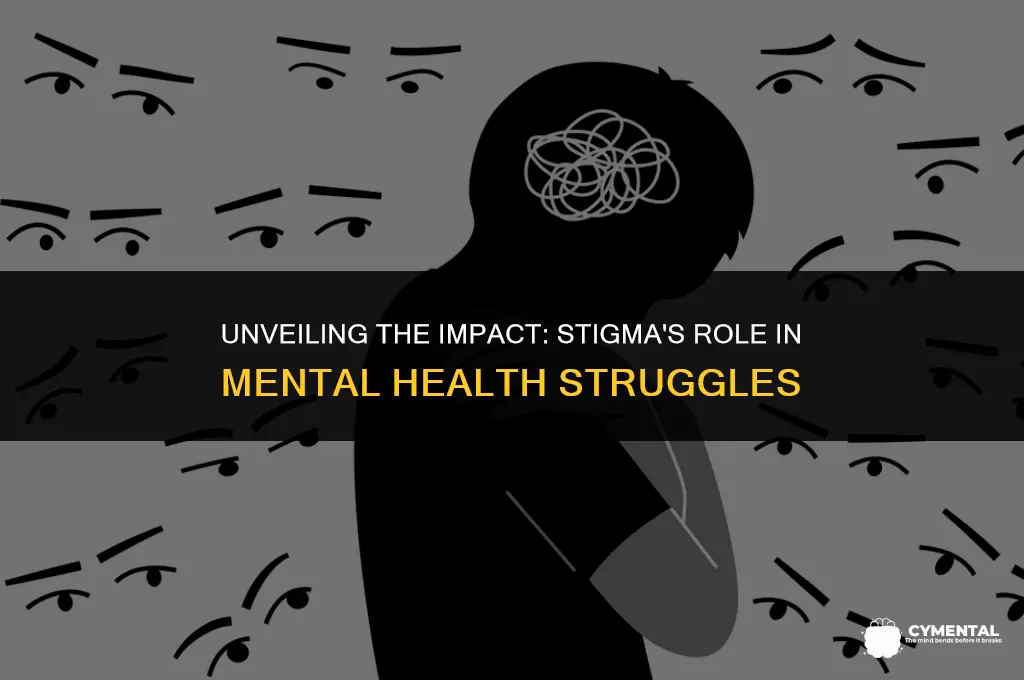
Stigma surrounding mental health remains a pervasive issue that significantly impacts individuals' well-being and societal attitudes. It manifests as negative beliefs, attitudes, and behaviors towards people experiencing mental health challenges, often leading to discrimination, isolation, and reduced access to care. This stigma can stem from various sources, including cultural norms, media portrayals, and lack of education. Its effects are far-reaching, contributing to increased suffering, delayed treatment seeking, and poorer health outcomes for those affected. Addressing stigma is crucial for promoting mental health awareness, encouraging open conversations, and fostering a supportive environment where individuals feel empowered to seek help without fear of judgment or rejection.
| Characteristics | Values |
|---|---|
| Definition | Stigma is a mark of disgrace or shame that can lead to social exclusion and discrimination. |
| Types | There are three main types of stigma: public stigma, self-stigma, and structural stigma. |
| Impact on mental health | Stigma can lead to feelings of shame, guilt, and isolation, which can worsen mental health symptoms and prevent individuals from seeking help. |
| Examples | Public stigma: negative attitudes and beliefs about mental illness held by society. Self-stigma: internalized negative beliefs about oneself due to mental illness. Structural stigma: policies and practices that discriminate against individuals with mental illness. |
| Consequences | Stigma can lead to decreased access to mental health care, increased social isolation, and poorer overall health outcomes. |
| Strategies to combat stigma | Education and awareness campaigns, promoting positive representations of mental illness in media, and advocating for policies that protect the rights of individuals with mental illness. |
Explore related products


What You'll Learn
- Social Isolation: Stigma leads to exclusion, causing individuals to withdraw from social interactions, exacerbating feelings of loneliness
- Delayed Treatment: Fear of judgment may deter people from seeking timely professional help, worsening mental health conditions
- Self-Esteem Impact: Internalized stigma can lower self-esteem, making individuals feel worthless or ashamed of their condition
- Discrimination: Stigmatized individuals may face discrimination in various aspects of life, including employment and relationships
- Stereotyping: Media and societal stereotypes can reinforce negative perceptions, contributing to the stigma surrounding mental illness

Social Isolation: Stigma leads to exclusion, causing individuals to withdraw from social interactions, exacerbating feelings of loneliness
Stigma often manifests as social exclusion, where individuals are shunned or ostracized by their communities due to their mental health conditions. This exclusion can lead to profound social isolation, as people withdraw from social interactions to avoid further rejection or judgment. The resulting loneliness can significantly exacerbate mental health issues, creating a vicious cycle where the individual's condition worsens due to lack of social support and connection.
One of the most insidious effects of stigma is its ability to internalize shame and guilt within the individual. When people are repeatedly told that their mental health struggles are a sign of weakness or a personal failing, they may begin to believe these messages, leading to a deep sense of self-loathing and inadequacy. This internalized stigma can be particularly damaging, as it undermines the individual's self-esteem and hinders their ability to seek help or form meaningful connections with others.
Moreover, social isolation can have severe consequences on an individual's overall well-being. Research has shown that chronic loneliness can lead to increased stress levels, impaired immune function, and even a higher risk of mortality. In the context of mental health, social isolation can worsen symptoms of depression, anxiety, and other conditions, making it more challenging for individuals to recover or manage their illnesses effectively.
Breaking the cycle of stigma and social isolation requires a multifaceted approach. It involves challenging negative stereotypes and misconceptions about mental health, promoting education and awareness, and fostering inclusive communities that value and support individuals regardless of their mental health status. By addressing the root causes of stigma and creating a more compassionate and understanding society, we can help mitigate the harmful effects of social isolation on mental health and encourage individuals to seek the support and connections they need to thrive.
The Impact of Vaping on Mental Health: A Comprehensive Guide
You may want to see also
Explore related products


Delayed Treatment: Fear of judgment may deter people from seeking timely professional help, worsening mental health conditions
Fear of judgment is a powerful deterrent that can prevent individuals from seeking the professional help they need for mental health issues. This delay in treatment can have severe consequences, as mental health conditions often worsen without timely intervention. The stigma surrounding mental illness creates an environment where people may feel ashamed or embarrassed to admit they are struggling, leading them to avoid reaching out for support.
One of the most significant impacts of delayed treatment is the potential for mental health conditions to escalate. For example, untreated depression can lead to suicidal thoughts or attempts, while untreated anxiety disorders can result in debilitating panic attacks. Additionally, the longer a mental health condition goes untreated, the more difficult it may be to manage and recover from. This can lead to a decreased quality of life, strained relationships, and difficulties in maintaining employment or academic performance.
The fear of judgment also perpetuates the cycle of stigma, as individuals who do not seek help may continue to suffer in silence, reinforcing the notion that mental illness is something to be ashamed of. This can have a ripple effect, discouraging others from seeking help and perpetuating the harmful stereotypes and misconceptions surrounding mental health.
To combat this issue, it is essential to create a culture of openness and acceptance around mental health. This can be achieved through education and awareness campaigns, as well as by encouraging open conversations about mental health in various settings, such as schools, workplaces, and communities. By reducing the stigma associated with mental illness, we can help individuals feel more comfortable seeking the help they need, ultimately leading to better outcomes and improved overall well-being.
In conclusion, the fear of judgment is a significant barrier to seeking timely professional help for mental health issues. This delay in treatment can have severe consequences, including the worsening of mental health conditions and a decreased quality of life. To address this issue, it is crucial to work towards reducing stigma and creating a more supportive and accepting environment for individuals struggling with mental health concerns.
Understanding Grief's Impact: How Loss Affects Mental Health
You may want to see also
Explore related products


Self-Esteem Impact: Internalized stigma can lower self-esteem, making individuals feel worthless or ashamed of their condition
Internalized stigma, a pervasive and insidious form of discrimination, can have a profound impact on an individual's self-esteem. When people internalize negative stereotypes and beliefs about their mental health condition, they may begin to view themselves as flawed or inadequate. This self-perception can lead to feelings of worthlessness, shame, and guilt, which can further exacerbate their mental health struggles.
One of the most damaging aspects of internalized stigma is that it can create a sense of isolation. Individuals may feel that they are alone in their experiences, that no one else could possibly understand what they are going through. This isolation can lead to a lack of social support, which is crucial for maintaining good mental health. Furthermore, internalized stigma can also lead to a lack of self-care, as individuals may feel that they do not deserve to take care of themselves or that their needs are not important.
It is important to note that internalized stigma can affect anyone, regardless of their background or circumstances. However, certain groups may be more vulnerable to its effects, such as those who have experienced trauma, discrimination, or marginalization. For example, individuals from minority communities may face additional layers of stigma due to their race, ethnicity, or sexual orientation, which can compound the negative impact on their self-esteem.
Breaking free from the cycle of internalized stigma requires a multifaceted approach. One key step is to increase awareness and education about mental health conditions, in order to dispel myths and misconceptions. This can help individuals to understand that their experiences are not unique, and that they are not alone. Additionally, promoting self-compassion and self-acceptance can help to counteract the negative effects of internalized stigma. This may involve encouraging individuals to practice mindfulness, to focus on their strengths and accomplishments, and to surround themselves with supportive people.
Ultimately, addressing internalized stigma is a critical component of improving mental health outcomes. By recognizing the damaging effects of stigma and taking steps to mitigate its impact, we can help individuals to reclaim their sense of self-worth and to live more fulfilling lives.
The Impact of Cyberbullying on Mental Health: A Growing Concern
You may want to see also
Explore related products


Discrimination: Stigmatized individuals may face discrimination in various aspects of life, including employment and relationships
Stigmatized individuals often encounter discrimination in multiple facets of their lives, which can significantly exacerbate their mental health challenges. In the realm of employment, discrimination can manifest as unfair hiring practices, denial of promotions, or even termination based on an individual's mental health status or perceived stigma. This can lead to financial instability, loss of self-esteem, and increased anxiety and depression.
In relationships, discrimination against stigmatized individuals can take the form of social exclusion, rejection by friends and family, or difficulties in forming new connections. This social isolation can compound feelings of loneliness and worthlessness, further deteriorating mental health. Moreover, discrimination in healthcare settings can result in inadequate treatment, misdiagnosis, or neglect, which can have severe consequences for an individual's physical and emotional well-being.
To combat discrimination and its impact on mental health, it is essential to promote awareness and education about mental health issues and the harmful effects of stigma. This can be achieved through public campaigns, workshops, and training programs that emphasize empathy, understanding, and inclusivity. Additionally, implementing anti-discrimination laws and policies in workplaces, healthcare facilities, and other institutions can help protect the rights of stigmatized individuals and ensure they receive fair treatment.
Empowering stigmatized individuals to speak out about their experiences and advocate for their rights is also crucial. Support groups and peer-led initiatives can provide a platform for individuals to share their stories, gain support, and develop strategies to challenge discrimination. By fostering a culture of acceptance and respect, we can work towards reducing the negative impact of discrimination on the mental health of stigmatized individuals and promote a more inclusive and supportive society.
The Impact of Social Media on Teen Mental Health
You may want to see also
Explore related products


Stereotyping: Media and societal stereotypes can reinforce negative perceptions, contributing to the stigma surrounding mental illness
Media and societal stereotypes play a significant role in shaping public perceptions of mental illness. Often, these stereotypes are negative and misleading, portraying individuals with mental health conditions as dangerous, unpredictable, or weak. Such representations can be deeply harmful, as they contribute to the stigma surrounding mental illness, making it more difficult for those affected to seek help and support.
One of the primary ways in which stereotypes are perpetuated is through the media. Movies, television shows, and news articles often depict characters with mental illnesses in a sensationalized or inaccurate manner. For example, a character with schizophrenia might be shown as violent or erratic, despite the fact that the majority of individuals with schizophrenia are not violent and can lead stable, productive lives with proper treatment. These portrayals can create a distorted view of mental illness, leading the public to fear or misunderstand those who are affected.
Societal stereotypes also contribute to the stigma surrounding mental illness. Cultural beliefs and attitudes can influence how mental health conditions are perceived and treated. In some cultures, mental illness might be seen as a sign of weakness or a lack of faith, leading individuals to hide their struggles or avoid seeking professional help. Additionally, language used in everyday conversation can perpetuate stereotypes, such as using terms like "crazy" or "insane" to describe someone with a mental health condition.
The impact of these stereotypes is significant. They can lead to discrimination and social exclusion, making it difficult for individuals with mental illnesses to find employment, housing, or social support. Furthermore, the fear and misunderstanding generated by stereotypes can prevent people from seeking necessary treatment, exacerbating their symptoms and reducing their quality of life.
To combat the negative effects of stereotyping, it is essential to promote accurate and positive representations of mental illness in the media and in society at large. This can be achieved through education, advocacy, and the sharing of personal stories that challenge stereotypes and highlight the realities of living with a mental health condition. By working to change public perceptions, we can reduce the stigma surrounding mental illness and create a more supportive and inclusive environment for those affected.
The Impact of Mental and Emotional Illnesses on Social Well-being
You may want to see also
Frequently asked questions
Stigma in mental health refers to the negative attitudes, beliefs, and stereotypes that society holds about people with mental illnesses. It can lead to discrimination, prejudice, and a lack of understanding and support for those affected.
Stigma can have severe consequences for individuals with mental health conditions. It can lead to feelings of shame, guilt, and isolation, preventing them from seeking help and support. Stigma can also affect their self-esteem, relationships, and overall quality of life.
Reducing stigma surrounding mental health involves increasing awareness and education about mental illnesses, promoting positive representations in media, and fostering open and supportive conversations. It's also important to challenge negative stereotypes and encourage empathy and understanding towards those affected.
Addressing stigma in mental health is crucial because it can improve access to care, increase support for those affected, and ultimately lead to better mental health outcomes. By reducing stigma, we can create a more inclusive and supportive society where individuals feel comfortable seeking help and discussing their mental health challenges.