Lucas Bennett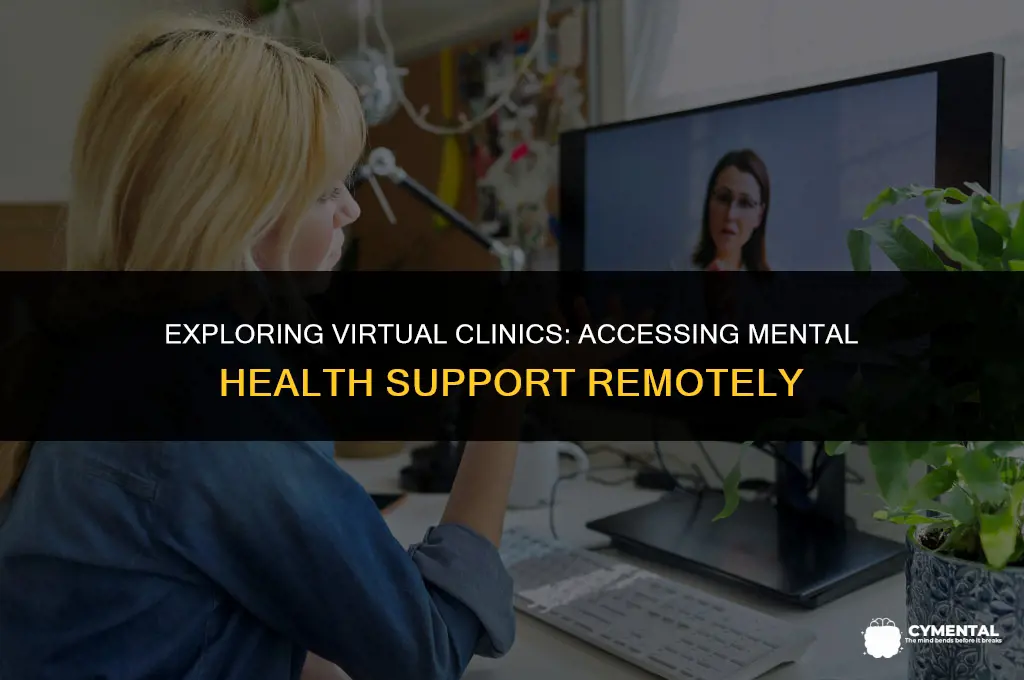
Virtual clinics have become an increasingly popular option for accessing mental health support, especially in light of the COVID-19 pandemic. These online platforms allow individuals to receive counseling, therapy, and psychiatric services remotely, often via video conferencing or phone calls. This can be particularly beneficial for those who live in areas with limited mental health resources, have mobility issues, or prefer the convenience and privacy of receiving care from their own homes. However, it's important to note that virtual mental health care may not be suitable for everyone, and some individuals may require in-person treatment for more intensive or specialized care.
Explore related products


$39.19 $48.99


What You'll Learn
- Types of Virtual Mental Health Services: Online therapy, counseling, medication management, and support groups
- Benefits of Virtual Clinics: Convenience, accessibility, reduced stigma, and cost-effectiveness for mental health care
- How to Choose a Virtual Clinic: Research, read reviews, ensure licensed professionals, and check insurance coverage?
- Common Mental Health Conditions Treated: Depression, anxiety, stress, ADHD, and sleep disorders
- Technology Requirements: Stable internet, computer or smartphone, and video conferencing capabilities

Types of Virtual Mental Health Services: Online therapy, counseling, medication management, and support groups
Online therapy, also known as teletherapy, allows individuals to receive mental health support remotely through video conferencing, phone calls, or messaging platforms. This type of service is particularly beneficial for those with mobility issues, busy schedules, or living in areas with limited access to mental health professionals. Online therapy can encompass various therapeutic approaches, such as cognitive-behavioral therapy (CBT), dialectical behavior therapy (DBT), and psychodynamic therapy.
Virtual counseling services are similar to online therapy but may focus more on providing guidance and support for specific issues rather than long-term therapeutic treatment. These services can be accessed through online platforms, apps, or websites, and often offer flexible scheduling options. Virtual counseling can address a wide range of concerns, including relationship issues, career guidance, and stress management.
Medication management through virtual clinics involves consulting with a psychiatrist or other qualified healthcare provider to discuss, prescribe, and monitor psychiatric medications. This service is particularly useful for individuals who require ongoing medication management but may have difficulty accessing in-person appointments. Virtual medication management typically includes regular check-ins to assess medication effectiveness and potential side effects.
Online support groups provide a platform for individuals to connect with others who share similar experiences or challenges. These groups can be facilitated by mental health professionals or peer leaders and may focus on specific conditions, such as depression, anxiety, or addiction. Online support groups offer a sense of community and can be accessed from the comfort of one's own home, making them a convenient option for those seeking additional support.
When considering virtual mental health services, it's essential to ensure that the platform or provider is reputable and secure. Look for services that use encrypted communication channels and adhere to privacy regulations, such as HIPAA in the United States. Additionally, consider the qualifications and experience of the mental health professionals offering the services.
In conclusion, virtual mental health services offer a range of options for individuals seeking support, including online therapy, counseling, medication management, and support groups. These services can be a convenient and accessible way to receive mental health care, particularly for those with limited access to in-person resources. However, it's crucial to research and choose a reputable provider to ensure the quality and security of the services received.
Navigating the VA Disability Claims Process for Depression: A Comprehensive Guide
You may want to see also
Explore related products


Benefits of Virtual Clinics: Convenience, accessibility, reduced stigma, and cost-effectiveness for mental health care
Virtual clinics have revolutionized the way mental health care is delivered, offering numerous benefits that traditional in-person clinics may not provide. One of the primary advantages is convenience. Patients can access mental health support from the comfort of their own homes, eliminating the need for travel and reducing the time spent in waiting rooms. This is particularly beneficial for individuals with busy schedules, those who live in remote areas, or those who have mobility issues.
Accessibility is another significant benefit of virtual clinics. They provide an opportunity for people who might not have access to mental health services otherwise, such as those in underserved communities or those who are unable to leave their homes due to various reasons. Virtual clinics also offer a wider range of specialists, allowing patients to find the specific type of mental health support they need.
Reduced stigma is a crucial aspect of virtual mental health care. Many individuals hesitate to seek mental health support due to the fear of being judged or labeled. Virtual clinics provide a more private and discreet environment, which can help alleviate these concerns and encourage more people to seek the help they need.
Cost-effectiveness is another key advantage of virtual clinics. They often have lower overhead costs compared to traditional clinics, which can result in more affordable services for patients. Additionally, virtual clinics may offer more flexible payment options and may be covered by insurance plans, making mental health care more accessible to a broader range of people.
In conclusion, virtual clinics offer a convenient, accessible, and cost-effective solution for mental health care, while also helping to reduce the stigma associated with seeking help. These benefits make virtual clinics an increasingly popular option for individuals looking to prioritize their mental health.
Liberating Yourself: A Guide to Overcoming Mental Pain
You may want to see also
Explore related products


How to Choose a Virtual Clinic: Research, read reviews, ensure licensed professionals, and check insurance coverage
Choosing a virtual clinic for mental health support requires careful consideration to ensure you receive quality care. Begin by researching the clinic's reputation and credentials. Look for clinics that have a strong online presence and provide detailed information about their services, staff, and qualifications. Check if the clinic is accredited by relevant healthcare organizations and if their professionals are licensed to practice in your state.
Reading reviews from previous patients can offer valuable insights into the clinic's performance and patient satisfaction. Search for reviews on the clinic's website, social media platforms, and independent review sites. Pay attention to both positive and negative feedback, and look for patterns in the comments. If possible, reach out to friends or family members who have used virtual mental health services for recommendations.
Ensuring that the clinic employs licensed professionals is crucial for your safety and the effectiveness of your treatment. Verify the credentials of the therapists, psychiatrists, or counselors who will be providing your care. Most clinics will have this information readily available on their website or will be able to provide it upon request. If you are unsure about a professional's qualifications, you can also check with your state's licensing board.
Checking insurance coverage is another important step in choosing a virtual clinic. Contact your insurance provider to determine if they cover virtual mental health services and if the clinic you are considering is in-network. This can help you avoid unexpected costs and ensure that you are able to access the care you need. If you do not have insurance, inquire about the clinic's self-pay options and any available financial assistance programs.
In addition to these factors, consider the clinic's approach to treatment and whether it aligns with your personal preferences and needs. Some clinics may specialize in specific therapeutic modalities or offer additional services such as medication management or support groups. Evaluate the clinic's communication policies, including how they handle emergencies and after-hours support.
By taking the time to research, read reviews, ensure licensed professionals, and check insurance coverage, you can make an informed decision when choosing a virtual clinic for mental health support. This will help you find a reputable and reliable provider that can offer you the care and support you need to improve your mental well-being.
Recognizing Mental Abuse: A Guide for Teens and Young Adults
You may want to see also
Explore related products

$8.99 $15.95


Common Mental Health Conditions Treated: Depression, anxiety, stress, ADHD, and sleep disorders
Depression, anxiety, stress, ADHD, and sleep disorders are among the most common mental health conditions that can be effectively treated through virtual clinics. These platforms offer a range of therapeutic approaches, including cognitive-behavioral therapy (CBT), medication management, and mindfulness-based interventions. For instance, CBT is particularly useful for treating depression and anxiety by helping patients identify and challenge negative thought patterns. Virtual clinics often provide access to licensed therapists who can conduct video sessions, making it convenient for patients to receive care from the comfort of their own homes.
One of the key benefits of virtual clinics is their ability to reach underserved populations, including those in rural areas or individuals with mobility issues. These clinics can also offer more flexible scheduling options, which is particularly helpful for people with busy lifestyles or those who may have difficulty taking time off work for appointments. Additionally, virtual clinics often have shorter wait times compared to traditional in-person services, allowing patients to receive timely care when they need it most.
However, it's important to note that virtual clinics may not be suitable for all patients or conditions. For example, individuals with severe mental health issues or those who require intensive therapy may benefit more from in-person treatment. It's also crucial for patients to ensure they have a reliable internet connection and a private space for their virtual sessions to maintain confidentiality and maximize the effectiveness of their treatment.
In conclusion, virtual clinics can be a valuable resource for treating common mental health conditions such as depression, anxiety, stress, ADHD, and sleep disorders. They offer convenience, flexibility, and accessibility, making mental health care more attainable for a wider range of individuals. However, patients should carefully consider their specific needs and circumstances to determine if virtual treatment is the right option for them.
Understanding Involuntary Commitment: A Guide for Healthcare Professionals
You may want to see also
Explore related products


Technology Requirements: Stable internet, computer or smartphone, and video conferencing capabilities
To access mental health support through a virtual clinic, certain technology requirements must be met to ensure a smooth and effective experience. These include a stable internet connection, a computer or smartphone, and video conferencing capabilities.
A stable internet connection is crucial for uninterrupted video sessions with mental health professionals. A minimum download and upload speed of 1 Mbps is recommended to prevent buffering and ensure clear communication. It's also advisable to use a wired connection if possible, as this can provide a more reliable and consistent connection compared to Wi-Fi.
In terms of hardware, a computer or smartphone with a functioning camera and microphone is necessary for video conferencing. Most modern devices meet these requirements, but it's important to check that your device's camera and microphone are working properly before your first virtual appointment. Additionally, using headphones or earbuds can help to reduce background noise and improve the overall quality of the call.
Video conferencing capabilities are typically provided by the virtual clinic itself, often through a secure and HIPAA-compliant platform. Patients may need to download and install specific software or apps, such as Zoom or Telehealth, depending on the clinic's preferred platform. It's important to familiarize yourself with the platform's features and functions before your first appointment to ensure a seamless experience.
Meeting these technology requirements will help to ensure that you can access mental health support through a virtual clinic effectively and efficiently. By taking the time to prepare your technology setup, you can focus on what's most important – your mental health and wellbeing.
Exploring Options: Where to Obtain Brain Scans for Mental Health Assessments
You may want to see also
Frequently asked questions
Yes, many virtual clinics offer mental health support services. These services can include therapy sessions, counseling, and consultations with mental health professionals. Virtual clinics provide a convenient and accessible way to receive mental health care, especially for those who may have difficulty accessing in-person services.
At a virtual clinic, you can expect to interact with a variety of mental health professionals, such as licensed therapists, psychologists, psychiatrists, and counselors. These professionals are trained to provide support and treatment for a range of mental health conditions and can offer personalized care to meet your specific needs.
The process of receiving mental health support through a virtual clinic typically involves scheduling an appointment online or through a mobile app. Once your appointment is scheduled, you will receive a link to join a video call with your mental health professional at the designated time. During the call, you can discuss your concerns, receive guidance, and develop a treatment plan. Some virtual clinics also offer messaging services for follow-up communication between appointments.