Caleb Wright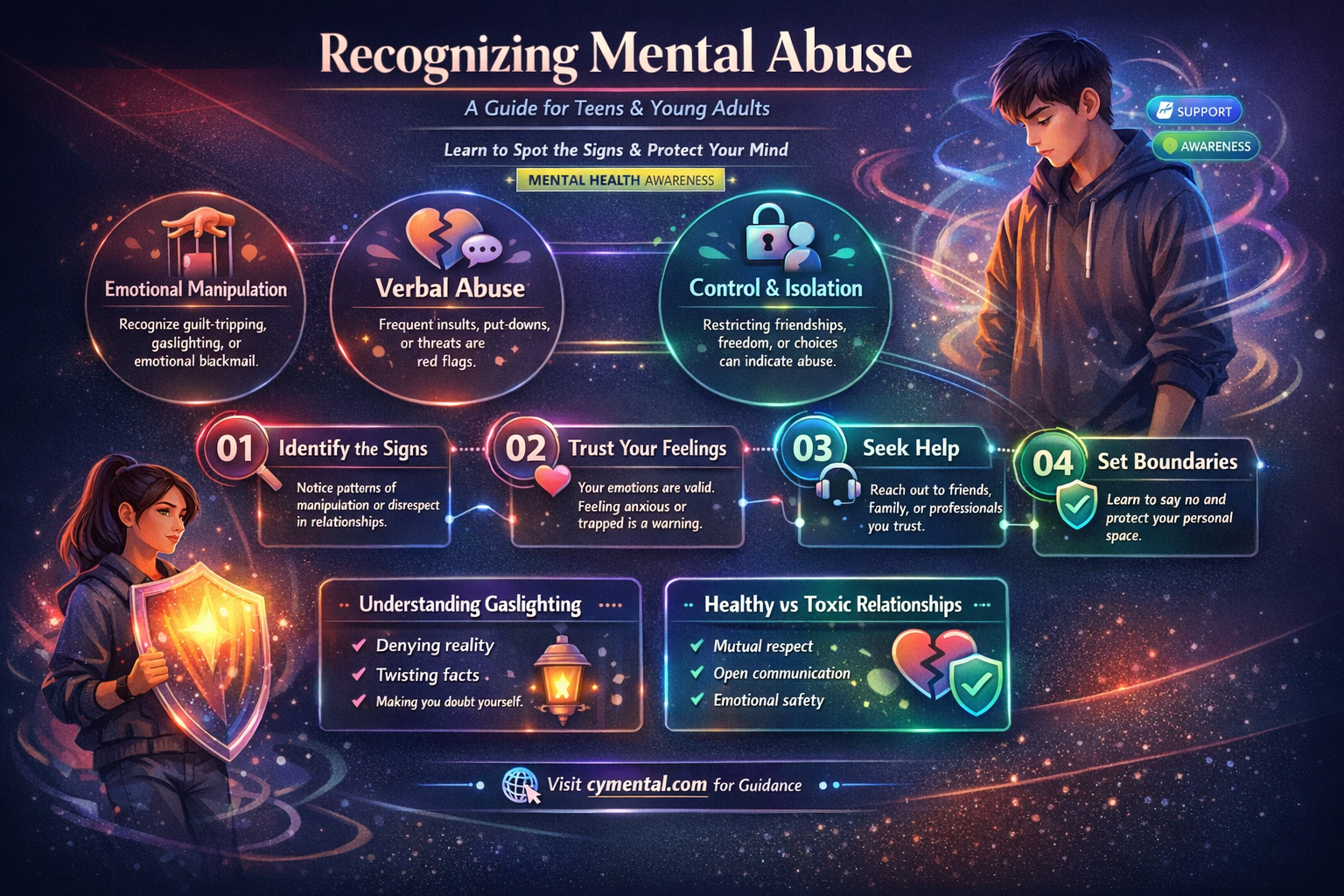
Mental abuse, also known as psychological abuse, is a form of mistreatment that can have profound and lasting effects on an individual's emotional and psychological well-being. It often involves behaviors such as manipulation, belittling, and intimidation, which can be particularly damaging when perpetrated by parents, who are supposed to provide a safe and nurturing environment for their children. If you are questioning whether you are experiencing mental abuse at the hands of your parents, it is important to recognize the signs and seek support. Some common indicators of mental abuse include constant criticism, being told you are worthless or stupid, being blamed for everything, and feeling like you are walking on eggshells around your parents. It is crucial to remember that you are not alone and that there are resources available to help you. Reaching out to a trusted friend, family member, or mental health professional can be the first step towards healing and reclaiming your life.
Explore related products

$9.55 $17.99


What You'll Learn
- Signs of Emotional Abuse: Recognizing behaviors like constant criticism, belittling, and humiliation
- Impact on Mental Health: Understanding how parental abuse can lead to anxiety, depression, and low self-esteem
- Strategies for Coping: Developing resilience, seeking support from friends or professionals, and practicing self-care
- Legal and Social Resources: Exploring options like therapy, support groups, and legal aid for victims of abuse
- Breaking the Cycle: Learning how to set boundaries, communicate assertively, and create a healthier relationship dynamic

Signs of Emotional Abuse: Recognizing behaviors like constant criticism, belittling, and humiliation
Emotional abuse can be insidious, often masquerading as normal interactions within a family dynamic. One of the most telling signs is a pattern of constant criticism. This isn't just about pointing out mistakes or offering constructive feedback; it's about relentless nitpicking and fault-finding that can erode a person's self-esteem over time. If your parents frequently find fault with you, dismiss your accomplishments, or make you feel inadequate, it's a red flag that you may be experiencing emotional abuse.
Belittling is another common tactic used by emotional abusers. This can manifest in various ways, such as mocking your interests, ridiculing your opinions, or making light of your feelings. If your parents often make you feel small or insignificant, it's crucial to recognize that this behavior is not acceptable and can have long-lasting negative effects on your mental health.
Humiliation is a particularly damaging form of emotional abuse. It involves publicly shaming or embarrassing someone, often to assert dominance or control. If your parents frequently humiliate you in front of others, whether it's through verbal attacks or physical gestures, it's a clear indication that you are being emotionally abused. This type of behavior can lead to feelings of shame, guilt, and low self-worth, making it essential to address and seek support.
Recognizing these signs is the first step towards addressing emotional abuse. It's important to remember that you are not alone and that there are resources available to help you. If you suspect that you are being emotionally abused by your parents, reach out to a trusted friend, family member, or mental health professional for support. They can provide guidance, validation, and help you develop strategies to cope with and address the abuse.
In conclusion, emotional abuse is a serious issue that can have profound impacts on a person's mental and emotional well-being. By recognizing the signs of constant criticism, belittling, and humiliation, you can take the first step towards seeking help and reclaiming your self-worth. Remember, you deserve to be treated with respect and kindness, and there is support available to help you navigate this challenging situation.
Exploring Canine Mental Health: Do Dogs Experience Mental Illness?
You may want to see also
Explore related products

Impact on Mental Health: Understanding how parental abuse can lead to anxiety, depression, and low self-esteem
Parental abuse can have profound and lasting effects on an individual's mental health. Understanding these impacts is crucial for recognizing the signs of abuse and seeking appropriate help. One of the most significant consequences of parental abuse is the development of anxiety disorders. Constant criticism, belittling, and threats can create a pervasive sense of fear and uncertainty, leading to chronic anxiety. This anxiety can manifest in various ways, including panic attacks, obsessive-compulsive behaviors, and generalized worry.
Depression is another common outcome of parental abuse. The emotional toll of being subjected to abuse can lead to feelings of hopelessness, helplessness, and worthlessness. These feelings can persist into adulthood, affecting one's ability to form healthy relationships and function in daily life. The risk of developing depression is particularly high when the abuse is severe, prolonged, or involves physical violence.
Low self-esteem is a pervasive issue among survivors of parental abuse. Being constantly demeaned and invalidated can lead to a negative self-image and a lack of confidence in one's abilities. This can impact various aspects of life, including academic performance, career choices, and social interactions. Individuals with low self-esteem may also be more susceptible to other mental health issues, such as eating disorders and substance abuse.
It is important to note that the effects of parental abuse can vary widely depending on the individual and the specific circumstances of the abuse. Some people may develop resilience and coping mechanisms that help them mitigate the negative impacts, while others may struggle with mental health issues for years. Seeking professional help, such as therapy or counseling, can be an important step in addressing these issues and promoting healing and recovery.
In conclusion, the impact of parental abuse on mental health is complex and multifaceted. Recognizing the signs of abuse and understanding its potential consequences are essential for providing support and resources to those affected. By addressing the root causes of mental health issues stemming from parental abuse, individuals can begin to heal and rebuild their lives.
Where to Get CPR and First Aid Certified: A Comprehensive Guide
You may want to see also
Strategies for Coping: Developing resilience, seeking support from friends or professionals, and practicing self-care
Building resilience is a crucial strategy for coping with mental abuse. This involves developing a strong sense of self-worth and self-confidence, which can be achieved through positive self-talk, setting realistic goals, and celebrating personal achievements. Resilience also means learning to adapt to difficult situations and bouncing back from setbacks. One way to build resilience is by practicing mindfulness and meditation, which can help reduce stress and anxiety and increase emotional regulation.
Seeking support from friends or professionals is another important coping strategy. Talking to trusted friends or family members can provide emotional validation and help you feel less isolated. Professional counseling or therapy can also be beneficial, as it provides a safe and supportive environment to process your experiences and develop coping skills. When seeking professional help, it's important to find a therapist who specializes in trauma and abuse, and who you feel comfortable with.
Practicing self-care is essential for maintaining your physical and emotional well-being. This can include engaging in regular exercise, eating a healthy diet, getting enough sleep, and participating in activities you enjoy. Self-care also means setting boundaries and learning to say no to things that drain your energy or cause you stress. Taking time for yourself each day, even if it's just a few minutes, can help you recharge and feel more grounded.
In addition to these strategies, it's important to educate yourself about mental abuse and its effects. Understanding the dynamics of abuse can help you recognize the signs and take steps to protect yourself. It can also be helpful to connect with others who have experienced similar situations, either through support groups or online communities. Remember, you are not alone, and there is help available.
When coping with mental abuse, it's crucial to prioritize your safety and well-being. This may mean creating a safety plan, which includes identifying safe places to go, people to contact, and ways to document the abuse. It's also important to trust your instincts and seek help if you feel threatened or in danger. Remember, you have the right to live a life free from abuse, and there are resources available to support you.
Navigating the Journey: Overcoming Mental Health Challenges
You may want to see also
Legal and Social Resources: Exploring options like therapy, support groups, and legal aid for victims of abuse
Victims of mental abuse often face a complex web of challenges, including emotional trauma, psychological distress, and practical difficulties in seeking help. One crucial aspect of addressing mental abuse is understanding the legal and social resources available to support victims. This section will explore various options, such as therapy, support groups, and legal aid, providing a comprehensive guide for those seeking assistance.
Therapy is a vital resource for victims of mental abuse, offering a safe and supportive environment to process traumatic experiences, develop coping strategies, and rebuild self-esteem. Cognitive-behavioral therapy (CBT) and trauma-focused cognitive-behavioral therapy (TF-CBT) are effective approaches for addressing the psychological impacts of abuse. Victims can seek therapy through private practitioners, community mental health centers, or specialized abuse treatment programs. It is essential to find a therapist who is experienced in working with abuse victims and who can provide a non-judgmental and empathetic space for healing.
Support groups are another valuable resource for victims of mental abuse, providing a sense of community, validation, and shared understanding. These groups can be found through local mental health organizations, abuse prevention centers, or online platforms. Support groups often follow a structured format, with facilitated discussions, educational components, and opportunities for peer support. They can be particularly helpful for victims who feel isolated or stigmatized, offering a chance to connect with others who have experienced similar struggles.
Legal aid is a critical component of support for victims of mental abuse, particularly when the abuse involves threats, intimidation, or other forms of coercive control. Victims may be eligible for legal assistance through government-funded programs, non-profit organizations, or pro bono services provided by private attorneys. Legal aid can help victims navigate the complexities of the legal system, obtain restraining orders, and access other forms of protection. It is essential for victims to understand their legal rights and options, and to seek assistance from a qualified legal professional.
In addition to these resources, victims of mental abuse may also benefit from other forms of support, such as advocacy services, educational programs, and self-help resources. Advocacy services can help victims navigate the healthcare, legal, and social service systems, while educational programs can provide information on abuse dynamics, healthy relationships, and self-care strategies. Self-help resources, such as books, online articles, and mobile apps, can offer practical tips and tools for coping with abuse and rebuilding one's life.
In conclusion, addressing mental abuse requires a multifaceted approach that includes access to therapy, support groups, legal aid, and other forms of assistance. By understanding and utilizing these resources, victims can take important steps towards healing, recovery, and reclaiming their lives. It is essential for victims to remember that they are not alone, and that there is help available to support them on their journey towards safety and well-being.
Liberating Your Thoughts: Strategies to Redirect Your Mind
You may want to see also
Breaking the Cycle: Learning how to set boundaries, communicate assertively, and create a healthier relationship dynamic
One of the most effective ways to break the cycle of mental abuse is to learn how to set healthy boundaries. This involves clearly defining what behaviors are acceptable and unacceptable in your relationships. Start by identifying the specific actions or words that make you feel uncomfortable or unsafe. Once you have a clear understanding of these triggers, communicate them assertively to your parents. Use "I" statements to express your feelings and needs, such as "I feel hurt when you criticize me in front of others" or "I need you to respect my privacy."
In addition to setting boundaries, it's crucial to develop assertive communication skills. This means learning how to express your thoughts and feelings in a clear, direct, and respectful manner. Practice using a firm but calm tone of voice, and avoid apologizing for your feelings or needs. Remember that you have the right to be heard and respected.
Creating a healthier relationship dynamic also involves learning how to recognize and respond to manipulation tactics. Mental abusers often use guilt, shame, and fear to control their victims. Be aware of these tactics and refuse to engage with them. Instead, focus on maintaining your own emotional well-being and seeking support from healthy relationships.
Seeking professional help can also be an important step in breaking the cycle of mental abuse. A therapist or counselor can provide you with the tools and support you need to develop healthy coping mechanisms and improve your self-esteem. Don't be afraid to reach out for help – it's a sign of strength, not weakness.
Finally, remember that breaking the cycle of mental abuse takes time and effort. Be patient with yourself and celebrate small victories along the way. With persistence and the right support, you can create a healthier, more positive relationship dynamic with your parents.
Understanding Mental Health Days for Illinois Students: A Guide
You may want to see also
Frequently asked questions
Mental abuse can manifest in various ways, including constant criticism, belittling, yelling, threats, manipulation, and controlling behavior. If you feel worthless, anxious, or depressed due to your parents' actions, it may be a sign of mental abuse.
Strict parenting typically involves setting clear rules and boundaries, while mental abuse involves behaviors that are intended to harm or control you emotionally. If your parents' actions make you feel unsafe, unloved, or unworthy, it may be mental abuse rather than just strict parenting.
If you believe you're being mentally abused, it's important to seek help. Talk to a trusted friend, family member, or mental health professional about your experiences. They can offer support and help you develop a plan to address the situation. In some cases, it may be necessary to involve authorities or seek legal help to protect yourself.