Noah Parker
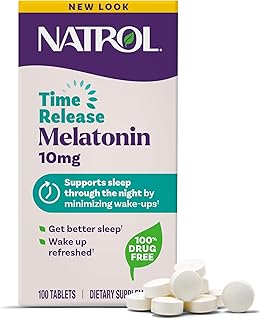
Melatonin is a hormone that plays a crucial role in regulating sleep-wake cycles. While it's primarily known for its sleep-inducing properties, recent research suggests that melatonin may also have an impact on mental health. This connection is not yet fully understood, but studies indicate that melatonin levels could influence mood, anxiety, and even cognitive function. Some experts believe that melatonin supplements might be beneficial for certain mental health conditions, such as depression or seasonal affective disorder. However, it's important to note that more research is needed to determine the exact nature of melatonin's effects on mental health and to establish safe and effective dosages.
Explore related products


What You'll Learn
- Melatonin's role in regulating sleep-wake cycles and its impact on mood stability
- Potential benefits of melatonin supplementation for anxiety and stress reduction
- Possible side effects of melatonin use on mental health, including mood swings
- Interactions between melatonin and other medications commonly used for mental health conditions
- Research on melatonin's effectiveness in treating specific mental health disorders, such as depression

Melatonin's role in regulating sleep-wake cycles and its impact on mood stability
Melatonin plays a crucial role in regulating the body's internal clock, known as the circadian rhythm. This hormone is produced by the pineal gland in response to darkness and helps signal the body that it is time to sleep. By binding to receptors in the brain, melatonin promotes sleep onset and improves sleep quality. Research has shown that melatonin supplementation can be particularly beneficial for individuals with delayed sleep phase syndrome, a condition where the internal clock is misaligned with the external environment, leading to difficulty falling asleep at night and waking up in the morning.
Beyond its sleep-regulating properties, melatonin has also been found to have a significant impact on mood stability. Studies have suggested that melatonin levels may influence the production and regulation of other neurotransmitters, such as serotonin and dopamine, which are closely linked to mood disorders like depression and anxiety. Additionally, melatonin's antioxidant properties may help protect the brain from oxidative stress, which can contribute to the development of mood disorders.
However, it is important to note that while melatonin can be beneficial for some individuals, it is not a one-size-fits-all solution. The effectiveness of melatonin supplementation can vary depending on factors such as age, health status, and the underlying cause of sleep disturbances. Furthermore, excessive melatonin intake can lead to side effects such as drowsiness, headaches, and nausea. It is recommended to consult with a healthcare professional before starting melatonin supplementation to determine the appropriate dosage and to discuss potential interactions with other medications.
In conclusion, melatonin's role in regulating sleep-wake cycles and its impact on mood stability make it a valuable tool for promoting overall mental health. By understanding how melatonin works and its potential benefits and risks, individuals can make informed decisions about whether melatonin supplementation is right for them.
Exploring the Link: How Blood Pressure Impacts Mental Health
You may want to see also
Explore related products

$15.56 $21.49


Potential benefits of melatonin supplementation for anxiety and stress reduction
Melatonin, a hormone naturally produced by the body, plays a crucial role in regulating sleep-wake cycles. Recent studies have suggested that melatonin supplementation may offer potential benefits for anxiety and stress reduction. This is particularly relevant given the increasing prevalence of anxiety disorders and stress-related health issues in modern society.
One of the primary benefits of melatonin supplementation is its ability to improve sleep quality. By promoting deeper, more restful sleep, melatonin can help reduce the physical and mental symptoms of stress and anxiety. This is because adequate sleep is essential for the body's stress response system to function properly. When we are well-rested, our bodies are better equipped to handle stressors and return to a state of balance.
In addition to its sleep-promoting effects, melatonin has been shown to have direct anxiolytic properties. Research indicates that melatonin can interact with various neurotransmitter systems in the brain, such as the GABA and serotonin systems, which are known to play a role in regulating mood and anxiety. By modulating these systems, melatonin may help reduce feelings of anxiety and promote a sense of calm and relaxation.
Furthermore, melatonin supplementation may offer a safer alternative to traditional anxiolytic medications. Many prescription anxiety drugs can have significant side effects and carry the risk of dependence or addiction. In contrast, melatonin is generally considered safe for short-term use and has a lower risk of adverse effects. This makes it an attractive option for individuals seeking a natural approach to managing anxiety and stress.
It is important to note, however, that melatonin supplementation should be approached with caution. As with any supplement, it is essential to consult with a healthcare professional before starting melatonin, particularly if you have any underlying health conditions or are taking other medications. Additionally, melatonin should not be used as a long-term solution for anxiety and stress management. Instead, it should be considered as a temporary aid while addressing the underlying causes of stress and anxiety through lifestyle changes, therapy, or other appropriate interventions.
In conclusion, melatonin supplementation may offer potential benefits for anxiety and stress reduction by improving sleep quality and exerting direct anxiolytic effects. While it can be a safer alternative to traditional medications, it is crucial to use melatonin responsibly and under the guidance of a healthcare professional. By incorporating melatonin into a comprehensive approach to stress and anxiety management, individuals may be able to achieve better overall mental health and well-being.
Nature's Embrace: Unveiling the Mental Health Benefits of the Great Outdoors
You may want to see also
Explore related products


Possible side effects of melatonin use on mental health, including mood swings
Melatonin, a hormone that regulates sleep-wake cycles, is often used as a dietary supplement to treat insomnia and improve sleep quality. However, its impact on mental health is a subject of ongoing research and debate. One potential side effect of melatonin use is mood swings, which can manifest as sudden changes in emotional state, irritability, or anxiety.
Studies have shown that melatonin can affect neurotransmitter levels in the brain, including serotonin and dopamine, which play a crucial role in mood regulation. In some cases, melatonin supplementation may lead to an imbalance in these neurotransmitters, resulting in mood swings or other mental health issues. Additionally, melatonin's sedative effects may contribute to feelings of grogginess or disorientation upon waking, which can negatively impact mood and cognitive function.
It is important to note that the severity and frequency of mood swings associated with melatonin use can vary greatly among individuals. Factors such as dosage, duration of use, and individual sensitivity to the supplement can all influence the likelihood of experiencing mood-related side effects. Furthermore, melatonin may interact with other medications or supplements, potentially exacerbating mood swings or other mental health concerns.
To mitigate the risk of mood swings and other side effects, it is recommended to consult with a healthcare professional before starting melatonin supplementation. They can provide guidance on appropriate dosages, potential interactions, and monitoring for adverse effects. Additionally, individuals using melatonin should be aware of the potential for mood changes and seek medical attention if they experience severe or persistent symptoms.
In conclusion, while melatonin can be an effective tool for improving sleep quality, its potential impact on mental health, including mood swings, should not be overlooked. By understanding the risks and taking appropriate precautions, individuals can make informed decisions about melatonin use and its role in their overall health and well-being.
Exploring the Complex Link Between Brain Tumors and Mental Health
You may want to see also
Explore related products



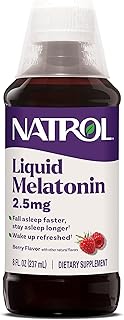

Interactions between melatonin and other medications commonly used for mental health conditions
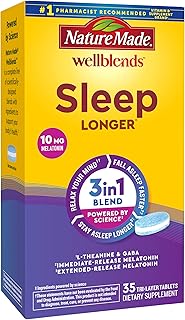
Melatonin, a hormone that regulates sleep-wake cycles, is often used as a dietary supplement to treat insomnia and improve sleep quality. However, its interactions with other medications commonly used for mental health conditions can be complex and potentially harmful. For instance, combining melatonin with antidepressants such as selective serotonin reuptake inhibitors (SSRIs) or tricyclic antidepressants (TCAs) may lead to increased drowsiness, dizziness, and confusion. This is because both melatonin and these antidepressants affect serotonin levels in the brain, and their combined use can result in an overstimulation of serotonin receptors.
Another potential interaction is between melatonin and benzodiazepines, which are often prescribed for anxiety and sleep disorders. The concurrent use of melatonin and benzodiazepines can enhance the sedative effects of both drugs, leading to excessive drowsiness, impaired coordination, and an increased risk of falls, especially in older adults. Furthermore, melatonin may interact with antipsychotic medications, such as olanzapine and quetiapine, which are used to treat conditions like schizophrenia and bipolar disorder. This combination can cause additive sedation and may increase the risk of side effects such as weight gain and metabolic disturbances.
It is also important to consider the potential effects of melatonin on mood stabilizers like lithium and valproate. While melatonin may improve sleep quality in patients taking these medications, it can also affect the levels of these drugs in the blood, potentially leading to either reduced efficacy or increased side effects. Additionally, melatonin's impact on the immune system and its potential to influence the body's response to stress may interact with medications used to treat post-traumatic stress disorder (PTSD) and other anxiety-related conditions.
Given these potential interactions, it is crucial for individuals taking mental health medications to consult with their healthcare provider before starting melatonin supplementation. Healthcare professionals can assess the potential risks and benefits of combining melatonin with other medications and provide guidance on appropriate dosages and monitoring strategies. Patients should also be aware of the signs of potential interactions, such as increased drowsiness, dizziness, or changes in mood, and report any concerns to their healthcare provider promptly.
In conclusion, while melatonin can be a useful tool for improving sleep quality, its interactions with mental health medications must be carefully considered to avoid adverse effects. By understanding these potential interactions and taking appropriate precautions, individuals can safely incorporate melatonin into their treatment regimen under the guidance of a healthcare professional.
Exploring the Impact of Skull Fractures on Mental Health
You may want to see also
Explore related products


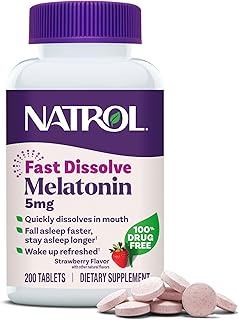
Research on melatonin's effectiveness in treating specific mental health disorders, such as depression
One potential mechanism by which melatonin may exert its antidepressant effects is through its regulation of the body's circadian rhythm. Depression is often characterized by disruptions in sleep-wake cycles, and melatonin plays a crucial role in maintaining these rhythms. By helping to restore a regular sleep pattern, melatonin may alleviate some of the symptoms of depression. Additionally, melatonin has been shown to have antioxidant and anti-inflammatory properties, which may also contribute to its potential antidepressant effects.
Despite these promising findings, it is essential to note that melatonin is not a cure for depression, and its use should be approached with caution. The optimal dosage and duration of melatonin supplementation for depression are not yet established, and individual responses may vary. Furthermore, melatonin can interact with other medications, such as antidepressants, and may not be suitable for everyone. It is always advisable to consult with a healthcare professional before starting any new supplement regimen, especially for individuals with a history of mental health disorders.
In conclusion, while research on melatonin's effectiveness in treating depression is ongoing, the current evidence suggests that it may offer some benefits for individuals with this condition. However, more high-quality studies are needed to confirm these findings and establish the optimal use of melatonin for depression. As with any supplement, it is crucial to weigh the potential benefits against the risks and consult with a healthcare professional before use.
Unraveling the Genetic Blueprint of Mental Health: A Deep Dive
You may want to see also
Frequently asked questions
Melatonin supplements are primarily used to regulate sleep cycles and may help with sleep disorders. While some studies suggest that melatonin may have a positive effect on mental health by improving sleep quality, which can be beneficial for conditions like anxiety and depression, more research is needed to determine its direct impact on mental health conditions.
Yes, there are potential risks and side effects. Melatonin can cause drowsiness, dizziness, and nausea. It may also interact with other medications, particularly those used for mental health conditions. Long-term use of melatonin supplements can lead to dependency, and stopping use abruptly can result in withdrawal symptoms. It's important to consult with a healthcare provider before starting melatonin supplements, especially if you are already taking other medications.
Melatonin is a hormone produced by the pineal gland in the brain. It plays a crucial role in regulating the body's circadian rhythm, which is the internal process that controls sleep-wake cycles. Melatonin levels rise in the evening, signaling the body to prepare for sleep, and decrease in the morning. Because sleep disturbances are common in many mental health conditions, and adequate sleep is essential for overall mental well-being, melatonin supplements are sometimes considered as a potential aid in managing these conditions by promoting better sleep.