Lucas Bennett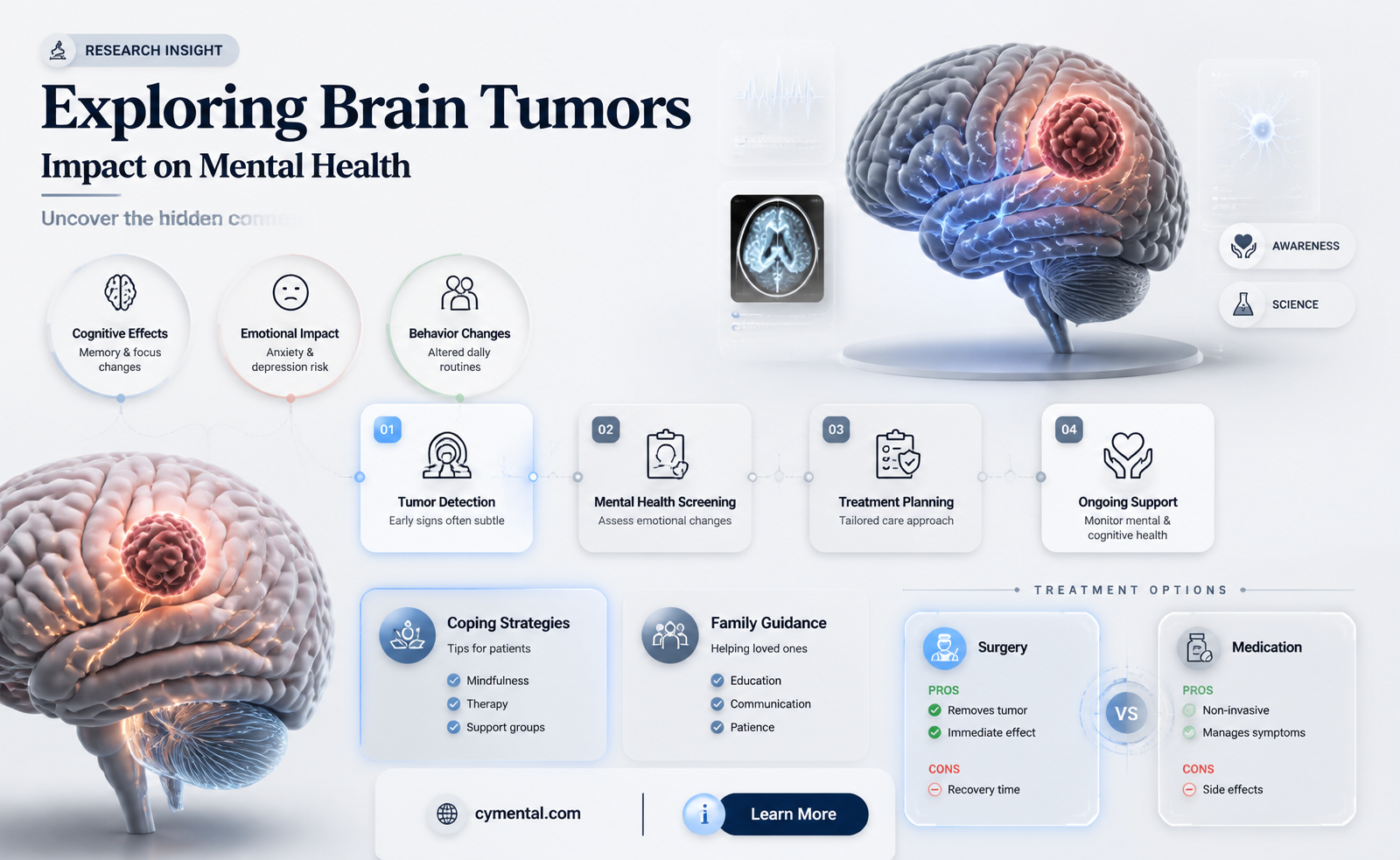
Brain tumors can have a profound impact on mental health, affecting various cognitive and emotional functions. The presence of a tumor can lead to changes in personality, mood swings, and difficulties with concentration and memory. Additionally, the stress of diagnosis and treatment can exacerbate anxiety and depression. It is crucial for patients and caregivers to be aware of these potential effects and seek appropriate support and resources to manage the psychological challenges associated with brain tumors.
Explore related products


What You'll Learn
- Cognitive Changes: Brain tumors can impact memory, attention, and problem-solving abilities, leading to cognitive decline
- Emotional Shifts: Patients may experience mood swings, depression, or anxiety due to tumor-related brain function disruptions
- Personality Alterations: Tumors affecting certain brain regions can lead to noticeable changes in personality traits and behaviors
- Psychological Distress: The diagnosis and treatment of brain tumors can cause significant stress, affecting mental well-being
- Neurological Symptoms: Depending on the tumor's location, patients might exhibit neurological symptoms like seizures or headaches, impacting mental health

Cognitive Changes: Brain tumors can impact memory, attention, and problem-solving abilities, leading to cognitive decline
Brain tumors can significantly impact cognitive functions, leading to noticeable changes in memory, attention, and problem-solving abilities. These cognitive changes can manifest in various ways, affecting both the individual's personal and professional life. For instance, a person may find it increasingly difficult to remember important dates, conversations, or even simple tasks they once performed with ease. This decline in memory can be particularly challenging, as it not only affects the individual's ability to function independently but also places additional strain on their relationships with family and friends.
Attention is another critical cognitive function that can be impaired by brain tumors. Individuals may struggle to maintain focus on tasks, easily becoming distracted or overwhelmed by their surroundings. This can lead to difficulties in completing work assignments, following conversations, or even navigating familiar environments. The inability to concentrate can also contribute to feelings of frustration and anxiety, further exacerbating the mental health challenges faced by those with brain tumors.
Problem-solving abilities are also commonly affected, making it harder for individuals to think critically and make decisions. Simple tasks that require logical reasoning, such as balancing a checkbook or planning a meal, can become daunting. This decline in problem-solving skills can lead to a loss of confidence and independence, as individuals may feel increasingly reliant on others to manage their daily lives.
The cognitive changes associated with brain tumors can also have broader implications for mental health. As individuals struggle with memory, attention, and problem-solving, they may experience increased stress, depression, and anxiety. These mental health challenges can further compound the difficulties faced by those with brain tumors, impacting their overall quality of life and well-being.
In conclusion, the cognitive changes resulting from brain tumors can have a profound impact on an individual's life. Understanding these changes and their implications is crucial for providing appropriate support and care to those affected. By recognizing the specific challenges related to memory, attention, and problem-solving, healthcare professionals and caregivers can develop targeted strategies to help individuals with brain tumors maintain their cognitive functions and improve their overall mental health.
Revitalize Your Mind: The Impact of Interior Design on Mental Health
You may want to see also
Explore related products


Emotional Shifts: Patients may experience mood swings, depression, or anxiety due to tumor-related brain function disruptions
Brain tumors can significantly impact mental health, leading to a range of emotional shifts in patients. These changes are often attributed to the disruption of normal brain function caused by the tumor's presence. Mood swings, depression, and anxiety are among the most common emotional disturbances experienced by individuals with brain tumors.
The exact nature and severity of these emotional shifts can vary widely depending on factors such as the tumor's location, size, and growth rate. For instance, tumors affecting the frontal lobe may lead to changes in personality and behavior, while those impacting the temporal lobe might result in memory problems and mood instability.
Patients may find themselves experiencing sudden and intense mood swings, where they feel fine one moment and overwhelmed the next. This emotional volatility can be particularly challenging for both patients and their caregivers, as it can lead to unpredictable behavior and strained relationships.
Depression is another common emotional shift in brain tumor patients. It can manifest as a persistent feeling of sadness, loss of interest in activities once enjoyed, and a general sense of hopelessness. Anxiety, on the other hand, may present as excessive worry, fear, or nervousness, often accompanied by physical symptoms such as rapid heartbeat and shortness of breath.
It is crucial for healthcare providers to monitor and address these emotional changes as part of the overall treatment plan for brain tumor patients. This may involve psychological counseling, medication, or other supportive care measures to help patients cope with the emotional challenges they face.
In conclusion, emotional shifts such as mood swings, depression, and anxiety are significant concerns for patients with brain tumors. Understanding the underlying causes and providing appropriate support can help improve the quality of life for these individuals as they navigate their health journey.
Exploring the Complex Factors That Influence Mental Health
You may want to see also
Explore related products


Personality Alterations: Tumors affecting certain brain regions can lead to noticeable changes in personality traits and behaviors
Brain tumors can have a profound impact on mental health, particularly when they affect certain regions of the brain responsible for regulating personality traits and behaviors. One of the most striking examples of this is the case of Phineas Gage, a 19th-century railroad worker who survived a severe brain injury after an explosion drove an iron rod through his skull. Following the accident, Gage's personality underwent a dramatic transformation, shifting from a calm and responsible individual to one who was impulsive, irritable, and prone to outbursts of anger.
Modern research has shed light on the specific brain regions that may be involved in such personality alterations. The frontal lobe, for instance, plays a critical role in executive function, decision-making, and emotional regulation. Tumors in this area can lead to changes in personality such as increased aggression, impulsivity, and a lack of inhibitions. Similarly, the temporal lobe is involved in processing emotions and social interactions, and tumors in this region can result in mood swings, paranoia, and a tendency to misinterpret social cues.
In addition to these well-documented cases, there are numerous other examples of how brain tumors can affect mental health. For instance, a study published in the journal Neurology found that patients with brain tumors were more likely to experience depression, anxiety, and cognitive impairment compared to healthy individuals. Another study, published in the journal Cancer, found that patients with brain tumors were at an increased risk of developing post-traumatic stress disorder (PTSD) following their diagnosis.
The mechanisms underlying these personality alterations are complex and multifaceted. In some cases, the tumor itself may be responsible for the changes, as it can disrupt the normal functioning of the brain cells in the affected region. In other cases, the changes may be a result of the body's response to the tumor, such as inflammation or the release of stress hormones. Additionally, the psychological impact of a brain tumor diagnosis can also contribute to changes in personality and behavior, as patients may experience fear, uncertainty, and a sense of loss of control.
Understanding the relationship between brain tumors and personality alterations is crucial for developing effective treatment strategies. By identifying the specific brain regions involved and the underlying mechanisms, clinicians can tailor their interventions to address the unique needs of each patient. This may involve a combination of surgical removal of the tumor, radiation therapy, chemotherapy, and psychological support to help patients cope with the emotional and cognitive challenges they face.
In conclusion, brain tumors can have a significant impact on mental health, leading to noticeable changes in personality traits and behaviors. By studying the specific brain regions involved and the underlying mechanisms, we can develop more effective treatments to help patients manage these challenging symptoms and improve their overall quality of life.
The Interconnection of Body and Mind: Exploring Physical Health's Impact on Mental Well-being
You may want to see also
Explore related products


Psychological Distress: The diagnosis and treatment of brain tumors can cause significant stress, affecting mental well-being
The diagnosis and treatment of brain tumors can be a profoundly stressful experience, significantly impacting a patient's mental well-being. This psychological distress can manifest in various ways, including anxiety, depression, and cognitive changes, which can further complicate the patient's journey. Understanding and addressing these mental health challenges is crucial for providing comprehensive care to individuals with brain tumors.
One of the primary sources of psychological distress in brain tumor patients is the uncertainty surrounding their diagnosis and prognosis. The diagnostic process can be lengthy and invasive, involving multiple tests and consultations with specialists. This uncertainty can lead to heightened anxiety and fear about the future. Additionally, the treatment options for brain tumors, such as surgery, radiation, and chemotherapy, can have significant side effects that affect a patient's quality of life, including fatigue, pain, and changes in cognitive function. These physical symptoms can exacerbate mental health issues, creating a cycle of distress that is difficult to break.
Moreover, brain tumors can directly affect mental health by impacting the brain's structure and function. Depending on the location and size of the tumor, it can interfere with the normal functioning of the brain, leading to symptoms such as mood swings, irritability, and memory problems. These neurological changes can be particularly distressing for patients, as they may struggle to maintain their sense of identity and independence.
To address the psychological distress associated with brain tumors, a multidisciplinary approach is necessary. This may include psychological counseling, support groups, and medication to manage symptoms of anxiety and depression. Cognitive rehabilitation therapy can also be beneficial for patients experiencing cognitive changes due to their tumor or treatment. Furthermore, palliative care services can provide emotional and spiritual support to patients and their families, helping them navigate the complex challenges of living with a brain tumor.
In conclusion, the psychological distress caused by the diagnosis and treatment of brain tumors is a significant aspect of patient care that requires attention and resources. By addressing these mental health challenges, healthcare providers can improve the overall well-being of brain tumor patients and help them cope with the difficult journey ahead.
The Dark Side: Religion's Negative Impact on Mental Health
You may want to see also
Explore related products


Neurological Symptoms: Depending on the tumor's location, patients might exhibit neurological symptoms like seizures or headaches, impacting mental health
Neurological symptoms can significantly impact a patient's mental health, depending on the location and size of the brain tumor. Seizures, for instance, are a common symptom that can lead to anxiety and depression. The unpredictability of seizure episodes can cause patients to feel a loss of control over their lives, affecting their emotional well-being. Moreover, the side effects of anticonvulsant medications used to treat seizures can also contribute to mental health issues, such as mood swings and cognitive impairment.
Headaches are another prevalent neurological symptom associated with brain tumors. Chronic pain can lead to increased stress levels, irritability, and a decreased quality of life. Patients may become withdrawn and isolated, which can exacerbate feelings of loneliness and depression. Furthermore, the constant fear of the headache worsening or the tumor growing can create a sense of hopelessness and despair.
In addition to seizures and headaches, brain tumors can cause a range of other neurological symptoms that impact mental health. For example, tumors located in the frontal lobe may lead to personality changes, such as increased aggression or impulsivity. Tumors in the temporal lobe can cause memory loss and difficulty with language, which can be frustrating and demoralizing for patients. The disruption of normal brain function can also result in mood disorders, such as bipolar disorder or obsessive-compulsive disorder.
It is essential for healthcare providers to recognize the mental health implications of neurological symptoms in brain tumor patients. A multidisciplinary approach, involving neurologists, psychiatrists, and psychologists, can help address the complex needs of these patients. Treatment plans should not only focus on managing the physical symptoms of the tumor but also on providing mental health support and resources. This may include cognitive-behavioral therapy, mindfulness-based stress reduction, or medication management to alleviate anxiety and depression.
In conclusion, the neurological symptoms of brain tumors can have a profound impact on a patient's mental health. By understanding the specific symptoms associated with different tumor locations and providing comprehensive care, healthcare providers can help improve the overall well-being of brain tumor patients.
Exploring the Impact of Culture on Mental Health: A Comprehensive Guide
You may want to see also
Frequently asked questions
Yes, brain tumors can directly affect mental health. The location and size of the tumor can influence various brain functions, including those related to mood, behavior, and cognition.
Common mental health symptoms associated with brain tumors include depression, anxiety, mood swings, irritability, and changes in personality. Cognitive symptoms might also occur, such as memory loss, difficulty concentrating, and confusion.
Brain tumors can disrupt the normal chemistry of the brain by affecting the production and regulation of neurotransmitters, which are chemicals that transmit signals between brain cells. This disruption can lead to imbalances that contribute to mental health issues such as depression and anxiety.
Certain types of brain tumors, such as those located in the frontal lobe or temporal lobe, are more likely to cause mental health symptoms due to their impact on the brain regions responsible for mood and behavior regulation.
Treatment options for managing mental health symptoms caused by brain tumors may include psychotherapy, medication, and supportive care. In some cases, surgical removal of the tumor or radiation therapy may be necessary to alleviate symptoms.