Noah Parker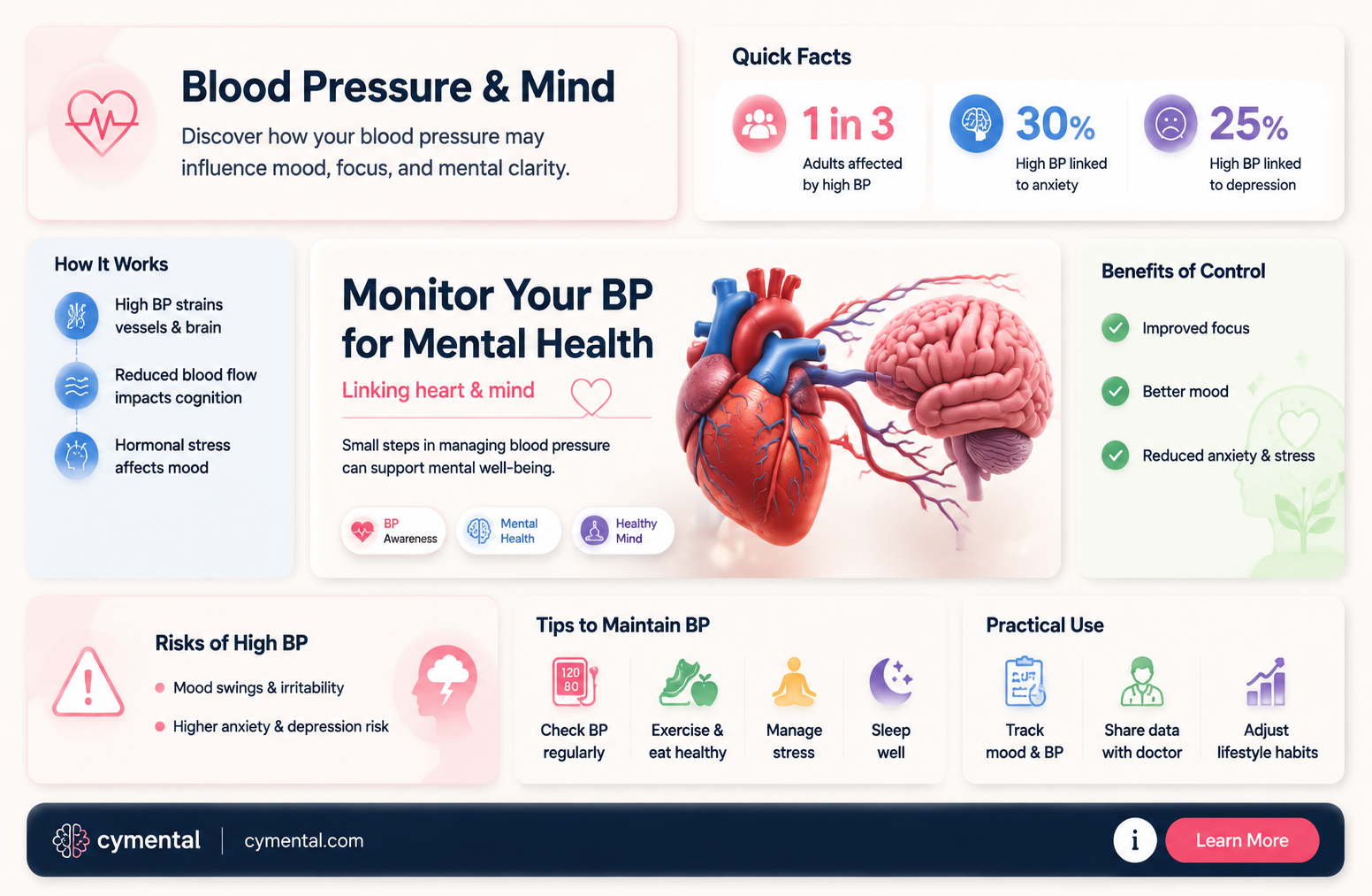
Hypertension, or high blood pressure, is a prevalent condition that affects millions of people worldwide. While it is often associated with physical health risks such as heart disease and stroke, recent research has also highlighted its potential impact on mental health. This connection is multifaceted, involving both physiological and psychological factors. For instance, the stress associated with managing hypertension can contribute to anxiety and depression, while the condition itself may lead to cognitive decline and other neurological issues. Understanding this relationship is crucial for developing comprehensive treatment plans that address both the physical and mental well-being of patients with high blood pressure.
| Characteristics | Values |
|---|---|
| Definition | Blood pressure is the force of blood pushing against the walls of arteries. Mental health refers to a person's emotional, psychological, and social well-being. |
| Normal Range | Normal blood pressure is typically defined as a systolic pressure of less than 120 mmHg and a diastolic pressure of less than 80 mmHg. |
| High Blood Pressure (Hypertension) | A systolic pressure of 130 mmHg or higher, or a diastolic pressure of 90 mmHg or higher, is considered high blood pressure. |
| Low Blood Pressure (Hypotension) | A systolic pressure of less than 90 mmHg or a diastolic pressure of less than 60 mmHg is considered low blood pressure. |
| Impact on Mental Health | High blood pressure can lead to anxiety, depression, and cognitive decline. Low blood pressure can cause dizziness, fainting, and confusion. |
| Risk Factors | Risk factors for high blood pressure include age, obesity, high sodium diet, physical inactivity, alcohol consumption, and stress. Risk factors for low blood pressure include dehydration, blood loss, certain medications, and underlying medical conditions. |
| Symptoms | Symptoms of high blood pressure include headaches, blurred vision, and shortness of breath. Symptoms of low blood pressure include dizziness, nausea, and fatigue. |
| Diagnosis | Blood pressure is typically measured using a sphygmomanometer. A healthcare provider will take multiple readings to determine if a person has high or low blood pressure. |
| Treatment | Treatment for high blood pressure may include lifestyle changes, medications, and regular monitoring. Treatment for low blood pressure may involve increasing fluid intake, adjusting medications, and addressing underlying causes. |
| Prevention | Preventing high blood pressure involves maintaining a healthy weight, eating a balanced diet, exercising regularly, limiting alcohol consumption, and managing stress. Preventing low blood pressure involves staying hydrated, avoiding excessive blood loss, and monitoring medication side effects. |
| Complications | Untreated high blood pressure can lead to heart disease, stroke, and kidney disease. Untreated low blood pressure can lead to falls, injuries, and organ damage due to inadequate blood flow. |
| Research | Studies have shown a link between high blood pressure and an increased risk of depression and anxiety. Research is ongoing to determine the exact mechanisms behind this relationship and to develop effective interventions. |
| Statistics | According to the World Health Organization, high blood pressure affects approximately 1.13 billion people worldwide. In the United States, about 45% of adults have high blood pressure. |
| Myths | Common myths about blood pressure include the belief that it is only a concern for older adults, that it has no symptoms, and that it cannot be prevented. These myths can lead to delayed diagnosis and treatment. |
| Facts | Facts about blood pressure include that it can be measured at home using a blood pressure monitor, that it can fluctuate throughout the day, and that it is an important indicator of overall health. |
Explore related products


What You'll Learn
- Hypertension and anxiety: Explore the link between high blood pressure and increased anxiety levels
- Depression risk: Discuss how blood pressure fluctuations may contribute to depressive symptoms
- Cognitive function: Examine the impact of blood pressure on cognitive performance and memory
- Stress response: Investigate how blood pressure changes in response to stress and its mental health implications
- Treatment effects: Analyze how blood pressure medications might influence mental health and well-being

Hypertension and anxiety: Explore the link between high blood pressure and increased anxiety levels
Hypertension, or high blood pressure, is often referred to as a "silent killer" due to its asymptomatic nature in the early stages. However, its impact extends beyond physical health, as research suggests a significant link between hypertension and anxiety. This connection is multifaceted, involving both physiological and psychological factors that can exacerbate each other, creating a vicious cycle.
Physiologically, hypertension can lead to increased anxiety through the body's natural stress response. When blood pressure is elevated, the body may interpret this as a sign of stress, triggering the release of stress hormones such as cortisol and adrenaline. These hormones can heighten feelings of anxiety and tension, making it difficult for individuals to relax and unwind. Over time, this chronic state of heightened alertness can contribute to the development of anxiety disorders.
Conversely, anxiety can also contribute to hypertension. When individuals experience anxiety, their bodies often go into a "fight or flight" mode, which can cause blood vessels to constrict and heart rate to increase. These physical responses can lead to temporary spikes in blood pressure. While occasional anxiety is unlikely to cause long-term hypertension, chronic anxiety can lead to sustained periods of elevated blood pressure, increasing the risk of developing hypertension.
The link between hypertension and anxiety is further complicated by lifestyle factors. For example, individuals with hypertension may be more likely to engage in unhealthy behaviors such as smoking, excessive alcohol consumption, or a sedentary lifestyle, which can also contribute to increased anxiety levels. Additionally, the stress of managing a chronic condition like hypertension can itself be a source of anxiety, as individuals may worry about their health, medication side effects, or the impact of their condition on their daily lives.
Breaking the cycle between hypertension and anxiety often requires a multifaceted approach. Lifestyle modifications, such as regular exercise, a healthy diet, and stress management techniques, can help to reduce both blood pressure and anxiety levels. Cognitive-behavioral therapy (CBT) and other forms of psychotherapy can also be effective in managing anxiety, which in turn can help to lower blood pressure. In some cases, medication may be necessary to manage hypertension, and certain antihypertensive drugs can also have anxiolytic effects, helping to reduce anxiety.
In conclusion, the relationship between hypertension and anxiety is complex and bidirectional, with each condition influencing the other. By addressing both physical and psychological factors, individuals can work to manage their blood pressure and anxiety levels, improving their overall health and well-being.
The Gut-Brain Connection: Unveiling the Impact of Gut Health on Mental Well-being
You may want to see also
Explore related products


Depression risk: Discuss how blood pressure fluctuations may contribute to depressive symptoms
Blood pressure fluctuations can have a profound impact on mental health, particularly in terms of depression risk. Research suggests that individuals with hypertension may be more susceptible to depressive symptoms, and conversely, those with depression may be at a higher risk of developing high blood pressure. This bidirectional relationship highlights the importance of monitoring and managing blood pressure levels to mitigate the risk of depression.
One possible explanation for this link is the effect of blood pressure on brain function. Fluctuations in blood pressure can lead to changes in cerebral blood flow, which may impact the regulation of neurotransmitters such as serotonin and norepinephrine. These neurotransmitters play a crucial role in mood regulation, and their imbalance has been associated with depressive disorders. Furthermore, high blood pressure can cause damage to the brain's white matter, which may contribute to cognitive decline and increase the risk of depression.
Another factor to consider is the psychological impact of blood pressure management. Individuals with hypertension may experience stress and anxiety related to their condition, which can exacerbate depressive symptoms. Additionally, the lifestyle changes required to manage high blood pressure, such as dietary modifications and increased physical activity, can be challenging and may lead to feelings of frustration or hopelessness.
It is essential for healthcare providers to recognize the potential link between blood pressure and depression and to address both conditions concurrently. This may involve a multidisciplinary approach, including collaboration with mental health professionals and the implementation of holistic treatment strategies. By taking a comprehensive view of the patient's health, providers can better manage the risks associated with blood pressure fluctuations and depressive symptoms.
In conclusion, the relationship between blood pressure and depression is complex and multifaceted. Understanding this connection can help individuals and healthcare providers develop more effective strategies for managing both conditions and improving overall mental health outcomes.
Hormonal Harmony: The Intricate Link Between Hormones and Mental Health
You may want to see also
Explore related products

$3.89


Cognitive function: Examine the impact of blood pressure on cognitive performance and memory
High blood pressure, or hypertension, is a well-known risk factor for various physical health issues, including heart disease and stroke. However, its impact on cognitive function and memory is less commonly discussed. Recent research suggests that elevated blood pressure levels can indeed affect mental health, particularly in older adults. Studies have shown that hypertension is associated with a decline in cognitive performance, including memory loss, reduced attention span, and decreased problem-solving abilities.
One possible explanation for this link is that high blood pressure can damage the blood vessels in the brain, leading to reduced blood flow and oxygen supply to brain cells. This can result in the death of brain cells and the disruption of neural connections, which are essential for cognitive function. Additionally, hypertension can increase the risk of developing conditions such as Alzheimer's disease and dementia, which are characterized by significant memory loss and cognitive decline.
It is important to note that the impact of blood pressure on cognitive function is not limited to older adults. Even in younger individuals, elevated blood pressure levels can affect mental health. For example, a study published in the journal Hypertension found that young adults with high blood pressure performed worse on cognitive tests than their peers with normal blood pressure levels. This suggests that maintaining healthy blood pressure levels is crucial for cognitive function throughout life, not just in older age.
Fortunately, there are steps that can be taken to manage blood pressure and reduce its impact on cognitive function. Lifestyle changes, such as adopting a healthy diet, engaging in regular physical activity, and reducing stress levels, can help lower blood pressure naturally. In some cases, medication may also be necessary to control hypertension. By taking these steps, individuals can not only improve their physical health but also protect their cognitive function and memory.
In conclusion, the link between blood pressure and cognitive function is a complex and multifaceted issue. While high blood pressure is often associated with physical health problems, its impact on mental health should not be overlooked. By understanding this relationship and taking steps to manage blood pressure levels, individuals can help preserve their cognitive function and overall well-being.
Digital Detox: Unraveling the Impact of Screen Time on Mental Health
You may want to see also
Explore related products


Stress response: Investigate how blood pressure changes in response to stress and its mental health implications
The body's stress response is a complex physiological reaction that involves the activation of the sympathetic nervous system and the release of stress hormones such as cortisol and adrenaline. One of the key effects of this response is the increase in blood pressure, which occurs as the heart rate accelerates and blood vessels constrict to redirect blood flow to vital organs. This acute increase in blood pressure is a normal and adaptive response to stress, helping the body to cope with the demands of the situation.
However, chronic stress can lead to sustained elevations in blood pressure, which can have detrimental effects on both physical and mental health. Long-term high blood pressure, or hypertension, is a major risk factor for cardiovascular disease, stroke, and kidney disease. In addition, chronic stress and hypertension have been linked to a range of mental health issues, including anxiety, depression, and cognitive impairment.
The relationship between stress, blood pressure, and mental health is bidirectional, meaning that each factor can influence the others. For example, individuals with hypertension may be more prone to anxiety and depression due to the physical symptoms and emotional burden of managing their condition. Conversely, chronic stress and mental health issues can contribute to the development of hypertension by promoting unhealthy behaviors such as poor diet, lack of exercise, and smoking.
Understanding the interplay between stress, blood pressure, and mental health is crucial for developing effective interventions to prevent and manage these conditions. Lifestyle modifications such as regular exercise, healthy eating, and stress management techniques can help to reduce blood pressure and improve mental health outcomes. In addition, pharmacological treatments for hypertension and mental health disorders may need to be tailored to address the underlying stress response and its impact on both physical and psychological well-being.
In conclusion, the stress response and its effects on blood pressure and mental health represent a complex and multifaceted issue that requires a comprehensive approach to address. By recognizing the interconnected nature of these factors, healthcare providers and individuals can work together to develop personalized strategies for promoting overall health and well-being.
Unveiling the Long-Term Impact of Alcohol on Mental Health
You may want to see also
Explore related products


Treatment effects: Analyze how blood pressure medications might influence mental health and well-being
Blood pressure medications, while crucial for managing cardiovascular health, can have significant effects on mental health and well-being. One of the most common side effects reported by patients on blood pressure medication is fatigue. This can lead to a decrease in physical activity levels, which in turn can exacerbate symptoms of depression and anxiety. Additionally, some blood pressure medications, such as beta-blockers, can cause vivid dreams or nightmares, which can disrupt sleep patterns and contribute to mental health issues.
Another important consideration is the potential for blood pressure medications to interact with other medications commonly used to treat mental health conditions. For example, selective serotonin reuptake inhibitors (SSRIs), which are often prescribed for depression and anxiety, can increase blood pressure. This can create a challenging situation for healthcare providers, who must balance the need to treat mental health symptoms with the need to maintain healthy blood pressure levels.
Furthermore, the psychological impact of being diagnosed with hypertension and the subsequent need for medication can also affect mental health. Patients may experience feelings of anxiety or stress related to their condition and the need to take medication, which can lead to a decrease in overall well-being. This highlights the importance of a holistic approach to healthcare, where mental health professionals work closely with primary care physicians to address both physical and emotional health needs.
In terms of specific medications, diuretics and ACE inhibitors are known to have a lower risk of causing mental health side effects compared to other classes of blood pressure medications. However, individual responses to medication can vary greatly, and it is essential for patients to communicate any changes in their mental health status to their healthcare provider. Adjustments to medication dosages or switching to a different class of medication may be necessary to minimize negative effects on mental health.
Overall, while blood pressure medications are essential for managing cardiovascular health, their potential impact on mental health and well-being cannot be overlooked. Healthcare providers must be vigilant in monitoring patients for side effects and interactions, and patients should be encouraged to report any changes in their mental health status. By taking a comprehensive approach to healthcare, it is possible to manage blood pressure effectively while also promoting mental health and well-being.
Navigating Work Challenges: Mental Health Matters
You may want to see also
Frequently asked questions
Yes, high blood pressure can contribute to feelings of anxiety and depression. The stress of managing a chronic condition like hypertension can lead to mental health concerns. Additionally, some medications used to treat high blood pressure can have side effects that impact mood.
Low blood pressure, or hypotension, can also affect mental health. It may cause symptoms such as dizziness, fainting, and fatigue, which can contribute to anxiety and depression. Furthermore, underlying conditions that lead to low blood pressure, such as heart problems or dehydration, may also impact mental well-being.
Effectively managing blood pressure through lifestyle changes, medication, and regular monitoring can help reduce stress and anxiety related to the condition. Maintaining a healthy blood pressure level can also improve overall physical health, which in turn can positively impact mental well-being.
Coping strategies include practicing stress-reduction techniques such as meditation and deep breathing, engaging in regular physical activity, maintaining a healthy diet, and seeking support from healthcare professionals and mental health experts. It's also important to stay informed about your condition and treatment options to feel more in control of your health.