Lucas Bennett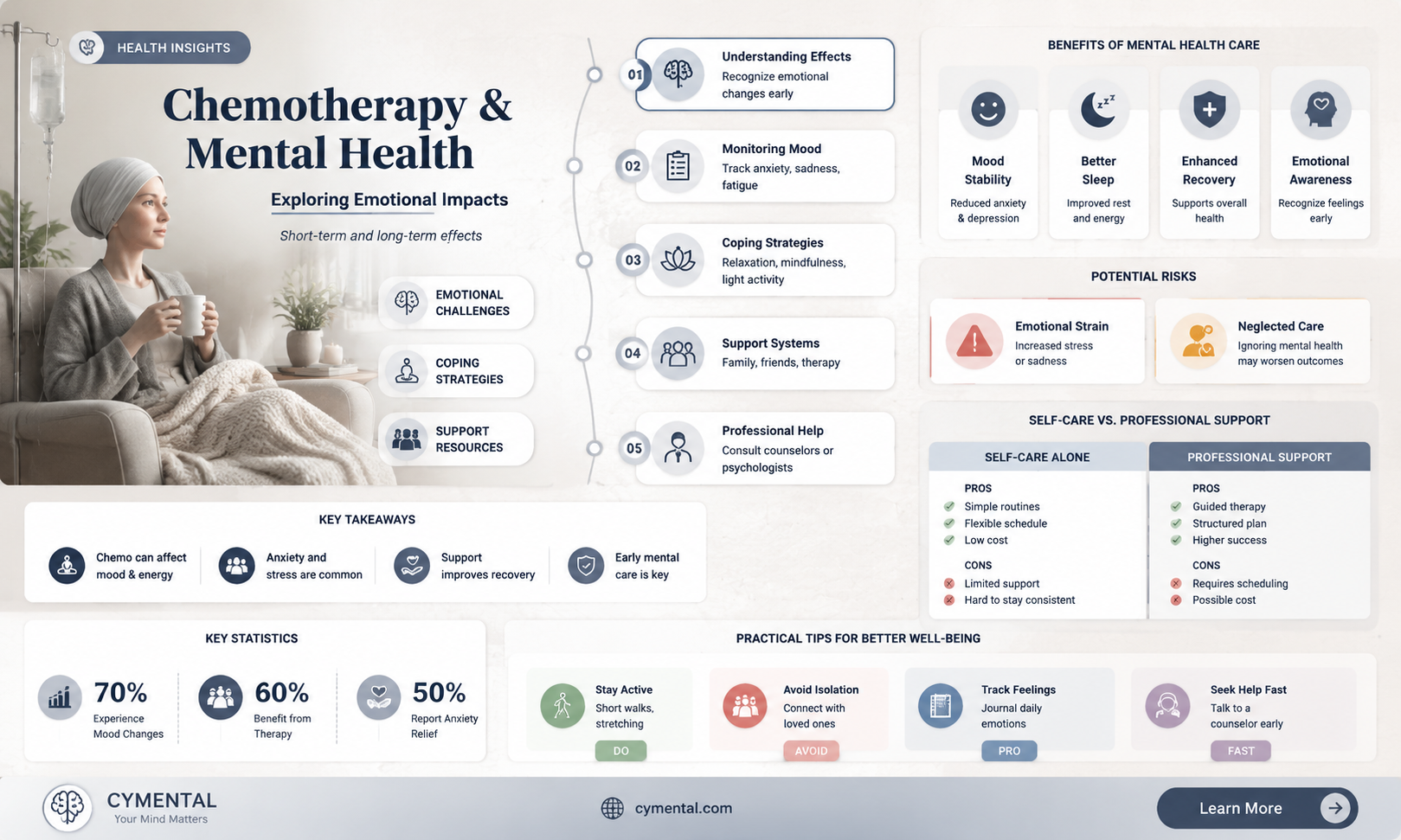
Chemotherapy, a critical component of cancer treatment, involves the use of powerful drugs to eliminate cancer cells. While it is effective in targeting and destroying these harmful cells, chemotherapy can also impact healthy cells, leading to a range of side effects. One area of growing concern is the potential effects of chemotherapy on mental health. Research indicates that patients undergoing chemotherapy may experience cognitive changes, often referred to as 'chemo brain,' which can manifest as difficulties with memory, concentration, and problem-solving. Additionally, the physical and emotional toll of cancer treatment can contribute to increased levels of anxiety, depression, and stress. Understanding these potential mental health impacts is crucial for healthcare providers and patients alike, as it allows for better preparation, support, and management strategies to be implemented throughout the treatment process.
| Characteristics | Values |
|---|---|
| Definition | Chemotherapy (chemo) is a treatment for cancer that uses chemicals to kill cancer cells. It can have various side effects, including impacts on mental health. |
| Common Side Effects | Fatigue, nausea, vomiting, pain, hair loss, and changes in appetite. |
| Mental Health Effects | Anxiety, depression, stress, cognitive changes (e.g., memory, concentration), and mood swings. |
| Onset of Mental Health Effects | Can occur during treatment, immediately after, or months to years post-treatment. |
| Duration of Mental Health Effects | Varies; some effects may be temporary, while others can be long-lasting. |
| Factors Influencing Mental Health Impact | Individual's overall health, type and stage of cancer, specific chemo drugs used, dosage, and personal coping mechanisms. |
| Coping Strategies | Counseling, support groups, mindfulness practices, exercise, and medication. |
| Importance of Mental Health Support | Crucial for improving quality of life and managing the emotional toll of cancer treatment. |
| Resources for Support | Oncology social workers, mental health professionals, cancer support organizations, and online communities. |
| Research on Chemo and Mental Health | Ongoing studies to better understand the relationship and develop effective interventions. |
| Patient Education | Important for patients to be informed about potential mental health effects and available support options. |
| Healthcare Provider Role | Essential for healthcare providers to monitor and address mental health concerns during and after chemo. |
| Alternative Treatments | Some patients may opt for complementary therapies like acupuncture, yoga, or meditation to manage mental health effects. |
| Insurance Coverage | Varies by policy; some insurance plans may cover mental health services related to cancer treatment. |
| Public Awareness | Raising awareness about the mental health impacts of chemo can help reduce stigma and improve support systems. |
Explore related products

$16.14 $18.99


What You'll Learn
- Cognitive Changes: Chemotherapy can cause cognitive changes, impacting memory, attention, and processing speed
- Emotional Impact: Patients may experience anxiety, depression, and mood swings due to chemotherapy's effects on the brain
- Sleep Disturbances: Chemotherapy can disrupt sleep patterns, leading to insomnia or excessive fatigue
- Neurological Effects: Some chemo drugs can cause neuropathy, leading to tingling, numbness, or pain in the hands and feet
- Support and Coping: Strategies for managing mental health challenges during chemotherapy, including therapy and support groups

Cognitive Changes: Chemotherapy can cause cognitive changes, impacting memory, attention, and processing speed
Chemotherapy, a critical component of cancer treatment, can have profound effects on cognitive function. Patients undergoing chemotherapy often report difficulties with memory, attention, and processing speed, collectively referred to as "chemo brain." This phenomenon can significantly impact daily life, making it challenging to perform routine tasks or maintain social interactions.
One of the most common cognitive changes associated with chemotherapy is memory impairment. Patients may struggle to recall recent events, learn new information, or remember important details. This can lead to feelings of frustration and anxiety, as well as difficulties in managing personal and professional responsibilities. Attention deficits are another prevalent issue, with patients finding it hard to concentrate or stay focused on tasks. This can result in decreased productivity and increased mental fatigue.
Processing speed, the ability to quickly and efficiently process information, is also frequently affected by chemotherapy. Patients may notice that they take longer to react to situations, make decisions, or complete tasks that previously required minimal effort. This slowdown in cognitive processing can contribute to a sense of mental sluggishness and decreased overall functioning.
The exact mechanisms behind these cognitive changes are not fully understood, but several factors are believed to contribute. Chemotherapy drugs can directly affect brain cells, leading to inflammation and damage. Additionally, the stress of cancer diagnosis and treatment, hormonal changes, and other side effects such as fatigue and sleep disturbances can exacerbate cognitive difficulties.
To mitigate these effects, patients can employ various strategies. Cognitive rehabilitation therapy, which involves exercises and activities designed to improve memory, attention, and processing speed, can be beneficial. Additionally, maintaining a healthy lifestyle, including regular exercise, a balanced diet, and adequate sleep, can help support cognitive function. Patients should also communicate openly with their healthcare providers about their cognitive concerns, as there may be medications or other interventions that can help alleviate these symptoms.
The Impact of Vaping on Mental Health: A Comprehensive Guide
You may want to see also
Explore related products


Emotional Impact: Patients may experience anxiety, depression, and mood swings due to chemotherapy's effects on the brain
Chemotherapy, a critical component in the fight against cancer, can have profound effects on a patient's mental health. The emotional impact is multifaceted, often leading to anxiety, depression, and mood swings. These psychological changes are not merely side effects but significant challenges that patients must navigate alongside their physical health struggles.
One of the primary reasons chemotherapy affects mental health is its impact on the brain's chemistry. Chemotherapy drugs can alter the levels of neurotransmitters such as serotonin and dopamine, which are crucial for regulating mood. This disruption can lead to feelings of sadness, hopelessness, and anxiety. Furthermore, the stress of undergoing treatment, the uncertainty of outcomes, and the physical discomfort can exacerbate these emotional responses.
Patients may also experience cognitive changes, often referred to as "chemo brain," which can manifest as difficulty concentrating, memory problems, and confusion. These cognitive issues can contribute to feelings of frustration and helplessness, further affecting mental health. The physical changes induced by chemotherapy, such as hair loss and weight changes, can also impact self-esteem and body image, leading to additional emotional distress.
It is essential for healthcare providers to recognize and address these mental health challenges. Integrating mental health support into cancer treatment plans can help patients better cope with the emotional turmoil. This support can include counseling, medication, and alternative therapies such as mindfulness and relaxation techniques. By acknowledging the emotional impact of chemotherapy, we can provide more holistic care that addresses both the physical and psychological needs of patients.
In conclusion, the emotional impact of chemotherapy on patients' mental health is a significant issue that requires attention and support. Understanding the underlying causes and providing appropriate resources can help patients navigate these challenges and improve their overall well-being during and after treatment.
Unraveling the Complex Web: Addiction's Impact on Mental Health
You may want to see also
Explore related products


Sleep Disturbances: Chemotherapy can disrupt sleep patterns, leading to insomnia or excessive fatigue
Chemotherapy, a critical component in cancer treatment, can significantly impact a patient's sleep patterns. This disruption often manifests as insomnia or excessive fatigue, both of which can exacerbate the mental health challenges faced by individuals undergoing treatment. The mechanisms behind these sleep disturbances are multifaceted, involving both the direct effects of chemotherapy on the body and the psychological stress associated with the treatment process.
One of the primary ways chemotherapy affects sleep is through its impact on the body's circadian rhythms. Chemotherapy can alter the production of melatonin, a hormone that regulates sleep-wake cycles, leading to difficulty falling asleep or staying asleep. Additionally, the physical side effects of chemotherapy, such as pain, nausea, and discomfort, can make it challenging for patients to achieve restful sleep. These physical symptoms can be further compounded by the anxiety and stress that often accompany a cancer diagnosis and treatment, creating a vicious cycle of sleep disruption and mental health issues.
Moreover, the psychological toll of chemotherapy should not be underestimated. The fear of treatment, the uncertainty of outcomes, and the emotional strain of coping with a serious illness can all contribute to sleep disturbances. Patients may find themselves lying awake at night, consumed by worries about their health, their future, and the impact of their condition on their loved ones. This mental hyperarousal can make it nearly impossible to relax and fall asleep, leading to chronic insomnia and the associated mental health consequences.
To address these sleep disturbances, healthcare providers often recommend a combination of strategies. Cognitive-behavioral therapy for insomnia (CBT-I) can be particularly effective, helping patients to identify and change negative thought patterns and behaviors that contribute to their sleep problems. Additionally, relaxation techniques such as meditation, deep breathing exercises, and progressive muscle relaxation can help to reduce stress and promote better sleep. In some cases, medication may be prescribed to help manage sleep, although this is typically a last resort due to the potential for side effects and dependency.
It is also important for patients to maintain good sleep hygiene practices, such as keeping a consistent sleep schedule, creating a restful sleep environment, and avoiding stimulants like caffeine and nicotine close to bedtime. By adopting these strategies, patients can better manage their sleep disturbances and improve their overall mental health and well-being during and after chemotherapy treatment.
Digital Detox: Unraveling the Impact of Screen Time on Mental Health
You may want to see also
Neurological Effects: Some chemo drugs can cause neuropathy, leading to tingling, numbness, or pain in the hands and feet
Chemotherapy, while a vital treatment for cancer, can have a range of side effects that extend beyond the physical realm. One such side effect is neuropathy, a condition that affects the nerves and can lead to symptoms like tingling, numbness, or pain in the hands and feet. This neurological impact can significantly influence a patient's quality of life, making everyday tasks more challenging and causing discomfort that may persist even after treatment has concluded.
The development of neuropathy as a result of chemotherapy is a complex process that involves damage to the peripheral nerves. Certain chemotherapy drugs, such as platinum-based agents, taxanes, and vinca alkaloids, are more commonly associated with this side effect. The severity and duration of neuropathy can vary widely among patients, depending on factors like the type and dose of chemotherapy, the duration of treatment, and individual susceptibility.
Managing chemotherapy-induced neuropathy is a multifaceted approach that involves both pharmacological and non-pharmacological interventions. Medications like gabapentin, pregabalin, and duloxetine are often used to alleviate symptoms, while non-drug strategies such as physical therapy, occupational therapy, and the use of assistive devices can help patients adapt to and cope with the challenges posed by neuropathy.
It is crucial for healthcare providers to monitor patients closely for signs of neuropathy during and after chemotherapy, as early detection and intervention can significantly improve outcomes. Patients should be encouraged to report any symptoms promptly, as this can lead to timely adjustments in treatment and the implementation of supportive care measures.
In conclusion, the neurological effects of chemotherapy, particularly neuropathy, are a significant concern that requires careful attention and management. By understanding the causes, symptoms, and treatment options, healthcare providers can work collaboratively with patients to minimize the impact of this side effect and enhance overall well-being during and after cancer treatment.
Unraveling the Mental Impact: Anxiety's Influence on Your Mind
You may want to see also
Support and Coping: Strategies for managing mental health challenges during chemotherapy, including therapy and support groups
Chemotherapy can have a profound impact on mental health, often leading to anxiety, depression, and stress. To manage these challenges, it's crucial to have a robust support system in place. Therapy is one of the most effective strategies for coping with the emotional toll of chemotherapy. Cognitive-behavioral therapy (CBT) and mindfulness-based stress reduction (MBSR) are two evidence-based approaches that can help patients develop coping skills and reduce symptoms of anxiety and depression.
In addition to therapy, support groups can provide a sense of community and connection with others who are going through similar experiences. These groups can be found online or in-person and often offer a safe space to share feelings, ask questions, and receive support. It's important to find a group that is a good fit for your needs and personality.
Another key strategy for managing mental health during chemotherapy is to prioritize self-care. This can include activities such as meditation, yoga, and gentle exercise, which can help reduce stress and improve mood. It's also important to maintain a healthy diet and get enough sleep, as these factors can have a significant impact on mental health.
Finally, it's essential to communicate openly with your healthcare team about your mental health concerns. They can provide guidance and support, as well as refer you to additional resources if needed. Remember, you are not alone in this journey, and there is help available to support you through the challenges of chemotherapy.
Harmonizing Minds: The Powerful Impact of Music on Mental Health
You may want to see also
Frequently asked questions
Yes, chemotherapy can affect your mental health. The physical and emotional toll of cancer treatment can lead to anxiety, depression, and other mental health challenges.
Common mental health side effects of chemotherapy include anxiety, depression, mood swings, difficulty concentrating, and memory problems. These side effects can vary in severity and may improve over time.
There are several ways to manage the mental health side effects of chemotherapy. These include talking to your healthcare provider, seeking support from friends and family, joining a support group, practicing relaxation techniques, and considering counseling or therapy.
Yes, it is important to discuss mental health concerns with your healthcare provider during chemotherapy. They can provide guidance, support, and resources to help you manage these side effects and improve your overall well-being.