Ava Ramirez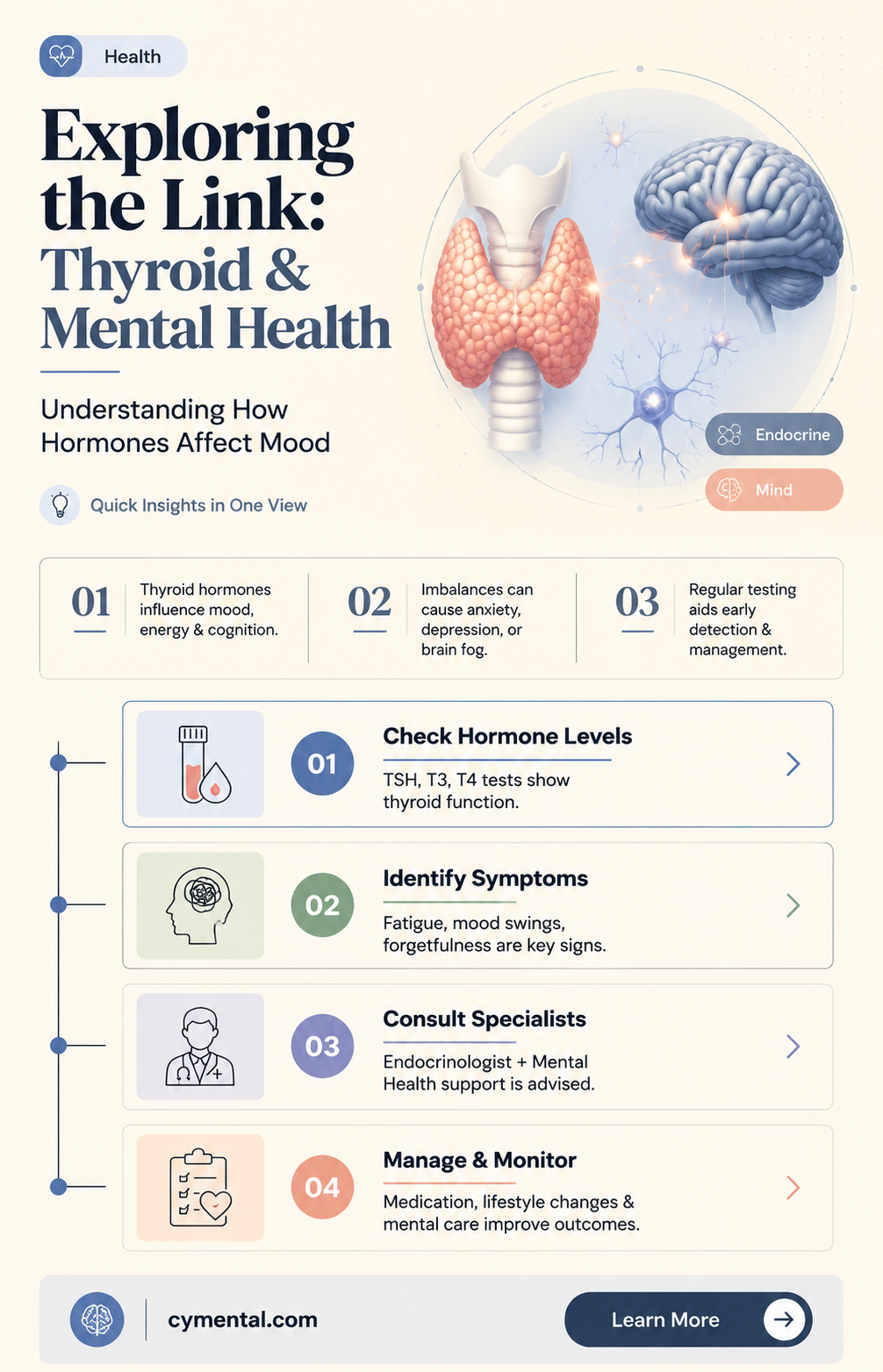
The thyroid gland, a small butterfly-shaped organ located in the neck, plays a crucial role in regulating metabolism and energy levels through the production of thyroid hormones. However, its influence extends beyond physical health, as thyroid dysfunction has been linked to various mental health issues. Conditions such as hypothyroidism (underactive thyroid) and hyperthyroidism (overactive thyroid) can lead to symptoms like depression, anxiety, mood swings, and cognitive impairment. This connection highlights the importance of considering thyroid health when evaluating mental well-being, as proper diagnosis and treatment of thyroid disorders can significantly improve psychological symptoms.
| Characteristics | Values |
|---|---|
| Condition | Thyroid issues |
| Potential Impact | Mental health problems |
| Symptoms | Anxiety, depression, mood swings |
| Mechanism | Hormonal imbalance affecting neurotransmitters |
| Diagnosis | Medical evaluation, blood tests |
| Treatment | Thyroid medication, psychotherapy |
| Prognosis | Generally good with proper treatment |
| Complications | Untreated cases may worsen mental health |
Explore related products


What You'll Learn
- Thyroid Hormone Imbalance: Fluctuations in thyroid hormones can significantly impact mood and cognitive function
- Hypothyroidism and Depression: Low thyroid levels are often linked to symptoms of depression, such as fatigue and sadness
- Hyperthyroidism and Anxiety: Excess thyroid hormones can lead to heightened anxiety, irritability, and restlessness
- Thyroiditis and Mental Health: Inflammation of the thyroid gland can cause mood swings and cognitive difficulties
- Treatment and Management: Proper diagnosis and treatment of thyroid disorders can help alleviate associated mental health symptoms

Thyroid Hormone Imbalance: Fluctuations in thyroid hormones can significantly impact mood and cognitive function
Thyroid hormone imbalance can have profound effects on mental health, often leading to mood swings and cognitive impairment. This is because the thyroid gland plays a crucial role in regulating metabolism, energy levels, and brain function. When thyroid hormone levels fluctuate, it can disrupt the delicate balance of neurotransmitters in the brain, such as serotonin and dopamine, which are essential for maintaining a stable mood and clear thinking.
One of the most common symptoms of thyroid hormone imbalance is depression. This is because low levels of thyroid hormones can slow down brain activity, leading to feelings of sadness, hopelessness, and fatigue. In contrast, high levels of thyroid hormones can cause anxiety, irritability, and restlessness. These mood changes can be particularly challenging to manage, as they may not respond to traditional antidepressant medications.
In addition to mood changes, thyroid hormone imbalance can also affect cognitive function. This may manifest as difficulty concentrating, memory problems, or slowed thinking. These cognitive impairments can be particularly problematic for individuals who need to perform complex tasks or maintain a high level of mental alertness.
To address the mental health impacts of thyroid hormone imbalance, it is essential to work with a healthcare provider to develop a comprehensive treatment plan. This may include medication to regulate thyroid hormone levels, as well as lifestyle changes such as exercise, stress management, and a balanced diet. In some cases, therapy may also be beneficial to help individuals cope with the emotional challenges associated with thyroid hormone imbalance.
Ultimately, understanding the link between thyroid hormone imbalance and mental health is crucial for developing effective treatment strategies. By addressing the underlying thyroid issues, individuals can experience significant improvements in their mood and cognitive function, leading to a better quality of life.
Unraveling the Triggers: A Deep Dive into Mental Breakdowns
You may want to see also
Explore related products


Hypothyroidism and Depression: Low thyroid levels are often linked to symptoms of depression, such as fatigue and sadness
Hypothyroidism, a condition characterized by an underactive thyroid gland, has been closely linked to various mental health issues, including depression. The thyroid gland plays a crucial role in regulating metabolism, energy levels, and mood through the production of thyroid hormones. When thyroid hormone levels are low, as in hypothyroidism, it can lead to a range of symptoms that overlap with those of depression.
One of the primary symptoms of hypothyroidism is fatigue, which can be both physical and mental. This fatigue can manifest as a lack of energy, difficulty concentrating, and a general feeling of being unwell. Additionally, hypothyroidism can cause weight gain, which may further exacerbate feelings of low self-esteem and sadness. The condition can also lead to sleep disturbances, such as insomnia or excessive sleepiness, which are common symptoms of depression.
Research has shown that hypothyroidism can contribute to the development of depression, particularly in individuals who are already predisposed to mental health issues. In some cases, hypothyroidism may even be misdiagnosed as depression due to the similarity of symptoms. It is essential for healthcare providers to consider the possibility of hypothyroidism when diagnosing depression, especially in patients who exhibit other symptoms of thyroid dysfunction, such as dry skin, constipation, and cold intolerance.
Treatment for hypothyroidism typically involves thyroid hormone replacement therapy, which can help alleviate both physical and mental symptoms. In cases where depression is also present, antidepressant medications may be prescribed in conjunction with thyroid hormone therapy. Lifestyle modifications, such as regular exercise, a balanced diet, and stress management techniques, can also be beneficial in managing the symptoms of both hypothyroidism and depression.
In conclusion, the link between hypothyroidism and depression highlights the importance of considering the role of thyroid function in mental health. Proper diagnosis and treatment of hypothyroidism can lead to significant improvements in mood and overall well-being, emphasizing the need for a holistic approach to mental health care.
Exploring the Link: Childhood Head Injuries and Mental Health
You may want to see also
Explore related products


Hyperthyroidism and Anxiety: Excess thyroid hormones can lead to heightened anxiety, irritability, and restlessness
Excess thyroid hormones can significantly impact mental health, leading to heightened anxiety, irritability, and restlessness. This condition, known as hyperthyroidism, occurs when the thyroid gland produces too much thyroxine (T4) and triiodothyronine (T3). These hormones play a crucial role in regulating metabolism, heart rate, and body temperature, but when overproduced, they can disrupt the delicate balance of neurotransmitters in the brain, contributing to anxiety disorders.
One of the primary mechanisms by which hyperthyroidism affects mental health is through its influence on the sympathetic nervous system. Elevated levels of thyroid hormones can stimulate the release of adrenaline and noradrenaline, which are responsible for the body's fight-or-flight response. This can result in symptoms such as rapid heartbeat, sweating, tremors, and a sense of impending doom, all of which are characteristic of anxiety attacks.
Furthermore, hyperthyroidism can lead to sleep disturbances, which can exacerbate anxiety symptoms. Insomnia or poor sleep quality can heighten feelings of irritability and restlessness, creating a vicious cycle where anxiety worsens sleep, and poor sleep worsens anxiety. This interplay between sleep and anxiety can significantly impact an individual's overall well-being and quality of life.
It is essential for individuals experiencing these symptoms to seek medical evaluation, as untreated hyperthyroidism can lead to more severe mental health issues, such as depression or even psychosis in extreme cases. A healthcare professional can perform a thorough examination, including blood tests to measure thyroid hormone levels, and recommend appropriate treatment options, such as medication, radioactive iodine therapy, or surgery, depending on the severity of the condition.
In addition to medical treatment, lifestyle modifications can also help manage anxiety symptoms associated with hyperthyroidism. Techniques such as mindfulness meditation, deep breathing exercises, and regular physical activity can help reduce stress and promote relaxation. Maintaining a balanced diet rich in nutrients that support thyroid health, such as iodine, selenium, and zinc, can also be beneficial in managing the condition.
In conclusion, hyperthyroidism can have a profound impact on mental health, particularly in terms of anxiety, irritability, and restlessness. Recognizing the symptoms and seeking appropriate medical treatment, along with adopting healthy lifestyle habits, can help individuals effectively manage their condition and improve their overall well-being.
Exploring the Complex Factors Behind Altered Mental Status
You may want to see also
Explore related products


Thyroiditis and Mental Health: Inflammation of the thyroid gland can cause mood swings and cognitive difficulties
Thyroiditis, an inflammation of the thyroid gland, can have profound effects on mental health, often leading to mood swings and cognitive difficulties. This condition disrupts the normal functioning of the thyroid, which plays a crucial role in regulating metabolism and energy levels. When the thyroid is inflamed, it can lead to an overproduction or underproduction of thyroid hormones, both of which can significantly impact mental well-being.
One of the primary ways thyroiditis affects mental health is through its influence on neurotransmitters. Thyroid hormones are essential for the proper functioning of neurotransmitters like serotonin and dopamine, which are key players in mood regulation. An imbalance in these hormones can lead to symptoms of depression, anxiety, and irritability. Furthermore, thyroiditis can cause fluctuations in energy levels, leading to fatigue and lethargy, which can exacerbate mental health issues.
Cognitive difficulties are another common symptom of thyroiditis. The condition can impair concentration, memory, and decision-making abilities. This is particularly challenging for individuals who need to maintain focus and mental clarity in their daily lives, such as students or professionals. The cognitive effects of thyroiditis can also contribute to feelings of confusion and disorientation, further impacting mental health.
It is important to note that the mental health symptoms of thyroiditis can often be misdiagnosed as other conditions, such as depression or anxiety disorders. This highlights the need for a comprehensive medical evaluation, including thyroid function tests, to accurately diagnose and treat the condition. Effective management of thyroiditis typically involves a combination of medication, lifestyle changes, and, in some cases, cognitive-behavioral therapy to address the mental health symptoms.
In conclusion, thyroiditis is a complex condition that can have significant implications for mental health. By understanding the relationship between thyroid function and mental well-being, individuals can seek appropriate medical attention and take steps to manage their symptoms effectively. This includes working closely with healthcare providers to develop a personalized treatment plan and making lifestyle adjustments to support overall thyroid health.
Unseen Scars: The Profound Impact of Mental Abuse on Brain Health
You may want to see also
Explore related products




Treatment and Management: Proper diagnosis and treatment of thyroid disorders can help alleviate associated mental health symptoms
Proper diagnosis and treatment of thyroid disorders can significantly improve mental health outcomes. When thyroid dysfunction is identified, healthcare providers typically recommend a combination of medication and lifestyle changes to manage the condition. For instance, patients with hypothyroidism may be prescribed levothyroxine to replace the deficient thyroid hormone, while those with hyperthyroidism might receive antithyroid medications like methimazole or propylthiouracil. In some cases, radioactive iodine therapy or surgery may be necessary to treat hyperthyroidism.
In addition to medication, lifestyle modifications can play a crucial role in managing thyroid disorders and their mental health implications. Patients are often advised to maintain a balanced diet rich in iodine, selenium, and other essential nutrients that support thyroid function. Regular exercise, stress management techniques, and adequate sleep are also recommended to help stabilize mood and reduce anxiety.
It is important to note that the effectiveness of treatment can vary depending on the individual and the severity of the thyroid disorder. Close monitoring by a healthcare provider is essential to ensure that medication dosages are appropriate and that any side effects are promptly addressed. In some cases, patients may need to try different medications or dosages before finding the optimal treatment plan.
Furthermore, psychoeducation can be a valuable component of treatment, helping patients understand the relationship between thyroid function and mental health. This knowledge can empower individuals to take an active role in their care and make informed decisions about their treatment options. Support groups and counseling services can also provide emotional support and practical advice for managing the mental health symptoms associated with thyroid disorders.
In conclusion, while thyroid disorders can have a significant impact on mental health, proper diagnosis and treatment can help alleviate these symptoms and improve overall well-being. By working closely with healthcare providers and making appropriate lifestyle changes, individuals with thyroid disorders can effectively manage their condition and lead healthy, fulfilling lives.
Exploring the Link: Type 2 Diabetes and Mental Health
You may want to see also
Frequently asked questions
Yes, thyroid issues can cause mental health problems. An overactive or underactive thyroid gland can lead to a range of psychological symptoms, including anxiety, depression, mood swings, and cognitive impairment.
An overactive thyroid gland, also known as hyperthyroidism, can cause anxiety, irritability, restlessness, and difficulty concentrating. In severe cases, it can also lead to psychosis and mania.
An underactive thyroid gland, also known as hypothyroidism, can cause depression, fatigue, lethargy, and difficulty concentrating. It can also lead to cognitive impairment and, in severe cases, dementia.
Common mental health symptoms associated with thyroid issues include anxiety, depression, mood swings, irritability, restlessness, fatigue, lethargy, difficulty concentrating, and cognitive impairment. In severe cases, thyroid issues can also lead to psychosis, mania, and dementia.