Harper Lewis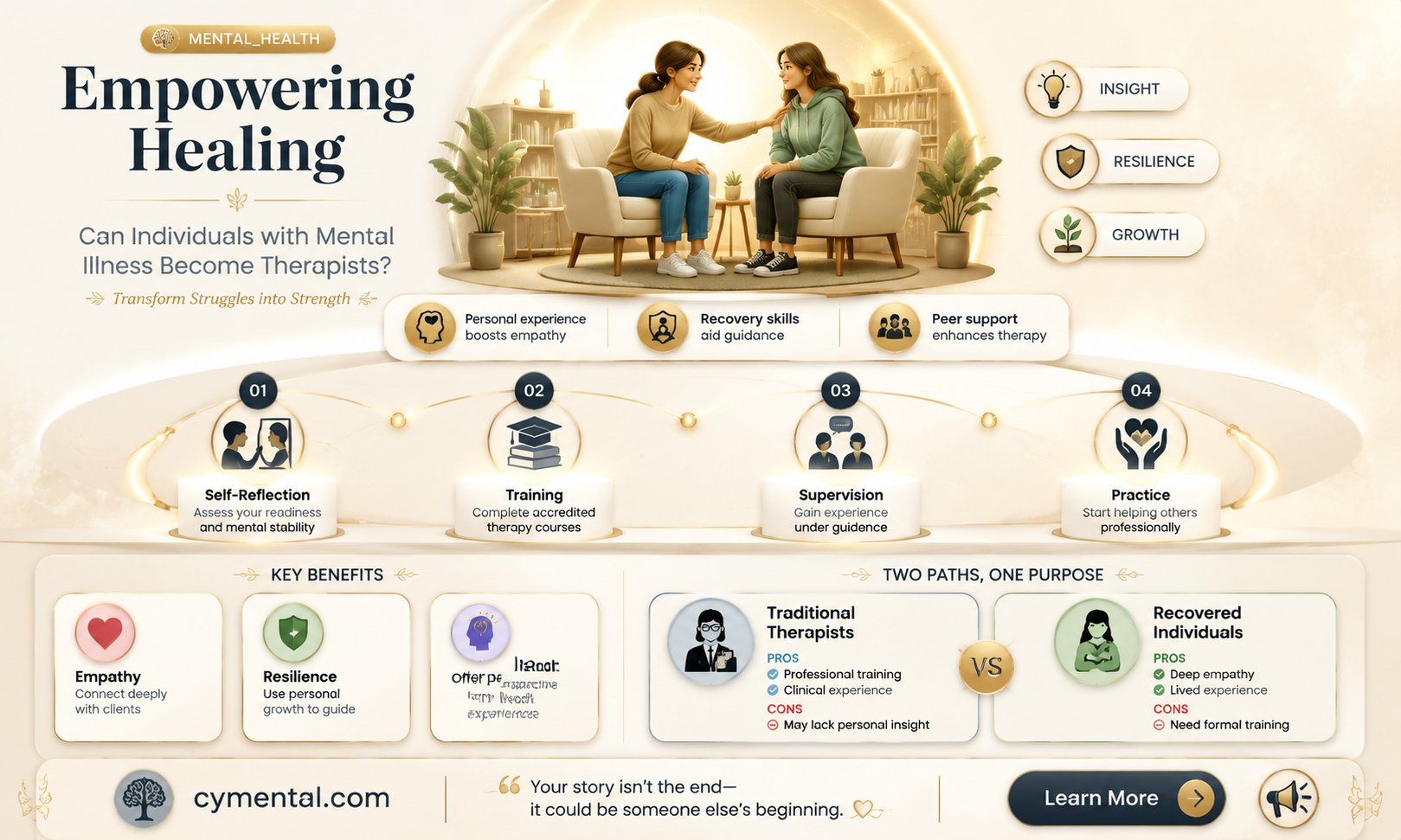
The question of whether someone with a mental illness can be a therapist is a complex and multifaceted one. On one hand, having personal experience with mental health challenges can provide a therapist with unique insights and empathy, potentially making them more effective in supporting clients who face similar struggles. However, there are also concerns about the potential impact of a therapist's own mental health issues on their ability to provide objective and effective care. Additionally, the stigma surrounding mental illness may affect how clients perceive a therapist who has openly discussed their own mental health challenges. Ultimately, the answer to this question depends on a variety of factors, including the individual's specific circumstances, the nature and severity of their mental illness, and the support systems in place to ensure they can provide high-quality care to their clients.
Explore related products


What You'll Learn
- Qualifications and Education: Discuss the necessary qualifications and education for someone with a mental illness to become a therapist
- Personal Experience: Explore how personal experience with mental illness can influence a therapist's approach and empathy
- Stigma and Discrimination: Address the potential stigma and discrimination faced by therapists with mental illnesses in the professional setting
- Disclosure and Boundaries: Consider the ethical implications of disclosing one's mental illness as a therapist and maintaining professional boundaries
- Support Systems: Highlight the importance of support systems for therapists with mental illnesses to ensure their well-being and effectiveness

Qualifications and Education: Discuss the necessary qualifications and education for someone with a mental illness to become a therapist
To become a therapist, individuals with mental illness must meet specific educational and qualification requirements. These typically include obtaining a master's degree in a relevant field such as psychology, social work, or counseling. The educational journey often begins with a bachelor's degree in a related discipline, followed by a graduate program that provides specialized training in therapeutic techniques and mental health assessment.
In addition to formal education, aspiring therapists with mental illness must also complete a certain number of supervised clinical hours. This hands-on experience allows them to apply their theoretical knowledge in real-world settings and develop the practical skills necessary for effective therapy. The number of required clinical hours varies depending on the specific licensing requirements of the state or country in which the individual intends to practice.
Licensure is another critical component of the qualification process. Therapists with mental illness must obtain a license to practice in their chosen field, which typically involves passing a standardized exam and meeting other state-specific requirements. This license ensures that the therapist has met the necessary educational and experiential standards to provide competent care to clients.
Continuing education is also essential for therapists with mental illness. The field of mental health is constantly evolving, and it is crucial for therapists to stay up-to-date with the latest research, treatment approaches, and ethical guidelines. This can be achieved through workshops, seminars, online courses, and other professional development opportunities.
Finally, it is important for therapists with mental illness to engage in ongoing self-care and seek support when needed. This may include participating in therapy themselves, joining support groups, or connecting with colleagues and mentors. By prioritizing their own mental health, therapists can better serve their clients and maintain a fulfilling and sustainable career.
Recognizing and Reporting Mental Health Concerns Responsibly
You may want to see also
Explore related products


Personal Experience: Explore how personal experience with mental illness can influence a therapist's approach and empathy
Personal experience with mental illness can profoundly shape a therapist's approach and empathy. Therapists who have personally struggled with mental health issues often bring a unique perspective to their practice, informed by their own journey of recovery and self-discovery. This lived experience can enhance their ability to connect with clients on a deeper level, fostering a more empathetic and compassionate therapeutic relationship.
For instance, a therapist who has battled depression may be more attuned to the subtle nuances of their clients' emotional states, recognizing the signs of a depressive episode more readily. Similarly, someone who has experienced anxiety disorders might be better equipped to teach coping strategies and relaxation techniques, having firsthand knowledge of what works and what doesn't.
Moreover, therapists with personal experience of mental illness may be more likely to challenge stigmas and promote a culture of openness and acceptance within their practice. They may also be more proactive in advocating for their clients' needs, drawing from their own experiences of navigating the mental health system.
However, it's also important to note that personal experience alone does not guarantee competence or effectiveness as a therapist. Formal training, education, and ongoing professional development are crucial components of a therapist's toolkit. The most effective therapists combine their personal insights with evidence-based practices and a commitment to continuous learning.
Ultimately, the influence of personal experience on a therapist's approach and empathy is complex and multifaceted. While it can undoubtedly enrich their practice, it must be balanced with professional expertise and a dedication to providing the best possible care for their clients.
Breaking Free: Strategies to Confront Mental Torture and Reclaim Your Peace
You may want to see also
Explore related products


$26.5 $27.95


Stigma and Discrimination: Address the potential stigma and discrimination faced by therapists with mental illnesses in the professional setting
Therapists with mental illnesses often face significant stigma and discrimination in their professional lives. This can manifest in various ways, from colleagues questioning their competence to clients expressing discomfort about their condition. Such attitudes not only affect the therapists' well-being but also impact the quality of care they can provide. It is crucial to address these issues to create a more inclusive and supportive environment within the mental health profession.
One of the primary challenges is the perception that therapists with mental illnesses are less capable or reliable. This misconception stems from a lack of understanding about mental health conditions and their treatment. Educating mental health professionals about the realities of living with and managing mental illnesses can help dispel these myths. Workshops, seminars, and training programs that focus on reducing stigma and promoting empathy can be instrumental in changing attitudes.
Another aspect of stigma and discrimination is the fear of disclosure. Therapists may hesitate to reveal their mental health status due to concerns about being judged or facing repercussions. Creating a culture of openness and transparency, where mental health is discussed openly and without shame, can encourage more therapists to seek help and support. This, in turn, can lead to better self-care and more effective therapy practices.
Clients may also contribute to the stigma by expressing reservations about working with a therapist who has a mental illness. It is essential to educate clients about the benefits of working with a therapist who has personal experience with mental health challenges. Such therapists often bring a unique perspective and a deeper understanding of their clients' struggles, which can enhance the therapeutic relationship.
In conclusion, addressing stigma and discrimination against therapists with mental illnesses requires a multifaceted approach. By promoting education, fostering a culture of openness, and highlighting the strengths that come with personal experience, we can create a more supportive and inclusive professional environment. This will not only benefit the therapists but also improve the overall quality of mental health care.
Understanding Legal Consequences: Can Mental Abuse Lead to Jail Time?
You may want to see also
Explore related products


Disclosure and Boundaries: Consider the ethical implications of disclosing one's mental illness as a therapist and maintaining professional boundaries
As a therapist, disclosing one's mental illness can be a complex and ethically fraught decision. On one hand, it can foster a deeper connection with clients, humanize the therapeutic process, and potentially inspire hope and resilience. On the other hand, it raises concerns about professional boundaries, the risk of triggering clients, and the potential for compromised objectivity.
When considering disclosure, it's essential to weigh the potential benefits against the risks. Therapists must ask themselves whether their disclosure will serve the client's best interests or primarily fulfill their own need for validation or connection. They should also consider the nature of their mental illness, its stability, and how it might impact their ability to provide objective and effective therapy.
Maintaining professional boundaries is crucial, even when disclosing personal struggles. Therapists should establish clear guidelines for when and how to disclose, ensuring that the focus remains on the client's needs rather than their own. They should also be prepared to address any concerns or questions that arise from the disclosure, and be willing to refer clients to another therapist if necessary.
Ultimately, the decision to disclose a mental illness as a therapist is a deeply personal one that requires careful consideration of the ethical implications and potential consequences. By prioritizing the client's well-being and maintaining professional boundaries, therapists can navigate this complex issue with integrity and compassion.
Incarceration and Mental Illness: A Complex Intersection
You may want to see also
Explore related products


Support Systems: Highlight the importance of support systems for therapists with mental illnesses to ensure their well-being and effectiveness
Therapists with mental illnesses face unique challenges in their professional roles, and the presence of robust support systems is crucial to their well-being and effectiveness. These support systems can take various forms, including peer support groups, supervision, and self-care practices. Peer support groups provide a safe space for therapists to share their experiences, receive validation, and learn from others who understand their struggles. Supervision offers an opportunity for therapists to discuss their cases, receive guidance, and ensure they are providing the best possible care to their clients. Self-care practices, such as mindfulness, exercise, and creative pursuits, help therapists manage their own mental health and prevent burnout.
One of the key benefits of support systems is that they help therapists maintain their professional boundaries. When therapists are struggling with their own mental health, it can be difficult to remain objective and detached in their work with clients. Support systems provide a space for therapists to process their own emotions and experiences, which can help them stay focused on their clients' needs. Additionally, support systems can help therapists develop strategies for managing their own mental health, which can improve their overall effectiveness as clinicians.
Another important aspect of support systems is that they can help reduce stigma and promote a culture of openness and acceptance within the mental health profession. When therapists feel comfortable discussing their own mental health struggles, it can create a more supportive and understanding environment for both therapists and clients. This can lead to better outcomes for clients, as therapists are more likely to be empathetic and non-judgmental.
In conclusion, support systems are essential for therapists with mental illnesses to ensure their well-being and effectiveness. These systems provide a safe space for therapists to share their experiences, receive guidance, and develop strategies for managing their own mental health. By promoting a culture of openness and acceptance, support systems can also help reduce stigma and improve outcomes for both therapists and clients.
Concealing Struggles: The Hidden Reality of Mental Illness
You may want to see also
Frequently asked questions
Yes, individuals with mental illnesses can pursue careers as therapists. Many mental health professionals have personal experiences with mental health challenges, which can provide them with unique insights and empathy when working with clients. However, they must meet the necessary educational and licensing requirements and demonstrate the ability to manage their own mental health effectively.
When training to become a therapist, individuals with mental illnesses should consider their own mental health stability, the potential impact of their condition on their professional responsibilities, and the need for ongoing self-care and support. They should also be aware of any specific regulations or guidelines set by licensing boards or professional organizations regarding mental health professionals with personal mental health conditions.
To ensure effective and ethical care, therapists with mental illnesses should maintain a strong support system, engage in regular self-reflection and supervision, and stay informed about best practices and emerging research in their field. They should also be transparent with their clients about their own mental health journey, if appropriate, and be willing to seek additional support or referrals for clients if needed.