Ava Ramirez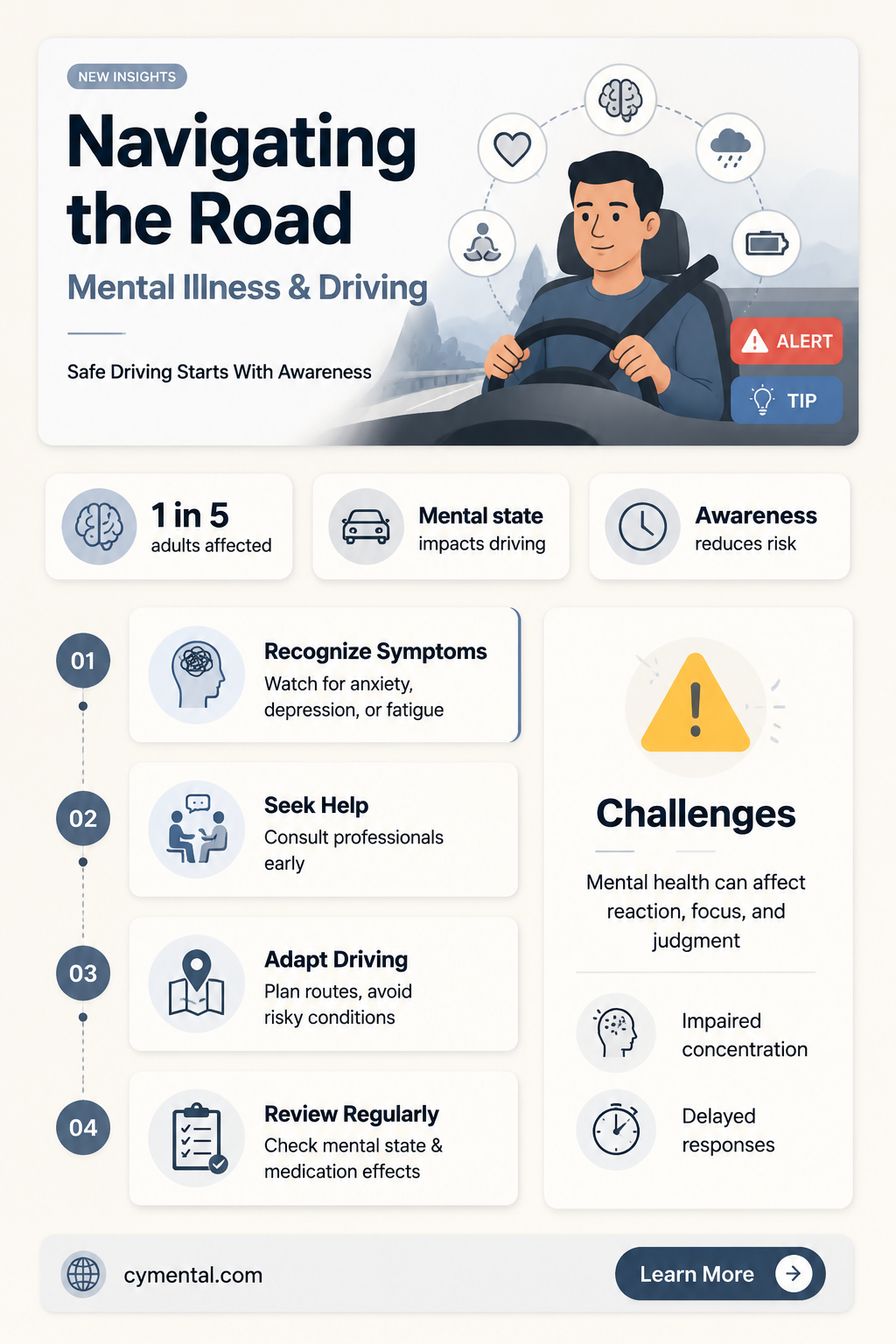
The question of whether someone with a mental illness can drive is complex and multifaceted, involving considerations of public safety, individual rights, and the varying nature of mental health conditions. While some mental illnesses may impair driving ability due to symptoms such as psychosis or severe depression, others may have little to no impact on a person's capacity to operate a vehicle safely. It is crucial to approach this topic with sensitivity and an understanding that mental illness is not a monolithic condition, but rather a spectrum of disorders with differing effects on daily functioning. Therefore, any discussion on this subject must balance the need to protect public safety with the importance of respecting the autonomy and dignity of individuals living with mental health challenges.
Explore related products

$28.42 $8.99


What You'll Learn
- Legal Requirements: Varies by jurisdiction; some require reporting mental illness to licensing authorities
- Safety Concerns: Mental illness may impair driving ability, posing risks to self and others
- Medication Side Effects: Psychiatric medications can cause drowsiness, dizziness, or other side effects affecting driving
- Individual Assessment: Each case is unique; some individuals with mental illness can drive safely with proper treatment
- Support Resources: Organizations and professionals can provide guidance and support for individuals with mental illness regarding driving

Legal Requirements: Varies by jurisdiction; some require reporting mental illness to licensing authorities
In the realm of driving regulations, the legal requirements regarding mental illness vary significantly by jurisdiction. Some regions mandate that individuals with certain mental health conditions must report their illness to licensing authorities. This stipulation is often rooted in the intent to ensure public safety on the roads. For instance, in the United Kingdom, the Driver and Vehicle Licensing Agency (DVLA) requires drivers to disclose any mental health conditions that could affect their ability to drive safely. Failure to do so can result in legal repercussions, including fines or even revocation of the driving license.
The process of reporting mental illness to licensing authorities typically involves filling out specific forms and providing detailed information about the condition. This may include the diagnosis, any medications being taken, and the impact of the illness on daily functioning. In some cases, a medical professional may need to provide additional information or certification to support the driver's report. The frequency of reporting can also vary, with some jurisdictions requiring annual updates or notifications of any changes in the individual's mental health status.
One of the challenges associated with these legal requirements is the potential stigma surrounding mental illness. Some individuals may be hesitant to disclose their conditions due to fear of discrimination or judgment. Additionally, there can be concerns about privacy and the potential misuse of sensitive personal information. To address these issues, many jurisdictions have implemented strict confidentiality measures and guidelines to ensure that the information provided is handled appropriately and discreetly.
Another consideration is the potential impact of these regulations on individuals with mental illness. While the intent is to promote safety, there is a risk that overly stringent requirements could lead to unnecessary restrictions on the ability of people with mental health conditions to drive. This could, in turn, limit their independence and access to essential services and opportunities. As such, it is crucial for policymakers to strike a balance between safety and the rights of individuals with mental illness, ensuring that any regulations are fair, reasonable, and based on sound medical evidence.
In conclusion, the legal requirements regarding the reporting of mental illness to licensing authorities are complex and multifaceted. While they are designed to enhance road safety, they also raise important questions about privacy, stigma, and the rights of individuals with mental health conditions. By carefully considering these factors and implementing appropriate safeguards, jurisdictions can work towards creating a more equitable and effective regulatory framework for all drivers.
Navigating Disability Benefits for Mental Health Conditions: A Comprehensive Guide
You may want to see also
Explore related products


Safety Concerns: Mental illness may impair driving ability, posing risks to self and others
Mental illness can significantly impact an individual's ability to drive safely, posing risks not only to themselves but also to other road users. Conditions such as schizophrenia, bipolar disorder, and major depressive disorder can affect cognitive functions, emotional stability, and reaction times, all of which are crucial for safe driving. For instance, a person experiencing a manic episode may exhibit impaired judgment, increased distractibility, and a tendency to engage in risky behaviors, such as speeding or reckless driving. Similarly, someone with schizophrenia may struggle with visual hallucinations or delusions that can interfere with their perception of the road and traffic signals.
The risks associated with driving while mentally ill are multifaceted. Not only do individuals with mental illness have a higher likelihood of being involved in accidents, but they may also face legal consequences if their condition is deemed to have contributed to a traffic violation. Furthermore, the stress and anxiety of driving can exacerbate mental health symptoms, creating a vicious cycle that can lead to further impairment. It is essential for individuals with mental illness to be aware of these risks and to take appropriate precautions to ensure their safety and the safety of others on the road.
One crucial step is for individuals with mental illness to consult with their healthcare provider about their driving abilities. A mental health professional can assess the individual's symptoms, medication side effects, and overall cognitive functioning to determine whether it is safe for them to drive. In some cases, it may be necessary to develop a treatment plan that addresses specific symptoms that could impact driving ability, such as psychosis or severe depression. Additionally, individuals with mental illness should be aware of the potential side effects of their medications, as some psychiatric drugs can impair cognitive functions or cause drowsiness, further compromising driving ability.
In addition to seeking professional guidance, individuals with mental illness can take proactive steps to mitigate the risks associated with driving. For example, they may choose to drive only during times when their symptoms are well-managed or when they are accompanied by a trusted passenger who can provide assistance if needed. They may also benefit from using assistive technologies, such as GPS navigation systems or smartphone apps that provide real-time traffic updates and route guidance, to reduce the cognitive demands of driving.
Ultimately, the decision to drive while mentally ill is a complex one that requires careful consideration of the potential risks and benefits. By seeking professional guidance, being aware of medication side effects, and taking proactive steps to ensure safety, individuals with mental illness can make informed decisions about their driving abilities and take steps to minimize the risks to themselves and others on the road.
Navigating Mental Health and Military Service: A Complex Intersection
You may want to see also
Explore related products


Medication Side Effects: Psychiatric medications can cause drowsiness, dizziness, or other side effects affecting driving
Psychiatric medications can significantly impact a person's ability to drive safely. One of the most common side effects of these medications is drowsiness, which can impair reaction times and judgment on the road. For example, benzodiazepines, commonly prescribed for anxiety, can cause sedation and reduce alertness, making it dangerous to operate a vehicle. Similarly, antidepressants like selective serotonin reuptake inhibitors (SSRIs) can cause dizziness and confusion, particularly when first starting the medication or adjusting dosages.
Another critical consideration is the potential for drug interactions. Many psychiatric medications can interact with other drugs, including over-the-counter medications, which can exacerbate side effects like drowsiness and dizziness. For instance, combining an SSRI with a sedating antihistamine can significantly increase the risk of drowsiness and impaired driving ability. It's essential for individuals taking psychiatric medications to consult with their healthcare provider about potential drug interactions and how they might affect driving safety.
In addition to drowsiness and dizziness, some psychiatric medications can cause other side effects that impact driving ability. For example, antipsychotic medications can sometimes cause akathisia, a condition characterized by restlessness and an inability to sit still, which can be distracting and dangerous while driving. Mood stabilizers like lithium can cause tremors and muscle weakness, which can affect the ability to control a vehicle.
To mitigate these risks, it's crucial for individuals taking psychiatric medications to be aware of the potential side effects and how they might impact driving. They should discuss any concerns with their healthcare provider and consider alternative transportation options if necessary. Additionally, they should avoid driving when first starting a new medication or adjusting dosages, as these are times when side effects are most likely to occur. By taking these precautions, individuals can help ensure their safety and the safety of others on the road.
Understanding Legal Consequences: Can Mental Abuse Lead to Jail Time?
You may want to see also
Explore related products





Individual Assessment: Each case is unique; some individuals with mental illness can drive safely with proper treatment
Determining whether an individual with mental illness can drive safely requires a nuanced and personalized approach. Each case is unique, and a thorough assessment must consider the specific symptoms, treatment plan, and overall functioning of the person in question. While some mental health conditions may impair driving ability, others may not necessarily pose a risk, especially when managed effectively with proper treatment.
A comprehensive evaluation should involve input from the individual's healthcare provider, who can offer insights into the person's condition, medication regimen, and response to treatment. Additionally, a driving assessment by a qualified professional can help identify any potential risks or areas for improvement. This may include a review of the individual's driving history, a physical examination, and a practical driving test.
It is essential to recognize that mental illness is not a blanket disqualification for driving. Many people with mental health conditions lead fulfilling lives and perform daily tasks, including driving, without incident. However, it is equally important to acknowledge that certain symptoms, such as psychosis, severe depression, or anxiety, may temporarily or permanently impair one's ability to drive safely.
In cases where an individual's mental illness is well-managed, and they are deemed fit to drive, ongoing monitoring and support are crucial. Regular check-ins with healthcare providers and driving assessments can help ensure that the person continues to meet the necessary standards for safe driving. Furthermore, education and awareness campaigns can help reduce stigma and promote understanding of the complexities surrounding mental illness and driving.
Ultimately, the decision to allow someone with mental illness to drive should be based on a careful consideration of the individual's unique circumstances, rather than sweeping generalizations or assumptions. By taking a thoughtful and informed approach, we can help ensure that people with mental health conditions are treated fairly and given the opportunity to participate fully in society, while also prioritizing the safety of all road users.
Unraveling the Mind: Understanding the Mental Breakdown Process
You may want to see also
Explore related products


Support Resources: Organizations and professionals can provide guidance and support for individuals with mental illness regarding driving
Individuals with mental illness may face unique challenges when it comes to driving, and it's crucial to have the right support and resources in place to ensure their safety and well-being on the road. Organizations and professionals can play a vital role in providing guidance and support to help individuals with mental illness navigate the complexities of driving.
One key resource is the National Alliance on Mental Illness (NAMI), which offers a wealth of information and support for individuals with mental illness and their families. NAMI provides educational materials on driving and mental illness, as well as access to local support groups and resources. Additionally, the organization offers a helpline for individuals in crisis, which can be a valuable resource for those struggling with mental health issues while driving.
Another important resource is the Department of Motor Vehicles (DMV) in your state, which can provide information on the specific requirements and regulations for drivers with mental illness. The DMV may also offer resources for individuals who need to take a break from driving due to mental health concerns, such as temporary license suspensions or medical review programs.
Mental health professionals, such as psychiatrists and therapists, can also be valuable resources for individuals with mental illness who are concerned about their driving abilities. These professionals can provide guidance on managing symptoms, developing coping strategies, and making informed decisions about driving.
Finally, it's important to consider the role of technology in supporting individuals with mental illness who drive. For example, some vehicles are equipped with advanced safety features that can help mitigate the risks associated with mental health concerns, such as lane departure warnings or adaptive cruise control. Additionally, there are mobile apps and other digital tools that can help individuals track their mental health symptoms and receive support while on the go.
In conclusion, there are a variety of support resources available for individuals with mental illness who are concerned about their driving abilities. By reaching out to organizations, professionals, and technology, individuals can access the guidance and support they need to make informed decisions about driving and ensure their safety and well-being on the road.
Legal Recourse for Mental Stress: Understanding Your Rights and Options
You may want to see also
Frequently asked questions
It depends on the individual and the severity of their condition. Some people with mental illnesses can drive safely with proper treatment and management of their symptoms, while others may not be able to due to impairments in their ability to focus, make decisions, or react appropriately to driving situations.
Potential risks include impaired judgment, slower reaction times, difficulty concentrating, and increased likelihood of accidents. Additionally, some medications used to treat mental illnesses can have side effects that impact driving ability, such as drowsiness or dizziness.
It is generally recommended that individuals with mental illnesses inform their healthcare provider about their driving plans. In some cases, it may also be necessary to disclose the condition to a licensing authority, as certain mental illnesses can impact one's ability to drive safely. Failure to disclose a mental illness that affects driving ability can have legal consequences and put others on the road at risk.