Harper Lewis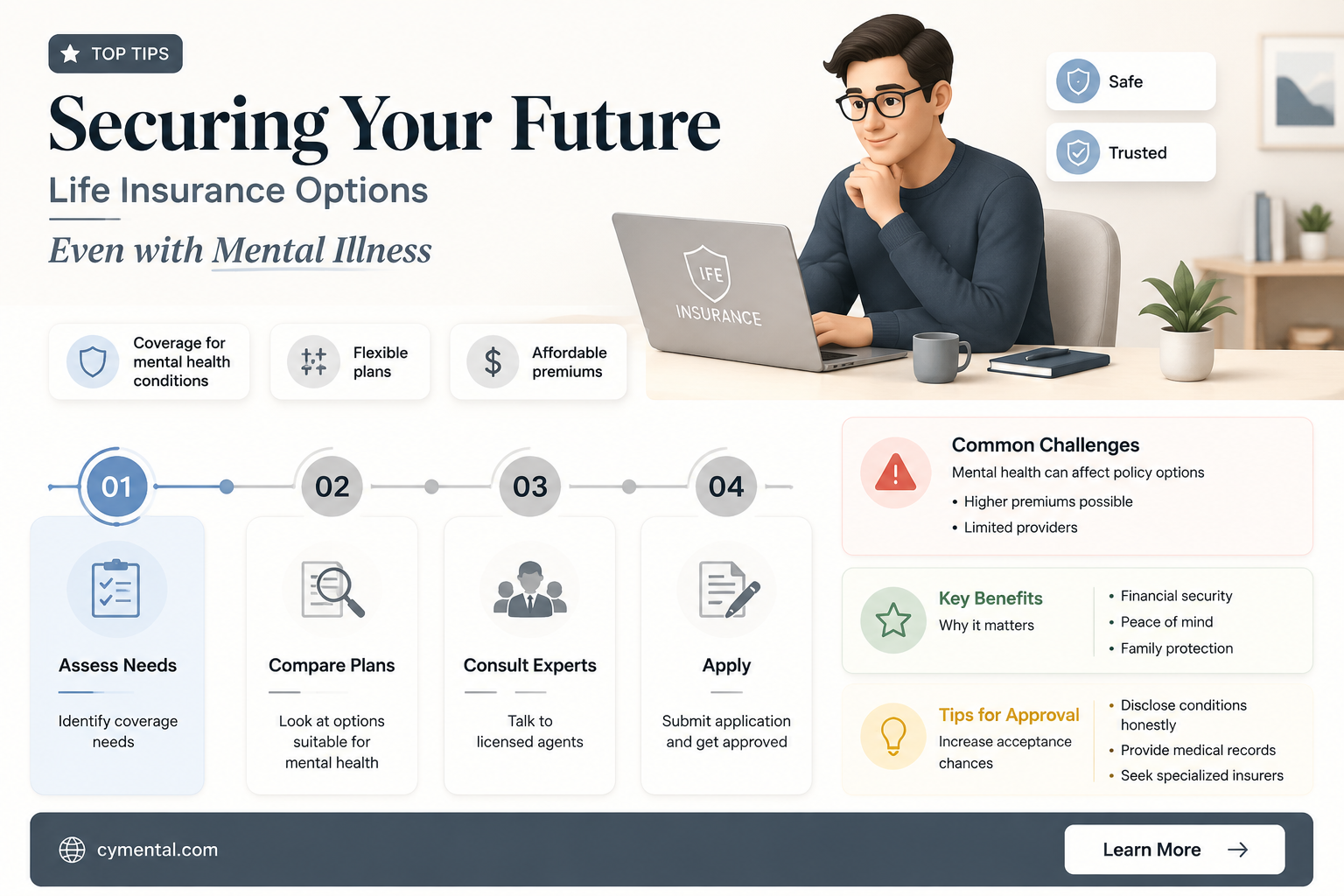
Navigating the complexities of life insurance with a mental illness can be challenging, yet it's a crucial aspect of financial planning for many. Individuals with mental health conditions often face unique obstacles when seeking life insurance coverage. Insurance companies assess risk based on various factors, including the severity and stability of the mental illness, treatment history, and overall health. While some conditions may lead to higher premiums or exclusions, others may not significantly impact insurability. It's essential for those with mental illnesses to understand their rights, explore different insurance options, and potentially seek guidance from financial advisors or mental health professionals to make informed decisions about their coverage.
Explore related products



What You'll Learn
- Eligibility Criteria: Insurers assess mental health conditions to determine eligibility for life insurance coverage
- Disclosure Requirements: Applicants must disclose their mental illness history to the insurer
- Premium Rates: Mental health conditions can affect premium rates, potentially increasing costs
- Policy Exclusions: Some policies may exclude coverage for death related to mental illness
- Legal Protections: Laws protect individuals with mental illness from discrimination in insurance

Eligibility Criteria: Insurers assess mental health conditions to determine eligibility for life insurance coverage
Insurers evaluate mental health conditions as part of their underwriting process to determine an individual's eligibility for life insurance coverage. This assessment helps them gauge the risk associated with providing insurance to someone with a mental illness. The criteria they use can vary widely, depending on the insurance company and the specific policy being applied for.
The evaluation typically involves reviewing the applicant's medical history, including any diagnoses, treatments, and hospitalizations related to mental health. Insurers may also consider the severity and stability of the condition, as well as the applicant's response to treatment. They might look at factors such as the frequency and duration of episodes, the impact on daily functioning, and any substance abuse issues that may be present.
In some cases, insurers may require additional information or assessments, such as a psychological evaluation or a review of the applicant's employment history. They may also consider the applicant's family medical history to identify any potential genetic predispositions to mental health conditions.
It's important to note that having a mental illness does not automatically disqualify someone from obtaining life insurance. Many people with mental health conditions are able to secure coverage, although they may face higher premiums or exclusions for certain conditions. The key is to be honest and transparent about one's mental health history during the application process.
Applicants with mental illness may want to work with an experienced insurance broker who can help them navigate the underwriting process and find a policy that meets their needs. It's also a good idea to shop around and compare quotes from different insurers, as rates and coverage options can vary significantly.
In conclusion, while insurers do assess mental health conditions when determining eligibility for life insurance, it is possible for individuals with mental illness to obtain coverage. The process may be more complex and require additional documentation, but with the right approach and guidance, many people are able to secure the protection they need.
Concealing Struggles: The Hidden Reality of Mental Illness
You may want to see also
Explore related products


Disclosure Requirements: Applicants must disclose their mental illness history to the insurer
Applicants seeking life insurance are typically required to disclose their medical history, including any mental illness diagnoses, to the insurer. This disclosure is a crucial part of the underwriting process, as it helps the insurer assess the risk associated with providing coverage. Failure to disclose such information can lead to policy denial or, in some cases, legal consequences.
The disclosure process usually involves filling out a detailed medical questionnaire, which may ask about the nature of the mental illness, the date of diagnosis, the severity of symptoms, and the treatment received. Applicants may also be required to provide authorization for the insurer to access their medical records directly from their healthcare providers.
It's important for applicants to be honest and thorough in their disclosures. While it may be tempting to omit or downplay mental health issues, doing so can jeopardize the validity of the policy and potentially leave beneficiaries without the financial protection they need. Insurers have the right to rescind a policy if they discover that an applicant failed to disclose relevant information.
In some cases, insurers may require additional information or evaluations before making a decision. This could include requesting more detailed medical records, ordering a psychological evaluation, or conducting a review of the applicant's employment and financial history. The goal of these additional steps is to gain a more comprehensive understanding of the applicant's overall health and risk profile.
Applicants with a history of mental illness may face higher premiums or policy exclusions, but it's still possible to obtain life insurance coverage. Some insurers specialize in providing coverage to individuals with mental health conditions and may offer more favorable terms. It's essential for applicants to shop around and compare policies from different providers to find the best option for their needs.
Unraveling Mental Stability: A Guide for Legal Proceedings
You may want to see also
Explore related products


Premium Rates: Mental health conditions can affect premium rates, potentially increasing costs
Life insurance companies assess risk when determining premium rates, and mental health conditions can be a significant factor in this evaluation. Insurers may view individuals with mental illness as higher risk due to potential impacts on life expectancy and the likelihood of claims. This perception can lead to increased premium rates, making life insurance more expensive for those with mental health conditions.
The extent to which mental health affects premium rates can vary widely. Some conditions may have minimal impact, while others, such as severe depression or schizophrenia, could result in significantly higher premiums. Insurers may also consider the stability of the condition, the effectiveness of treatment, and the individual's overall health when setting rates.
It's important for individuals with mental health conditions to be aware of these potential cost implications when seeking life insurance. They may need to provide detailed medical information and undergo additional underwriting processes to secure coverage. Working with an experienced insurance broker who specializes in mental health cases can be beneficial in navigating these complexities and finding the most affordable options.
In some cases, individuals with mental health conditions may be able to secure life insurance with standard rates if they can demonstrate effective management of their condition and a stable health history. Others may need to consider alternative options, such as guaranteed issue life insurance, which does not require medical underwriting but typically comes with higher premiums.
Ultimately, the impact of mental health conditions on life insurance premium rates underscores the importance of addressing mental health concerns proactively and seeking appropriate treatment. By doing so, individuals can not only improve their overall well-being but also potentially reduce the financial burden of securing life insurance coverage.
Recognizing Mental Health Struggles: A Compassionate Guide
You may want to see also
Explore related products

![Life and Health Insurance License Study Cards: Life Health Insurance Exam Prep with Practice Test Questions [Full Color]](https://m.media-amazon.com/images/I/51Pox87Z5lL._AC_UL320_.jpg)



Policy Exclusions: Some policies may exclude coverage for death related to mental illness
Life insurance policies often contain exclusions that limit or deny coverage under certain circumstances. One such exclusion that can significantly impact individuals with mental illness is the exclusion for deaths related to mental illness. This exclusion may vary from policy to policy, with some insurers completely denying coverage for such deaths, while others may impose limitations or additional requirements.
For individuals with mental illness, understanding these policy exclusions is crucial when seeking life insurance. It's essential to carefully review the policy terms and conditions to determine if there are any exclusions related to mental illness and how they may affect coverage. Some policies may exclude coverage for deaths resulting from self-harm, suicide, or other mental health-related causes, while others may require additional medical underwriting or impose waiting periods before coverage takes effect.
The impact of these exclusions can be significant, potentially leaving beneficiaries without financial protection in the event of the insured's death. It's important for individuals with mental illness to consider these exclusions when choosing a life insurance policy and to seek guidance from a qualified insurance professional if needed. In some cases, it may be possible to negotiate policy terms or seek alternative coverage options that better meet the individual's needs.
When comparing life insurance policies, it's essential to look beyond the premium costs and coverage amounts and carefully examine the policy exclusions. This includes understanding the specific language used in the policy to define mental illness and related conditions, as well as any limitations or requirements imposed by the insurer. By doing so, individuals with mental illness can make informed decisions about their life insurance coverage and ensure they have the financial protection they need.
Empowering Civic Participation: Mental Disability and the Right to Vote
You may want to see also
Explore related products


![Life and Health Insurance License Exam Secrets Study Guide - Full-Length Practice Test, Detailed Answer Explanations: [2nd Edition]](https://m.media-amazon.com/images/I/71DEXPA5yHL._AC_UL320_.jpg)

Legal Protections: Laws protect individuals with mental illness from discrimination in insurance
Individuals with mental illness often face challenges when seeking life insurance due to historical biases and misconceptions. However, legal protections are in place to prevent discrimination based on mental health status. These laws ensure that insurance companies cannot deny coverage or charge higher premiums solely because of a person's mental illness. This is a crucial aspect of protecting the rights of those with mental health conditions, allowing them access to the same financial security options as others.
The Americans with Disabilities Act (ADA) is a federal law that prohibits discrimination against individuals with disabilities, including mental illness, in various areas such as employment, public accommodations, and services like insurance. Under the ADA, insurance companies are required to provide equal access to their products and services, meaning they cannot discriminate against applicants with mental health conditions. This includes offering the same terms, conditions, and premiums as they would to individuals without mental illness.
Additionally, the Affordable Care Act (ACA) has further strengthened protections for individuals with mental illness by mandating that health insurance plans cover mental health services at parity with physical health services. While the ACA primarily focuses on health insurance, its provisions have implications for life insurance as well, reinforcing the principle that mental health should be treated equally to physical health in all aspects of insurance.
Despite these legal protections, individuals with mental illness may still encounter difficulties when applying for life insurance. Insurance companies may use underwriting practices that disproportionately affect those with mental health conditions, such as requiring extensive medical exams or requesting detailed information about past treatments and hospitalizations. To combat these practices, some states have enacted additional laws and regulations specifically addressing mental health parity in insurance.
In conclusion, legal protections play a vital role in ensuring that individuals with mental illness have equal access to life insurance. These laws not only prevent outright discrimination but also promote a more nuanced understanding of mental health in the insurance industry. By recognizing the importance of mental health parity, insurance companies can better serve their customers and contribute to a more inclusive and equitable society.
Understanding Mental Health Inpatient Care Duration
You may want to see also
Frequently asked questions
Yes, many people with mental illnesses can qualify for life insurance. However, the process may involve additional steps, such as providing detailed medical information and undergoing a medical exam.
It's possible. Life insurance companies assess risk based on various factors, including medical history. If your mental illness is well-managed and you're in good overall health, you may still be able to secure affordable premiums.
Severe mental illnesses that significantly impact daily functioning or life expectancy, such as schizophrenia or bipolar disorder, may have a greater impact on eligibility and premiums. However, each case is evaluated individually, and many people with these conditions can still obtain life insurance.