Noah Parker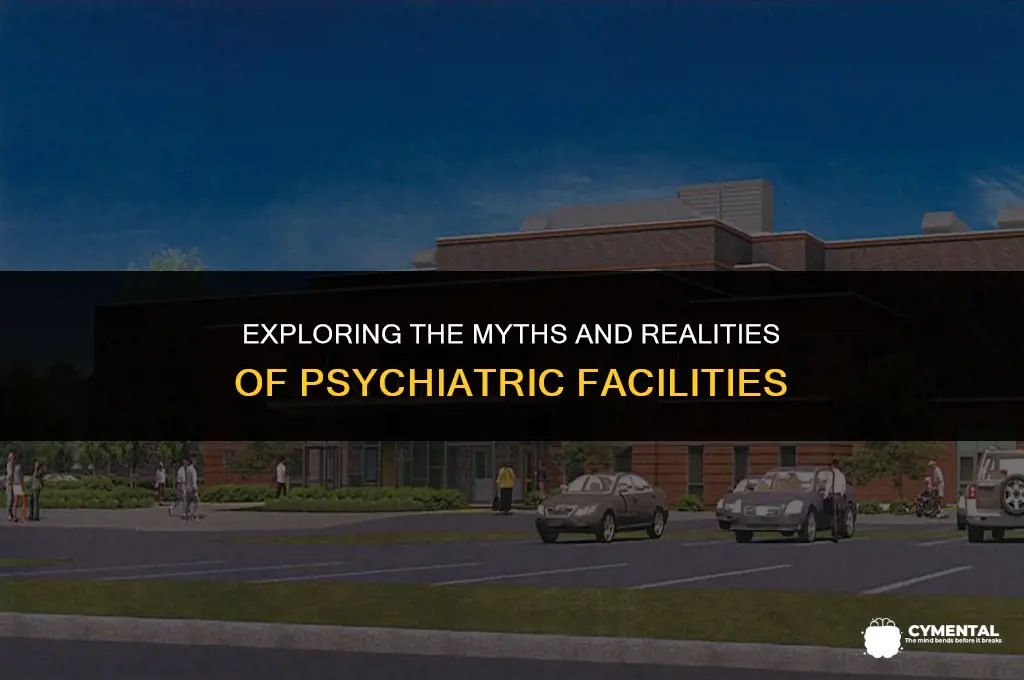
Mental hospitals, also known as psychiatric hospitals, are specialized healthcare facilities designed to provide inpatient care for individuals experiencing mental health issues. These facilities typically have a structured environment with various units and wards catering to different levels of care and patient needs. The architecture and interior design of mental hospitals have evolved over time, moving away from the sterile, institutional look of the past towards more modern, therapeutic environments. Today, many mental hospitals incorporate elements such as natural light, comfortable furnishings, and calming color schemes to create a more welcoming and healing atmosphere for patients. Additionally, these facilities often include spaces for recreational activities, group therapy sessions, and educational programs to support the holistic recovery of individuals.
Explore related products


What You'll Learn
- Facilities and Infrastructure: Mental hospitals typically have secure wards, therapy rooms, and recreational areas
- Patient Rooms: These are often private or semi-private, with basic furnishings and safety features
- Security Measures: Security is paramount, with locked wards, surveillance cameras, and trained staff
- Therapy and Treatment Areas: These include group therapy rooms, individual counseling spaces, and medication administration areas
- Recreational and Social Spaces: Patients often have access to common areas, outdoor spaces, and activity rooms for socialization and leisure

Facilities and Infrastructure: Mental hospitals typically have secure wards, therapy rooms, and recreational areas
Mental hospitals are designed with a variety of facilities and infrastructure to support the treatment and care of patients with mental health conditions. One of the key features of these facilities is the presence of secure wards. These wards are designed to provide a safe and controlled environment for patients who may be at risk of harming themselves or others. They are typically equipped with features such as locked doors, surveillance cameras, and trained staff to monitor and respond to any potential incidents.
In addition to secure wards, mental hospitals also have therapy rooms. These rooms are used for individual and group therapy sessions, where patients can work with mental health professionals to address their conditions and develop coping strategies. Therapy rooms are often designed to be calm and comfortable, with features such as soft lighting, comfortable seating, and soundproofing to create a conducive environment for healing and reflection.
Recreational areas are another important component of mental hospitals. These areas provide patients with opportunities for physical activity, socialization, and relaxation. They may include features such as outdoor courtyards, gardens, sports facilities, and common rooms equipped with games, books, and other leisure activities. Recreational areas play a crucial role in promoting overall well-being and helping patients to develop healthy habits and routines.
The design and layout of mental hospitals can vary significantly depending on factors such as the size of the facility, the types of patients it serves, and the treatment approaches it employs. However, the presence of secure wards, therapy rooms, and recreational areas is a common feature across most mental health facilities. These components work together to create a comprehensive and supportive environment for patients as they work towards recovery and improved mental health.
Understanding Involuntary Mental Health Hospitalization: Your Rights and Options
You may want to see also
Explore related products


Patient Rooms: These are often private or semi-private, with basic furnishings and safety features
Patient rooms in mental hospitals are designed with both functionality and safety in mind. These spaces are typically private or semi-private, providing patients with a sense of personal space while still allowing for observation and interaction with healthcare staff. The furnishings in these rooms are basic yet practical, often including a bed, a small table, and a chair. Safety features are paramount, with rooms often equipped with emergency call buttons, shatterproof windows, and doors that can be secured to prevent patients from leaving the unit unsupervised.
The layout of patient rooms can vary depending on the specific needs of the facility and its patients. In some cases, rooms may be arranged in a dormitory-style setup, with multiple beds in a single room separated by dividers or curtains. This arrangement can be beneficial for patients who require close monitoring or who may benefit from the social interaction with other patients. In other cases, rooms may be entirely private, providing patients with their own space to retreat to when needed.
In addition to the basic furnishings and safety features, patient rooms may also be equipped with amenities designed to promote comfort and well-being. These can include access to natural light, artwork or photographs on the walls, and comfortable bedding. Some facilities may also provide patients with personal storage space, such as lockers or small closets, to store their belongings.
The design of patient rooms is an important aspect of the overall therapeutic environment in a mental hospital. By creating spaces that are both safe and comfortable, healthcare providers can help to promote a sense of stability and security for patients, which can be an important factor in their recovery process.
Exploring the Intriguing World of Booty Juice Mental Hospital
You may want to see also
Explore related products


Security Measures: Security is paramount, with locked wards, surveillance cameras, and trained staff
In mental health facilities, security measures are a critical component of patient care and staff safety. Locked wards are a common feature, designed to prevent patients from leaving the facility without proper authorization and to protect them from potential harm. These wards are typically secured with electronic locks that can only be opened by authorized personnel, ensuring that patients remain within a safe and controlled environment.
Surveillance cameras are another essential security measure in mental hospitals. Strategically placed throughout the facility, these cameras provide constant monitoring of patient areas, hallways, and entrances. This not only helps to deter potential incidents but also allows staff to quickly respond to any situations that may arise. The footage captured by these cameras can also be used for incident reviews and staff training, helping to improve overall safety and care practices.
Trained staff play a vital role in maintaining security within mental health facilities. Security personnel are often present around the clock, patrolling the premises and responding to any security-related issues. In addition, clinical staff are trained to recognize and manage potential risks, such as aggressive behavior or suicidal ideation. This includes de-escalation techniques, crisis intervention strategies, and the proper use of restraints when necessary.
Access control is another important aspect of security in mental hospitals. Visitors and staff must often go through a secure entrance, where they may be required to show identification and have their belongings searched. This helps to prevent the introduction of contraband or other items that could pose a risk to patients and staff.
In conclusion, security measures in mental health facilities are multifaceted and essential for ensuring the safety and well-being of both patients and staff. From locked wards and surveillance cameras to trained staff and access control, these measures work together to create a secure environment that supports the therapeutic process and minimizes potential risks.
Understanding Your Rights: Can You Refuse Mental Hospital Admission?
You may want to see also
Therapy and Treatment Areas: These include group therapy rooms, individual counseling spaces, and medication administration areas
Within the confines of a mental hospital, therapy and treatment areas are designed to facilitate healing and recovery. Group therapy rooms are typically spacious and arranged to promote open communication among patients. These rooms may feature comfortable seating, whiteboards for exercises, and sometimes audio-visual equipment for multimedia presentations or relaxation techniques. The atmosphere is often calm and inviting, with soft lighting and neutral colors to create a soothing environment conducive to sharing and support.
Individual counseling spaces, on the other hand, are more private and intimate. These rooms are usually smaller, with a desk or table for the therapist and a comfortable chair for the patient. The setting is designed to foster a sense of confidentiality and trust, allowing patients to explore their thoughts and feelings in a one-on-one setting. Some individual counseling rooms may also be equipped with recording devices for session notes or for patients to review their progress over time.
Medication administration areas are critical components of mental hospitals, ensuring that patients receive their prescribed medications accurately and safely. These areas are typically staffed by trained nurses who monitor and distribute medications according to strict protocols. Patients may be required to line up at a designated time to receive their medications, which are often dispensed in small, secure containers to prevent misuse. In some cases, medications may be administered via injection in a separate, more clinical setting within the hospital.
The layout and design of these therapy and treatment areas are carefully considered to support the therapeutic process. Accessibility is a key factor, with all areas typically located on the same floor or in close proximity to minimize the need for long walks or transfers. This not only aids in patient mobility but also helps to reduce anxiety and stress associated with navigating the hospital environment.
In addition to their functional purposes, these areas also play a role in the overall therapeutic milieu of the hospital. The decor, furniture, and even the layout can contribute to a sense of community and support among patients. For example, group therapy rooms may feature artwork created by patients, fostering a sense of pride and ownership in the space. Similarly, individual counseling rooms may include personal touches such as plants or decorative items to create a more welcoming atmosphere.
Overall, the therapy and treatment areas within a mental hospital are essential spaces that support the recovery journey of patients. By providing a safe, comfortable, and structured environment, these areas help to facilitate the therapeutic process and promote positive outcomes for those seeking mental health care.
Navigating Mental Health Crises: When Hospitalization Becomes Necessary
You may want to see also
Recreational and Social Spaces: Patients often have access to common areas, outdoor spaces, and activity rooms for socialization and leisure
Within the confines of a mental hospital, recreational and social spaces serve as vital components of a patient's recovery and well-being. These areas are designed to provide a respite from the clinical environment, offering patients the opportunity to engage in leisure activities, socialize with peers, and enjoy moments of relaxation. Common areas, such as lounges or day rooms, are typically furnished with comfortable seating, televisions, and games, creating a homely atmosphere that encourages interaction and community building.
Outdoor spaces, including gardens, courtyards, and walking paths, are equally important, allowing patients to connect with nature and benefit from fresh air and sunlight. These areas may be landscaped with sensory-stimulating plants, water features, or art installations, all of which can contribute to a calming and therapeutic environment. Activity rooms, on the other hand, are dedicated to specific hobbies or interests, such as art studios, music rooms, or libraries, providing patients with the resources and space to explore their creative pursuits or engage in educational activities.
The availability of these recreational and social spaces can have a significant impact on a patient's mental health and overall experience of hospitalization. By offering a variety of activities and environments, mental hospitals can help to reduce stress, improve mood, and foster a sense of normalcy and routine. Moreover, these spaces can serve as a platform for patients to develop social skills, form supportive relationships, and practice coping strategies in a safe and controlled setting.
In conclusion, recreational and social spaces are essential elements of a mental hospital's infrastructure, playing a crucial role in promoting patient well-being and recovery. By providing a diverse range of activities and environments, these spaces can help to alleviate the stigma associated with mental illness, empower patients to take an active role in their treatment, and ultimately contribute to better health outcomes.
Nuts and Bolts: Unraveling the Squirrel's Mental Health Mystery
You may want to see also
Frequently asked questions
The environment in a mental hospital is designed to be calm and therapeutic. Facilities often have quiet, comfortable common areas for patients to relax and socialize. There are typically designated spaces for therapy sessions, recreational activities, and dining. The decor is usually simple and non-stimulating to minimize stress and anxiety.
Yes, mental hospitals have various security measures to ensure the safety of patients and staff. These may include secure entry points, surveillance cameras, and staff monitoring patient areas. Some facilities may also have locked wards or units for patients who require a higher level of security or supervision.
Mental hospitals often provide a range of activities to support patients' recovery and well-being. These can include group therapy sessions, individual counseling, recreational activities like art and music therapy, exercise programs, and educational workshops. The goal is to offer a structured and supportive environment that promotes healing and personal growth.