Lucas Bennett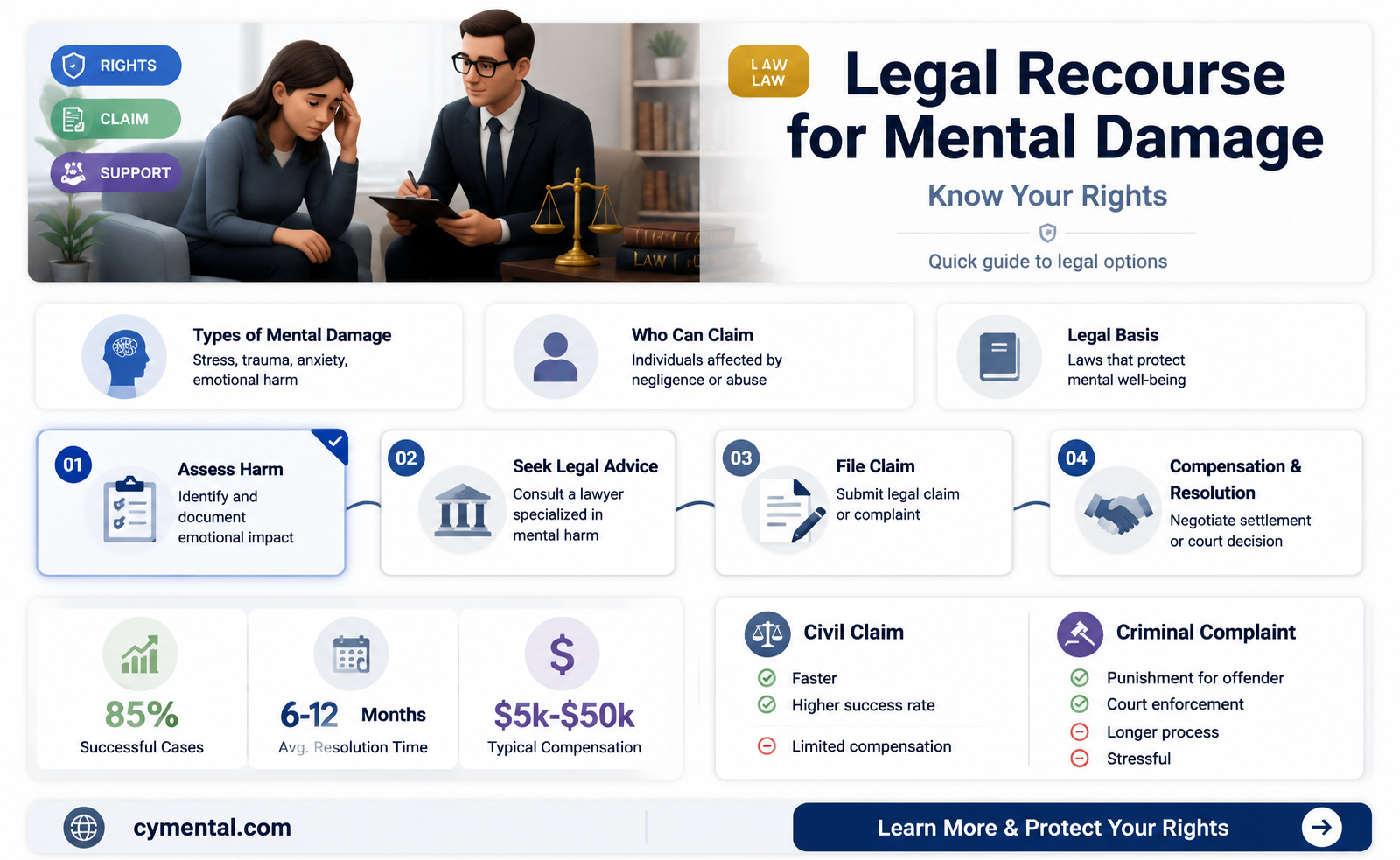
The question of whether one can sue someone for mental damage is a complex and nuanced area of law that varies significantly depending on the jurisdiction. In many legal systems, mental damage or emotional distress can indeed form the basis of a lawsuit, often under the umbrella of personal injury law. However, proving mental damage can be challenging, as it requires demonstrating that the defendant's actions were the direct cause of the plaintiff's emotional suffering. This often necessitates expert testimony from mental health professionals and detailed documentation of the plaintiff's condition. Furthermore, the severity of the mental damage must typically meet certain legal thresholds to be considered actionable. For instance, in some jurisdictions, the plaintiff must show that they have suffered severe emotional distress that has had a significant impact on their daily life and well-being. It is also important to note that the statute of limitations for such claims can be relatively short, meaning that individuals seeking to sue for mental damage must act promptly to preserve their legal rights.
Explore related products

$52.12 $80


What You'll Learn
- Emotional Distress Claims: Legal actions for severe emotional suffering caused by another's negligence or intentional actions
- Trauma and PTSD: Cases involving psychological trauma and post-traumatic stress disorder due to harmful experiences
- Defamation and Reputation Damage: Suits for harm caused by false statements or actions damaging one's reputation
- Workplace Bullying and Harassment: Claims related to mental health impacts from bullying or harassment in the workplace
- Medical Malpractice and Mental Health: Lawsuits against healthcare providers for mental health issues arising from medical negligence

Emotional Distress Claims: Legal actions for severe emotional suffering caused by another's negligence or intentional actions
Emotional distress claims are a specific type of legal action that allows individuals to seek compensation for severe emotional suffering caused by another's negligence or intentional actions. These claims are often complex and require a deep understanding of the legal standards and evidentiary requirements.
To successfully pursue an emotional distress claim, a plaintiff must typically demonstrate that the defendant's actions were extreme and outrageous, causing severe emotional distress. This can include situations such as intentional infliction of emotional distress, where the defendant's conduct was so egregious that it was likely to cause severe emotional harm, or negligent infliction of emotional distress, where the defendant's negligence resulted in the plaintiff's emotional suffering.
One unique aspect of emotional distress claims is that they can be brought in a variety of contexts, including workplace harassment, medical malpractice, and personal injury cases. For example, in a workplace harassment case, an employee may sue their employer for emotional distress caused by a hostile work environment or retaliatory actions. Similarly, in a medical malpractice case, a patient may sue a healthcare provider for emotional distress caused by a misdiagnosis or improper treatment.
Another important consideration in emotional distress claims is the requirement of proximate cause. This means that the plaintiff must demonstrate that the defendant's actions were the direct cause of their emotional distress. In some cases, this can be a challenging burden to meet, particularly where there are multiple potential causes of the plaintiff's emotional suffering.
Finally, it is worth noting that emotional distress claims can be highly subjective and may require expert testimony to establish the severity of the plaintiff's emotional harm. This can include testimony from mental health professionals, who can provide insight into the plaintiff's emotional state and the likely impact of the defendant's actions on their well-being.
In conclusion, emotional distress claims are a complex and nuanced area of law that require careful consideration of the legal standards and evidentiary requirements. By understanding the unique aspects of these claims, individuals can better navigate the legal process and seek the compensation they deserve for their emotional suffering.
Emergency Contacts: Who to Call During a Mental Health Crisis
You may want to see also
Explore related products


Trauma and PTSD: Cases involving psychological trauma and post-traumatic stress disorder due to harmful experiences
Psychological trauma and post-traumatic stress disorder (PTSD) can result from a wide range of harmful experiences, including physical abuse, emotional neglect, natural disasters, and witnessing violent events. In legal contexts, suing for mental damage due to trauma and PTSD can be complex, as it requires proving a direct causal link between the defendant's actions and the plaintiff's psychological harm.
One unique angle to consider in cases involving trauma and PTSD is the concept of foreseeability. This refers to whether the defendant could have reasonably anticipated that their actions would lead to the plaintiff's psychological distress. For example, in a case where a person was injured in a car accident caused by a drunk driver, it may be foreseeable that the victim could develop PTSD as a result of the traumatic event.
Another important aspect to consider is the severity and duration of the plaintiff's symptoms. In order to successfully sue for mental damage, the plaintiff must demonstrate that their PTSD symptoms are severe enough to impact their daily life and that these symptoms are likely to persist for an extended period of time. This may involve presenting evidence from mental health professionals, such as psychiatrists or psychologists, who can testify to the plaintiff's condition and prognosis.
Additionally, it is crucial to consider the role of mitigating factors in cases involving trauma and PTSD. These factors may include the plaintiff's pre-existing mental health conditions, their coping mechanisms, and the availability of treatment options. For instance, if the plaintiff had a history of anxiety or depression prior to the traumatic event, the defendant may argue that these pre-existing conditions contributed to the plaintiff's PTSD symptoms.
In conclusion, suing for mental damage due to trauma and PTSD requires a thorough understanding of the legal and psychological complexities involved. By focusing on the unique aspects of these cases, such as foreseeability, severity and duration of symptoms, and mitigating factors, plaintiffs can build a stronger argument for their claim.
Recognizing the Signs: Is Someone You Know Having a Mental Breakdown?
You may want to see also
Explore related products


Defamation and Reputation Damage: Suits for harm caused by false statements or actions damaging one's reputation
Defamation and reputation damage occur when false statements or actions harm an individual's reputation. This can lead to legal action, as individuals have the right to protect their reputation from malicious or negligent attacks. Defamation can be categorized into two types: libel and slander. Libel refers to written or published false statements, while slander pertains to spoken false statements. Both forms can cause significant damage to a person's reputation and may result in legal consequences for the perpetrator.
To successfully sue for defamation, the plaintiff must prove several elements. First, they must show that the defendant made a false statement about them. Second, they must demonstrate that the statement was communicated to a third party. Third, they must establish that the statement caused harm to their reputation. Finally, they must prove that the defendant acted with the requisite level of fault, which varies depending on the jurisdiction and the nature of the statement.
In addition to proving these elements, the plaintiff may also need to overcome certain defenses. For example, the defendant may argue that the statement was true, that it was a matter of public concern, or that it was protected by privilege. The plaintiff must be prepared to counter these defenses with evidence and legal arguments.
Damages for defamation can include compensatory damages, which are intended to restore the plaintiff to the position they were in before the defamation occurred. This may include lost wages, lost business opportunities, and emotional distress. In some cases, punitive damages may also be awarded to punish the defendant and deter future conduct.
It is important to note that defamation laws vary by jurisdiction, and the specific requirements for a successful lawsuit may differ depending on the location. As such, it is crucial for individuals seeking to sue for defamation to consult with a qualified attorney who can provide guidance on the applicable laws and the best course of action.
Understanding Involuntary Commitment to Mental Health Facilities
You may want to see also
Explore related products


Workplace Bullying and Harassment: Claims related to mental health impacts from bullying or harassment in the workplace
Workplace bullying and harassment can have severe mental health impacts on victims, leading to a range of psychological issues such as anxiety, depression, and post-traumatic stress disorder (PTSD). These mental health consequences can significantly affect an individual's ability to perform their job and maintain their overall well-being. In many jurisdictions, victims of workplace bullying and harassment may be able to file legal claims against their employers or the individuals responsible for the bullying, seeking compensation for the mental damage caused.
To successfully pursue a claim related to mental health impacts from workplace bullying or harassment, victims typically need to provide evidence of the bullying behavior, the resulting mental health issues, and the connection between the two. This may involve gathering witness statements, emails, text messages, or other forms of documentation that demonstrate the bullying conduct. Additionally, victims may need to undergo a psychological evaluation to assess the extent of their mental health damages and to establish a clear link between the bullying and their psychological symptoms.
One unique aspect of workplace bullying and harassment claims is that they often involve a power dynamic, where the bully holds a position of authority over the victim. This can make it particularly challenging for victims to come forward and report the bullying, as they may fear retaliation or be unsure of how to navigate the legal process. In these cases, it is crucial for victims to seek support from legal professionals who specialize in workplace bullying and harassment claims, as well as from mental health providers who can offer guidance and treatment for the psychological impacts of bullying.
Another important consideration in workplace bullying and harassment claims is the role of the employer in preventing and addressing bullying behavior. Employers have a legal obligation to provide a safe and healthy work environment for their employees, which includes taking steps to prevent bullying and harassment. If an employer fails to take appropriate action to address bullying behavior, they may be held liable for the mental health damages suffered by the victim.
In conclusion, workplace bullying and harassment can have devastating mental health impacts on victims, and legal claims may be available to seek compensation for these damages. By gathering evidence, seeking professional support, and holding employers accountable for their role in preventing bullying, victims can take steps to address the psychological harm caused by workplace bullying and harassment.
Breaking Free: Strategies to Confront Mental Torture and Reclaim Your Peace
You may want to see also
Medical Malpractice and Mental Health: Lawsuits against healthcare providers for mental health issues arising from medical negligence
Medical malpractice lawsuits involving mental health issues are a complex and sensitive area of law. These cases often arise when a healthcare provider's negligence leads to a patient suffering mental health consequences. For instance, a misdiagnosis, improper treatment, or failure to provide adequate care can all potentially result in mental distress, anxiety, depression, or even more severe psychiatric conditions.
One of the key challenges in these lawsuits is establishing a clear causal link between the medical negligence and the mental health issues. Plaintiffs must demonstrate that the defendant's actions or omissions directly caused their mental suffering. This often requires expert testimony from mental health professionals who can explain the relationship between the medical error and the patient's psychological state.
Another important aspect of these cases is the duty of care owed by healthcare providers. Doctors and other medical professionals have a legal obligation to provide care that meets a certain standard. When this standard is breached, and the patient suffers mental health consequences as a result, a malpractice claim may be viable.
Damages in these cases can be difficult to quantify, as mental health issues often have a significant impact on a person's quality of life. Compensation may include costs for ongoing mental health treatment, lost wages due to the inability to work, and damages for pain and suffering.
It's also worth noting that there may be specific legal requirements and limitations for filing a medical malpractice lawsuit, which can vary by jurisdiction. These might include statutes of limitations, requirements for expert affidavits, and caps on damages.
In conclusion, while medical malpractice lawsuits involving mental health issues are complex, they are an important avenue for holding healthcare providers accountable when their negligence leads to significant mental health consequences. If you believe you have a case, it's crucial to consult with an experienced attorney who can guide you through the legal process and help you seek the compensation you deserve.
Recognizing and Reporting Mental Abuse: A Guide to Protecting Yourself and Others
You may want to see also
Frequently asked questions
Yes, in many jurisdictions, you can sue someone for causing mental damage, often referred to as emotional distress or psychological harm. This typically falls under the category of personal injury law.
Situations that might lead to a lawsuit for mental damage include, but are not limited to, cases of assault, battery, intentional infliction of emotional distress, negligence, and defamation. Each case must demonstrate that the defendant's actions were the direct cause of the plaintiff's mental suffering.
Evidence needed to support a claim for mental damage may include medical records, psychological evaluations, witness testimonies, and any documentation that can prove the defendant's actions and the plaintiff's resulting mental distress. It's crucial to show a direct causal link between the defendant's behavior and the plaintiff's psychological harm.
Compensation in cases of mental damage is typically determined by the severity of the emotional distress, the impact on the plaintiff's daily life and ability to work, and the costs of any necessary medical or psychological treatment. The court may also consider punitive damages in cases where the defendant's actions were particularly egregious.
Yes, there are several limitations and challenges in suing for mental damage. These may include proving the subjective nature of emotional distress, establishing a clear causal link between the defendant's actions and the plaintiff's harm, and overcoming potential defenses such as contributory negligence or assumption of risk. Additionally, some jurisdictions may have specific requirements or caps on damages for mental distress claims.