Noah Parker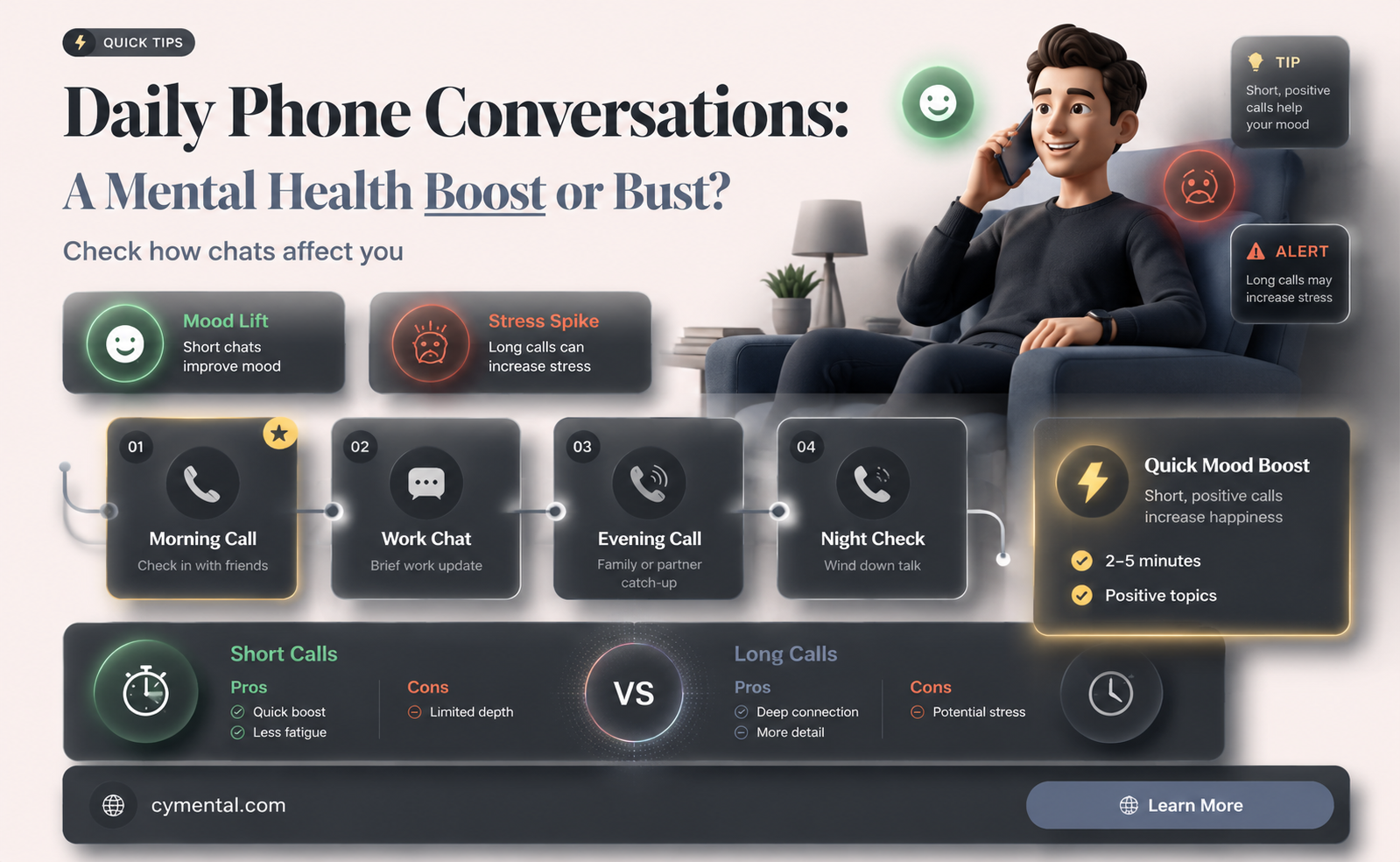
Talking on the phone every day can significantly impact mental health by fostering social connections and reducing feelings of isolation. In an increasingly digital world, phone conversations provide a more personal and immediate form of communication compared to texting or social media, allowing for tone, emotion, and nuance to be conveyed. Regular phone calls with friends, family, or even mental health professionals can create a sense of support and belonging, which is crucial for emotional well-being. Additionally, verbal communication encourages active listening and deeper engagement, helping individuals process their thoughts and feelings more effectively. While it may not replace face-to-face interaction, daily phone conversations can serve as a valuable tool in maintaining and improving mental health, especially for those who may feel disconnected or overwhelmed by modern communication methods.
| Characteristics | Values |
|---|---|
| Social Connection | Talking on the phone daily fosters a sense of connection, reducing feelings of loneliness and isolation, which are risk factors for mental health issues. |
| Emotional Support | Phone conversations allow for the expression of emotions, providing a safe space to vent, seek advice, and receive empathy, all crucial for emotional well-being. |
| Reduced Anxiety & Depression | Studies suggest regular phone contact can alleviate symptoms of anxiety and depression by promoting social interaction and a sense of belonging. |
| Improved Mood | Hearing a familiar voice and engaging in conversation can boost mood and increase feelings of happiness and contentment. |
| Cognitive Stimulation | Phone conversations engage the brain, potentially improving cognitive function and reducing the risk of cognitive decline. |
| Accessibility | Phone calls are readily accessible to most people, making them a convenient and affordable way to maintain social connections, especially for those with limited mobility or living in remote areas. |
| Flexibility | Phone calls allow for spontaneous conversations and check-ins, providing immediate support when needed. |
| Privacy & Comfort | Phone conversations can offer a sense of privacy and comfort, allowing individuals to express themselves more freely than in face-to-face interactions. |
| Potential Drawbacks | Excessive phone use or reliance on phone calls as the sole form of communication can lead to feelings of disconnection or superficial relationships. Balancing phone calls with other forms of interaction is important. |
Explore related products


What You'll Learn
- Social Connection: Daily phone calls foster a sense of belonging, reducing loneliness and isolation
- Emotional Support: Conversations provide comfort, validation, and encouragement during stressful times
- Reduced Anxiety: Regular check-ins can alleviate worry by maintaining consistent human interaction
- Improved Mood: Positive interactions boost serotonin levels, enhancing overall emotional well-being
- Accountability: Daily calls create routines, promoting mental health practices and self-care habits

Social Connection: Daily phone calls foster a sense of belonging, reducing loneliness and isolation
Human beings are inherently social creatures, and our mental well-being is deeply intertwined with the quality of our connections. Daily phone calls, often overlooked in the age of texting and social media, can serve as a powerful tool to combat loneliness and foster a sense of belonging. Unlike brief text exchanges, phone conversations allow for tone, laughter, and pauses—nuances that convey empathy and understanding. For individuals experiencing isolation, whether due to physical distance, health limitations, or life transitions, these auditory interactions can bridge the gap, making them feel seen and heard.
Consider the elderly population, a demographic particularly vulnerable to loneliness. Studies show that seniors who engage in regular phone conversations report higher levels of life satisfaction and reduced symptoms of depression. A 10-minute daily call, for instance, can become a ritual that anchors their day, providing structure and emotional support. Similarly, young adults navigating the stresses of modern life can benefit from this practice. A call with a trusted friend or family member offers a safe space to vent, share achievements, or simply enjoy casual banter, reinforcing social bonds that buffer against anxiety and isolation.
To maximize the mental health benefits of daily phone calls, intentionality is key. Start by setting a consistent time for the call, treating it as a non-negotiable appointment. Focus on active listening—ask open-ended questions, reflect on what’s being said, and avoid multitasking. For those hesitant to initiate, begin with a small commitment, such as a 5-minute check-in, and gradually extend the duration as comfort grows. Pairing calls with shared activities, like discussing a book or planning a virtual event, can also deepen the connection.
While technology offers countless ways to stay in touch, the phone call remains uniquely effective in nurturing emotional intimacy. Its immediacy and personal touch can counteract the superficiality often associated with digital communication. However, it’s important to respect boundaries—ensure the other person is receptive to daily calls and adjust frequency if needed. When done thoughtfully, this simple practice can transform relationships, turning fleeting moments into meaningful exchanges that fortify mental resilience.
In a world where loneliness is increasingly recognized as a public health crisis, daily phone calls offer a simple yet profound solution. They remind us that connection doesn’t require grand gestures—just a willingness to listen, share, and be present. By integrating this habit into our routines, we not only enrich our own lives but also contribute to a network of support that uplifts others. After all, in the sound of a familiar voice lies the power to heal, to belong, and to thrive.
HRT and Mental Health: Exploring Hormone Therapy's Impact on Well-Being
You may want to see also
Explore related products


Emotional Support: Conversations provide comfort, validation, and encouragement during stressful times
Human connection is a powerful antidote to stress, and daily phone conversations can serve as a vital lifeline during challenging periods. When faced with adversity, sharing our experiences with a trusted confidant can significantly reduce the burden of anxiety and depression. Research suggests that social support, particularly through verbal communication, triggers the release of oxytocin, often referred to as the "love hormone," which promotes feelings of calmness and security. A 10- to 15-minute daily check-in with a friend or family member can be an effective way to harness this physiological response, providing a sense of comfort and reassurance that may not be as readily available through text-based communication.
Consider the case of individuals navigating major life transitions, such as job loss or divorce. In these situations, regular phone conversations can offer a structured opportunity to process emotions, receive validation, and gain perspective. For instance, a 2020 study published in the Journal of Social and Personal Relationships found that participants who engaged in daily phone calls with a supportive partner reported lower levels of stress and higher levels of relationship satisfaction compared to those who relied solely on text messaging. To maximize the benefits of these conversations, it's essential to create a safe and non-judgmental space where both parties feel comfortable sharing their thoughts and feelings. This can be achieved by setting aside dedicated time, minimizing distractions, and actively listening without interruption.
The art of providing emotional support through phone conversations lies in the ability to offer encouragement and motivation. During stressful times, it's easy to become overwhelmed and lose sight of one's strengths and capabilities. A well-timed phone call from a supportive friend or family member can serve as a powerful reminder of one's resilience and resourcefulness. For example, a simple phrase like "I know this is tough, but I believe in you" can go a long way in boosting self-confidence and fostering a sense of hope. To enhance the impact of these conversations, consider incorporating specific strategies, such as:
- Active listening: Repeat back what the person has said to show understanding and empathy.
- Reframing: Help the person view the situation from a different perspective, focusing on opportunities for growth and learning.
- Goal-setting: Encourage the person to identify small, achievable goals that can help them regain a sense of control and purpose.
While daily phone conversations can be a valuable tool for emotional support, it's crucial to recognize that they are not a substitute for professional mental health treatment. Individuals experiencing severe or persistent symptoms of anxiety or depression should seek guidance from a qualified therapist or counselor. That being said, incorporating regular phone check-ins into one's self-care routine can be a simple yet effective way to nurture social connections and promote emotional well-being. By prioritizing these conversations and cultivating a network of supportive relationships, individuals can build resilience and better navigate life's challenges. Ultimately, the key to harnessing the power of emotional support through phone conversations lies in consistency, authenticity, and a willingness to both give and receive comfort, validation, and encouragement.
First Responders' Mental Health: Personal Struggles and Support Solutions
You may want to see also
Explore related products


Reduced Anxiety: Regular check-ins can alleviate worry by maintaining consistent human interaction
Human connection is a powerful antidote to anxiety, and regular phone conversations can serve as a consistent dose of this remedy. For individuals prone to worry or those facing stressful life events, daily check-ins provide a structured opportunity to voice concerns, gain perspective, and feel supported. Unlike sporadic interactions, which can leave room for rumination, consistent communication acts as a safety net, reducing the mental burden of uncertainty. Studies suggest that even brief, 10-minute conversations can lower cortisol levels, the hormone associated with stress, making this a practical and accessible tool for anxiety management.
Consider the mechanics of anxiety: it thrives in isolation and ambiguity. When left unchecked, worries spiral into catastrophic thinking. Regular phone calls disrupt this cycle by anchoring individuals in the present moment through real-time dialogue. For example, a young adult feeling overwhelmed by academic pressure might find relief in a daily call with a parent or friend. The act of vocalizing fears—such as "I’m worried I’ll fail this exam"—often diminishes their intensity, as the listener provides reassurance or practical advice. Over time, this routine fosters a sense of predictability, counteracting the unpredictability that fuels anxiety.
However, the effectiveness of this approach hinges on the quality of interaction, not just frequency. A superficial "How are you?" exchanged daily may yield minimal benefits. Instead, conversations should aim for depth, exploring emotions and offering active listening. For instance, a caregiver checking in on an elderly relative could ask specific questions like, "How did your doctor’s appointment go?" or "What’s been on your mind lately?" Such engagement signals genuine care, reinforcing emotional safety. For maximum impact, aim for at least three meaningful check-ins per week, each lasting 15–20 minutes, adjusting based on individual needs.
Critics might argue that reliance on phone calls could hinder in-person social skills or become a crutch. Yet, when viewed as a supplement to face-to-face interaction rather than a replacement, this practice enhances overall well-being. For those with social anxiety, phone conversations can serve as a stepping stone, building confidence for more direct interactions. Pairing this habit with mindfulness techniques, such as deep breathing during calls, amplifies its calming effects. Ultimately, regular check-ins are not a cure-all but a simple, effective strategy to keep anxiety at bay in an increasingly disconnected world.
Addressing Youth Mental Health: Strategies for Enhanced Support and Prevention
You may want to see also
Explore related products





Improved Mood: Positive interactions boost serotonin levels, enhancing overall emotional well-being
Positive social interactions are a powerful catalyst for serotonin release, a neurotransmitter closely linked to mood regulation and emotional stability. When you engage in meaningful conversations, whether it’s sharing a laugh, expressing gratitude, or simply listening attentively, your brain responds by increasing serotonin production. This biochemical response doesn’t just make you feel good in the moment—it accumulates over time, contributing to a more sustained sense of well-being. For instance, a 10-minute daily phone call with a close friend can act as a micro-dose of positivity, gradually elevating your mood and reducing feelings of loneliness or anxiety.
To maximize this effect, focus on quality over quantity. A brief, heartfelt conversation is more beneficial than a lengthy, superficial one. Incorporate active listening techniques, such as asking open-ended questions or reflecting back what the other person has said, to deepen the connection. For older adults or individuals with limited mobility, this practice can be particularly impactful, as it provides a sense of social inclusion and purpose. Pairing these calls with a consistent routine—like making them part of your morning or evening ritual—can further reinforce the habit and its emotional benefits.
However, it’s important to recognize that not all phone interactions are created equal. Negative or stressful conversations can counteract the serotonin boost, leaving you feeling drained rather than uplifted. To safeguard your emotional well-being, set boundaries around who you speak with and when. If a call starts to veer into unproductive territory, gently redirect the conversation or schedule it for a time when you’re better equipped to handle it. Additionally, combining phone calls with other mood-enhancing activities, like going for a walk or practicing mindfulness, can amplify the serotonin response and create a more holistic sense of calm.
For those struggling with mental health challenges, daily phone conversations can serve as a complementary tool to professional treatment. Studies suggest that consistent social engagement can reduce symptoms of depression and anxiety by up to 20%, particularly when combined with therapy or medication. If you’re unsure where to start, begin with a trusted confidant or join a support group that aligns with your interests. Over time, these interactions can help rewire your brain’s default state, shifting it from one of stress or isolation to one of connection and contentment. The key is consistency—make it a non-negotiable part of your day, just like exercise or hydration.
Finally, don’t underestimate the power of your own voice in these exchanges. Speaking aloud, especially about positive experiences or emotions, reinforces neural pathways associated with happiness and resilience. Encourage reciprocity by sharing uplifting stories or expressing appreciation for the other person. This not only strengthens your relationship but also creates a feedback loop of positivity that benefits both parties. By treating daily phone conversations as a deliberate practice, you can harness their potential to boost serotonin levels and cultivate a more enduring sense of emotional well-being.
Gaming for Mental Health: A New Era Under the Presidency
You may want to see also
Explore related products


Accountability: Daily calls create routines, promoting mental health practices and self-care habits
Daily phone calls can serve as a powerful tool for fostering accountability, a cornerstone of mental health and self-care. By committing to regular check-ins, individuals create a structured routine that encourages consistency in their mental health practices. For instance, a 10-minute daily call with a trusted friend or mentor can become a ritual where one shares their progress on mindfulness exercises, therapy goals, or even simple self-care activities like hydration and sleep. This act of verbalizing intentions and outcomes not only reinforces commitment but also provides an external motivator to stay on track.
Consider the mechanics of accountability in this context: when you know someone will ask about your day or your goals, you’re more likely to follow through. For example, a young adult struggling with anxiety might agree to a daily call with a peer where they discuss one thing they did to manage stress that day. Over time, this routine can transform sporadic efforts into habitual practices, such as journaling or deep breathing exercises. Research suggests that accountability partnerships increase the likelihood of goal achievement by up to 95%, making daily calls a practical strategy for embedding mental health habits into daily life.
However, the effectiveness of this approach hinges on mutual respect and clear boundaries. Calls should be brief (10–15 minutes) to avoid burnout and focused on actionable topics rather than venting sessions. For older adults or those with busy schedules, setting a specific time—like 8:00 AM or 7:00 PM—ensures consistency. Apps like *Habitica* or shared calendars can help track progress and remind both parties of their commitment. The key is to treat these calls as non-negotiable appointments, akin to a doctor’s visit, to prioritize mental well-being.
A cautionary note: accountability calls should complement, not replace, professional mental health care. They are most effective when paired with therapy or counseling, serving as a supplementary layer of support. For individuals with severe mental health conditions, reliance on daily calls alone could lead to frustration or dependency. Instead, use these conversations to discuss progress in therapy, medication adherence, or coping strategies learned from professionals.
In practice, start small. Begin with a 5-minute daily call focused on one specific goal, such as “I will meditate for 5 minutes today.” Gradually expand the conversation to include reflections on challenges and successes. For teens or college students, pairing accountability calls with a reward system—like a shared virtual movie night after a week of consistent check-ins—can enhance engagement. The ultimate takeaway? Daily calls, when structured thoughtfully, act as a scaffold for accountability, turning mental health practices from abstract ideals into tangible, daily realities.
Staying Active: How Keeping Busy Boosts Mental Health and Well-being
You may want to see also
Frequently asked questions
Yes, daily phone conversations can improve mental health by reducing feelings of loneliness, providing emotional support, and fostering social connections. Regular communication helps individuals feel heard and understood, which can alleviate stress and anxiety.
While phone conversations can provide significant mental health benefits, they don’t fully replace in-person interactions. Face-to-face communication offers non-verbal cues and physical presence, which are important for deeper emotional connections. However, phone calls are a valuable alternative when in-person meetings aren’t possible.
The effectiveness of phone conversations depends on quality, not just quantity. Short, meaningful talks can be more beneficial than long, superficial ones. Overdoing it may lead to fatigue or overwhelm, so balance is key. Tailor the frequency to what feels supportive for your mental well-being.