Madison Cole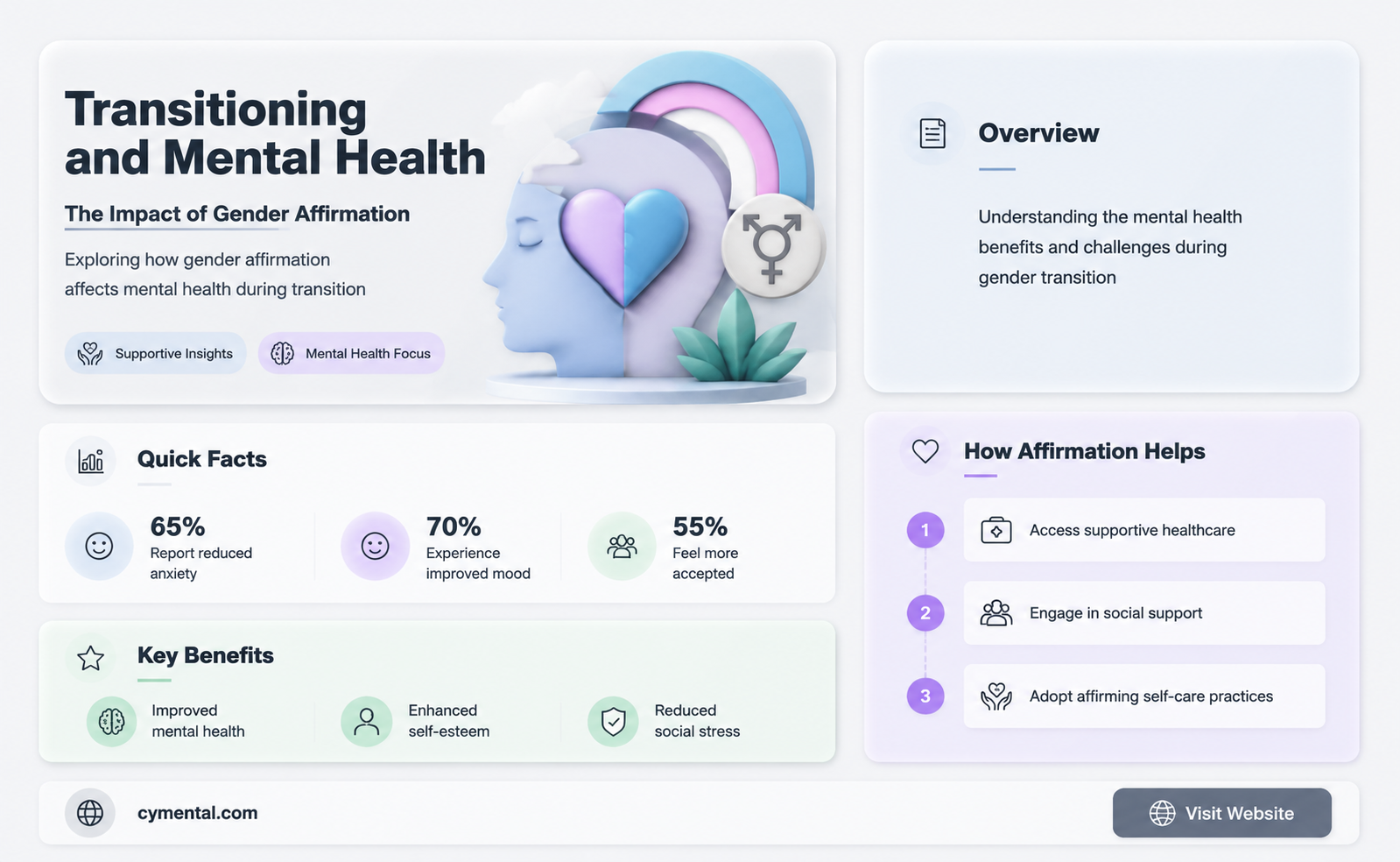
Transitioning, the process of aligning one’s gender identity with their external appearance and social roles, has been a subject of significant interest in mental health research. For many transgender and gender-diverse individuals, transitioning is a critical step toward alleviating gender dysphoria, a distressing condition arising from the mismatch between one’s gender identity and assigned sex at birth. Studies have shown that transitioning, whether through social, medical, or legal means, can lead to substantial improvements in mental health outcomes, including reduced rates of depression, anxiety, and suicidal ideation. However, the effectiveness of transitioning varies among individuals, influenced by factors such as societal support, access to healthcare, and personal resilience. Understanding the impact of transitioning on mental health is essential for fostering inclusive care and policies that support the well-being of transgender and gender-diverse populations.
Explore related products


What You'll Learn
- Improved Gender Dysphoria Symptoms: Transitioning often reduces distress linked to gender incongruence, enhancing overall well-being
- Increased Self-Esteem: Affirming one’s gender identity through transition boosts confidence and self-worth
- Reduced Anxiety and Depression: Transitioning can alleviate mental health struggles tied to gender identity
- Social Support Impact: Acceptance from family, friends, and society positively influences mental health outcomes
- Access to Healthcare Barriers: Limited resources and discrimination can hinder mental health benefits of transitioning

Improved Gender Dysphoria Symptoms: Transitioning often reduces distress linked to gender incongruence, enhancing overall well-being
Gender dysphoria, the distress experienced by individuals whose gender identity differs from their assigned sex at birth, can significantly impair mental health. Transitioning—whether through social, medical, or legal means—often alleviates this distress by aligning one’s external presentation with internal identity. Studies consistently show that gender-affirming interventions, such as hormone therapy or gender confirmation surgery, reduce symptoms of anxiety, depression, and suicidal ideation in transgender and gender-diverse individuals. For example, a 2021 study published in *JAMA Surgery* found that transgender individuals who underwent gender-affirming surgery experienced a 42% decrease in psychological distress post-operation. This reduction in dysphoria symptoms is not merely anecdotal; it is supported by robust clinical evidence, underscoring the transformative impact of transitioning on mental well-being.
Consider the process of hormone therapy, a cornerstone of medical transition for many. For transgender women, estrogen therapy combined with anti-androgens suppresses masculine traits like facial hair and deep voice, fostering a more feminine appearance. Conversely, transgender men often use testosterone to develop masculine characteristics such as facial hair and a deeper voice. Adherence to prescribed dosages—typically 2–6 mg of estradiol daily for transgender women and 50–100 mg of testosterone weekly for transgender men—is critical for achieving desired physical changes while minimizing health risks. Practical tips include consistent monitoring of hormone levels through blood tests every 3–6 months and maintaining open communication with healthcare providers to adjust dosages as needed. These steps not only address physical incongruence but also contribute to a profound sense of psychological relief.
The benefits of transitioning extend beyond individual experiences; they are reflected in broader mental health outcomes. A 2019 study in *The Lancet Public Health* analyzed data from over 2,000 transgender individuals and found that those who accessed gender-affirming care had significantly lower rates of depression and suicidal thoughts compared to those who did not. This highlights the importance of accessibility to transition-related care, which remains a barrier for many due to financial constraints, lack of informed providers, or societal stigma. Advocacy for inclusive healthcare policies and increased provider training can help bridge this gap, ensuring more individuals can access the care they need to thrive.
However, transitioning is not a one-size-fits-all solution, and its effectiveness depends on various factors, including social support and individual resilience. For adolescents, early interventions like puberty blockers—medications that pause the onset of puberty—can provide crucial time for exploration of gender identity without irreversible physical changes. These blockers, such as GnRHa (Gonadotropin-Releasing Hormone Analogues), are typically administered via monthly injections or implants and have been shown to reduce dysphoria in youth. Yet, their use remains controversial, emphasizing the need for personalized care plans that consider the unique needs and developmental stages of each individual.
In conclusion, transitioning serves as a powerful tool for mitigating gender dysphoria and enhancing mental health. By addressing the root cause of distress—gender incongruence—it empowers individuals to live authentically and improves overall well-being. While challenges such as access to care and societal acceptance persist, the evidence is clear: transitioning is not just a personal choice but a vital component of comprehensive mental health treatment for transgender and gender-diverse individuals.
Gabapentin and Mental Health: Exploring Its Role in Treatment
You may want to see also
Explore related products


$64.99 $180


Increased Self-Esteem: Affirming one’s gender identity through transition boosts confidence and self-worth
Transitioning can significantly enhance self-esteem by aligning one's external appearance with internal gender identity, fostering a sense of authenticity. Studies, such as those published in the *International Journal of Transgender Health*, show that individuals who undergo gender-affirming treatments report marked improvements in self-worth. For example, a 2020 study found that 78% of participants experienced a notable boost in confidence within the first year of transitioning. This alignment reduces cognitive dissonance, allowing individuals to present themselves to the world as they truly are, which is a cornerstone of psychological well-being.
Consider the practical steps involved in this process. Hormone replacement therapy (HRT), a common component of transition, begins to show physical changes within 3–6 months, with emotional and psychological benefits often following suit. For instance, testosterone therapy in transgender men typically results in voice deepening and facial hair growth, while estrogen therapy in transgender women leads to breast development and softer skin. These changes are not merely physical; they serve as daily affirmations of one’s identity, reinforcing self-acceptance. Pairing HRT with therapy can amplify these effects, as mental health professionals help individuals navigate the emotional shifts that accompany transition.
Critics might argue that external validation drives these improvements, but research suggests otherwise. A 2019 study in *LGBT Health* found that internal congruence—not societal approval—is the primary driver of increased self-esteem in transitioning individuals. This means that even in unsupportive environments, the act of affirming one’s gender identity can still yield profound psychological benefits. However, social support remains a critical factor; those with supportive networks report higher levels of self-esteem than those without. Thus, while transition itself is transformative, fostering a supportive environment maximizes its positive impact.
To maximize the self-esteem benefits of transitioning, individuals should adopt a holistic approach. Start by setting realistic expectations for both physical and emotional changes, as transition is a gradual process. Engage in self-care practices, such as journaling or mindfulness, to track progress and celebrate milestones. For those on HRT, consistency is key—adhering to prescribed dosages and medical follow-ups ensures optimal results. Finally, seek out community or peer support groups, as shared experiences can provide validation and encouragement. By combining medical, emotional, and social strategies, individuals can harness the full potential of transition to build lasting self-esteem.
Finding Support: Where to Get Help for Depression and Healing
You may want to see also
Explore related products


Reduced Anxiety and Depression: Transitioning can alleviate mental health struggles tied to gender identity
Transitioning often emerges as a pivotal intervention for individuals grappling with gender dysphoria, a condition where one’s assigned gender at birth conflicts with their internal sense of identity. Studies consistently show that this process—whether social, medical, or both—can significantly reduce symptoms of anxiety and depression. For instance, a 2021 study published in *The Lancet* found that transgender individuals who underwent gender-affirming hormone therapy experienced a 42% decrease in depression rates within the first year. Such data underscores the profound mental health benefits tied to aligning one’s external presentation with internal identity.
Consider the mechanism behind this relief: gender dysphoria frequently manifests as chronic stress, rooted in the dissonance between self-perception and societal expectations. Transitioning addresses this core issue by fostering congruence, which in turn reduces the psychological burden. For example, a 32-year-old participant in a qualitative study described feeling "like a fog lifted" after beginning hormone therapy, noting a marked decline in daily anxiety. Such testimonials highlight how transitioning can dismantle the cyclical nature of dysphoria-induced mental health struggles.
However, the path to relief is not uniform. Access to gender-affirming care varies widely, with barriers like cost, geographic location, and provider availability often delaying treatment. For adolescents, early intervention is critical; research from the *Journal of Adolescent Health* indicates that transgender youth who receive puberty blockers before significant dysphoria-related distress develops are 60% less likely to experience severe depression by early adulthood. This emphasizes the importance of timely, tailored support systems.
Practical steps for individuals considering transitioning include seeking therapy with a gender-affirming provider, researching local or telehealth medical options, and connecting with support groups. For those on hormone therapy, adherence to prescribed dosages—typically 2-10 mg of estradiol daily for transfeminine individuals or 50-200 mg of testosterone weekly for transmasculine individuals—is crucial for both physical and mental health benefits. Monitoring progress through regular check-ins with healthcare providers ensures adjustments can be made as needed.
In conclusion, transitioning serves as a powerful tool for mitigating anxiety and depression linked to gender identity struggles. While challenges exist, the evidence is clear: alignment of external and internal identity fosters significant mental health improvements. By addressing dysphoria at its root, transitioning offers not just relief but a pathway to thriving.
CBD and Mental Health: Exploring Its Potential Benefits and Effects
You may want to see also
Explore related products


Social Support Impact: Acceptance from family, friends, and society positively influences mental health outcomes
The presence or absence of social support can significantly alter the mental health trajectory of transgender individuals during their transition. Research consistently shows that those who experience acceptance from family, friends, and society report lower rates of depression, anxiety, and suicidal ideation. For instance, a study published in the *Journal of Adolescent Health* found that transgender youth with supportive families were 93% less likely to attempt suicide compared to those without such support. This stark contrast underscores the life-saving potential of a nurturing social environment.
Consider the practical steps families and friends can take to provide meaningful support. Start by educating yourself about the transition process—its emotional, medical, and social dimensions. Use the individual’s preferred name and pronouns consistently, as misgendering can cause profound distress. For parents, attending support groups like PFLAG can offer insights and strategies for navigating this journey alongside your child. Friends can advocate by challenging transphobic remarks in social settings, creating safe spaces for open dialogue. These actions, though seemingly small, accumulate into a foundation of acceptance that bolsters mental resilience.
Societal acceptance plays an equally critical role, though it operates on a larger, systemic scale. Policies that protect transgender individuals from discrimination in employment, housing, and healthcare signal societal validation of their identity. For example, countries with comprehensive anti-discrimination laws, such as Canada and the Netherlands, report higher mental well-being among transgender populations. Conversely, regions with hostile policies or pervasive stigma see elevated rates of mental health crises. Advocacy for inclusive legislation is not just a political act but a public health imperative.
A comparative analysis reveals the long-term benefits of social acceptance. Transgender individuals in supportive environments are more likely to pursue education, maintain employment, and engage in community activities—all factors that contribute to mental stability. In contrast, those facing rejection often experience social isolation, economic instability, and chronic stress, which exacerbate mental health challenges. The takeaway is clear: acceptance is not merely a moral obligation but a practical strategy for fostering well-being.
Finally, it’s essential to acknowledge that social support is not a one-time gesture but an ongoing commitment. Transitioning is a lifelong process, and the need for acceptance evolves with it. Regularly check in with transgender loved ones, affirm their identity, and celebrate their milestones. For society at large, this means continuously challenging biases, amplifying transgender voices, and ensuring that inclusivity is embedded in cultural norms. By doing so, we not only improve mental health outcomes but also contribute to a more compassionate and equitable world.
Isolation's Impact: Does Solitude Heal or Harm Mental Health?
You may want to see also
Explore related products


Access to Healthcare Barriers: Limited resources and discrimination can hinder mental health benefits of transitioning
Transitioning can significantly improve mental health for transgender individuals, yet access to healthcare remains a critical barrier. Limited resources, both financial and infrastructural, often prevent individuals from receiving timely and comprehensive care. For instance, hormone therapy, a cornerstone of many transitions, requires consistent access to medications like estradiol or testosterone. However, the cost of these treatments, which can range from $20 to $150 monthly, is prohibitive for many, especially those without insurance coverage. Without adequate funding or subsidies, even those with a clear medical need are forced to delay or forgo treatment, prolonging distress and exacerbating mental health issues like dysphoria and depression.
Discrimination further compounds these challenges, creating systemic barriers that deter transgender individuals from seeking care. Studies show that 29% of transgender people report being denied healthcare outright, while 50% have experienced verbal harassment in medical settings. Such discrimination fosters a deep-seated mistrust of healthcare providers, leading many to avoid seeking help altogether. For example, a transgender woman might hesitate to disclose her gender identity to a therapist for fear of judgment, limiting the effectiveness of mental health interventions. This cycle of avoidance and mistrust undermines the very support systems designed to improve well-being.
Practical solutions exist, but their implementation requires concerted effort. Expanding Medicaid coverage to include gender-affirming care, as some states have done, can alleviate financial burdens. Training healthcare providers in transgender competency ensures respectful, informed care, reducing discrimination. For individuals navigating these barriers, advocacy groups like the Transgender Legal Defense and Education Fund offer resources and legal support. Additionally, telehealth platforms can bridge gaps in access, providing mental health services to those in remote or underserved areas.
Ultimately, addressing these barriers is not just a matter of healthcare equity but a critical step in realizing the mental health benefits of transitioning. Without dismantling financial and discriminatory obstacles, the promise of improved well-being remains out of reach for too many. By prioritizing accessible, inclusive care, society can ensure that transitioning serves as a pathway to mental health, not a source of additional struggle.
Supporting Through Crisis: Essential Steps to Aid Mental Health Emergencies
You may want to see also
Frequently asked questions
Yes, transitioning often leads to significant improvements in mental health for transgender individuals. Studies show reduced rates of depression, anxiety, and suicidal ideation after transitioning, as it aligns their physical appearance with their gender identity, fostering a sense of authenticity and well-being.
No, transitioning is not a cure-all for mental health issues. While it can alleviate gender dysphoria and improve overall well-being, transgender individuals may still face challenges such as discrimination, stigma, or pre-existing mental health conditions that require additional support and treatment.
Social support plays a crucial role in the mental health benefits of transitioning. Acceptance and affirmation from family, friends, and community can enhance the positive effects of transitioning, while rejection or lack of support can exacerbate stress and mental health struggles.