Noah Parker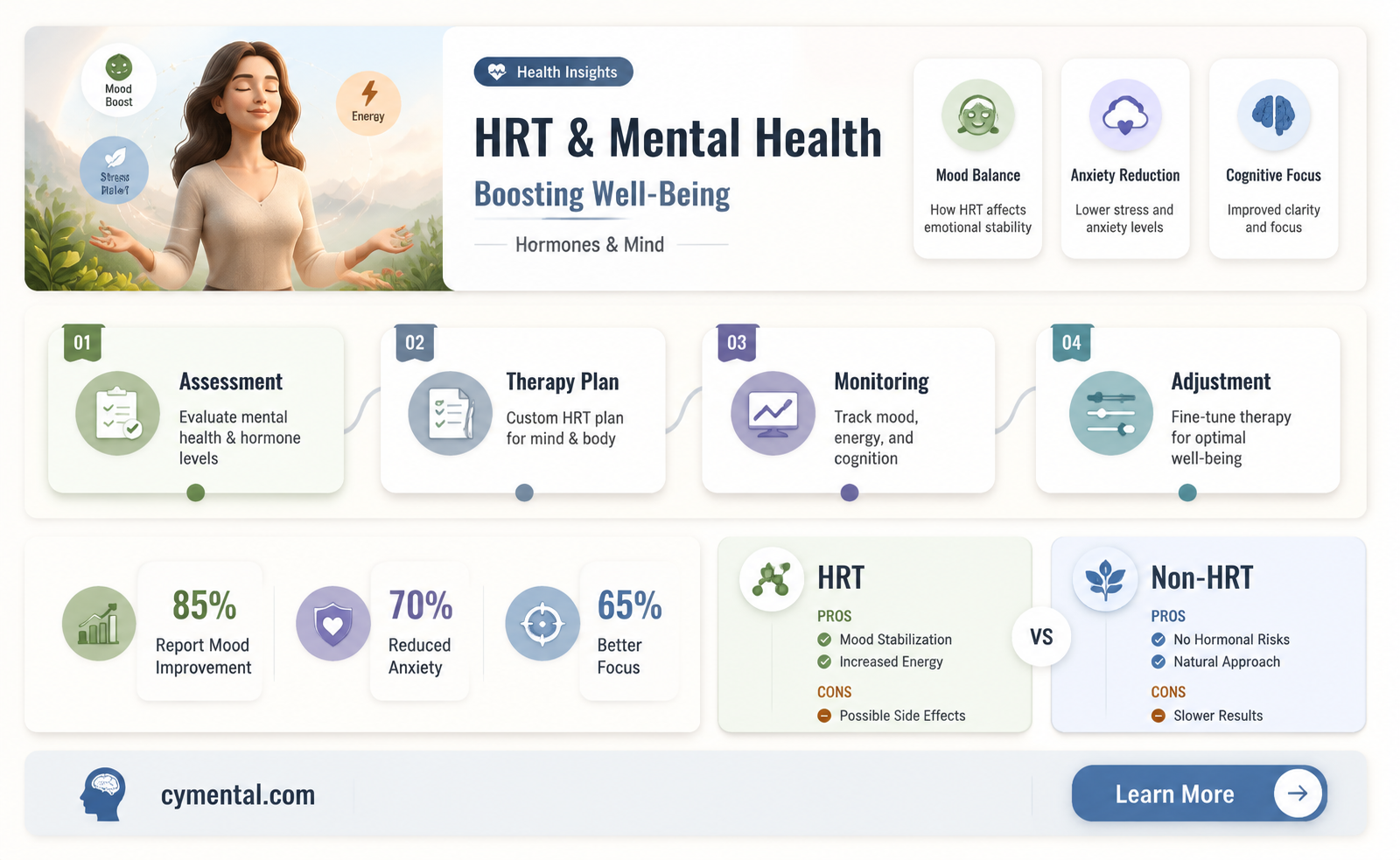
Hormone replacement therapy (HRT) is increasingly being recognized for its potential benefits beyond managing physical symptoms of menopause, with growing evidence suggesting it may also play a significant role in supporting mental health. Studies have indicated that HRT can alleviate symptoms of anxiety, depression, and mood swings, particularly in individuals experiencing hormonal fluctuations during perimenopause and menopause. By restoring estrogen and progesterone levels, HRT may help stabilize neurotransmitters like serotonin and dopamine, which are crucial for emotional well-being. Additionally, improved sleep quality and reduced hot flashes, common side effects of HRT, can indirectly contribute to better mental health. However, the effectiveness of HRT varies among individuals, and its impact on mental health depends on factors such as timing, dosage, and personal medical history. As research continues, HRT is emerging as a promising option for those seeking holistic approaches to managing both physical and mental health during hormonal transitions.
| Characteristics | Values |
|---|---|
| Effect on Mood | HRT can improve mood in individuals experiencing hormonal fluctuations, particularly during menopause or gender transition. Studies show reduced symptoms of depression and anxiety in some cases. |
| Impact on Cognitive Function | Evidence suggests HRT may protect against cognitive decline in postmenopausal women, particularly when started early. However, results are mixed and depend on timing, type, and duration of treatment. |
| Reduction in Anxiety Symptoms | HRT has been associated with a decrease in anxiety symptoms in some individuals, especially those with hormone-related anxiety during menopause or gender dysphoria. |
| Alleviation of Menopausal Symptoms | HRT effectively reduces menopausal symptoms like hot flashes, sleep disturbances, and irritability, which indirectly improves mental well-being. |
| Role in Gender Affirming Care | For transgender individuals, HRT is a critical component of gender transition, significantly improving mental health by reducing gender dysphoria and enhancing overall life satisfaction. |
| Potential Risks | While generally beneficial, HRT may worsen mood in some individuals or increase the risk of mood swings, particularly if hormone levels are not properly balanced. |
| Individual Variability | Responses to HRT vary widely based on factors like age, hormone type, dosage, and underlying health conditions. Personalized treatment plans are essential for optimal mental health outcomes. |
| Long-Term Mental Health Benefits | Long-term use of HRT has been linked to sustained improvements in mental health for some individuals, particularly when addressing hormone deficiencies or imbalances. |
| Limitations of Research | While many studies support the mental health benefits of HRT, research is not conclusive, and more long-term studies are needed to fully understand its effects across diverse populations. |
| Combination with Other Therapies | HRT is often more effective when combined with psychotherapy, lifestyle changes, and other mental health interventions for comprehensive care. |
Explore related products


What You'll Learn
- HRT's impact on mood disorders like depression and anxiety in menopausal women
- Effects of HRT on cognitive function and reducing menopause-related brain fog
- HRT's role in alleviating stress, irritability, and emotional instability during menopause
- Potential benefits of HRT in reducing the risk of menopause-related insomnia
- HRT's influence on overall quality of life and mental well-being during menopause

HRT's impact on mood disorders like depression and anxiety in menopausal women
Menopausal women often experience a rollercoaster of emotions, with mood disorders like depression and anxiety becoming unwelcome companions during this hormonal shift. Hormone Replacement Therapy (HRT) has emerged as a potential ally in this battle, offering a glimmer of hope for those seeking relief from the mental health challenges that can accompany menopause. The link between HRT and improved mental well-being is a fascinating one, with research suggesting that it may be a powerful tool in managing these mood disorders.
Unraveling the Connection: Hormones and Mental Health
The menopausal transition is a time of significant hormonal fluctuation, particularly in estrogen and progesterone levels. These hormones have a profound impact on the brain, influencing neurotransmitters like serotonin and dopamine, which are crucial for mood regulation. As hormone levels decline, it's not uncommon for women to experience symptoms such as irritability, anxiety, and even depression. HRT steps in to replenish these diminishing hormones, potentially restoring the delicate balance and alleviating mood disorders. Studies have shown that estrogen, in particular, may have a protective effect on mental health, with its decline during menopause contributing to increased vulnerability to depression and anxiety.
A Tailored Approach: HRT's Impact on Mood Disorders
The effectiveness of HRT in managing mood disorders is not a one-size-fits-all scenario. It's essential to consider the type of HRT, dosage, and individual factors. For instance, research suggests that estrogen-only HRT may be more beneficial for women experiencing anxiety, while combined estrogen-progesterone therapy could be more effective for depression. The timing of HRT initiation is also crucial; starting treatment around the onset of menopause may yield better results for mental health symptoms. A study published in the *Journal of the American Medical Association* found that women who began HRT within six years of menopause had a significantly lower risk of depression compared to those who started later.
Practical Considerations and Personalized Care
When considering HRT for mood disorders, a personalized approach is key. Healthcare professionals should assess each woman's unique symptoms, medical history, and preferences. Dosage and administration methods (e.g., pills, patches, gels) can be tailored to individual needs. For instance, transdermal estrogen patches provide a steady hormone release, which may be advantageous for mood stabilization. It's also important to monitor and adjust treatment over time, as the menopausal journey is a dynamic process. Regular follow-ups allow for the fine-tuning of HRT to ensure optimal mental health benefits.
Empowering Women's Mental Health Choices
HRT's potential to alleviate mood disorders in menopausal women is a significant finding, offering a targeted approach to a complex issue. However, it's essential to approach HRT as one tool in a comprehensive mental health strategy. Lifestyle factors, such as regular exercise, a balanced diet, and stress management techniques, should complement HRT for holistic well-being. By combining medical intervention with self-care practices, women can take charge of their mental health during menopause, ensuring a smoother transition and a brighter, more stable mood. This multifaceted approach empowers women to navigate menopause with resilience and a renewed sense of emotional balance.
Seeking Support: A Guide to Accessing Mental Health Assistance
You may want to see also
Explore related products


Effects of HRT on cognitive function and reducing menopause-related brain fog
Menopause often brings a frustrating side effect known as "brain fog," characterized by memory lapses, difficulty concentrating, and mental sluggishness. Hormone replacement therapy (HRT) has emerged as a potential solution, with studies suggesting it may alleviate these cognitive symptoms by stabilizing fluctuating hormone levels, particularly estrogen, which plays a crucial role in brain health.
Research indicates that estrogen supports neurotransmitter function, neuronal growth, and blood flow to the brain. During menopause, declining estrogen levels can disrupt these processes, leading to cognitive impairments. HRT, especially when initiated around the onset of menopause, may help maintain cognitive function by replenishing estrogen levels. For instance, a study published in *Menopause* found that women who started HRT within six years of menopause experienced fewer cognitive declines compared to those who delayed treatment.
However, the effectiveness of HRT on cognitive function depends on timing, type, and individual factors. Timing is critical: starting HRT during the perimenopausal or early postmenopausal phase appears more beneficial than delaying it. Type of HRT matters: combination therapy (estrogen plus progestogen) may yield different results than estrogen-only therapy, though evidence is mixed. Individual factors such as age, baseline cognitive health, and genetic predispositions also influence outcomes. For example, women with a family history of Alzheimer’s disease may respond differently to HRT. Practical tips include consulting a healthcare provider to determine the appropriate dosage (e.g., low-dose estrogen patches or pills) and monitoring cognitive changes over time.
While HRT shows promise in reducing menopause-related brain fog, it’s not a one-size-fits-all solution. Comparative studies highlight that lifestyle factors—such as regular exercise, a Mediterranean diet, and cognitive training—can complement HRT for optimal brain health. For instance, aerobic exercise increases blood flow to the brain, while omega-3 fatty acids support neuronal function. Combining HRT with these strategies may enhance its cognitive benefits. Caution is advised for women with contraindications, such as a history of breast cancer or blood clots, as HRT may pose risks in these cases.
In conclusion, HRT can be a valuable tool for mitigating menopause-related cognitive decline, particularly when tailored to individual needs and combined with holistic lifestyle approaches. Women experiencing brain fog should consult their healthcare provider to explore HRT options, considering factors like timing, dosage, and personal health history. By addressing hormonal imbalances and adopting supportive habits, many women can reclaim mental clarity and improve their quality of life during menopause.
Nutrition's Impact: How a Healthy Diet Boosts Mental Well-being
You may want to see also
Explore related products




HRT's role in alleviating stress, irritability, and emotional instability during menopause
Menopause, a natural phase marking the end of a woman's reproductive years, often brings with it a host of physical and emotional challenges. Among these, stress, irritability, and emotional instability are particularly debilitating, affecting not just the individual but also their relationships and quality of life. Hormone Replacement Therapy (HRT) has emerged as a pivotal intervention, offering relief by addressing the hormonal imbalances that underpin these symptoms. By replenishing declining estrogen and progesterone levels, HRT can stabilize mood fluctuations, reduce anxiety, and enhance overall emotional well-being.
Consider the mechanism: estrogen plays a critical role in regulating neurotransmitters like serotonin, which influence mood and stress response. During menopause, as estrogen levels plummet, serotonin production can be disrupted, leading to heightened irritability and emotional volatility. HRT, particularly estrogen-based therapies, works to restore this balance. Studies indicate that women on HRT often report significant reductions in stress and improved emotional resilience. For instance, a 2020 study published in *Menopause* found that women aged 45–60 who underwent HRT experienced a 30% decrease in anxiety and irritability compared to those who did not.
However, the effectiveness of HRT is not one-size-fits-all. Dosage and timing are crucial. For optimal results, HRT should ideally begin within 10 years of menopause onset or before age 60. Standard doses vary, but typical regimens include 0.5–2 mg of estradiol daily, often combined with progesterone to protect the uterus in women with an intact womb. It’s essential to consult a healthcare provider to tailor the treatment to individual needs, as factors like medical history and symptom severity influence the approach. For example, women with a history of blood clots may require lower doses or alternative delivery methods, such as transdermal patches, which bypass the liver and reduce clotting risks.
Critics often raise concerns about HRT’s side effects, including bloating, headaches, and, in rare cases, increased risks of breast cancer or cardiovascular issues. Yet, when weighed against the benefits, particularly for mental health, many women find the trade-off worthwhile. Practical tips for maximizing HRT’s effectiveness include maintaining a consistent routine, monitoring symptoms regularly, and incorporating lifestyle changes like regular exercise, mindfulness practices, and a balanced diet. These complementary strategies can amplify HRT’s benefits, creating a holistic approach to managing menopause-related stress and emotional instability.
In conclusion, HRT stands as a powerful tool in alleviating the mental health challenges associated with menopause. By addressing hormonal imbalances directly, it offers a pathway to reduced stress, diminished irritability, and greater emotional stability. While not without considerations, its tailored application, combined with proactive lifestyle adjustments, can significantly enhance a woman’s well-being during this transformative life stage.
Music Therapy: How Learning an Instrument Boosts Mental Well-Being
You may want to see also
Explore related products





Potential benefits of HRT in reducing the risk of menopause-related insomnia
Menopause-related insomnia affects up to 60% of women, disrupting sleep patterns and exacerbating mental health challenges like anxiety and depression. Hormone replacement therapy (HRT) emerges as a potential solution by addressing the hormonal fluctuations that contribute to sleep disturbances. Estrogen, in particular, plays a critical role in regulating sleep-wake cycles, and its decline during menopause can lead to fragmented sleep. HRT, when tailored to individual needs, may restore hormonal balance, offering a pathway to improved sleep quality and, by extension, better mental health.
Consider the mechanism: estrogen influences the production of neurotransmitters like serotonin, which regulates mood and sleep. Studies suggest that transdermal estradiol, a common HRT formulation, can stabilize nocturnal hormone levels, reducing night sweats and hot flashes—common culprits of sleep disruption. For instance, a 2020 study in *Menopause* found that women on low-dose estradiol patches (0.05 mg/day) reported significant improvements in sleep continuity compared to placebo groups. However, efficacy varies; women under 60 or within 10 years of menopause onset tend to respond more favorably, as their bodies are more receptive to hormonal interventions.
Practical implementation requires precision. HRT is not one-size-fits-all; dosage and delivery method (oral, transdermal, vaginal) must align with symptoms and medical history. For insomnia, transdermal estrogen is often preferred due to its steady release, minimizing peaks and troughs that could disrupt sleep. Combining estrogen with progesterone is essential for women with an intact uterus to prevent endometrial hyperplasia, though progesterone’s sedative effects may further aid sleep. Consultation with a healthcare provider is critical to determine the safest and most effective regimen.
Critics argue that HRT’s risks, such as increased clotting or breast cancer risk, outweigh its benefits for sleep. Yet, for many women, the mental health toll of chronic insomnia justifies careful consideration. A comparative analysis in *The Lancet* highlights that the benefits of HRT for menopausal symptoms, including sleep, often surpass risks when initiated early and monitored closely. For example, micronized progesterone, a bioidentical option, carries a lower risk profile than synthetic progestins, making it a safer choice for long-term use.
In conclusion, HRT offers a targeted approach to mitigating menopause-related insomnia, with potential ripple effects on mental well-being. While not without risks, its role in restoring sleep quality underscores its value as part of a holistic menopause management strategy. Women experiencing sleep disturbances should explore HRT as a viable option, guided by personalized medical advice and ongoing monitoring. Improved sleep is not just a luxury—it’s a cornerstone of mental resilience during this life stage.
ADHD Music: A Mental Fatigue Remedy or Myth?
You may want to see also
Explore related products


HRT's influence on overall quality of life and mental well-being during menopause
Menopause, a natural phase marking the end of a woman's reproductive years, often brings with it a host of physical and emotional challenges. Among the most debated interventions for managing these symptoms is Hormone Replacement Therapy (HRT). While its efficacy in alleviating hot flashes and vaginal dryness is well-documented, its impact on mental health and overall quality of life is less straightforward but equally crucial. Research suggests that HRT can play a significant role in stabilizing mood, improving sleep, and enhancing cognitive function, all of which are essential components of mental well-being during this transition.
Consider the case of mood disorders, which are disproportionately prevalent during menopause. Studies indicate that estrogen, a key hormone replenished by HRT, has neuroprotective properties and influences neurotransmitters like serotonin, which regulate mood. Women on HRT often report reduced symptoms of anxiety and depression, particularly when treatment begins around the perimenopausal stage (typically between ages 45 and 55). For instance, a 2020 study published in *The Lancet* found that women who initiated HRT within six years of menopause experienced a 26% lower risk of developing depression compared to those who did not. However, timing is critical; starting HRT later in the postmenopausal phase may yield less pronounced mental health benefits.
Sleep disturbances, another common menopausal symptom, can exacerbate mental health issues. HRT, particularly formulations containing estradiol, has been shown to improve sleep quality by reducing night sweats and hot flashes. A randomized controlled trial published in *Menopause* (2019) revealed that women on low-dose estradiol (1–2 mg daily) experienced significant improvements in sleep duration and quality within three months. Better sleep, in turn, contributes to improved mood, concentration, and overall quality of life, creating a positive feedback loop.
Cognitive function, often a concern for menopausal women, also stands to benefit from HRT. Estrogen is known to support brain health by enhancing synaptic plasticity and blood flow. A longitudinal study in *JAMA Neurology* (2021) found that women who used HRT had a 30% lower risk of developing Alzheimer’s disease compared to non-users. While these findings are promising, they underscore the importance of personalized treatment plans, as factors like dosage, duration, and individual health history play a pivotal role in outcomes.
Despite its potential benefits, HRT is not a one-size-fits-all solution. Women with a history of breast cancer, blood clots, or stroke may face increased risks, necessitating alternative approaches. Non-hormonal strategies, such as cognitive-behavioral therapy (CBT), mindfulness practices, and lifestyle modifications (e.g., regular exercise and a balanced diet), can complement or substitute HRT for mental health management. For those opting for HRT, starting with the lowest effective dose and regularly monitoring symptoms with a healthcare provider is essential.
In conclusion, HRT’s influence on mental well-being during menopause is multifaceted, offering relief from mood disorders, sleep disturbances, and cognitive decline when tailored appropriately. By addressing these interconnected aspects, HRT can significantly enhance overall quality of life, enabling women to navigate this natural transition with greater ease and resilience.
Stem Cells and Mental Retardation: Exploring Potential Therapies and Hope
You may want to see also
Frequently asked questions
Yes, HRT can help improve mental health for some individuals, particularly those experiencing hormonal imbalances, such as during menopause or gender transition. It may alleviate symptoms like mood swings, anxiety, and depression by stabilizing hormone levels.
HRT can reduce mood swings and anxiety by restoring estrogen and progesterone levels, which play a role in regulating neurotransmitters like serotonin. However, effects vary, and some individuals may experience no change or temporary side effects.
HRT may alleviate depression in individuals whose symptoms are linked to hormonal fluctuations, such as during menopause or gender dysphoria. It is not a standalone treatment for depression but can be part of a comprehensive approach.
While HRT can improve mental health for many, some individuals may experience mood changes, irritability, or other side effects. It’s important to monitor symptoms and consult a healthcare provider to ensure the benefits outweigh the risks.