Madison Cole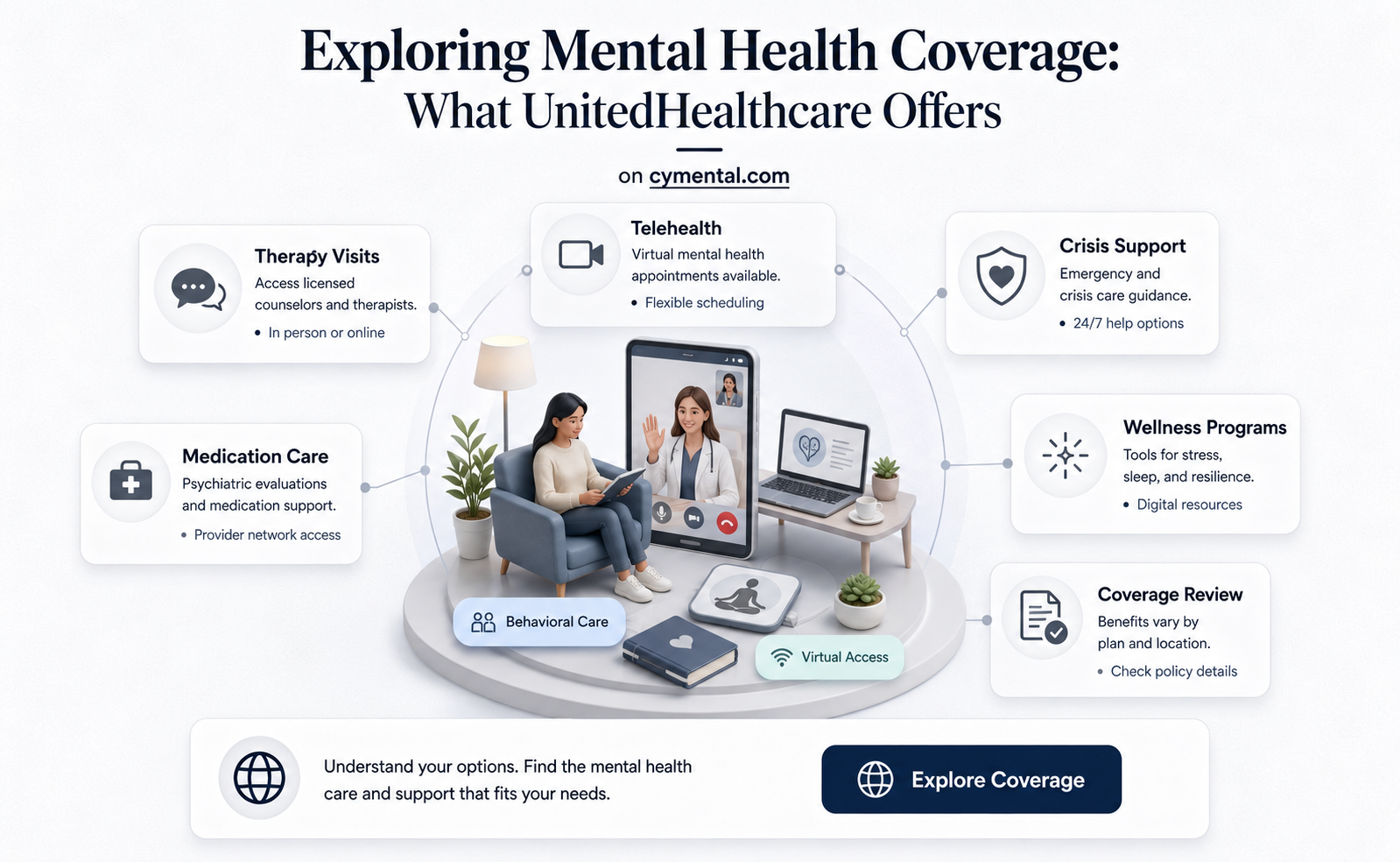
UnitedHealthcare, one of the largest health insurance providers in the United States, does cover mental health services. This coverage is typically included in their health plans, although the specifics can vary depending on the plan and the state in which it is offered. Mental health services covered by UnitedHealthcare generally include outpatient therapy, inpatient treatment, and prescription medications for mental health conditions. It's important for individuals to review their specific plan details or contact UnitedHealthcare directly to understand the extent of their mental health coverage and any associated costs or limitations.
Explore related products


What You'll Learn
- Inpatient Mental Health Services: Coverage for hospital stays related to mental health conditions
- Outpatient Therapy Sessions: Insurance for individual or group therapy sessions outside of hospitals
- Prescription Medications: Coverage for medications prescribed to treat mental health disorders
- Telehealth Services: Access to mental health professionals through virtual consultations
- Crisis Intervention and Support: Insurance for emergency mental health services and crisis hotlines

Inpatient Mental Health Services: Coverage for hospital stays related to mental health conditions
UnitedHealthcare provides coverage for inpatient mental health services, which includes hospital stays related to mental health conditions. This coverage is a crucial aspect of their mental health benefits, ensuring that individuals receive the necessary care and support during critical periods. Inpatient services typically involve a stay of several days to a few weeks in a hospital or specialized mental health facility, where patients receive intensive treatment, monitoring, and therapy.
The specific coverage details may vary depending on the plan, but generally, UnitedHealthcare plans cover inpatient mental health services when they are deemed medically necessary. This means that the services must be prescribed by a healthcare professional and must meet certain criteria to ensure that they are appropriate and effective for the individual's condition. Covered services may include room and board, psychiatric evaluations, medication management, individual and group therapy sessions, and other necessary treatments.
It's important to note that there may be limitations and exclusions to this coverage. For example, some plans may have a maximum number of covered inpatient days per year, or they may require pre-authorization for certain types of treatments. Additionally, the cost-sharing for inpatient mental health services may differ from other types of medical services, so it's essential to review the plan details carefully to understand the out-of-pocket expenses.
To access inpatient mental health services under a UnitedHealthcare plan, individuals typically need to follow specific steps. This may include obtaining a referral from a primary care physician, contacting the plan's customer service to verify coverage and obtain a list of in-network providers, and coordinating admission to the hospital or facility. In emergency situations, individuals can seek immediate care without prior authorization, but it's advisable to notify the plan as soon as possible to ensure that the services are covered.
In conclusion, UnitedHealthcare's coverage for inpatient mental health services is an important component of their overall mental health benefits. By understanding the specifics of this coverage, individuals can make informed decisions about their care and ensure that they receive the necessary support during challenging times.
Launching Your Mental Health Business: A Comprehensive Guide
You may want to see also
Explore related products


Outpatient Therapy Sessions: Insurance for individual or group therapy sessions outside of hospitals
UnitedHealthcare offers coverage for outpatient therapy sessions, which include both individual and group therapy conducted outside of hospital settings. This coverage is a crucial aspect of their mental health insurance plans, providing policyholders with access to a wide range of therapeutic services. These services are designed to address various mental health conditions, from anxiety and depression to more complex disorders.
The specifics of coverage can vary depending on the plan chosen. Generally, UnitedHealthcare plans cover a certain number of therapy sessions per year, with some plans offering unlimited coverage after a deductible is met. It's important for policyholders to review their plan details to understand the extent of their coverage, including any copays or coinsurance requirements.
One of the key benefits of UnitedHealthcare's outpatient therapy coverage is the flexibility it offers. Policyholders can choose from a network of mental health professionals, including psychologists, licensed therapists, and psychiatrists. This allows individuals to find a provider who best suits their needs and preferences. Additionally, UnitedHealthcare often covers telehealth services, enabling policyholders to access therapy remotely, which can be particularly beneficial for those with busy schedules or limited mobility.
To maximize the benefits of outpatient therapy coverage, policyholders should be aware of the pre-authorization requirements. Some plans may require pre-authorization for therapy sessions beyond a certain number, while others may not have this requirement. Understanding these details can help policyholders avoid unexpected costs and ensure they receive the full benefits of their insurance plan.
In conclusion, UnitedHealthcare's coverage for outpatient therapy sessions is a valuable component of their mental health insurance offerings. It provides policyholders with the flexibility to access a wide range of therapeutic services, helping them to manage and improve their mental health. By understanding the specifics of their coverage, policyholders can make the most of these benefits and take proactive steps towards better mental health.
Navigating Mental Health: When Inpatient Treatment Becomes Necessary
You may want to see also
Explore related products

$52.24 $54.99


Prescription Medications: Coverage for medications prescribed to treat mental health disorders
UnitedHealthcare offers coverage for prescription medications used to treat mental health disorders, but the specifics can vary depending on the plan. Typically, these medications fall under the pharmacy benefit, and members may need to pay a copay or coinsurance. It's essential to review the plan's formulary to understand which medications are covered and at what cost. Some plans may have prior authorization requirements or limitations on certain medications, so it's crucial to consult with a healthcare provider and the insurance company to ensure the prescribed medication is covered.
For individuals with mental health disorders, navigating insurance coverage can be complex. UnitedHealthcare's coverage for prescription medications may include antidepressants, antipsychotics, mood stabilizers, and other psychiatric medications. However, the extent of coverage and the out-of-pocket costs can differ significantly between plans. Members should carefully review their plan documents or contact UnitedHealthcare directly to understand their specific coverage and any potential restrictions.
In addition to prescription medication coverage, UnitedHealthcare may also offer mental health services such as therapy and counseling. These services are often subject to separate coverage rules and may require pre-authorization or have specific provider networks. Members should be aware of these additional resources and how they can access them in conjunction with their medication coverage.
When seeking coverage for mental health medications, it's important to be proactive and advocate for oneself. This may involve discussing treatment options with a healthcare provider, understanding the insurance plan's requirements, and appealing any denials of coverage. By being informed and persistent, individuals can maximize their benefits and ensure they receive the necessary treatment for their mental health disorders.
In conclusion, while UnitedHealthcare does cover prescription medications for mental health disorders, the specifics of this coverage can vary widely depending on the plan. Members should carefully review their plan documents, consult with their healthcare provider, and contact UnitedHealthcare directly to understand their specific coverage and any potential restrictions. By doing so, they can ensure they receive the necessary treatment while minimizing their out-of-pocket costs.
Navigating Mental Health: The Importance of Medication Management
You may want to see also
Explore related products


Telehealth Services: Access to mental health professionals through virtual consultations
Telehealth services have revolutionized the way individuals access mental health professionals, particularly in the context of United Healthcare coverage. Virtual consultations offer a convenient and often more affordable alternative to in-person therapy sessions, breaking down barriers such as geographical location and transportation issues. This shift towards digital healthcare solutions has been especially significant in recent years, driven by advancements in technology and the increasing demand for mental health services.
One of the key benefits of telehealth services is the expanded access to a wider network of mental health professionals. Patients are no longer limited to providers within their immediate vicinity and can instead choose from a broader range of specialists who may offer more tailored or specialized care. This can be particularly advantageous for individuals living in rural or underserved areas where mental health resources may be scarce.
Moreover, virtual consultations can provide a more comfortable and less intimidating environment for patients, which may encourage more open and honest communication with their healthcare providers. This can lead to more effective treatment outcomes and a stronger therapeutic alliance. Additionally, telehealth services can offer greater flexibility in terms of scheduling appointments, allowing patients to access care at times that are most convenient for them.
However, it is important to note that telehealth services may not be suitable for all individuals or all types of mental health conditions. Some patients may require the physical presence of a healthcare provider for certain treatments or interventions, and others may find it challenging to engage in virtual consultations due to technological limitations or personal preferences. Furthermore, the quality of telehealth services can vary depending on the provider and the platform used, so it is essential for patients to research and choose reputable and reliable options.
In conclusion, telehealth services offer a valuable and innovative approach to accessing mental health professionals, particularly for those with United Healthcare coverage. By leveraging virtual consultations, patients can benefit from increased access, flexibility, and comfort, which can ultimately lead to improved mental health outcomes. However, it is crucial to recognize the limitations and potential drawbacks of telehealth services and to carefully consider whether this mode of care is appropriate for individual needs and circumstances.
Exploring Therapy: Understanding Outpatient Mental Health Services
You may want to see also
Explore related products


Crisis Intervention and Support: Insurance for emergency mental health services and crisis hotlines
In the realm of mental health coverage, crisis intervention and support services play a crucial role. UnitedHealthcare, one of the largest health insurance providers in the United States, offers coverage for emergency mental health services and crisis hotlines as part of its commitment to comprehensive mental health care. This coverage is essential for individuals experiencing acute mental health crises, providing them with immediate access to professional help and support.
UnitedHealthcare's coverage for crisis intervention typically includes services such as emergency psychiatric evaluations, crisis stabilization, and short-term inpatient care. These services are designed to address urgent mental health needs and prevent escalation into more severe conditions. Additionally, the insurance provider offers coverage for crisis hotlines, which serve as a vital resource for individuals in distress. These hotlines provide 24/7 access to trained mental health professionals who can offer immediate support, guidance, and referrals to appropriate care.
The importance of such coverage cannot be overstated. Mental health crises can occur at any time and often require immediate attention to prevent harm to oneself or others. By including crisis intervention and support services in their coverage plans, UnitedHealthcare helps to ensure that individuals have access to the care they need during these critical moments. This not only improves health outcomes but also contributes to reducing the stigma associated with mental health issues by promoting timely and effective treatment.
Moreover, UnitedHealthcare's approach to crisis intervention and support is aligned with the broader goals of integrated care and population health management. By addressing mental health crises proactively, the insurance provider aims to reduce the overall burden of mental illness on individuals and the healthcare system. This includes minimizing the risk of hospitalization, reducing emergency room visits, and promoting the use of outpatient services for ongoing care and support.
In conclusion, UnitedHealthcare's coverage for crisis intervention and support services, including emergency mental health care and crisis hotlines, is a critical component of their mental health benefits. This coverage reflects a commitment to providing comprehensive, accessible, and effective mental health care to all individuals, ensuring that they have the support they need during times of crisis.
Voicing Your Struggles: A Guide to Seeking Mental Health Support
You may want to see also
Frequently asked questions
Yes, United Healthcare does cover mental health services. They offer a range of plans that include coverage for mental health care, including therapy sessions, counseling, and psychiatric services.
United Healthcare typically covers a variety of mental health services, such as individual and group therapy, counseling, psychiatric evaluations, medication management, and crisis intervention services.
While United Healthcare does cover mental health services, there may be limitations or exclusions depending on the specific plan. Some plans may have limits on the number of therapy sessions covered per year, or may require pre-authorization for certain types of mental health care.
To learn more about the mental health coverage offered by United Healthcare, you can visit their website or contact their customer service department. They can provide you with detailed information about the mental health services covered under your specific plan, as well as any limitations or exclusions that may apply.