Madison Cole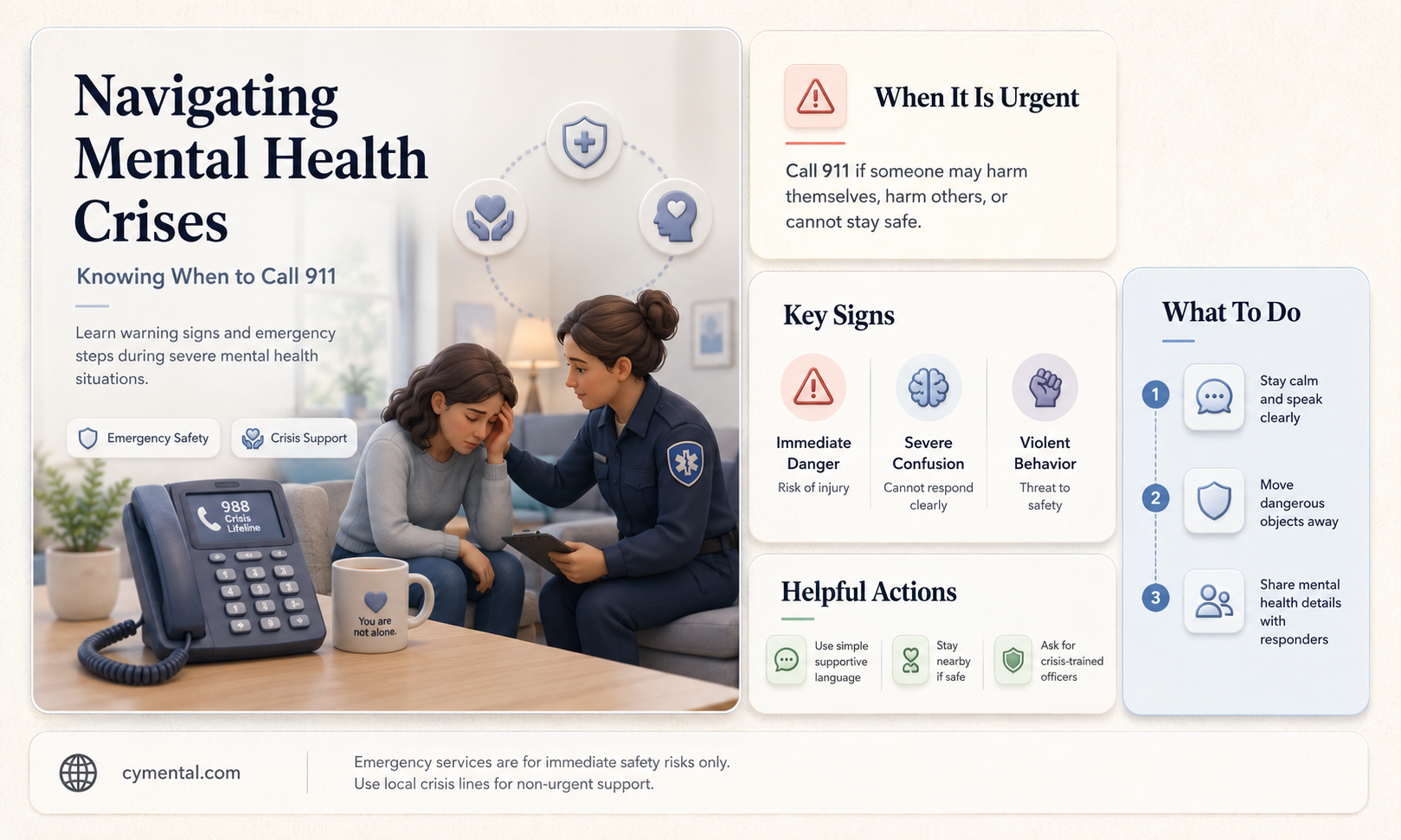
When someone you care about is experiencing a mental health crisis, it can be incredibly challenging to know how to respond. One common question that arises in such situations is whether to call 911. While 911 is typically associated with medical emergencies, it can also be a vital resource for individuals in the midst of a mental health crisis. However, it's important to consider the specific circumstances and the potential consequences of involving emergency services. In some cases, calling 911 may be the best course of action to ensure the person's safety and well-being, while in others, it may be more appropriate to seek alternative forms of support, such as contacting a mental health professional or a crisis hotline. Ultimately, the decision to call 911 for someone with mental illness depends on the severity of the situation and the available resources.
What You'll Learn
- Assessing the Situation: Determine if the person is in immediate danger or distress
- Available Resources: Consider local mental health crisis lines or emergency services
- Legal and Ethical Considerations: Understand your obligations and rights in seeking help
- Preparing for the Call: Gather necessary information and plan what to say
- Follow-Up Actions: Learn about next steps after contacting emergency services

Assessing the Situation: Determine if the person is in immediate danger or distress
In assessing whether a person with mental illness is in immediate danger or distress, it's crucial to observe their behavior and environment carefully. Look for signs of agitation, such as pacing, rapid speech, or aggressive posturing. These could indicate a heightened state of anxiety or an impending crisis. Additionally, pay attention to any statements about self-harm or suicide, as these are clear indicators of severe distress.
Another important factor to consider is the person's ability to care for themselves. Are they neglecting their basic needs, such as eating, drinking, or maintaining hygiene? This could be a sign that their mental state is deteriorating and they may require immediate assistance. It's also essential to assess their living conditions. Are they in a safe environment, or are there hazards present that could exacerbate their condition?
When evaluating the situation, it's helpful to have a conversation with the person, if possible. Ask them directly if they feel safe and if they need help. Be sure to listen actively and without judgment, as this can help build trust and encourage them to open up about their feelings. If the person is unable to communicate effectively, look for non-verbal cues such as body language and facial expressions to gauge their emotional state.
In some cases, it may be necessary to contact emergency services. If the person is in immediate danger of harming themselves or others, or if they are experiencing a severe mental health crisis, calling 911 may be the best course of action. However, it's important to consider the potential consequences of involving emergency services, as this can be a traumatic experience for the individual. If possible, try to de-escalate the situation and offer support before resorting to calling for help.
Ultimately, the decision to call 911 for someone with mental illness should be made on a case-by-case basis, taking into account the specific circumstances and the individual's needs. By carefully assessing the situation and considering all available options, you can help ensure that the person receives the appropriate level of care and support.
Navigating Divorce When a Partner Struggles with Mental Illness
You may want to see also
Available Resources: Consider local mental health crisis lines or emergency services
In the event of a mental health crisis, it's crucial to know that there are resources available beyond emergency services. Local mental health crisis lines are often the first point of contact for individuals experiencing a mental health emergency. These services are typically staffed by trained professionals who can provide immediate support, assess the situation, and connect the caller with appropriate resources. They can also offer guidance on how to manage the crisis and provide emotional support to both the individual in crisis and their loved ones.
Emergency services, such as 911, should be reserved for situations where there is an immediate threat to life or safety. However, in some cases, mental health crises can escalate to a point where emergency intervention is necessary. In these situations, it's important to know how to communicate effectively with emergency responders. Be clear about the nature of the crisis, provide any relevant medical history, and be prepared to answer questions about the individual's symptoms and behavior.
It's also important to be aware of the limitations of emergency services when it comes to mental health crises. While they can provide immediate assistance, they may not be equipped to handle the long-term needs of individuals with mental illness. In these cases, it's important to follow up with local mental health services or crisis lines to ensure that the individual receives the ongoing support they need.
In addition to local crisis lines and emergency services, there are also national resources available for individuals experiencing a mental health crisis. The National Suicide Prevention Lifeline (1-800-273-TALK) is a 24/7 hotline that provides free and confidential support for individuals in distress. The Substance Abuse and Mental Health Services Administration (SAMHSA) also offers a Behavioral Health Treatment Services Locator, which can help individuals find mental health services in their area.
Ultimately, the key to managing a mental health crisis is to be prepared and to know where to turn for help. By familiarizing yourself with local and national resources, you can ensure that you are equipped to handle a crisis when it arises. Remember, seeking help is a sign of strength, and there is no shame in reaching out for support when you need it.
Understanding Judicial Authority: Mental Health Sentencing Explained
You may want to see also
Legal and Ethical Considerations: Understand your obligations and rights in seeking help
When seeking help for someone with a mental illness, it's crucial to understand the legal and ethical considerations that come into play. This knowledge can empower you to make informed decisions and ensure that the individual receives appropriate care while respecting their rights.
Firstly, it's important to recognize that individuals with mental illnesses have the same rights as anyone else, including the right to privacy, dignity, and autonomy. When considering whether to call 911, you should assess whether the person is an immediate danger to themselves or others. If they are not, it may be more appropriate to seek alternative forms of assistance, such as contacting a mental health professional or a crisis hotline.
In situations where calling 911 is necessary, it's essential to provide accurate information to the dispatcher about the person's condition and any potential risks. This can help ensure that the responding officers are prepared to handle the situation appropriately and minimize any potential harm.
Additionally, it's important to be aware of your own legal obligations when seeking help for someone with a mental illness. In some jurisdictions, there may be laws that require you to report certain incidents or provide information to authorities. Understanding these laws can help you navigate the situation more effectively and avoid any potential legal repercussions.
Ultimately, the key to navigating legal and ethical considerations when seeking help for someone with a mental illness is to prioritize their well-being and safety while also respecting their rights and dignity. By being informed and proactive, you can help ensure that the individual receives the care they need while also minimizing any potential risks or harm.
Unveiling Deception: Signs Someone May Be Faking Mental Illness
You may want to see also
Preparing for the Call: Gather necessary information and plan what to say
Before calling 911 for someone experiencing a mental health crisis, it's crucial to gather as much information as possible. This includes the person's location, any known mental health conditions, medications they are currently taking, and any recent changes in their behavior or circumstances. If possible, speak with the individual to understand their perspective and what they are experiencing. This information will help emergency responders provide the most appropriate care.
Planning what to say during the call is equally important. Be clear and concise when explaining the situation to the dispatcher. Provide specific details about the person's behavior, such as if they are expressing suicidal thoughts or exhibiting signs of psychosis. If the individual is unable to communicate effectively, be prepared to speak on their behalf. It's also helpful to have a list of questions ready to answer, such as the person's age, any known allergies, and their medical history.
In addition to gathering information and planning what to say, it's essential to remain calm and composed during the call. Speak in a steady, reassuring tone and avoid making sudden movements or loud noises that could startle the person in crisis. If the situation escalates, try to de-escalate it by listening actively and offering support. Remember that your role is to provide assistance and ensure the person's safety until help arrives.
Finally, be prepared to follow any instructions given by the dispatcher. They may ask you to perform specific tasks, such as administering first aid or keeping the person calm until emergency responders arrive. Stay on the line with the dispatcher until help arrives and be ready to provide any additional information or assistance as needed. By being prepared and proactive, you can play a vital role in ensuring the best possible outcome for the person in crisis.
Navigating Mental Health and FMLA: What You Need to Know
You may want to see also
Follow-Up Actions: Learn about next steps after contacting emergency services
After contacting emergency services for someone experiencing a mental health crisis, it's crucial to understand the follow-up actions that can help ensure their well-being and safety. One of the first steps is to gather as much information as possible about the individual's condition, including any diagnoses, medications, and previous hospitalizations. This information can be vital for the emergency responders and healthcare professionals who will be providing care.
Once the immediate crisis has been addressed, it's important to work with the individual to develop a plan for ongoing care and support. This may involve connecting them with a mental health professional, such as a therapist or psychiatrist, who can provide regular treatment and monitoring. Additionally, it may be necessary to help the individual access resources such as housing, food, and transportation, which can play a significant role in their overall stability and recovery.
In some cases, it may be necessary to involve family members or other support systems in the follow-up process. This can help ensure that the individual has a strong network of people who can provide emotional support and assistance with daily tasks. It's also important to be aware of any legal or financial issues that may arise as a result of the crisis, such as the need for guardianship or assistance with insurance claims.
Throughout the follow-up process, it's essential to prioritize the individual's autonomy and dignity. This means involving them in decision-making processes and respecting their choices and preferences whenever possible. By taking a collaborative and supportive approach, you can help the individual navigate the complex mental health system and work towards a path of recovery and stability.
Understanding Self-Admission to Mental Health Facilities: A Guide
You may want to see also
Frequently asked questions
Yes, if the person is in immediate danger of harming themselves or others, or if they are unable to care for themselves, calling 911 is appropriate. It's important to provide the dispatcher with as much information as possible about the situation and the person's mental health status.
When calling 911 for a mental health emergency, it's important to provide the dispatcher with the following information: the person's name and location, a description of the situation, any known mental health conditions or medications, and any immediate dangers or risks. This information will help the dispatcher send the appropriate resources to assist the person in crisis.
If the person in crisis is not in immediate danger but still needs help, it's important to connect them with mental health resources in their area. This could include contacting their primary care physician, a mental health clinic, or a crisis hotline. You can also offer to accompany them to an appointment or help them find transportation to a mental health facility.