Harper Lewis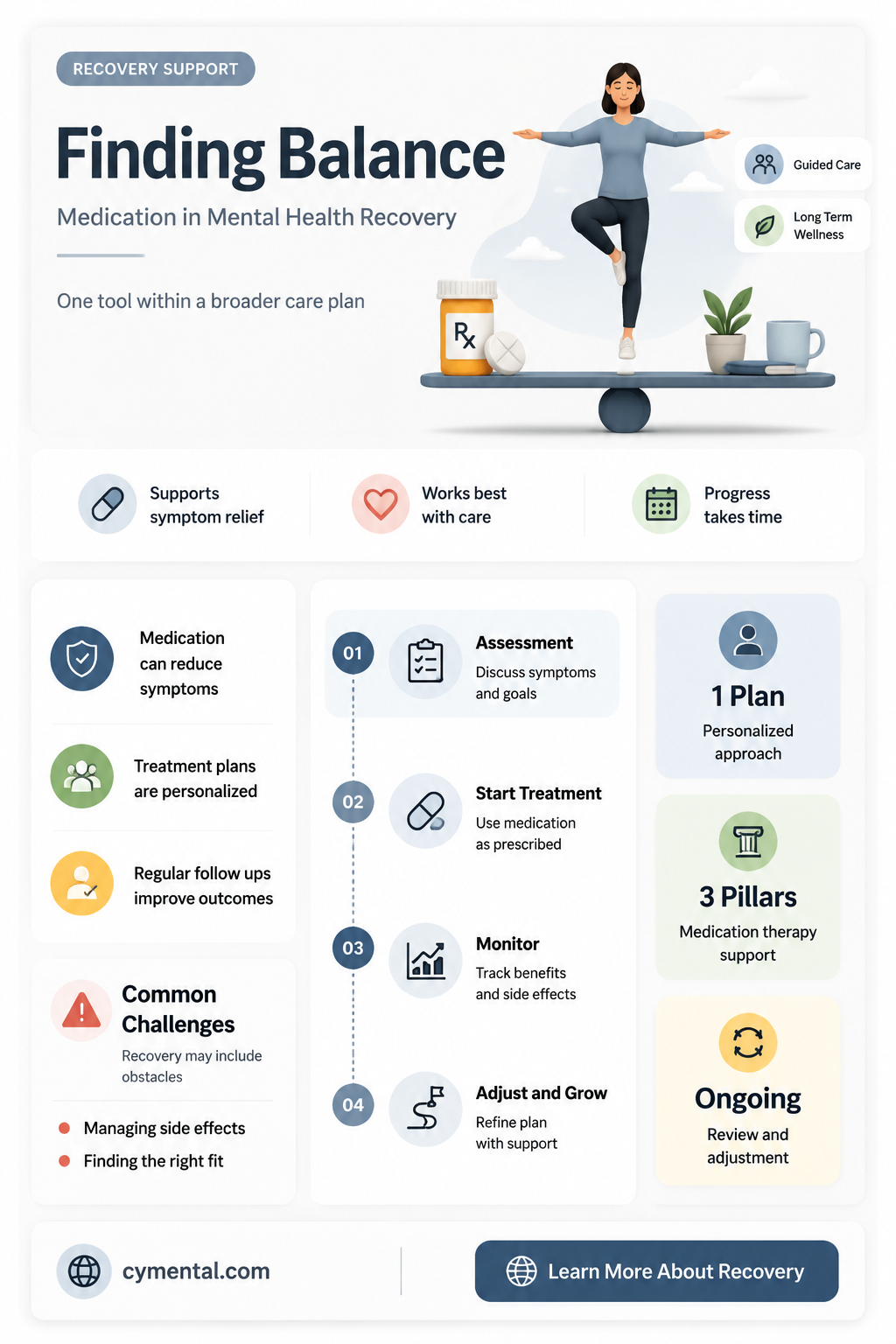
Medication can play a crucial role in managing mental illness by helping to alleviate symptoms and improve overall well-being. For many individuals, psychiatric medications can be an essential component of their treatment plan, working to correct chemical imbalances in the brain that may contribute to their condition. These medications can include antidepressants, which help regulate mood and reduce feelings of sadness and hopelessness; antipsychotics, which can help manage symptoms of schizophrenia and other psychotic disorders; and anxiolytics, which are used to treat anxiety disorders. By working closely with a healthcare provider, individuals can find the right medication and dosage to help them achieve a better quality of life.
Explore related products


What You'll Learn
- Symptom Management: Medications can help reduce or eliminate symptoms of mental illnesses, such as hallucinations or anxiety
- Mood Stabilization: Certain medications can help stabilize mood swings in conditions like bipolar disorder, promoting emotional balance
- Improved Cognitive Function: Some medications may enhance cognitive abilities, such as concentration and memory, in individuals with mental illness
- Enhanced Quality of Life: By managing symptoms and improving overall mental health, medications can contribute to a better quality of life
- Support for Therapy: Medications can be used in conjunction with therapy, making it more effective and aiding in the therapeutic process

Symptom Management: Medications can help reduce or eliminate symptoms of mental illnesses, such as hallucinations or anxiety
Medications play a crucial role in symptom management for individuals with mental illnesses. By targeting specific neurotransmitters and receptors in the brain, these medications can help reduce or eliminate symptoms such as hallucinations, anxiety, and mood swings. For example, antipsychotic medications are often used to treat schizophrenia and can help alleviate hallucinations and delusions. Similarly, selective serotonin reuptake inhibitors (SSRIs) are commonly prescribed for depression and anxiety disorders, helping to regulate mood and reduce feelings of anxiety.
One of the key benefits of medication in symptom management is its ability to provide rapid relief. In many cases, individuals can experience significant improvements in their symptoms within weeks of starting a new medication regimen. This can be particularly important for those experiencing severe or debilitating symptoms, as it allows them to begin functioning more normally and improve their overall quality of life.
However, it's important to note that medication is not a one-size-fits-all solution. The effectiveness of a particular medication can vary greatly from person to person, and it may take some trial and error to find the right combination of medications and dosages. Additionally, medications can have side effects, which can range from mild to severe. It's crucial for individuals to work closely with their healthcare providers to monitor and manage these side effects and to make adjustments to their medication regimen as needed.
In some cases, medication may be used in conjunction with other treatments, such as therapy or lifestyle changes, to provide a more comprehensive approach to symptom management. For example, cognitive-behavioral therapy (CBT) can be used to help individuals develop coping strategies and change negative thought patterns, while lifestyle changes such as exercise and a healthy diet can also have a positive impact on mental health.
Overall, medications can be a valuable tool in the management of mental illness symptoms. By working closely with healthcare providers and combining medication with other treatments and lifestyle changes, individuals can take a proactive approach to managing their mental health and improving their overall well-being.
Finding the Words: How to Share Your Mental Health Struggles
You may want to see also
Explore related products


Mood Stabilization: Certain medications can help stabilize mood swings in conditions like bipolar disorder, promoting emotional balance
Mood stabilization is a critical aspect of managing conditions like bipolar disorder, where individuals experience extreme mood swings that can significantly impact their daily lives. Certain medications, known as mood stabilizers, play a vital role in promoting emotional balance and reducing the severity and frequency of these mood episodes. These medications work by targeting neurotransmitters in the brain, such as serotonin, dopamine, and norepinephrine, which are involved in regulating mood.
One of the primary goals of mood stabilization therapy is to prevent manic episodes, which can be particularly disruptive and dangerous. Medications like lithium, valproate, and carbamazepine are commonly used for this purpose. Lithium, for example, is known for its effectiveness in reducing the risk of manic relapses and is often considered a first-line treatment for bipolar disorder. Valproate and carbamazepine are anticonvulsants that have also been found to have mood-stabilizing properties, particularly in preventing manic episodes.
In addition to preventing manic episodes, mood stabilizers can also help alleviate depressive symptoms associated with bipolar disorder. Medications such as lamotrigine and olanzapine have been shown to be effective in reducing the severity of depressive episodes. Lamotrigine, an anticonvulsant, is particularly noted for its ability to stabilize mood without causing significant weight gain, which can be a side effect of some other mood stabilizers. Olanzapine, an atypical antipsychotic, is often used in combination with other mood stabilizers to enhance their effectiveness.
It is important to note that mood stabilization therapy often involves a combination of medications, as well as psychotherapy and lifestyle changes. Medications may need to be adjusted over time to find the most effective combination and dosages for an individual. Regular monitoring by a healthcare provider is essential to ensure the medications are working as intended and to manage any potential side effects. With proper treatment, individuals with bipolar disorder can achieve greater emotional stability and improve their overall quality of life.
Hope and Support: Standing By Someone with a Mental Illness
You may want to see also
Explore related products

$45 $45


Improved Cognitive Function: Some medications may enhance cognitive abilities, such as concentration and memory, in individuals with mental illness
Cognitive enhancement through medication can be a game-changer for individuals grappling with mental illness. Certain psychiatric medications have been shown to improve cognitive functions such as attention, memory, and executive functioning. For example, stimulants like methylphenidate and amphetamines are commonly prescribed to enhance focus and reduce impulsivity in conditions like ADHD. Similarly, some antidepressants, particularly those in the SSRI class, can improve memory and concentration in individuals with depression.
The benefits of improved cognitive function extend beyond symptom management. Enhanced concentration and memory can lead to better performance in school, work, and daily activities. This, in turn, can boost self-esteem and overall quality of life. Moreover, improved cognitive function can aid in the development of coping strategies and the implementation of therapeutic techniques learned in counseling or therapy sessions.
However, it's crucial to approach cognitive enhancement with a nuanced understanding. While medications can be beneficial, they are not a panacea. Individual responses to medication vary widely, and what works for one person may not work for another. Additionally, medications can have side effects, and long-term use may lead to dependency or other health concerns. Therefore, it's essential to work closely with a healthcare provider to determine the most appropriate medication and dosage for each individual's unique needs.
In conclusion, the potential for improved cognitive function through medication offers a promising avenue for individuals with mental illness. By enhancing abilities such as concentration and memory, these medications can help individuals better manage their symptoms, improve their daily functioning, and ultimately, lead more fulfilling lives. However, it's important to approach this treatment option with a balanced perspective, weighing the potential benefits against the possible risks and side effects.
Legal Recourse for Mental Stress: Understanding Your Rights and Options
You may want to see also
Explore related products


Enhanced Quality of Life: By managing symptoms and improving overall mental health, medications can contribute to a better quality of life
Medication plays a pivotal role in enhancing the quality of life for individuals with mental illness. By effectively managing symptoms, these treatments can significantly improve overall mental health, leading to a more fulfilling and balanced life. For instance, antidepressants can alleviate the persistent feelings of sadness and hopelessness associated with depression, allowing individuals to re-engage with activities they once enjoyed. Similarly, antipsychotics can help manage the symptoms of schizophrenia, such as hallucinations and delusions, enabling individuals to maintain relationships and participate in social activities.
Beyond symptom management, medications can also contribute to improved cognitive function and emotional regulation. Stimulants, for example, can enhance focus and concentration in individuals with ADHD, leading to better academic and professional performance. Mood stabilizers can help prevent the extreme mood swings characteristic of bipolar disorder, promoting a more stable and predictable emotional state. This stability can be particularly beneficial in maintaining employment and nurturing personal relationships.
The benefits of medication extend to physical health as well. By reducing symptoms of mental illness, these treatments can also lower the risk of physical health problems that often accompany mental health conditions. For example, depression is linked to an increased risk of heart disease, diabetes, and obesity. By managing depressive symptoms, medications can indirectly contribute to better physical health outcomes.
It's important to note that while medications can be highly effective, they are not a one-size-fits-all solution. Treatment plans should be tailored to the individual, taking into account their specific symptoms, medical history, and personal preferences. Additionally, medications are often most effective when combined with other forms of treatment, such as psychotherapy and lifestyle changes.
In conclusion, medications can significantly enhance the quality of life for individuals with mental illness by managing symptoms, improving mental and physical health, and promoting overall well-being. However, it's crucial to approach treatment with a personalized and comprehensive mindset, recognizing the importance of combining medication with other therapeutic approaches.
Navigating Love and Mental Health: A Guide to Supportive Relationships
You may want to see also
Explore related products


Support for Therapy: Medications can be used in conjunction with therapy, making it more effective and aiding in the therapeutic process
Medication can significantly enhance the effectiveness of therapy for mental health conditions. By alleviating symptoms such as anxiety, depression, or psychosis, medications can help individuals engage more fully in the therapeutic process. This synergistic relationship allows therapists to address underlying issues more effectively, as patients are better able to participate in sessions and apply the insights gained.
For instance, in the case of major depressive disorder, antidepressant medications can help lift the veil of depression, enabling patients to see the value in therapy and actively work towards recovery. Similarly, for individuals with schizophrenia, antipsychotic medications can reduce hallucinations and delusions, making it easier for therapists to establish a rapport and guide patients towards managing their condition.
The combined use of medication and therapy can also lead to better long-term outcomes. Studies have shown that patients who receive both forms of treatment are more likely to experience sustained remission and improved quality of life. This is particularly true for conditions like bipolar disorder, where mood stabilizers can help prevent manic and depressive episodes, allowing patients to maintain stability and focus on therapeutic goals.
Moreover, medication can help address specific symptoms that may be resistant to therapy alone. For example, in the case of obsessive-compulsive disorder, selective serotonin reuptake inhibitors (SSRIs) can help reduce compulsive behaviors, making it easier for patients to engage in exposure and response prevention therapy. This targeted approach can lead to more efficient and effective treatment outcomes.
It is important to note that the use of medication in conjunction with therapy should be carefully monitored and adjusted as needed. Psychiatrists and therapists must work collaboratively to ensure that the medication regimen is optimized for each individual patient, taking into account factors such as dosage, side effects, and potential interactions with other medications.
In conclusion, the integration of medication and therapy can provide a powerful tool in the treatment of mental health conditions. By addressing symptoms and enhancing the therapeutic process, this combined approach can lead to improved outcomes and a better quality of life for patients.
Journey to Recovery: Overcoming Mental Illness Through Resilience and Support
You may want to see also
Frequently asked questions
Medication can help manage symptoms of mental illness by altering brain chemistry to improve mood, reduce anxiety, and enhance cognitive function.
Many mental illnesses can be treated with medication, including depression, anxiety disorders, bipolar disorder, schizophrenia, and ADHD.
Yes, side effects can occur with mental health medications. Common side effects include nausea, weight gain, dry mouth, and sleep disturbances. It's important to discuss potential side effects with a healthcare provider.
The time it takes for mental health medications to work can vary depending on the individual and the medication. Some medications may start working within a few days, while others may take several weeks to reach full effectiveness.