Harper Lewis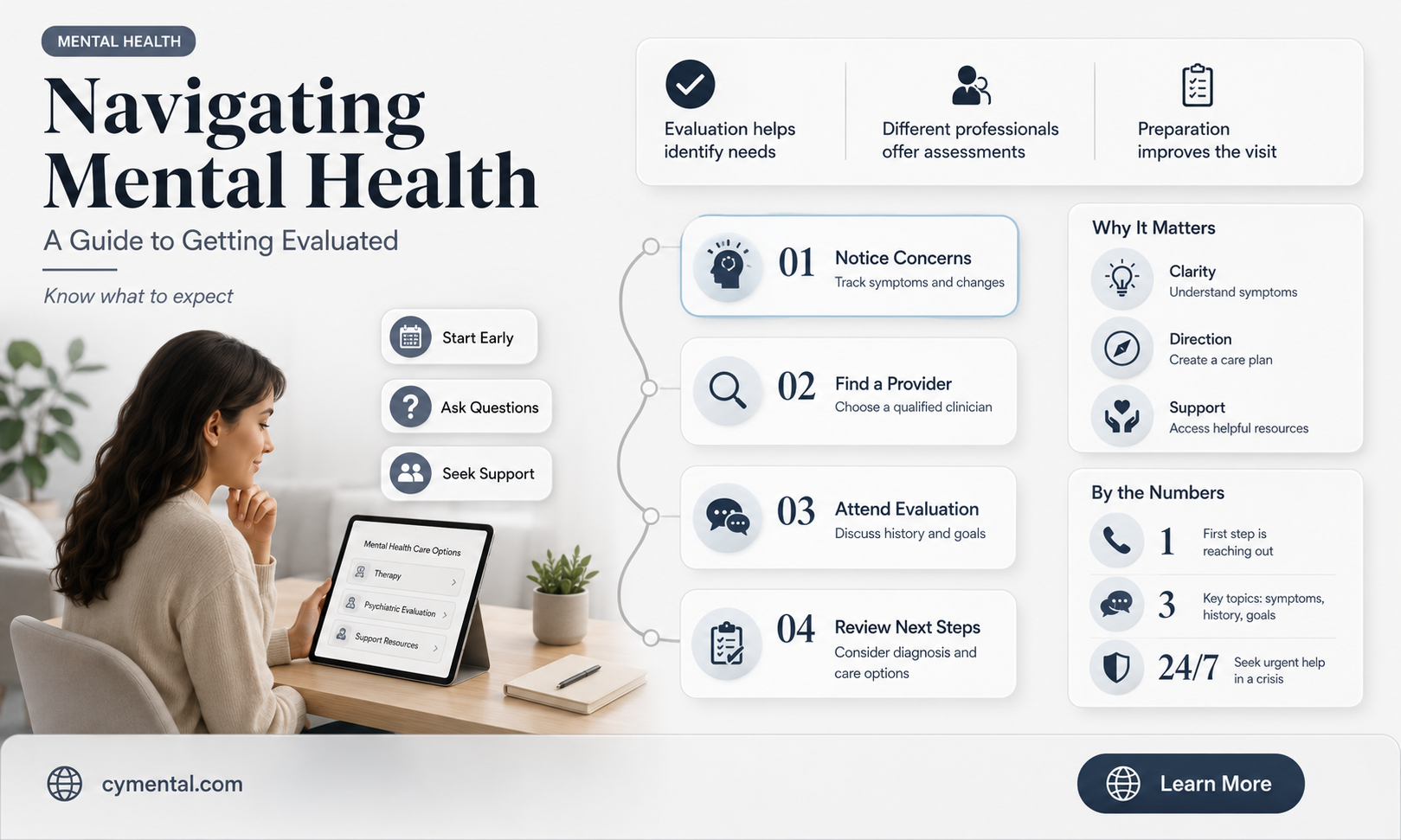
Seeking a mental health evaluation is a crucial step towards understanding and addressing your psychological well-being. Whether you're experiencing symptoms of anxiety, depression, or other mental health concerns, a professional evaluation can provide valuable insights and guide you towards appropriate treatment options. In this paragraph, we'll explore the process of obtaining a mental health evaluation, including where to seek help, what to expect during the evaluation, and the importance of taking this proactive step towards prioritizing your mental health.
| Characteristics | Values |
|---|---|
| Evaluation Type | Mental health evaluation |
| Purpose | To assess mental health conditions, identify symptoms, and determine appropriate treatment |
| Who Can Evaluate | Psychiatrists, psychologists, licensed therapists, or other mental health professionals |
| Evaluation Methods | Interviews, questionnaires, psychological tests, observation, and sometimes input from family or friends |
| Duration | Varies, typically 30 minutes to several hours over one or multiple sessions |
| Cost | Depends on insurance coverage, location, and professional; can range from free to several hundred dollars |
| Preparation | Be honest about symptoms and concerns, list questions to ask the evaluator, gather previous medical records if applicable |
| Follow-up | Discuss results and treatment options with the evaluator, schedule follow-up appointments as needed, seek support from loved ones |
| Confidentiality | Information shared during the evaluation is generally confidential, with exceptions for safety concerns or legal requirements |
| Accessibility | Available through healthcare providers, mental health clinics, community centers, and online platforms |
Explore related products


What You'll Learn
- Recognizing Symptoms: Identify signs of mental health issues, such as persistent sadness, anxiety, or mood swings
- Finding a Professional: Locate a licensed therapist, psychologist, or psychiatrist through referrals or online directories
- Preparing for the Evaluation: Gather personal history, current symptoms, and any previous mental health treatments
- Understanding the Process: Learn about the evaluation methods, including interviews, questionnaires, and observation
- Follow-up and Treatment: Discuss potential diagnoses, treatment options, and next steps with the mental health professional

Recognizing Symptoms: Identify signs of mental health issues, such as persistent sadness, anxiety, or mood swings
Recognizing symptoms of mental health issues is a critical first step in seeking help and getting a mental health evaluation. Persistent sadness, anxiety, or mood swings can be indicative of underlying conditions that require professional attention. It's important to note that everyone experiences these emotions from time to time, but when they become persistent and interfere with daily life, it's a sign that something more serious may be at play.
One unique angle to consider when recognizing symptoms is the impact of social media and technology on mental health. The constant barrage of information and the pressure to present a perfect online persona can contribute to feelings of anxiety, depression, and low self-esteem. If you find yourself spending excessive amounts of time on social media, comparing your life to others, or feeling overwhelmed by the digital world, it may be time to seek a mental health evaluation.
Another important aspect to consider is the physical symptoms that can accompany mental health issues. These can include changes in appetite, sleep disturbances, and unexplained aches and pains. If you're experiencing any of these symptoms in conjunction with persistent sadness, anxiety, or mood swings, it's a good idea to consult with a healthcare professional to rule out any underlying medical conditions and to discuss the possibility of a mental health evaluation.
In terms of practical tips, it can be helpful to keep a journal of your symptoms, including when they occur, how long they last, and any triggers you can identify. This information can be valuable to share with a mental health professional during an evaluation. Additionally, it's important to remember that seeking help is a sign of strength, not weakness. Reaching out to friends, family, or a support group can provide valuable support and encouragement as you navigate the process of getting a mental health evaluation.
Finally, it's crucial to approach the topic of mental health with empathy and understanding. Recognizing symptoms and seeking help can be a difficult and scary process, but it's important to remember that you're not alone. With the right support and resources, it's possible to manage mental health issues and improve your overall well-being.
Taking a Mental Health Day: Understanding Your Rights and Employer's Policies
You may want to see also
Explore related products


$40.84 $61.99


Finding a Professional: Locate a licensed therapist, psychologist, or psychiatrist through referrals or online directories
To find a mental health professional, start by asking your primary care physician for a referral. They often have a network of trusted specialists and can recommend someone who fits your specific needs. Additionally, consider reaching out to friends or family members who have had positive experiences with mental health professionals. They can provide valuable insights and recommendations.
Another option is to search online directories, such as the American Psychological Association's (APA) Psychologist Locator or the American Psychiatric Association's (APA) Find a Psychiatrist tool. These directories allow you to search by location, specialty, and insurance accepted, making it easier to find a professional who meets your criteria.
When researching potential professionals, take the time to read reviews and check their credentials. Look for licensed therapists, psychologists, or psychiatrists who have experience working with clients with similar concerns to yours. It's also important to consider their approach to treatment and whether it aligns with your personal preferences and goals.
Once you have a list of potential professionals, reach out to them directly to ask questions and schedule a consultation. This initial contact can help you determine if they are a good fit for your needs. Don't be afraid to ask about their experience, treatment methods, and availability. Finding the right mental health professional is an important step in your journey towards better mental health.
Navigating the Path to Recovery: Leaving a Mental Health Facility
You may want to see also
Explore related products


Preparing for the Evaluation: Gather personal history, current symptoms, and any previous mental health treatments
Before attending a mental health evaluation, it's crucial to prepare thoroughly to ensure you receive the most accurate and helpful assessment. Start by gathering detailed information about your personal history, including any significant life events, trauma, or stressors that may have impacted your mental health. This could involve reflecting on your childhood, relationships, work experiences, and any major changes or challenges you've faced.
Next, make a list of your current symptoms, including their frequency, severity, and how they affect your daily life. Be as specific as possible, noting any patterns or triggers you've observed. If you've experienced any previous mental health treatments, document the types of therapy or medication you've tried, along with the outcomes and any side effects you've encountered.
It's also important to collect any relevant medical records, test results, or referrals from other healthcare providers. This information can help the mental health professional conducting your evaluation gain a more comprehensive understanding of your overall health and any potential underlying conditions that may be contributing to your symptoms.
Finally, consider preparing a list of questions or concerns you'd like to discuss during the evaluation. This can help ensure that all your needs and worries are addressed, and that you leave the appointment feeling heard and understood. Remember, the more information you provide, the more tailored and effective your treatment plan can be.
Navigating the Path to Mental Health Care: A Guide to Hospital Admission
You may want to see also
Explore related products


Understanding the Process: Learn about the evaluation methods, including interviews, questionnaires, and observation
Mental health evaluations are multifaceted processes that involve various methods to assess an individual's psychological well-being. Understanding these methods can help demystify the evaluation process and make it more approachable for those seeking help.
Interviews are a primary method used in mental health evaluations. They can be structured, semi-structured, or unstructured, depending on the evaluator's approach and the specific needs of the individual. Structured interviews follow a predetermined set of questions, ensuring consistency and allowing for easier comparison across different evaluations. Semi-structured interviews provide a framework of questions but allow for flexibility and follow-up inquiries based on the individual's responses. Unstructured interviews are more open-ended, relying on the evaluator's clinical judgment to guide the conversation.
Questionnaires and surveys are another common tool in mental health evaluations. These can be self-administered or completed with the assistance of a clinician. They often include standardized questions designed to measure specific symptoms or psychological traits. For example, the Beck Depression Inventory (BDI) is a widely used questionnaire that assesses the severity of depressive symptoms. Questionnaires can provide valuable quantitative data that complements the qualitative information gathered through interviews.
Observation is also a critical component of mental health evaluations. Clinicians may observe an individual's behavior, body language, and interactions with others to gain insights into their mental state. This can be particularly important in assessing conditions like autism spectrum disorder or in situations where an individual may have difficulty articulating their feelings or experiences.
In addition to these primary methods, mental health evaluations may also incorporate other techniques such as psychological testing, physical examinations, and review of medical and psychiatric history. The specific methods used will vary depending on the individual's presenting concerns, the evaluator's theoretical orientation, and the available resources.
Understanding the evaluation process can help individuals feel more prepared and less anxious about seeking mental health services. It is important to remember that mental health evaluations are collaborative processes, and individuals should feel empowered to ask questions and actively participate in their own care.
Navigating Disability Benefits for Mental Health Conditions: A Comprehensive Guide
You may want to see also
Explore related products

$22.24 $34.99


Follow-up and Treatment: Discuss potential diagnoses, treatment options, and next steps with the mental health professional
After receiving an initial mental health evaluation, the follow-up and treatment phase is crucial for addressing any identified concerns. This stage involves discussing potential diagnoses with the mental health professional, who will explain the findings and recommend appropriate treatment options. These may include psychotherapy, medication, lifestyle changes, or a combination of approaches tailored to the individual's needs.
The mental health professional will work collaboratively with the patient to develop a treatment plan, outlining specific goals, strategies, and timelines. This plan may be adjusted as needed based on the patient's progress and feedback. Regular follow-up appointments are essential to monitor the effectiveness of the treatment and make any necessary modifications.
In some cases, the mental health professional may recommend further diagnostic testing or refer the patient to a specialist for additional evaluation. This could involve neuropsychological testing, imaging studies, or consultations with other healthcare providers to rule out underlying medical conditions that may be contributing to the patient's symptoms.
Throughout the follow-up and treatment process, open communication between the patient and the mental health professional is vital. Patients should feel comfortable asking questions, expressing concerns, and providing feedback on their experiences with the treatment. This collaborative approach helps ensure that the treatment plan remains effective and aligned with the patient's needs and preferences.
Ultimately, the goal of follow-up and treatment is to help individuals manage their mental health symptoms, improve their overall well-being, and develop strategies for maintaining long-term mental health. By working closely with a mental health professional, patients can gain the tools and support they need to navigate their mental health journey and achieve a better quality of life.
Exploring the Minds of Our Furry Friends: Do Animals Experience Mental Illness?
You may want to see also
Frequently asked questions
The first step in getting a mental health evaluation is to consult with a primary care physician or a mental health professional. They can provide an initial assessment and refer you to a specialist if needed.
Mental health evaluations can be conducted by various professionals, including psychiatrists, psychologists, licensed clinical social workers, and licensed professional counselors.
During a mental health evaluation, you can expect to discuss your symptoms, medical history, and any concerns you may have. The professional may also conduct interviews, administer questionnaires, and observe your behavior to make an accurate diagnosis.
The duration of a mental health evaluation can vary depending on the complexity of the case and the type of assessment being conducted. It may take anywhere from a few minutes to several hours, and sometimes multiple sessions may be required.
After a mental health evaluation, the professional will discuss the results with you and recommend a treatment plan. This may include therapy, medication, or other interventions tailored to your specific needs. They will also provide guidance on how to manage your symptoms and improve your overall mental health.