Noah Parker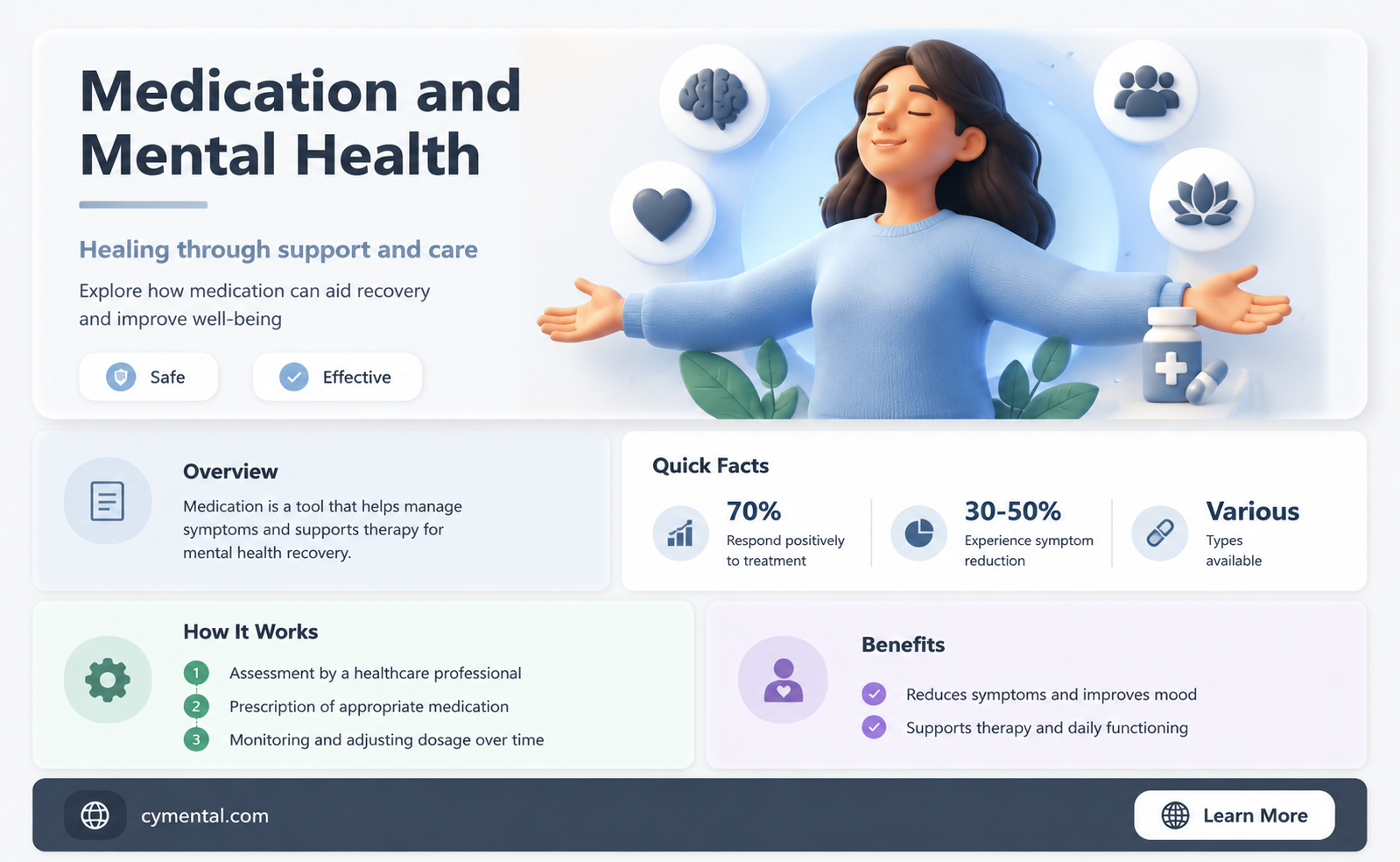
Medication can play a crucial role in managing mental health conditions by alleviating symptoms, stabilizing moods, and improving overall functioning. For many individuals, psychiatric medications such as antidepressants, antipsychotics, mood stabilizers, and anxiolytics can provide significant relief from debilitating symptoms like depression, anxiety, psychosis, or bipolar disorder. These medications often work by balancing neurotransmitters in the brain, which can help restore emotional equilibrium and cognitive clarity. When combined with therapy and lifestyle changes, medication can empower individuals to better engage in their treatment, enhance their quality of life, and reduce the risk of severe episodes or hospitalization. However, it’s important to note that medication is not a one-size-fits-all solution and should be tailored to the individual’s needs under the guidance of a healthcare professional.
| Characteristics | Values |
|---|---|
| Symptom Reduction | Medications can alleviate symptoms of mental health disorders, such as depression, anxiety, and psychosis, improving daily functioning. |
| Chemical Balance | Many mental health conditions are linked to imbalances in brain chemicals (neurotransmitters); medications help restore this balance. |
| Mood Stabilization | Medications like mood stabilizers (e.g., lithium) help manage extreme mood swings in conditions like bipolar disorder. |
| Anxiety Relief | Anti-anxiety medications (e.g., SSRIs, benzodiazepines) reduce symptoms of anxiety disorders, promoting calmness. |
| Psychosis Management | Antipsychotic medications help control hallucinations, delusions, and disordered thinking in schizophrenia and other psychotic disorders. |
| Depression Treatment | Antidepressants (e.g., SSRIs, SNRIs) increase neurotransmitter levels, improving mood and reducing depressive symptoms. |
| ADHD Symptom Control | Stimulants and non-stimulants help improve focus, attention, and impulse control in ADHD. |
| Sleep Improvement | Some medications (e.g., sedatives, antidepressants) address sleep disturbances associated with mental health conditions. |
| Prevention of Relapse | Long-term medication use can prevent the recurrence of symptoms in chronic mental health disorders. |
| Enhanced Therapy Outcomes | Medication often complements psychotherapy, making it more effective by reducing severe symptoms that interfere with therapy. |
| Improved Quality of Life | By managing symptoms, medications can enhance overall well-being, relationships, and daily activities. |
| Customized Treatment | Medications can be tailored to individual needs, considering factors like severity, side effects, and co-existing conditions. |
| Evidence-Based Approach | Many psychiatric medications are supported by extensive research, demonstrating their efficacy in treating specific conditions. |
| Short-Term and Long-Term Options | Medications can be prescribed for short-term relief (e.g., anxiety) or long-term management (e.g., bipolar disorder). |
| Side Effect Management | While side effects can occur, many are manageable, and alternatives are available if needed. |
| Accessibility | Medications are widely available and can be prescribed by healthcare providers, making them a common treatment option. |
Explore related products

$12.23 $14.39


What You'll Learn
- Mood Stabilization: Medications balance brain chemicals, reducing mood swings in bipolar disorder
- Anxiety Reduction: Anti-anxiety drugs calm the nervous system, easing panic and worry
- Depression Management: Antidepressants increase neurotransmitters, improving mood and energy levels
- Psychosis Control: Antipsychotics reduce hallucinations and delusions in schizophrenia
- ADHD Treatment: Stimulants enhance focus and impulse control in attention disorders

Mood Stabilization: Medications balance brain chemicals, reducing mood swings in bipolar disorder
Bipolar disorder, characterized by extreme mood swings from manic highs to depressive lows, disrupts lives. Medications targeting mood stabilization offer a lifeline by addressing the underlying chemical imbalances in the brain. These drugs, often lithium or anticonvulsants like valproic acid, act as a buffer, dampening the erratic fluctuations in neurotransmitters like dopamine and serotonin. This biochemical recalibration translates to a more stable emotional landscape, allowing individuals to manage their symptoms and reclaim a sense of control.
For instance, lithium, a cornerstone of bipolar treatment, works by modulating the activity of neurotransmitters and protecting brain cells. A typical starting dose for adults is 300 mg twice daily, gradually adjusted based on blood levels and symptom response. Regular monitoring of lithium levels is crucial to ensure therapeutic efficacy and avoid toxicity.
The benefits of mood stabilizers extend beyond symptom management. By preventing manic episodes, they reduce the risk of impulsive decisions, damaged relationships, and self-harm. Similarly, by lifting depressive episodes, they combat feelings of hopelessness and despair, fostering a more positive outlook. This dual action allows individuals to engage more fully in therapy, build coping mechanisms, and lead fulfilling lives.
Consider the case of Sarah, a 32-year-old artist diagnosed with bipolar I disorder. Before medication, her manic phases led to reckless spending and strained relationships, while depressive episodes left her unable to create art. With a combination of lithium and lamotrigine, her mood swings became less extreme, allowing her to pursue her passion consistently and rebuild connections with loved ones.
While mood stabilizers are powerful tools, they are not a cure. Finding the right medication and dosage often involves trial and error, requiring patience and open communication with a psychiatrist. Side effects, such as weight gain, tremors, or cognitive dulling, can be challenging but are often manageable with adjustments or additional medications. Regular blood tests and medical check-ups are essential to monitor for potential long-term effects, such as kidney function changes with lithium.
Mood stabilization through medication is not about suppressing emotions but about restoring balance. It empowers individuals with bipolar disorder to navigate life's challenges with greater resilience and stability. By addressing the biological roots of the disorder, these medications provide a foundation for holistic recovery, enabling individuals to thrive, not just survive.
Gabapentin and Mental Health: Exploring Its Role in Treatment
You may want to see also
Explore related products


Anxiety Reduction: Anti-anxiety drugs calm the nervous system, easing panic and worry
Anti-anxiety medications, such as benzodiazepines and selective serotonin reuptake inhibitors (SSRIs), directly target the nervous system to alleviate symptoms of anxiety. Benzodiazepines, for example, enhance the effect of gamma-aminobutyric acid (GABA), a neurotransmitter that inhibits brain activity, leading to a calming effect. This mechanism is particularly effective for rapid relief during acute panic attacks. SSRIs, on the other hand, increase serotonin levels over time, which helps stabilize mood and reduce chronic worry. Understanding these distinct actions allows healthcare providers to tailor treatment to the specific needs of the individual, whether they require immediate symptom control or long-term management.
Consider a scenario where a 35-year-old professional experiences frequent panic attacks triggered by workplace stress. A doctor might prescribe a low-dose benzodiazepine, such as alprazolam (0.25–0.5 mg), to be taken as needed during episodes. This approach ensures quick relief without promoting dependency, as benzodiazepines are generally recommended for short-term use. For persistent anxiety, an SSRI like sertraline (25–50 mg daily) could be introduced, with dosage adjustments made over several weeks to monitor effectiveness and side effects. Combining these medications with therapy often yields the best outcomes, as it addresses both the biological and psychological aspects of anxiety.
While anti-anxiety medications are powerful tools, their use requires careful consideration. Benzodiazepines, for instance, carry risks of tolerance, dependence, and withdrawal symptoms, especially when used beyond 2–4 weeks. SSRIs may cause side effects like nausea, insomnia, or weight changes, particularly during the initial weeks of treatment. Patients should be educated on these potential risks and encouraged to report any adverse effects promptly. Additionally, certain populations, such as pregnant individuals or those with a history of substance abuse, may require alternative treatment strategies.
Practical tips can enhance the effectiveness of anti-anxiety medications. For benzodiazepines, patients should avoid alcohol and operate heavy machinery, as these drugs can impair coordination and judgment. SSRIs should be taken consistently at the same time each day to maintain stable blood levels. Pairing medication with lifestyle changes, such as regular exercise, mindfulness practices, and a balanced diet, can amplify their benefits. Finally, open communication with a healthcare provider is crucial to ensure the treatment plan remains aligned with the patient’s evolving needs and goals.
In conclusion, anti-anxiety medications offer a scientifically grounded approach to calming the nervous system and reducing panic and worry. By understanding their mechanisms, risks, and practical applications, individuals and providers can collaborate to create effective, personalized treatment plans. When used responsibly and in conjunction with other therapeutic strategies, these drugs can significantly improve quality of life for those struggling with anxiety.
Apple Cider Vinegar and Mental Health: Fact or Fiction?
You may want to see also
Explore related products


$11.6 $19.99




Depression Management: Antidepressants increase neurotransmitters, improving mood and energy levels
Antidepressants are a cornerstone in the treatment of depression, functioning by modulating neurotransmitters—chemicals in the brain that regulate mood, energy, and cognition. Specifically, selective serotonin reuptake inhibitors (SSRIs) like fluoxetine (Prozac) and sertraline (Zoloft) increase serotonin levels, while serotonin-norepinephrine reuptake inhibitors (SNRIs) such as venlafaxine (Effexor) boost both serotonin and norepinephrine. These medications prevent the reabsorption of neurotransmitters, leaving more available in the synaptic cleft to enhance signaling between neurons. This biochemical adjustment is critical for alleviating depressive symptoms, as low levels of these neurotransmitters are often associated with persistent sadness, fatigue, and anhedonia.
The effectiveness of antidepressants is not immediate; patients typically notice improvements after 4–6 weeks of consistent use. Dosage varies depending on the medication and individual response, with SSRIs often starting at 10–20 mg daily and SNRIs at 37.5–75 mg. For instance, a starting dose of fluoxetine might be 20 mg, gradually increased to 40–60 mg if needed. Adherence is crucial, as discontinuing medication prematurely can lead to relapse or withdrawal symptoms. It’s also important to monitor side effects, such as nausea, insomnia, or weight changes, which often subside within a few weeks.
While antidepressants are effective for many, they are not a one-size-fits-all solution. Factors like age, comorbid conditions, and medication interactions influence their suitability. For example, older adults may require lower doses due to slower metabolism, while pregnant individuals must weigh the risks and benefits under medical supervision. Combining antidepressants with therapy, such as cognitive-behavioral therapy (CBT), often yields better outcomes than medication alone. This dual approach addresses both the biochemical and psychological aspects of depression.
Practical tips for managing antidepressant use include taking the medication at the same time daily to maintain consistent levels, avoiding alcohol to prevent exacerbating side effects, and tracking mood changes in a journal to assess progress. Patients should communicate openly with their healthcare provider about any concerns or lack of improvement, as dosage adjustments or alternative medications may be necessary. Ultimately, antidepressants are a powerful tool in depression management, but their success relies on informed use, patience, and a holistic treatment plan.
Empowering Inclusion: Practical Ways to Support Mental and Physical Disabilities
You may want to see also
Explore related products




Psychosis Control: Antipsychotics reduce hallucinations and delusions in schizophrenia
Antipsychotic medications serve as a cornerstone in managing schizophrenia, a complex mental health disorder characterized by psychosis. These drugs primarily target dopamine receptors in the brain, reducing the intensity and frequency of hallucinations and delusions—symptoms that can severely disrupt daily functioning. For instance, a typical starting dose of olanzapine, a second-generation antipsychotic, ranges from 10 to 15 mg daily for adults, with adjustments based on individual response and side effect tolerance. This precision in dosing underscores the medication’s role in restoring a sense of reality for those experiencing psychosis.
Consider the mechanism: antipsychotics modulate neurotransmitter activity, particularly dopamine, which is often overactive in schizophrenia. First-generation antipsychotics, like haloperidol, are highly effective but carry a higher risk of extrapyramidal side effects, such as tremors or rigidity. In contrast, second-generation options like quetiapine or risperidone offer a more favorable side effect profile, making them a preferred choice for long-term management. This distinction highlights the importance of tailoring treatment to the patient’s needs, balancing efficacy with tolerability.
Practical implementation requires careful monitoring. Patients starting antipsychotics should undergo regular follow-ups to assess symptom improvement and side effects. For adolescents, lower initial doses are often recommended due to increased sensitivity to side effects, such as weight gain or metabolic changes. Combining medication with psychoeducation and therapy enhances outcomes, as patients learn coping strategies alongside pharmacological support. For example, a 25-year-old with first-episode psychosis might begin with 2 mg of risperidone daily, gradually titrated upward while engaging in cognitive-behavioral therapy to address residual symptoms.
Critically, antipsychotics are not a cure but a tool for symptom management. Their effectiveness varies, and some individuals may require adjunctive treatments or alternative medications. Long-acting injectable formulations, such as aripiprazole lauroxil, offer a solution for those struggling with adherence, ensuring consistent therapeutic levels without daily dosing. This innovation exemplifies how medication delivery methods can adapt to patient challenges, improving overall treatment success.
In conclusion, antipsychotics provide a vital means of controlling psychosis in schizophrenia, offering relief from debilitating hallucinations and delusions. Their use demands a nuanced approach, considering dosage, generation, and patient-specific factors. By integrating medication with comprehensive care, individuals can achieve greater stability and quality of life, underscoring the transformative potential of pharmacotherapy in mental health.
Rising Demand for Mental Health Support: A Growing Trend in Seeking Help
You may want to see also
Explore related products




ADHD Treatment: Stimulants enhance focus and impulse control in attention disorders
Stimulant medications are a cornerstone in the treatment of Attention-Deficit/Hyperactivity Disorder (ADHD), a neurodevelopmental condition affecting millions worldwide. These drugs, including methylphenidate (e.g., Ritalin, Concerta) and amphetamines (e.g., Adderall, Vyvanse), work by increasing the availability of neurotransmitters like dopamine and norepinephrine in the brain. This enhancement in brain chemistry improves focus, reduces impulsivity, and helps individuals with ADHD manage their symptoms more effectively. For children aged 6 and older, adolescents, and adults, stimulants are often the first-line treatment due to their proven efficacy and relatively fast-acting nature.
The mechanism of stimulants may seem counterintuitive—how can a stimulant calm someone with hyperactivity? The answer lies in their ability to normalize brain activity in regions responsible for attention and self-control. For instance, a child with ADHD might struggle to complete homework due to constant distractions and restlessness. A prescribed dose of methylphenidate (typically starting at 5–10 mg for children, adjusted based on response) can help them sustain attention for longer periods, reducing fidgeting and improving task completion. Adults, who often face challenges in workplace productivity or time management, may benefit from extended-release formulations like Adderall XR (starting at 10–20 mg daily) to maintain focus throughout the day.
While stimulants are highly effective, their use requires careful monitoring. Potential side effects include decreased appetite, sleep disturbances, and mild increases in heart rate or blood pressure. To mitigate these, healthcare providers often recommend taking medication after meals to minimize stomach upset and avoiding late doses to prevent insomnia. For children, parents can pair medication with behavioral strategies, such as creating structured routines and using visual reminders, to maximize benefits. It’s also crucial to regularly assess the medication’s impact through follow-up appointments, adjusting dosages or switching medications if necessary.
Critics sometimes argue that stimulants are overprescribed or that they merely mask symptoms rather than address underlying issues. However, research consistently shows that when used appropriately, these medications improve long-term outcomes, including academic performance, social functioning, and self-esteem. For example, a study published in *The Journal of Pediatrics* found that children with ADHD who received stimulant treatment had significantly better reading and math scores compared to untreated peers. This highlights the transformative potential of stimulants when integrated into a comprehensive treatment plan.
In conclusion, stimulants are a powerful tool in managing ADHD, offering tangible improvements in focus and impulse control. Their effectiveness, however, depends on precise prescribing, patient education, and ongoing support. By understanding their role and limitations, individuals with ADHD and their caregivers can make informed decisions to enhance quality of life. Whether for a child struggling in school or an adult navigating career demands, stimulants provide a pathway to greater stability and success.
Can CES Therapy Alleviate Symptoms of Mental Health Disorders?
You may want to see also
Frequently asked questions
Medication can help manage symptoms of mental health conditions by balancing brain chemicals (neurotransmitters) that affect mood, anxiety, and cognition. It often works alongside therapy to provide comprehensive treatment.
Medication is commonly used to treat conditions like depression, anxiety disorders, bipolar disorder, schizophrenia, ADHD, and PTSD. The type of medication prescribed depends on the specific condition and its symptoms.
Yes, side effects can occur and vary depending on the medication. Common side effects include nausea, weight changes, sleep disturbances, or headaches. It’s important to discuss potential side effects with a healthcare provider.
The time it takes for medication to work varies. Some people may notice improvements within a few weeks, while others might take several months. Consistency and follow-up with a healthcare provider are key to finding the right treatment.