Lucas Bennett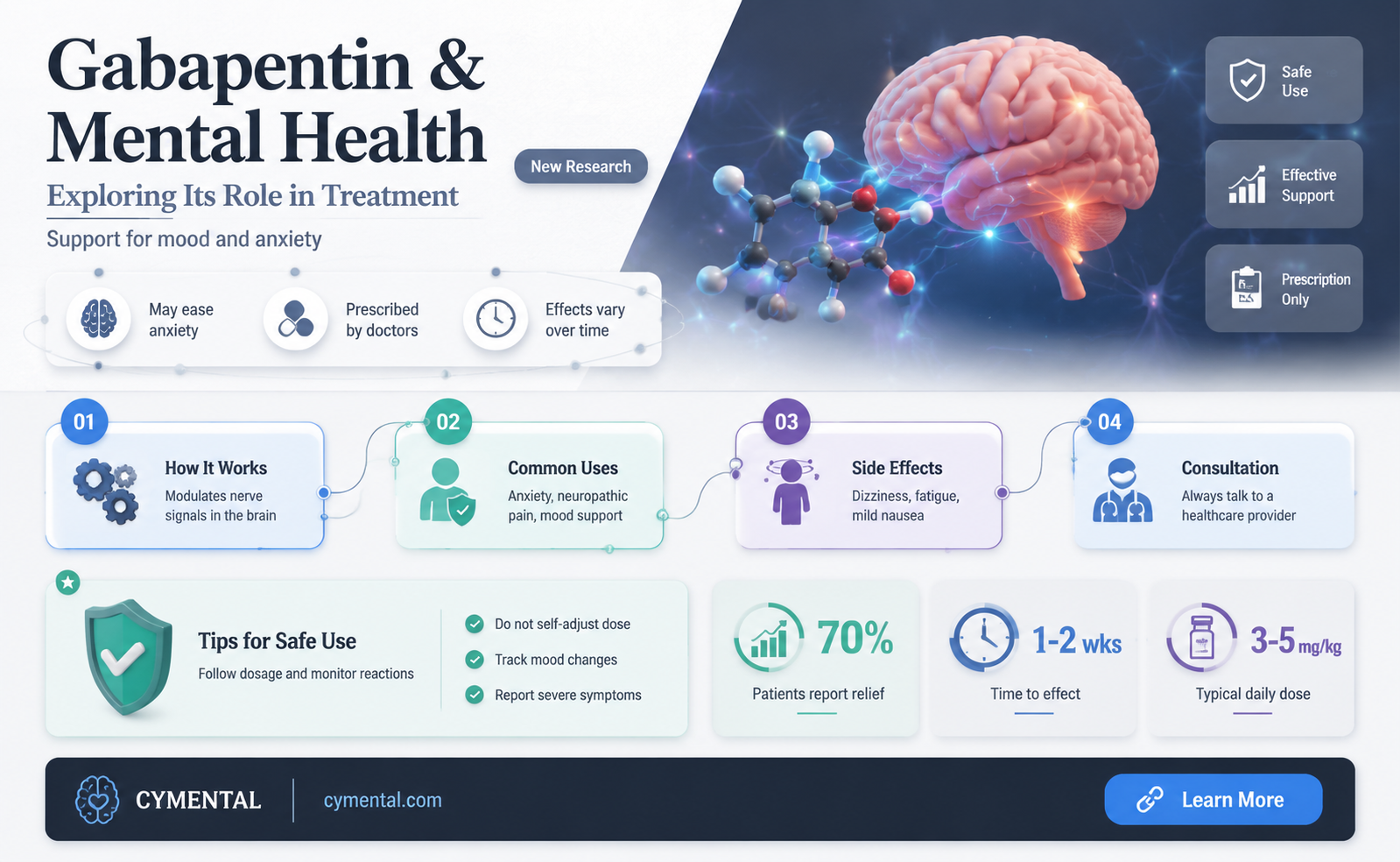
Gabapentin, primarily known as an anticonvulsant medication used to treat seizures and neuropathic pain, has garnered attention for its potential role in managing mental health conditions. While not initially developed for psychiatric use, emerging research and clinical observations suggest that gabapentin may offer benefits for disorders such as anxiety, depression, and bipolar disorder, often as an adjunct therapy. Its mechanism of action, which involves modulating neurotransmitters like GABA, may contribute to its calming and mood-stabilizing effects. However, the evidence supporting its efficacy in mental health is still limited, and its use remains off-label in many cases. As such, further studies are needed to fully understand its effectiveness, optimal dosages, and long-term implications for mental health treatment.
Explore related products


What You'll Learn
- Gabapentin for anxiety disorders: potential benefits and risks
- Treating depression with gabapentin: effectiveness and research findings
- Gabapentin’s role in managing bipolar disorder symptoms
- Use of gabapentin for PTSD: evidence and limitations
- Gabapentin as adjunct therapy for schizophrenia: current insights

Gabapentin for anxiety disorders: potential benefits and risks
Gabapentin, originally developed as an anticonvulsant, has emerged as a potential treatment for anxiety disorders, though its use in this context remains off-label. Clinical studies suggest that gabapentin may reduce symptoms of generalized anxiety disorder (GAD), social anxiety disorder, and panic disorder by modulating GABAergic and glutamatergic neurotransmission. For instance, a 2018 meta-analysis published in *JAMA Psychiatry* found that gabapentin significantly decreased anxiety symptoms in patients with GAD compared to placebo, particularly at doses of 1200–2400 mg/day. However, these findings are not universally accepted, and more research is needed to establish its efficacy definitively.
While gabapentin’s potential benefits for anxiety are promising, its risks cannot be overlooked. Common side effects include dizziness, drowsiness, and coordination difficulties, which can impair daily functioning, especially in older adults or those with comorbid conditions. More concerning is the drug’s potential for misuse and dependence, particularly in individuals with a history of substance abuse. The FDA has issued warnings about gabapentin’s misuse, noting a rise in its involvement in overdose deaths when combined with opioids or other depressants. Patients prescribed gabapentin for anxiety should be closely monitored for signs of dependence and adverse reactions.
A comparative analysis highlights gabapentin’s unique position among anxiety treatments. Unlike benzodiazepines, which act rapidly but carry a high risk of tolerance and withdrawal, gabapentin has a slower onset of action but may offer a safer long-term option for some patients. Similarly, while SSRIs and SNRIs are first-line treatments for anxiety, gabapentin may be considered for those who do not respond to or tolerate these medications. However, its off-label status means insurance coverage may be limited, and prescribers must weigh its benefits against the lack of robust, long-term safety data.
Practical considerations for using gabapentin in anxiety treatment include starting with a low dose (e.g., 300 mg/day) and titrating gradually to minimize side effects. Patients should be advised to avoid alcohol and other CNS depressants while taking gabapentin. For individuals with renal impairment, dosage adjustments are critical, as gabapentin is primarily excreted by the kidneys. Finally, gabapentin should not be abruptly discontinued; tapering over 1–2 weeks is recommended to prevent withdrawal symptoms. While it may not be a first-line option, gabapentin’s role in anxiety management warrants careful consideration in select cases, balancing its potential benefits with its inherent risks.
Coconut Oil and Mental Health: Exploring Potential Benefits and Science
You may want to see also
Explore related products


Treating depression with gabapentin: effectiveness and research findings
Gabapentin, primarily known for its role in managing neuropathic pain and seizures, has emerged as a potential adjunctive treatment for depression. While not a first-line antidepressant, its mechanism of action—modulating calcium channels and increasing GABA activity—has sparked interest in its efficacy for mood disorders. Research suggests that gabapentin may alleviate depressive symptoms, particularly in patients with treatment-resistant depression or those experiencing anxiety comorbidities. However, its effectiveness remains a subject of ongoing study, with mixed findings across clinical trials.
One notable study published in the *Journal of Clinical Psychopharmacology* explored gabapentin’s role as an adjunct to selective serotonin reuptake inhibitors (SSRIs) in patients with major depressive disorder. Participants who received gabapentin (up to 1800 mg/day) alongside their SSRI showed greater symptom reduction compared to those on placebo. This improvement was particularly pronounced in individuals with prominent anxiety symptoms, suggesting gabapentin’s dual anxiolytic and antidepressant effects. However, the study also highlighted the need for careful titration, as higher doses were associated with increased side effects, including dizziness and somnolence.
In contrast, a meta-analysis in *Neuropsychiatric Disease and Treatment* concluded that while gabapentin may offer modest benefits for depression, its overall efficacy is limited. The analysis pointed to methodological inconsistencies across studies, such as varying dosages (ranging from 300 mg to 3600 mg/day) and treatment durations, which complicate the interpretation of results. Additionally, gabapentin’s side effect profile, including weight gain and cognitive fog, raises concerns about its long-term use in depression management.
For clinicians considering gabapentin as an off-label treatment for depression, a cautious approach is warranted. Starting with a low dose (300 mg/day) and gradually increasing to a therapeutic range (900–1800 mg/day) can minimize adverse effects. Patients should be monitored closely for mood changes and side effects, particularly in older adults or those with renal impairment, as gabapentin’s clearance is primarily renal. Combining gabapentin with psychotherapy or other pharmacological agents may enhance its effectiveness, though this requires further investigation.
In conclusion, while gabapentin shows promise as an adjunctive treatment for depression, particularly in cases with anxiety or treatment resistance, its role is not yet fully established. Clinicians must weigh its potential benefits against risks, relying on individualized treatment plans and ongoing research to guide decision-making. As studies continue to explore its mechanisms and optimal use, gabapentin remains a compelling, if provisional, option in the mental health treatment landscape.
Probation Officers: Supporting Mental Health During Probationary Periods
You may want to see also
Explore related products


Gabapentin’s role in managing bipolar disorder symptoms
Gabapentin, primarily known for its role in managing neuropathic pain and seizures, has emerged as a potential adjunctive treatment for bipolar disorder. While not a first-line therapy, its mechanism of action—modulating calcium channels and reducing excitatory neurotransmitter release—offers a unique approach to stabilizing mood fluctuations. Studies suggest gabapentin may help alleviate symptoms such as anxiety, insomnia, and irritability, which often accompany bipolar disorder. However, its efficacy in directly treating manic or depressive episodes remains less clear, positioning it as a supplementary rather than standalone option.
When considering gabapentin for bipolar disorder, dosage and administration are critical. Typically, treatment begins with a low dose, such as 300 mg taken orally once daily, gradually increasing to 900–1,800 mg per day divided into three doses. This titration minimizes side effects like dizziness or drowsiness, which can be particularly disruptive for individuals already managing mood instability. It’s essential to monitor patients closely, especially those with a history of substance use disorders, as gabapentin has been associated with misuse in certain populations.
A comparative analysis highlights gabapentin’s role in contrast to traditional mood stabilizers like lithium or valproate. Unlike these medications, gabapentin lacks the risk of long-term side effects such as thyroid dysfunction or liver damage. However, its off-label use for bipolar disorder means evidence is primarily drawn from case studies and small trials, rather than large-scale randomized controlled trials. This limits definitive conclusions about its effectiveness, though anecdotal reports and some research suggest it may be particularly beneficial for bipolar patients with comorbid anxiety or sleep disturbances.
Practical tips for incorporating gabapentin into a bipolar disorder management plan include maintaining consistent communication with a healthcare provider. Patients should report any changes in mood, sleep, or side effects promptly. Combining gabapentin with psychotherapy, such as cognitive-behavioral therapy, can enhance its benefits by addressing behavioral and emotional aspects of the disorder. Additionally, avoiding alcohol and other central nervous system depressants is crucial, as these can exacerbate gabapentin’s sedative effects and impair judgment.
In conclusion, while gabapentin is not a cure for bipolar disorder, its potential to manage associated symptoms makes it a valuable tool in a comprehensive treatment strategy. Its favorable side effect profile and unique mechanism of action offer an alternative for patients who may not tolerate traditional mood stabilizers. However, its use should be tailored to individual needs, guided by rigorous monitoring, and complemented by evidence-based therapies to optimize outcomes.
Texas State Services for Mentally Disabled Individuals: Available Resources and Support
You may want to see also
Explore related products



Use of gabapentin for PTSD: evidence and limitations
Gabapentin, originally developed as an anticonvulsant, has been increasingly explored for its potential in treating mental health conditions, including post-traumatic stress disorder (PTSD). While its primary use remains in managing neuropathic pain and epilepsy, anecdotal reports and some clinical studies suggest it may alleviate certain PTSD symptoms. However, the evidence is far from conclusive, and its application in this area remains off-label, highlighting the need for careful consideration of both its benefits and limitations.
One of the key areas of interest in gabapentin’s use for PTSD is its potential to reduce hyperarousal symptoms, such as insomnia and anxiety. A 2018 study published in *The Journal of Clinical Psychiatry* found that gabapentin, at doses ranging from 900 to 3600 mg/day, significantly improved sleep quality and reduced nightmares in veterans with PTSD. These findings are particularly promising, as sleep disturbances are among the most debilitating aspects of the disorder. However, the study’s small sample size and short duration limit its generalizability, emphasizing the need for larger, long-term trials to confirm these results.
Despite these potential benefits, gabapentin’s limitations in treating PTSD cannot be overlooked. Firstly, its mechanism of action in addressing PTSD symptoms remains unclear. While it modulates calcium channels and may reduce excitatory neurotransmission, there is no direct evidence linking this to the neurobiological pathways of PTSD. Secondly, gabapentin’s side effects, including dizziness, fatigue, and cognitive impairment, can be particularly problematic for individuals already struggling with PTSD-related functional impairments. For instance, a patient experiencing dissociation or memory issues may find these symptoms exacerbated by the medication, potentially outweighing its therapeutic benefits.
Another critical limitation is the lack of standardized dosing guidelines for gabapentin in PTSD treatment. Clinicians often rely on trial and error, starting with lower doses (e.g., 300 mg/day) and titrating upward based on response and tolerability. This approach, while practical, underscores the absence of robust evidence to guide prescribing practices. Additionally, gabapentin’s potential for misuse and dependence, particularly in individuals with a history of substance abuse—a common comorbidity in PTSD—raises significant concerns. Monitoring for signs of misuse and ensuring close follow-up are essential when considering this medication.
In conclusion, while gabapentin shows promise in alleviating specific PTSD symptoms, particularly hyperarousal and sleep disturbances, its use remains experimental and fraught with challenges. Clinicians and patients must weigh the potential benefits against the risks, considering individual factors such as comorbidities, medication tolerance, and treatment goals. Until more definitive evidence emerges, gabapentin should be viewed as a supplementary option rather than a first-line treatment for PTSD. Practical tips include starting with the lowest effective dose, monitoring for side effects, and integrating it into a comprehensive treatment plan that includes psychotherapy and other evidence-based interventions.
Music Therapy: How Learning an Instrument Boosts Mental Well-Being
You may want to see also
Explore related products




Gabapentin as adjunct therapy for schizophrenia: current insights
Schizophrenia, a complex and chronic mental health disorder, often requires a multifaceted treatment approach. While antipsychotic medications remain the cornerstone of therapy, adjunctive treatments are increasingly being explored to address persistent symptoms and improve overall functioning. Gabapentin, a medication primarily used for neuropathic pain and seizures, has emerged as a potential adjunctive therapy for schizophrenia. Its mechanism of action, involving modulation of GABAergic and glutamatergic systems, aligns with neurochemical imbalances observed in schizophrenia, making it a compelling candidate for further investigation.
Clinical trials examining gabapentin as an adjunct to antipsychotics have yielded mixed results, but certain trends are noteworthy. A meta-analysis published in *Schizophrenia Bulletin* (2021) found that gabapentin, at dosages ranging from 900 to 2400 mg/day, demonstrated modest but statistically significant improvements in positive symptoms, such as hallucinations and delusions, particularly in patients with treatment-resistant schizophrenia. However, its efficacy in alleviating negative symptoms (e.g., social withdrawal, anhedonia) remains less clear. Notably, gabapentin’s side effect profile, characterized by dizziness, somnolence, and peripheral edema, is generally mild and well-tolerated, making it a safer option compared to other adjunctive therapies.
One practical consideration for clinicians is the titration of gabapentin when used as an adjunct. Starting at a low dose (e.g., 300 mg/day) and gradually increasing to the target dose over 1–2 weeks can minimize side effects and improve adherence. Monitoring for drug interactions, particularly with other central nervous system depressants, is essential. For older adults or patients with renal impairment, dosage adjustments are critical, as gabapentin is primarily renally excreted. For instance, in patients with a creatinine clearance of 30–60 mL/min, the maximum daily dose should not exceed 900 mg.
While gabapentin shows promise, its role in schizophrenia treatment is not without limitations. The lack of robust, large-scale trials and the variability in patient responses underscore the need for personalized treatment strategies. Clinicians should consider gabapentin as a targeted intervention for specific symptom profiles, such as persistent auditory hallucinations or anxiety comorbidities, rather than a universal adjunct. Patient education about realistic expectations and potential benefits is crucial, as improvements may be subtle and take several weeks to manifest.
In conclusion, gabapentin’s adjunctive use in schizophrenia represents a nuanced but potentially valuable addition to the treatment armamentarium. Its mechanism of action, tolerability, and preliminary evidence of efficacy in certain symptom domains make it a worthy option for select patients. However, careful patient selection, dosage optimization, and ongoing monitoring are essential to maximize benefits while minimizing risks. As research evolves, gabapentin may carve out a more defined niche in the individualized management of schizophrenia.
B12 and Mental Health: Unlocking the Connection for Better Well-Being
You may want to see also
Frequently asked questions
Gabapentin is sometimes used off-label to manage anxiety, particularly in cases where other treatments have not been effective. It may help reduce symptoms of generalized anxiety disorder (GAD) or social anxiety, but its effectiveness varies among individuals, and it is not FDA-approved for this purpose.
Gabapentin is not a first-line treatment for depression, but it may be used as an adjunct therapy in some cases, especially when depression co-occurs with conditions like neuropathic pain or anxiety. Its impact on depression is limited, and other antidepressants are generally preferred.
Gabapentin is not typically used as a primary treatment for bipolar disorder. However, it may be prescribed off-label to help manage symptoms like anxiety or insomnia that can accompany bipolar episodes. Mood stabilizers and antipsychotics remain the standard treatments.
Gabapentin has shown some promise in reducing symptoms of post-traumatic stress disorder (PTSD), such as hyperarousal, insomnia, and nightmares. However, it is not FDA-approved for PTSD, and its use is considered off-label, with varying results among patients.
Gabapentin may help improve sleep in individuals with mental health conditions, particularly those experiencing insomnia related to anxiety, PTSD, or neuropathic pain. Its calming effects can promote better sleep, but it is not a primary sleep aid and should be used under medical supervision.