Noah Parker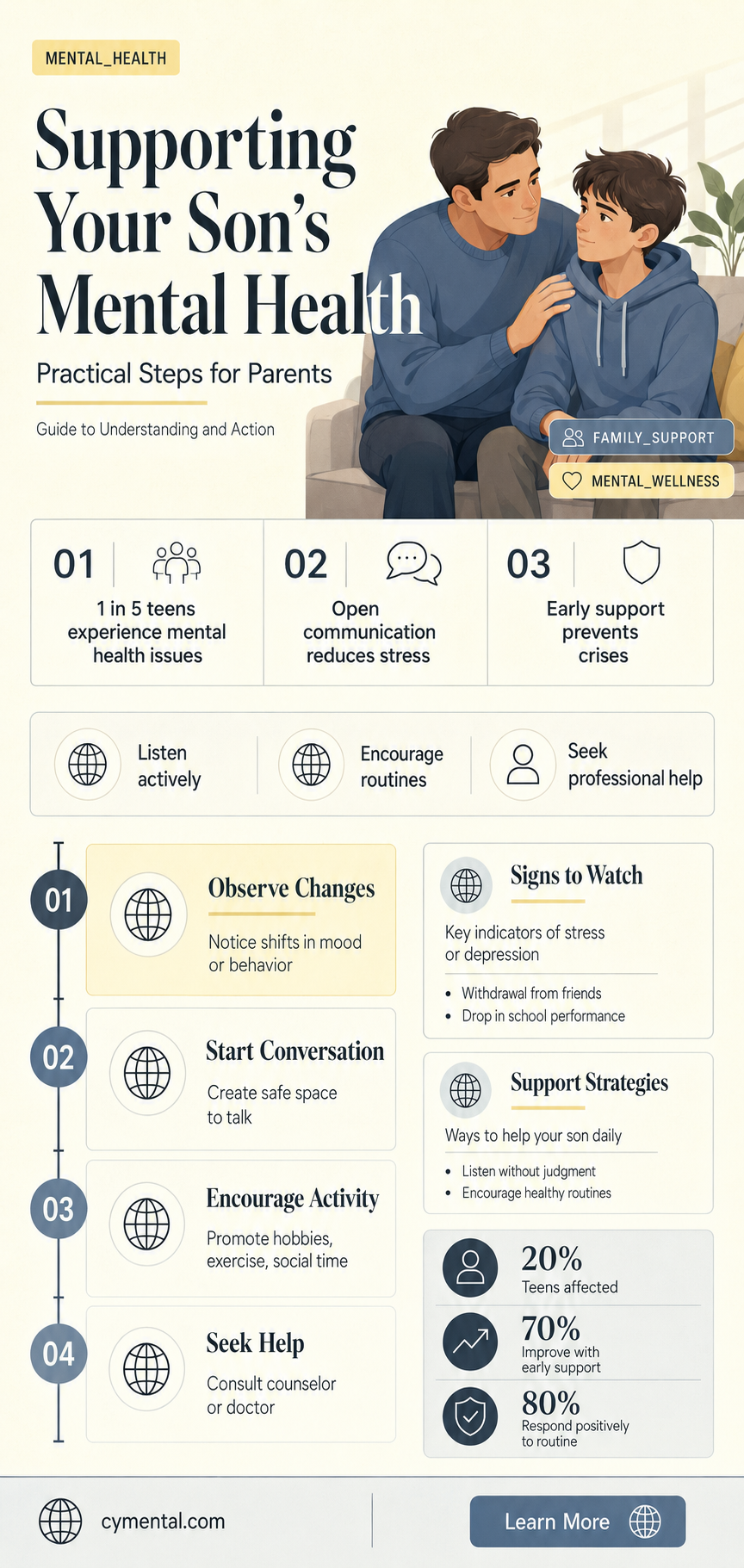
Supporting your son’s mental health is one of the most important roles you can play as a parent. Start by creating an open, non-judgmental environment where he feels safe to express his feelings and concerns. Listen actively without interrupting, and validate his emotions, even if you don’t fully understand them. Educate yourself about common mental health challenges in adolescents and stay attuned to any changes in his behavior, mood, or habits. Encourage healthy routines, such as regular sleep, balanced nutrition, and physical activity, as these can significantly impact mental well-being. Seek professional help if needed, whether through therapy, counseling, or medical advice, and involve your son in these decisions to empower him. Above all, let him know he is loved and supported unconditionally, and that seeking help is a sign of strength, not weakness.
Explore related products


$7.97 $18.99


What You'll Learn
- Encourage Open Communication: Create safe spaces for honest conversations about feelings and struggles
- Promote Healthy Habits: Support regular exercise, balanced diet, and consistent sleep routines
- Seek Professional Help: Consult therapists or counselors for expert guidance and treatment
- Limit Screen Time: Reduce exposure to social media and digital stressors
- Be a Role Model: Demonstrate positive coping strategies and emotional resilience daily

Encourage Open Communication: Create safe spaces for honest conversations about feelings and struggles
Adolescents often struggle to articulate their emotions, let alone share them with others. This silence can exacerbate mental health issues, creating a cycle of isolation and distress. To break this cycle, parents must actively foster an environment where their son feels safe to express himself without fear of judgment or punishment. Start by setting aside dedicated time for one-on-one conversations, free from distractions like phones or screens. For example, a 15-minute daily check-in during a car ride or before bedtime can signal that his feelings are a priority.
Consider the power of non-verbal cues in these interactions. Maintain eye contact, use open body language, and validate his emotions with phrases like, "It makes sense that you feel that way" or "Thank you for sharing that with me." Avoid the temptation to immediately offer solutions or downplay his concerns. Instead, reflect back what you hear to show understanding: "It sounds like you’re feeling overwhelmed with school right now—is that right?" This approach not only encourages him to open up but also models emotional intelligence.
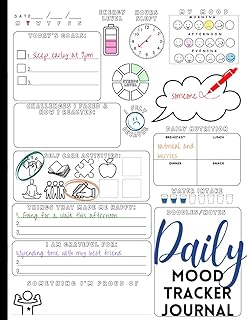
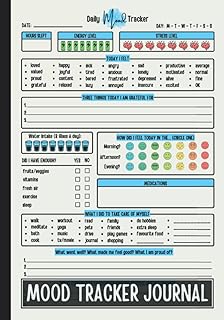
Practical tools can further support these conversations. For younger teens (ages 12–14), try using emotion charts or journals to help them identify and label feelings. For older teens (15+), consider incorporating structured questions like, "What’s one thing that made you feel proud this week?" or "What’s something you’re looking forward to?" These prompts can ease the pressure of starting a conversation from scratch. Additionally, normalize vulnerability by sharing age-appropriate examples of your own struggles, emphasizing how talking about them helped.
However, creating a safe space isn’t just about the conversation itself—it’s also about consistency and boundaries. Establish clear rules for discussions, such as "What’s said here stays here, unless someone’s safety is at risk." Be mindful of your reactions; if he shares something difficult, take a moment to process before responding. Over time, this predictability will build trust, making him more likely to confide in you during moments of crisis. Remember, the goal isn’t to fix his problems but to ensure he knows he’s not alone in facing them.
Finally, recognize that progress may be slow, especially if past attempts at communication have been met with resistance. Don’t force conversations if he’s not ready, but keep extending the invitation. Small, consistent efforts—like leaving a sticky note with "I’m here to listen" on his desk—can reinforce the message that you’re a safe person to turn to. By prioritizing open communication, you’re not just addressing his current mental health needs but also equipping him with lifelong skills for emotional resilience.
The Power of Friendship: How Friends Support Mental Health
You may want to see also
Explore related products





Promote Healthy Habits: Support regular exercise, balanced diet, and consistent sleep routines
Physical and mental health are inextricably linked, particularly during adolescence when the brain is still developing. Regular exercise, for instance, stimulates the release of endorphins, which act as natural stress relievers and mood boosters. Aim for at least 60 minutes of moderate to vigorous physical activity daily for children and adolescents, as recommended by the World Health Organization. This doesn’t have to mean structured sports; it could be cycling, dancing, or even active family outings like hiking. The key is consistency—make it a non-negotiable part of your son’s routine, not a chore.
A balanced diet is equally critical, as nutrients directly impact brain function and emotional regulation. Omega-3 fatty acids, found in fish, flaxseeds, and walnuts, are known to reduce symptoms of depression and anxiety. Similarly, complex carbohydrates like whole grains stabilize blood sugar levels, preventing mood swings. Limit processed foods and sugary snacks, which can cause energy crashes and irritability. Involve your son in meal planning or cooking to foster a sense of ownership over his nutrition. For younger teens, start with small changes, like swapping soda for infused water or adding a side of vegetables to meals.
Sleep is often the overlooked pillar of mental health, yet it’s essential for emotional resilience and cognitive function. Adolescents require 8–10 hours of sleep per night, but many fall short due to screen time, homework, or social pressures. Establish a bedtime routine that begins 30–60 minutes before lights out, including activities like reading or listening to calming music. Limit screen exposure at least an hour before bed, as blue light disrupts melatonin production. If your son struggles with insomnia, consider introducing relaxation techniques like deep breathing exercises or progressive muscle relaxation.
The challenge lies in integrating these habits into a teenager’s often chaotic life. Start by modeling these behaviors yourself; children are more likely to adopt healthy habits when they see them practiced consistently by parents. Use positive reinforcement rather than punishment—celebrate small wins, like a week of consistent exercise or trying a new vegetable. Be mindful of your language; frame these habits as tools for feeling better, not as fixes for problems. For example, say, “Let’s go for a walk to clear our heads,” instead of, “You need to exercise to stop being so moody.”
Finally, remember that perfection isn’t the goal. There will be days when the routine falters, and that’s okay. What matters is the long-term pattern. By prioritizing exercise, nutrition, and sleep, you’re not just addressing symptoms but building a foundation for lifelong mental resilience. These habits won’t solve every issue, but they’ll give your son the physical and emotional strength to navigate challenges more effectively.
Hydrogen Water and Mental Health: Exploring Potential Benefits and Science
You may want to see also
Explore related products





Seek Professional Help: Consult therapists or counselors for expert guidance and treatment
Recognizing when your son needs professional help for his mental health is a critical step in supporting his well-being. Mental health issues, such as anxiety, depression, or ADHD, often require expertise beyond what a parent can provide. Therapists and counselors are trained to diagnose, treat, and manage these conditions using evidence-based methods. While your love and support are invaluable, professional intervention can offer structured, tailored solutions that address the root causes of his struggles.
The first step in seeking professional help is identifying the right type of provider. Child psychologists specialize in developmental and behavioral issues, while psychiatrists can prescribe medication if needed. Licensed therapists or counselors often use modalities like cognitive-behavioral therapy (CBT) or play therapy, which are particularly effective for younger age groups. For adolescents, family therapy may also be recommended to improve communication and resolve conflicts. Research providers in your area, read reviews, and consider your son’s comfort level—some therapists specialize in working with specific age groups or issues.
Once you’ve chosen a professional, prepare your son for the process. Explain that therapy is a safe space to talk about feelings and challenges, not a punishment. Be honest but reassuring: “We’re doing this because we want to help you feel better.” Encourage him to ask questions and express concerns. Consistency is key—attend sessions regularly, even if progress seems slow. Therapy often takes time, and skipping appointments can disrupt the therapeutic relationship.
While professional help is essential, it’s equally important to monitor your son’s progress and collaborate with the therapist. Keep an open line of communication with the provider, especially if you notice changes in behavior or mood. Be mindful of potential red flags, such as increased withdrawal, aggression, or self-harm tendencies, which may require immediate attention. Additionally, avoid over-relying on medication without complementary therapy, as a holistic approach often yields the best outcomes.
Finally, remember that seeking professional help is a sign of strength, not failure. Mental health challenges are common, and early intervention can prevent long-term issues. By partnering with experts, you’re equipping your son with tools to navigate his emotions, build resilience, and thrive. Your role as a supportive parent, combined with professional guidance, creates a powerful foundation for his mental well-being.
Reporting Mental Health Associations: When Help Falls Short, What Next?
You may want to see also
Explore related products


Limit Screen Time: Reduce exposure to social media and digital stressors
Excessive screen time, particularly on social media, has been linked to increased anxiety, depression, and poor sleep in adolescents. A 2021 study by the American Psychological Association found that teens who spent more than three hours a day on social media were more likely to report mental health issues. This isn’t about demonizing technology but recognizing its impact on developing brains.
Start by setting clear, age-appropriate limits. For children under 12, the American Academy of Pediatrics recommends no more than one to two hours of screen time daily, excluding educational content. For teens, aim for a maximum of two hours of recreational screen time, with at least one hour before bed being screen-free. Use built-in device settings or apps like Screen Time (iOS) or Digital Wellbeing (Android) to monitor and enforce these limits.
Be strategic about *when* screens are used. Blue light from screens disrupts melatonin production, so banning devices at least an hour before bedtime can improve sleep quality. Encourage offline activities during this time, such as reading, journaling, or family conversations. Also, designate tech-free zones, like the dinner table or bedrooms, to create boundaries that foster real-world connections and reduce digital stress.
Model healthy screen habits yourself. Children learn by example, so if you’re constantly on your phone, they’ll mirror that behavior. Share your own struggles with social media or digital overload and discuss how you manage them. This not only sets a positive example but also opens a dialogue about the challenges of balancing technology and mental well-being.
Finally, replace screen time with activities that promote mental health. Physical exercise, creative hobbies, or mindfulness practices like meditation can reduce stress and improve mood. For example, a 2019 study in *The Lancet Psychiatry* found that just one hour of physical activity per week can prevent depression in adolescents. By redirecting their focus, you’re not just limiting harm but actively building resilience.
Reading for Resilience: How Books Boost Mental Health and Well-Being
You may want to see also
Explore related products




Be a Role Model: Demonstrate positive coping strategies and emotional resilience daily
Children learn more from what we do than what we say. If you want to help your son develop healthy coping mechanisms and emotional resilience, start by examining your own behaviors. Do you handle stress by lashing out, withdrawing, or turning to unhealthy habits? Or do you model calm problem-solving, self-care, and emotional expression? Research shows that parental modeling of emotional regulation is one of the strongest predictors of a child’s ability to manage their own emotions. For instance, a study published in *Developmental Psychology* found that adolescents whose parents demonstrated constructive coping strategies were more likely to adopt similar behaviors during challenging situations.
To begin, identify one or two positive coping strategies you can consistently practice in front of your son. For example, if you’re feeling overwhelmed, verbalize your emotions and the steps you’re taking to address them: “I’m feeling stressed about this deadline, so I’m going to take a 10-minute walk to clear my head.” This not only teaches him how to label emotions but also provides a blueprint for healthy stress management. For younger children (ages 5–12), keep it simple and visual—use a feelings chart or a “calm-down corner” to show how you pause and regroup when upset. For teenagers, engage in shared activities like journaling, meditation, or exercise to normalize self-care as a family practice.
However, modeling isn’t just about what you do—it’s also about how you respond to setbacks. Emotional resilience is built through witnessing how others recover from failure or disappointment. When you make a mistake, own it openly and discuss how you plan to move forward. For example, if you lose your temper, apologize and explain how you’ll handle similar situations differently in the future. This teaches your son that imperfection is human and that resilience lies in the ability to adapt and try again. A caution: avoid over-explaining or justifying negative behaviors, as this can inadvertently normalize unhealthy patterns.
Finally, be mindful of the subtle ways you communicate about emotions. Phrases like “toughen up” or “don’t cry” can unintentionally discourage emotional expression, while validating statements such as “It’s okay to feel sad” foster openness. Pair this with actionable advice: “When I feel sad, I like to draw or listen to music—what do you think might help you?” By combining emotional validation with practical strategies, you create a safe space for your son to explore his own coping mechanisms while learning from your example. Remember, the goal isn’t perfection but consistency—small, daily demonstrations of resilience that accumulate into lifelong habits.
Sunlight and Mental Health: Unlocking Nature's Mood-Boosting Benefits
You may want to see also
Frequently asked questions
Choose a calm, private moment and use open-ended questions like, "How are you feeling lately?" or "Is there anything on your mind?" Listen without judgment, validate their emotions, and let them know you’re there to support them.
Look for changes in behavior, such as withdrawal from social activities, mood swings, difficulty concentrating, changes in sleep or appetite, or expressions of hopelessness. Persistent sadness, anger, or anxiety are also red flags.
Offer support while respecting their boundaries. Let them know you’re available to talk or help, but don’t force the issue. Encourage healthy habits like exercise, sleep, and time with friends, and consider seeking professional guidance if needed.
Be patient and empathetic. Explain that seeking help is a sign of strength, not weakness. Offer to accompany them to an appointment or suggest starting with a trusted school counselor or online resource. Keep the lines of communication open and reassure them of your support.