Madison Cole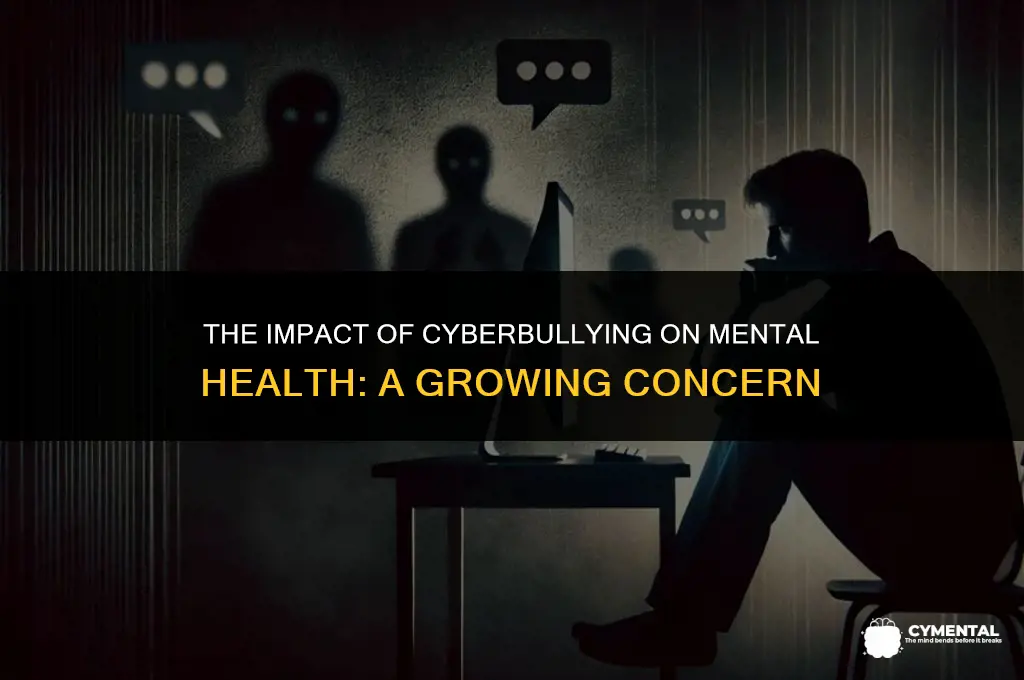
Cyberbullying, a pervasive issue in the digital age, has profound implications for mental health. With the rise of social media and online platforms, individuals are increasingly exposed to harassment, threats, and humiliation in virtual spaces. This form of bullying transcends physical boundaries, allowing perpetrators to target victims relentlessly and anonymously. The constant barrage of negative messages and the fear of social exclusion can lead to severe psychological distress, including anxiety, depression, and even suicidal ideation. Moreover, the permanence of online content means that the impact of cyberbullying can be long-lasting, affecting victims' self-esteem and social interactions well into adulthood. It is crucial to address this issue through education, awareness campaigns, and the implementation of effective policies to protect individuals from the harmful effects of cyberbullying on their mental well-being.
| Characteristics | Values |
|---|---|
| Increased anxiety | Victims of cyberbullying often experience heightened levels of anxiety due to constant fear of being harassed or humiliated online. |
| Depression | Cyberbullying can lead to feelings of isolation, worthlessness, and sadness, contributing to the development of depression. |
| Low self-esteem | Repeated negative comments and criticism can erode a person's self-confidence and self-worth. |
| Sleep disturbances | The stress and anxiety caused by cyberbullying can disrupt sleep patterns, leading to insomnia or excessive sleepiness. |
| Avoidance behaviors | Victims may avoid social situations, both online and offline, to escape the bullying, which can further isolate them. |
| Suicidal thoughts | In severe cases, cyberbullying can lead to suicidal ideation, as victims feel overwhelmed and hopeless. |
| Difficulty concentrating | The emotional turmoil caused by cyberbullying can impair cognitive functions, making it hard to focus and concentrate. |
| Physical symptoms | Stress from cyberbullying can manifest in physical ways, such as headaches, stomachaches, and muscle tension. |
| Social withdrawal | Victims may withdraw from friends and family, leading to increased loneliness and social isolation. |
| Decreased academic performance | The emotional and psychological impact of cyberbullying can negatively affect a victim's ability to perform well in school or other academic settings. |
Explore related products


What You'll Learn
- Anxiety and Depression: Cyberbullying victims often experience heightened anxiety and depression due to constant harassment
- Self-Esteem Issues: Repeated negative comments online can significantly lower an individual's self-esteem and self-worth
- Social Isolation: Fear of further bullying can lead victims to withdraw from social interactions, both online and offline
- Sleep Disturbances: The stress of cyberbullying can cause insomnia or other sleep-related problems, affecting overall health
- Suicidal Thoughts: In severe cases, cyberbullying can lead to suicidal ideation, particularly among vulnerable populations like teenagers

Anxiety and Depression: Cyberbullying victims often experience heightened anxiety and depression due to constant harassment
Cyberbullying victims often experience heightened anxiety and depression due to constant harassment. This relentless barrage of negative messages and threats can lead to a state of hypervigilance, where individuals are constantly on edge, anticipating the next attack. Over time, this can result in chronic anxiety, characterized by persistent worry, fear, and a sense of impending doom.
Depression can also set in as victims begin to feel hopeless and helpless in the face of their tormentors. The constant criticism and humiliation can erode self-esteem and self-worth, leading to feelings of isolation and despair. In severe cases, cyberbullying can even contribute to suicidal ideation and attempts.
One of the unique aspects of cyberbullying-related anxiety and depression is the way it can permeate every aspect of a person's life. Unlike traditional bullying, which may be confined to school or work, cyberbullying can follow victims everywhere they go, thanks to the ubiquity of technology. This can make it difficult for individuals to find respite or escape from their tormentors, exacerbating feelings of anxiety and depression.
Furthermore, cyberbullying can have a profound impact on sleep patterns, which can further contribute to anxiety and depression. Victims may experience insomnia or hypersomnia, as the stress of constant harassment disrupts their ability to fall asleep or stay asleep. This can lead to fatigue, irritability, and difficulty concentrating, which can further exacerbate mental health issues.
It is essential for victims of cyberbullying to seek support and treatment for their anxiety and depression. This may include therapy, medication, or a combination of both. Additionally, victims should be encouraged to report cyberbullying incidents to the appropriate authorities and to take steps to protect themselves online, such as blocking harassers and using privacy settings. By addressing the root causes of cyberbullying and providing victims with the support they need, we can help to mitigate the devastating impact it can have on mental health.
The Impact of Vaping on Mental Health: A Comprehensive Guide
You may want to see also
Explore related products


Self-Esteem Issues: Repeated negative comments online can significantly lower an individual's self-esteem and self-worth
Repeated negative comments online can significantly lower an individual's self-esteem and self-worth. This is particularly true for adolescents and young adults who are still developing their sense of identity and are more susceptible to the opinions of others. Cyberbullying can take many forms, including direct insults, rumors, and exclusion from online groups or activities. These behaviors can lead to feelings of isolation, anxiety, and depression, as well as a decreased sense of self-worth.
One of the most insidious aspects of cyberbullying is that it can be difficult to escape. Unlike traditional bullying, which may be limited to specific times and places, cyberbullying can occur at any time and from any location. This constant barrage of negative messages can wear down an individual's defenses and lead to a persistent sense of low self-esteem. Furthermore, the anonymity of the internet can embolden bullies, making them more likely to engage in harmful behavior without fear of consequences.
The impact of cyberbullying on self-esteem can have long-lasting effects. Individuals who experience cyberbullying may develop a negative self-image that can persist into adulthood, affecting their relationships, career prospects, and overall well-being. It is essential to address cyberbullying early and provide support to those who are affected. This can include educating young people about the dangers of cyberbullying, encouraging them to report incidents, and providing access to mental health resources.
In addition to the psychological impact, cyberbullying can also have physical consequences. Chronic stress and anxiety can lead to a range of health problems, including headaches, stomachaches, and sleep disturbances. In extreme cases, cyberbullying can even lead to suicidal thoughts and behaviors. It is crucial to recognize the signs of cyberbullying and take steps to prevent it from occurring in the first place.
Prevention strategies can include promoting positive online behaviors, such as kindness and empathy, and encouraging young people to think critically about the messages they receive online. Parents, educators, and policymakers also have a role to play in creating a safer online environment. This can involve implementing anti-bullying policies, providing training for educators, and working with social media companies to develop more effective reporting and moderation tools.
Ultimately, addressing the issue of cyberbullying and its impact on self-esteem requires a multifaceted approach. By raising awareness, providing support, and promoting positive online behaviors, we can help to create a safer and more supportive environment for all young people.
Digital Detox: Unraveling the Impact of Screen Time on Mental Health
You may want to see also
Explore related products


Social Isolation: Fear of further bullying can lead victims to withdraw from social interactions, both online and offline
Victims of cyberbullying often experience a profound sense of isolation, as the fear of further harassment leads them to withdraw from social interactions. This withdrawal can manifest both online and offline, significantly impacting their mental health and well-being. The constant barrage of negative messages and the fear of being judged or ridiculed can create a pervasive sense of loneliness and disconnection from peers.
In the online realm, victims may stop participating in social media platforms, online forums, or gaming communities where they once felt a sense of belonging. They may delete their profiles, avoid messaging friends, or refrain from posting content, all in an effort to minimize the risk of further bullying. This digital withdrawal can lead to a loss of social support networks and exacerbate feelings of isolation.
Offline, the effects can be equally devastating. Victims may avoid social gatherings, school events, or extracurricular activities, fearing that their online tormentors will mock or humiliate them in person. They may also withdraw from existing friendships, fearing that their peers will judge them or that the bullying will spread to their friends. This self-imposed isolation can lead to a decline in academic performance, physical health, and overall life satisfaction.
The fear of further bullying can also lead to a vicious cycle of social isolation. As victims withdraw from social interactions, they may become more depressed, anxious, or lonely, which in turn can make them more vulnerable to future bullying incidents. This cycle can be difficult to break, as victims may feel trapped in a situation where they are constantly on guard against potential threats.
Breaking this cycle requires a multifaceted approach. Victims need support from parents, educators, and mental health professionals to address the underlying fear and anxiety that drives their social withdrawal. They also need opportunities to rebuild their social skills and confidence in a safe and supportive environment. By providing victims with the tools and resources they need to overcome their fear of further bullying, we can help them re-engage with their peers and rebuild their social connections, both online and offline.
Revitalize Your Mind: The Impact of Interior Design on Mental Health
You may want to see also
Explore related products


Sleep Disturbances: The stress of cyberbullying can cause insomnia or other sleep-related problems, affecting overall health
The relentless nature of cyberbullying can lead to a constant state of hypervigilance, making it difficult for individuals to 'switch off' and relax, especially during the night. This heightened state of alertness can result in insomnia, where individuals struggle to fall asleep or stay asleep throughout the night. Over time, this lack of restorative sleep can have a significant impact on both physical and mental health, leading to issues such as fatigue, weakened immune system, and increased risk of developing chronic conditions like heart disease and diabetes.
Research has shown that the blue light emitted from screens can interfere with the production of melatonin, the hormone responsible for regulating sleep-wake cycles. This means that individuals who spend a lot of time on their devices, particularly in the evening, may find it harder to fall asleep. Furthermore, the stress and anxiety caused by cyberbullying can lead to the release of cortisol, a hormone that can disrupt sleep patterns and make it difficult to relax.
It's important to note that sleep disturbances can also exacerbate the mental health effects of cyberbullying. Lack of sleep can increase feelings of anxiety and depression, making it harder for individuals to cope with the emotional impact of cyberbullying. This can create a vicious cycle, where the stress of cyberbullying leads to sleep disturbances, which in turn worsen the mental health effects of cyberbullying.
To mitigate the impact of cyberbullying on sleep, it's essential to establish healthy sleep habits. This can include creating a relaxing bedtime routine, avoiding screens for at least an hour before bed, and ensuring that the bedroom is a comfortable and quiet environment conducive to sleep. Additionally, individuals who are experiencing cyberbullying should seek support from friends, family, or a mental health professional to address the underlying issues and develop strategies for coping with the stress and anxiety it can cause.
Understanding Grief's Impact: How Loss Affects Mental Health
You may want to see also
Explore related products


![Mental [DVD]](https://m.media-amazon.com/images/I/81fIDaPIXTL._AC_UY218_.jpg)

Suicidal Thoughts: In severe cases, cyberbullying can lead to suicidal ideation, particularly among vulnerable populations like teenagers
Cyberbullying can have devastating consequences on mental health, particularly among vulnerable populations like teenagers. In severe cases, the relentless harassment and humiliation can lead to suicidal ideation. This is a critical issue that demands attention and action.
Research has shown that teenagers who experience cyberbullying are more likely to develop suicidal thoughts and behaviors. The constant barrage of negative messages, threats, and insults can erode self-esteem and create a sense of hopelessness. This is especially true for teenagers who may already be struggling with mental health issues or who lack strong support systems.
One of the challenges in addressing this issue is that cyberbullying often occurs in a virtual space, making it difficult for parents, teachers, and other authority figures to detect and intervene. Teenagers may also be reluctant to report cyberbullying due to fear of retaliation or embarrassment. This can lead to a vicious cycle where the bullying continues unchecked, further exacerbating the victim's mental health struggles.
It is essential to educate teenagers about the dangers of cyberbullying and to provide them with resources and support to cope with this issue. This includes teaching them how to recognize the signs of cyberbullying, how to report it, and how to seek help if they are experiencing suicidal thoughts. Parents and educators must also be vigilant in monitoring for signs of cyberbullying and in creating safe, supportive environments where teenagers feel comfortable seeking help.
In addition to these preventive measures, it is crucial to address the root causes of cyberbullying. This includes promoting empathy and respect among teenagers, as well as addressing the societal pressures that contribute to bullying behavior. By working together to create a culture of kindness and support, we can help to reduce the incidence of cyberbullying and its devastating consequences on mental health.
The Impact of Bullying on Mental Health: A Comprehensive Guide
You may want to see also
Frequently asked questions
The immediate effects of cyberbullying on mental health can include increased anxiety, depression, and stress levels. Victims may experience a sudden drop in self-esteem and confidence, and may become withdrawn or isolated.
Yes, prolonged exposure to cyberbullying can lead to long-term mental health issues such as chronic depression, anxiety disorders, and even post-traumatic stress disorder (PTSD). It can also contribute to the development of suicidal thoughts and behaviors.
Cyberbullying can significantly disrupt the sleep patterns of victims. The stress and anxiety caused by bullying can lead to insomnia, nightmares, and other sleep disturbances, which can further exacerbate mental health issues.
Social media platforms have a responsibility to address cyberbullying by implementing policies and tools to prevent and respond to bullying behavior. This includes providing users with the ability to report bullying, and taking swift action to remove harmful content and suspend or ban bullies.
Parents and educators can help prevent cyberbullying by educating children and students about the harmful effects of bullying, promoting positive online behavior, and monitoring online activities. They can also support victims by providing a safe and supportive environment, listening to their concerns, and helping them access resources and support services.