Harper Lewis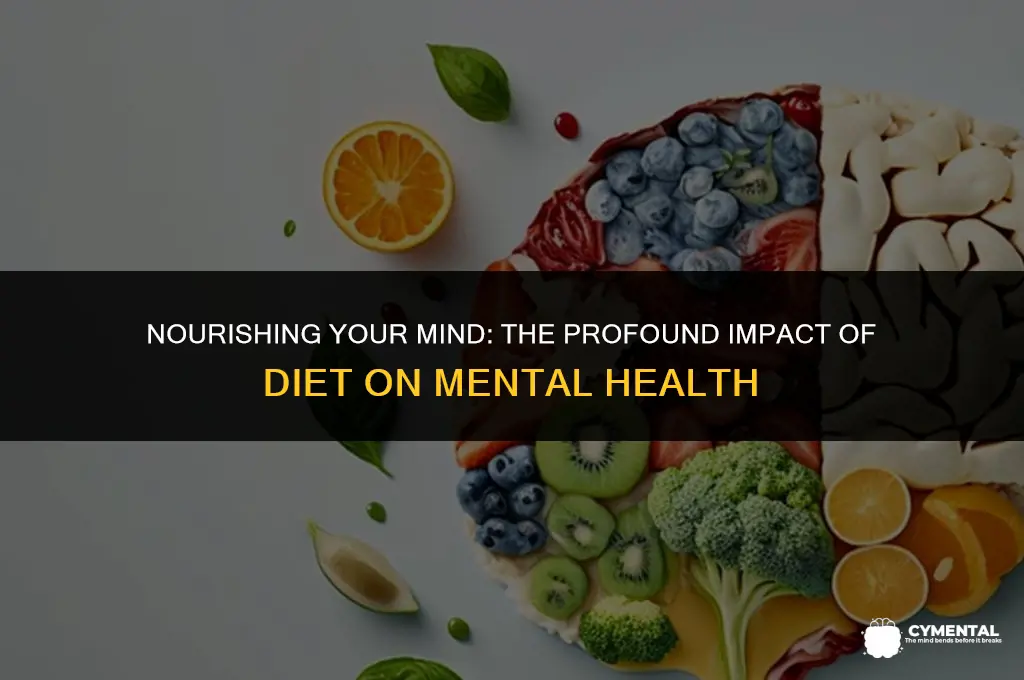
The relationship between diet and mental health is a complex and multifaceted one. Research has shown that the food we eat can have a significant impact on our mood, cognitive function, and overall mental wellbeing. A diet rich in whole foods, such as fruits, vegetables, whole grains, and lean proteins, has been linked to improved mental health outcomes, including reduced symptoms of depression and anxiety. On the other hand, a diet high in processed foods, sugar, and unhealthy fats can have negative effects on mental health. Understanding the mechanisms by which diet influences mental health is crucial for developing effective interventions and promoting overall wellbeing.
| Characteristics | Values |
|---|---|
| Nutrient Intake | Adequate intake of vitamins, minerals, and essential fatty acids is crucial for optimal brain function and mental health. Deficiencies can lead to symptoms such as fatigue, irritability, and cognitive impairment. |
| Balanced Diet | Consuming a balanced diet that includes a variety of fruits, vegetables, whole grains, lean proteins, and healthy fats can help support mental health by providing the necessary nutrients for brain function and reducing inflammation. |
| Sugar Consumption | High sugar intake has been linked to an increased risk of depression and anxiety. Limiting added sugars and refined carbohydrates can help stabilize blood sugar levels and improve mood. |
| Hydration | Staying properly hydrated is essential for cognitive function and overall well-being. Dehydration can lead to symptoms such as headaches, fatigue, and difficulty concentrating. |
| Gut Health | The gut-brain axis is a bidirectional communication system between the gut microbiome and the central nervous system. A healthy gut microbiome is important for mental health, and consuming probiotic-rich foods or supplements can help support this connection. |
| Caffeine and Alcohol | Excessive caffeine and alcohol consumption can negatively impact mental health by disrupting sleep patterns, increasing anxiety, and exacerbating symptoms of depression. Moderation is key when it comes to these substances. |
| Meal Timing and Frequency | Regular meal timing and frequency can help maintain stable blood sugar levels and prevent mood swings. Skipping meals or eating irregularly can lead to symptoms such as irritability and fatigue. |
| Food Sensitivities | Some individuals may have food sensitivities or allergies that can contribute to mental health symptoms. Identifying and avoiding trigger foods can help improve mood and overall well-being. |
Explore related products



What You'll Learn
- Nutrient Deficiencies: Lack of essential nutrients like vitamin D, B12, and omega-3 can exacerbate mental health issues
- Gut-Brain Axis: The gut microbiome influences mental health through the vagus nerve and immune system pathways
- Sugar and Mood: High sugar intake can lead to mood swings, anxiety, and depression due to blood sugar fluctuations
- Caffeine's Impact: Excessive caffeine consumption may cause or worsen anxiety, insomnia, and mood disturbances
- Hydration and Cognition: Dehydration can impair cognitive function, concentration, and mood, highlighting the importance of adequate water intake

Nutrient Deficiencies: Lack of essential nutrients like vitamin D, B12, and omega-3 can exacerbate mental health issues
Vitamin D, often referred to as the "sunshine vitamin," plays a crucial role in maintaining mental health. Research has shown that a deficiency in vitamin D can lead to an increased risk of depression, anxiety, and other mood disorders. This is because vitamin D is involved in the synthesis of neurotransmitters like serotonin and dopamine, which are essential for regulating mood. During the winter months, when sunlight exposure is limited, it's particularly important to ensure adequate vitamin D intake through diet or supplementation.
B vitamins, especially B12, are vital for brain function and the production of red blood cells. A lack of B12 can result in symptoms such as fatigue, memory problems, and mood disturbances. Vegetarians and vegans are at a higher risk of B12 deficiency since this vitamin is primarily found in animal products. To combat this, incorporating B12-fortified foods or taking a supplement can be beneficial.
Omega-3 fatty acids, found predominantly in fatty fish, flaxseeds, and walnuts, are essential for brain health. They play a role in reducing inflammation and promoting the function of neurotransmitters. Studies have indicated that a deficiency in omega-3s can contribute to depression, ADHD, and other mental health conditions. Including omega-3-rich foods in your diet or considering a fish oil supplement can help maintain optimal brain function.
It's important to note that while these nutrients are crucial, they should not replace a balanced diet. A holistic approach to nutrition, including a variety of fruits, vegetables, whole grains, and lean proteins, is essential for overall mental health. Additionally, consulting with a healthcare professional before starting any new supplements is recommended to ensure they are appropriate for your individual needs.
Understanding Grief's Impact: How Loss Affects Mental Health
You may want to see also
Explore related products

$14.59 $18.99


Gut-Brain Axis: The gut microbiome influences mental health through the vagus nerve and immune system pathways
The gut-brain axis represents a bidirectional communication network between the gastrointestinal tract and the central nervous system. This intricate relationship is facilitated primarily through the vagus nerve, a major neural pathway that connects the brain to various organs in the body, including the gut. The vagus nerve acts as a conduit for signals that travel from the gut to the brain, influencing mental health and cognitive function.
In addition to neural pathways, the immune system plays a crucial role in the gut-brain axis. The gut is home to a vast array of microorganisms, collectively known as the gut microbiome. These microbes produce metabolites and other compounds that can affect immune responses, which in turn impact brain function and mental health. For instance, certain bacteria in the gut can produce short-chain fatty acids (SCFAs) like butyrate, propionate, and acetate, which have been shown to have anti-inflammatory effects and improve mood.
Research has demonstrated that alterations in the gut microbiome can lead to changes in mental health. For example, studies have found that individuals with depression and anxiety often have different gut microbiome compositions compared to healthy controls. This suggests that the gut microbiome may play a role in the development and progression of these mental health disorders.
Understanding the gut-brain axis and its implications for mental health can lead to novel therapeutic approaches. For instance, probiotics and prebiotics, which are designed to modulate the gut microbiome, have shown promise in improving mental health outcomes. Additionally, dietary interventions that target the gut microbiome, such as increasing fiber intake or reducing sugar consumption, may offer potential benefits for mental well-being.
In conclusion, the gut-brain axis highlights the complex interplay between the gut microbiome, the vagus nerve, and the immune system in influencing mental health. This knowledge opens up new avenues for understanding and treating mental health disorders, emphasizing the importance of considering the gut-brain connection in holistic approaches to health and well-being.
The Impact of Procrastination on Mental Health: A Comprehensive Guide
You may want to see also
Explore related products


$14.26 $24.99


Sugar and Mood: High sugar intake can lead to mood swings, anxiety, and depression due to blood sugar fluctuations
The consumption of sugar has a profound impact on our mental well-being, particularly in terms of mood regulation. High sugar intake can lead to rapid fluctuations in blood sugar levels, which in turn can cause mood swings, anxiety, and even depression. This is because sugar triggers the release of dopamine, a neurotransmitter associated with pleasure and reward, which can lead to a temporary feeling of euphoria. However, this is often followed by a crash, leaving individuals feeling irritable, fatigued, and prone to anxiety.
Furthermore, a diet high in sugar can lead to chronic inflammation, which has been linked to various mental health disorders, including depression. Inflammation can impair the function of neurotransmitters and disrupt the blood-brain barrier, allowing harmful substances to enter the brain and exacerbate mental health issues.
It is also important to note that sugar can have a significant impact on sleep quality. Consuming sugar close to bedtime can lead to disrupted sleep patterns, which can further contribute to mood imbalances and anxiety. Poor sleep quality can also lead to increased cravings for sugar, creating a vicious cycle that can be difficult to break.
To mitigate the negative effects of sugar on mental health, it is essential to adopt a balanced diet that is low in refined sugars and high in whole, nutrient-dense foods. This can include fruits, vegetables, whole grains, lean proteins, and healthy fats. Additionally, regular exercise, stress management techniques, and adequate sleep are crucial for maintaining optimal mental health.
In conclusion, the relationship between sugar and mood is complex and multifaceted. While sugar may provide a temporary boost in mood, its long-term effects can be detrimental to mental health. By adopting a balanced diet and lifestyle, individuals can take steps to mitigate the negative impacts of sugar and promote overall well-being.
Exploring the Impact of Culture on Mental Health: A Comprehensive Guide
You may want to see also
Explore related products


Caffeine's Impact: Excessive caffeine consumption may cause or worsen anxiety, insomnia, and mood disturbances
Caffeine, a stimulant found in coffee, tea, chocolate, and various energy drinks, is widely consumed for its ability to increase alertness and improve concentration. However, excessive caffeine intake has been linked to several mental health issues, including anxiety, insomnia, and mood disturbances. Understanding the impact of caffeine on mental health is crucial for making informed dietary choices.
Research indicates that high caffeine consumption can exacerbate anxiety symptoms in individuals who are already prone to anxiety disorders. The stimulant properties of caffeine can lead to increased heart rate, restlessness, and nervousness, which can be particularly problematic for those with pre-existing anxiety conditions. Moreover, caffeine can interfere with the body's natural sleep-wake cycle, leading to insomnia and disrupted sleep patterns. This can further contribute to heightened anxiety levels and mood instability.
In addition to its effects on anxiety and sleep, excessive caffeine intake can also impact mood regulation. Studies have shown that high caffeine consumption can lead to mood swings, irritability, and even depressive symptoms in some individuals. This is particularly concerning for adolescents and young adults, who are more susceptible to the negative effects of caffeine due to their developing brains.
To mitigate the potential negative impacts of caffeine on mental health, it is recommended to limit daily caffeine intake to moderate levels. The American Psychological Association suggests that adults should consume no more than 400 milligrams of caffeine per day, which is equivalent to about four cups of brewed coffee. It is also advisable to avoid consuming caffeine late in the day, as it can interfere with sleep quality.
In conclusion, while caffeine can provide temporary benefits such as increased alertness and improved concentration, excessive consumption can have detrimental effects on mental health. By being mindful of caffeine intake and making informed dietary choices, individuals can better manage their mental well-being and reduce the risk of anxiety, insomnia, and mood disturbances associated with high caffeine consumption.
The Impact of Cyberbullying on Mental Health: A Growing Concern
You may want to see also
Explore related products
![The Food-Mood Connection: Nutrition-based and Environmental Approaches to Mental Health and Physical Wellbeing by Gary Null, Amy McDonald [Seven Stories Press, 2008] (Paperback) 2nd Edition [Paperback]](https://m.media-amazon.com/images/I/21cNVkzivEL._AC_UY218_.jpg)


Hydration and Cognition: Dehydration can impair cognitive function, concentration, and mood, highlighting the importance of adequate water intake
Our brains are composed of approximately 75% water, making hydration crucial for optimal cognitive function. Even mild dehydration, as little as 1-2% loss of body water, can significantly impair concentration, memory, and mood. This is because water plays a vital role in maintaining the balance of electrolytes and nutrients in our brain cells, which are essential for proper neural communication and cognitive processing.
Studies have shown that dehydration can lead to decreased performance in tasks requiring attention, memory, and executive function. For example, a study published in the Journal of Nutrition found that dehydrated individuals performed worse on cognitive tests, including reaction time and memory recall, compared to their hydrated counterparts. Furthermore, dehydration has been linked to increased feelings of anxiety, stress, and fatigue, which can further exacerbate cognitive decline.
To maintain optimal cognitive function, it's essential to prioritize adequate water intake throughout the day. The general recommendation is to drink at least 8 cups (64 ounces) of water daily, but individual needs may vary depending on factors such as age, gender, physical activity level, and environmental conditions. It's also important to note that not all fluids are created equal – sugary drinks and caffeinated beverages can actually contribute to dehydration, so it's best to stick to water or other hydrating, low-sugar options.
In addition to drinking enough water, it's also important to be mindful of the signs of dehydration, which can include thirst, dry mouth, fatigue, dizziness, and dark urine. If you experience any of these symptoms, it's a good indication that you need to increase your water intake. By staying properly hydrated, you can help support your cognitive health and overall well-being.
In conclusion, the link between hydration and cognition is undeniable. Dehydration can have a significant impact on our cognitive function, concentration, and mood, making it essential to prioritize adequate water intake as part of a healthy lifestyle. By staying hydrated, we can help support our brain health and improve our overall mental performance.
The Impact of Bullying on Mental Health: A Comprehensive Guide
You may want to see also
Frequently asked questions
Your diet has a significant impact on your mental health. Consuming a balanced diet rich in fruits, vegetables, whole grains, and lean proteins can help improve mood, reduce symptoms of depression and anxiety, and support overall brain function. Conversely, a diet high in processed foods, sugar, and unhealthy fats can negatively impact mental health, leading to increased inflammation, oxidative stress, and a higher risk of developing mental health disorders.
Several nutrients play a crucial role in maintaining good mental health. These include omega-3 fatty acids, which are found in fatty fish and flaxseeds, and are important for brain function and mood regulation. B vitamins, particularly B6, B9 (folate), and B12, are essential for neurotransmitter synthesis and energy production. Additionally, vitamin D, which can be obtained through sunlight exposure and fortified foods, is important for mood regulation and cognitive function.
Yes, certain foods can exacerbate mental health symptoms. Foods high in sugar and refined carbohydrates can lead to blood sugar spikes and crashes, which can worsen mood and energy levels. Processed foods that are high in unhealthy fats and low in nutrients can contribute to inflammation and oxidative stress, which are linked to depression and anxiety. Additionally, foods containing artificial additives, such as artificial sweeteners and MSG, have been shown to negatively impact mood and cognitive function in some individuals.
To improve your mental health through diet, focus on consuming a variety of nutrient-dense foods. Incorporate plenty of fruits, vegetables, whole grains, and lean proteins into your meals. Consider adding foods rich in omega-3 fatty acids, such as fatty fish or flaxseeds, to your diet. Limit your intake of processed foods, sugar, and unhealthy fats, and opt for whole, minimally processed foods whenever possible. Additionally, staying hydrated by drinking plenty of water can also support mental health and cognitive function.
While it's always best to obtain nutrients through whole foods, some dietary supplements may be beneficial for mental health. Omega-3 fatty acid supplements, particularly EPA and DHA, have been shown to improve mood and reduce symptoms of depression. B vitamin supplements, especially B6, B9, and B12, can also be helpful for supporting neurotransmitter synthesis and energy production. Additionally, vitamin D supplements may be beneficial for individuals who are deficient in this nutrient. However, it's important to consult with a healthcare professional before starting any new supplements, as they can interact with medications and may not be appropriate for everyone.