Harper Lewis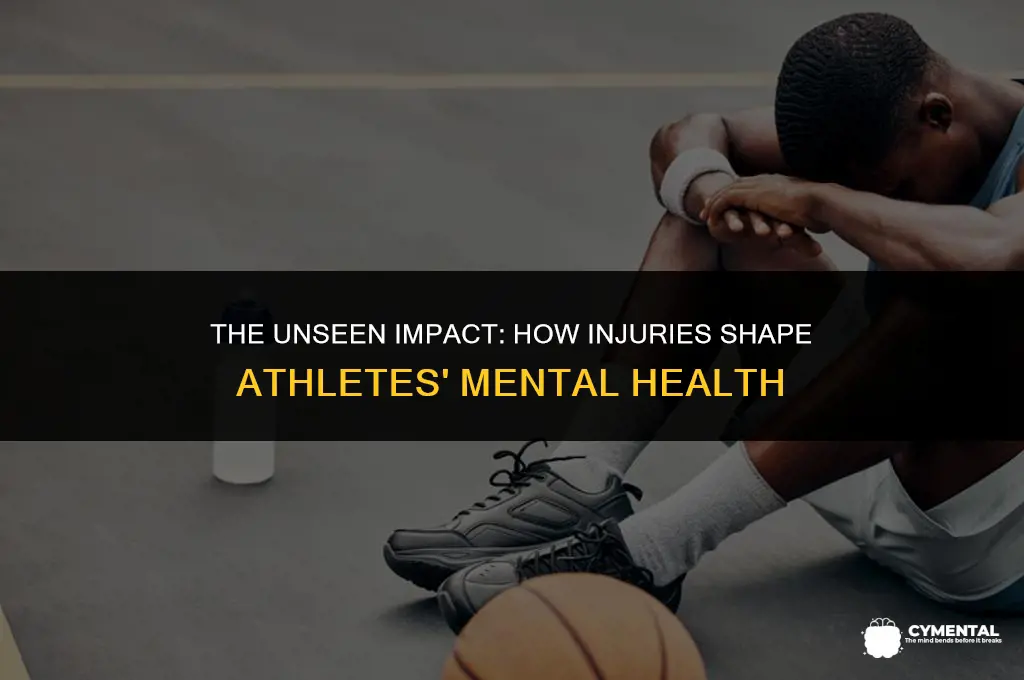
Injuries can have a profound impact on an athlete's mental health, often leading to a complex interplay of physical and psychological challenges. When athletes suffer injuries, they may experience a range of emotions, from frustration and disappointment to anxiety and depression. These emotional responses can be exacerbated by the pressure to return to competition quickly, the fear of re-injury, and the potential loss of identity that comes with being sidelined. Furthermore, injuries can disrupt an athlete's routine, leading to feelings of isolation and disconnection from their team and sport. Understanding the mental health implications of injuries is crucial for providing comprehensive support to athletes, helping them navigate the recovery process, and promoting their overall well-being.
| Characteristics | Values |
|---|---|
| Physical pain | Acute or chronic pain can lead to distress and anxiety |
| Emotional impact | Injuries can cause feelings of frustration, anger, and sadness |
| Identity disruption | Athletes may struggle with their sense of self and purpose when unable to compete |
| Social isolation | Injuries can lead to decreased social interaction with teammates and friends |
| Fear of re-injury | Athletes may experience anxiety about returning to play and the risk of further injury |
| Loss of confidence | Injuries can shake an athlete's belief in their abilities and performance |
| Impact on performance | Pain and fear can affect an athlete's ability to perform at their best |
| Rehabilitation challenges | The process of recovery can be mentally taxing and require significant effort |
| Support system | Having a strong support network can help athletes cope with the mental effects of injury |
| Resilience | Some athletes may develop greater mental resilience as a result of overcoming injuries |
Explore related products


What You'll Learn
- Physical Pain and Emotional Distress: Injuries often lead to chronic pain, which can cause anxiety and depression in athletes
- Loss of Identity and Purpose: Unable to compete, athletes may struggle with a loss of identity and purpose, impacting their mental well-being
- Social Isolation: Injuries can result in reduced social interaction with teammates and friends, leading to feelings of loneliness and disconnection
- Fear of Reinjury and Performance Decline: The fear of re-injury or not regaining previous performance levels can create significant mental stress for athletes
- Coping Mechanisms and Resilience: Exploring how athletes develop coping strategies and build resilience to manage the mental health challenges posed by injuries

Physical Pain and Emotional Distress: Injuries often lead to chronic pain, which can cause anxiety and depression in athletes
Injuries are an unfortunate yet common occurrence in the world of sports. While the physical impact of an injury is often the most immediate concern, the long-term effects on an athlete's mental health can be equally debilitating. Chronic pain, a frequent consequence of sports injuries, can lead to a cycle of anxiety and depression that may seem inescapable.
The relationship between physical pain and emotional distress is complex. Chronic pain can disrupt an athlete's sleep patterns, leading to fatigue and irritability. It can also limit their ability to participate in their sport, causing feelings of frustration and loss of identity. The constant presence of pain can create a sense of hopelessness, making it difficult for athletes to maintain a positive outlook.
Furthermore, the psychological impact of an injury can be exacerbated by the pressure to return to competition quickly. Athletes may feel compelled to push through their pain, fearing that taking time off will set them back or cost them their spot on the team. This pressure can lead to increased stress and anxiety, further contributing to emotional distress.
It is essential for athletes, coaches, and healthcare professionals to recognize the signs of anxiety and depression in injured athletes. Early intervention can help prevent these conditions from worsening and can support the athlete's overall recovery. Treatment may include cognitive-behavioral therapy, medication, and alternative therapies such as acupuncture or mindfulness practices.
In addition to seeking professional help, athletes can also take steps to manage their mental health during the recovery process. Engaging in low-impact physical activities, maintaining a healthy diet, and staying connected with friends and family can all help alleviate symptoms of anxiety and depression. By addressing both the physical and emotional aspects of an injury, athletes can work towards a more holistic recovery.
The Impact of Vaping on Mental Health: A Comprehensive Guide
You may want to see also
Explore related products


Loss of Identity and Purpose: Unable to compete, athletes may struggle with a loss of identity and purpose, impacting their mental well-being
Injuries can have a profound impact on an athlete's mental health, particularly when they lead to a loss of identity and purpose. When athletes are unable to compete due to injury, they may struggle to find a sense of self-worth and direction, which can significantly affect their overall well-being.
One of the primary ways in which injuries can lead to a loss of identity is by stripping athletes of their ability to perform at their best. For many athletes, their sport is a significant part of their identity, and being unable to participate can lead to feelings of emptiness and disconnection. This can be especially challenging for athletes who have dedicated years of their lives to mastering their craft, only to have it taken away from them due to an injury.
In addition to the loss of identity, injuries can also lead to a loss of purpose. When athletes are unable to compete, they may struggle to find meaning in their daily lives. This can be particularly challenging for athletes who have structured their lives around their sport, and who may not have other interests or passions to turn to. As a result, they may experience feelings of aimlessness and uncertainty about their future.
The impact of injuries on an athlete's mental health can be further exacerbated by the pressure to return to competition quickly. Athletes may feel that they need to rush back to their sport in order to maintain their identity and purpose, even if it means risking further injury or not giving themselves adequate time to heal. This can lead to a cycle of injury and recovery that can be both physically and mentally exhausting.
To mitigate the impact of injuries on an athlete's mental health, it is important to provide support and resources that help athletes navigate the challenges of injury and recovery. This can include access to mental health professionals, as well as programs and initiatives that help athletes develop new skills and interests outside of their sport. By providing athletes with the tools and support they need to cope with injury, we can help them maintain their sense of identity and purpose, even in the face of adversity.
Nurturing Mental Wellness: The Power of Supportive Friendships
You may want to see also
Explore related products


Social Isolation: Injuries can result in reduced social interaction with teammates and friends, leading to feelings of loneliness and disconnection
Injuries can have a profound impact on an athlete's mental health, particularly in terms of social isolation. When an athlete is sidelined due to an injury, they may find themselves unable to participate in team practices, games, and social events. This sudden reduction in social interaction with teammates and friends can lead to feelings of loneliness and disconnection, which can be detrimental to their overall well-being.
Social isolation can manifest in various ways. For some athletes, it may mean missing out on the camaraderie and support of their teammates during training sessions and competitions. For others, it could involve being unable to attend social gatherings or events with friends due to mobility issues or pain. Over time, these feelings of isolation can contribute to a sense of detachment from the team and the sport they love, potentially leading to depression, anxiety, and other mental health challenges.
One of the key factors contributing to social isolation after an injury is the change in an athlete's identity and sense of purpose. When an athlete is unable to compete, they may struggle to find meaning and value in their life outside of sports. This can lead to a withdrawal from social situations, as they may feel like they no longer have anything in common with their peers or that they are a burden to others.
To combat social isolation, it is essential for athletes to maintain connections with their teammates and friends, even if they cannot participate in the same way. This could involve attending team meetings or social events, even if they are not able to actively participate. Additionally, seeking support from mental health professionals can help athletes navigate the emotional challenges associated with injuries and develop strategies for staying connected with others during their recovery.
Ultimately, addressing social isolation is a critical component of supporting an athlete's mental health after an injury. By fostering a sense of community and connection, athletes can better cope with the physical and emotional challenges they face, and more effectively navigate the road to recovery.
Exploring the Impact of Culture on Mental Health: A Comprehensive Guide
You may want to see also
Explore related products


Fear of Reinjury and Performance Decline: The fear of re-injury or not regaining previous performance levels can create significant mental stress for athletes
Athletes who have experienced injuries often face a daunting fear: the possibility of re-injury or the inability to return to their previous performance levels. This fear can create significant mental stress, impacting their overall well-being and athletic performance. The anxiety surrounding re-injury can lead to a range of negative emotions, including frustration, anger, and depression, which can further exacerbate the psychological toll of the injury.
One of the primary reasons for this fear is the uncertainty surrounding the recovery process. Athletes may worry about the length of time it will take to recover, the potential for setbacks, and the possibility of not being able to regain their previous strength and agility. This uncertainty can lead to a sense of helplessness and a lack of control, which can be particularly challenging for athletes who are used to being in control of their bodies and performance.
Another factor contributing to the fear of re-injury is the potential impact on an athlete's career. For professional athletes, a serious injury can mean a significant loss of income, as well as the possibility of being replaced by other players. This pressure to return to play quickly can lead to athletes pushing themselves too hard during the recovery process, which can increase the risk of re-injury.
To mitigate the fear of re-injury, athletes can benefit from working with mental health professionals who can help them develop coping strategies and build resilience. These strategies may include visualization techniques, mindfulness practices, and cognitive-behavioral therapy to address negative thought patterns. Additionally, athletes can work with their coaches and trainers to develop a comprehensive rehabilitation plan that takes into account both their physical and mental health needs.
Ultimately, addressing the fear of re-injury and performance decline requires a holistic approach that considers the athlete's physical, emotional, and psychological well-being. By providing athletes with the support and resources they need to recover from injury, we can help them overcome their fears and return to play with confidence and resilience.
Revitalize Your Mind: The Impact of Interior Design on Mental Health
You may want to see also
Explore related products


Coping Mechanisms and Resilience: Exploring how athletes develop coping strategies and build resilience to manage the mental health challenges posed by injuries
Athletes often face significant mental health challenges when dealing with injuries. One crucial aspect of managing these challenges is the development of effective coping mechanisms and building resilience. Coping mechanisms are strategies that athletes use to deal with the stress and emotional impact of injuries, while resilience refers to their ability to bounce back and adapt to adversity.
Developing coping mechanisms can involve a variety of strategies. Some athletes may turn to mindfulness and meditation to help manage their stress and anxiety. Others may find solace in connecting with friends, family, or teammates, sharing their experiences and emotions. Additionally, setting realistic goals and focusing on achievable milestones can help athletes maintain a sense of purpose and motivation during their recovery.
Building resilience is a key component in an athlete's ability to cope with injuries. Resilience can be developed through a combination of mental and physical training. Mental training may include techniques such as visualization, positive self-talk, and cognitive restructuring. Physical training can involve maintaining a consistent exercise routine, even if it needs to be modified to accommodate the injury, and focusing on overall health and wellness.
It's also important for athletes to recognize the signs of mental health struggles and seek professional help when needed. Working with a mental health professional can provide athletes with additional tools and strategies to cope with their injuries and build resilience. By addressing both the mental and physical aspects of injury recovery, athletes can develop a comprehensive approach to managing the challenges they face and ultimately improve their overall well-being.
Nourishing Your Mind: The Profound Impact of Diet on Mental Health
You may want to see also
Frequently asked questions
Injuries can significantly affect an athlete's mental health by causing stress, anxiety, and depression. The inability to compete and perform at their usual level can lead to a loss of confidence and identity, as well as feelings of isolation from their team and sport.
Common psychological responses to sports injuries include denial, anger, bargaining, depression, and acceptance. Athletes may also experience fear of re-injury, which can affect their performance and recovery.
Athletes can cope with the mental challenges of an injury by seeking support from their team, coaches, and mental health professionals. They can also use techniques such as visualization, positive self-talk, and goal-setting to maintain a positive mindset and focus on their recovery.
Coaches and teammates play a crucial role in supporting an injured athlete's mental health by providing emotional support, encouragement, and a sense of belonging. They can also help the athlete set realistic goals and expectations for their recovery, and provide opportunities for the athlete to stay involved with the team and sport during their injury.