Caleb Wright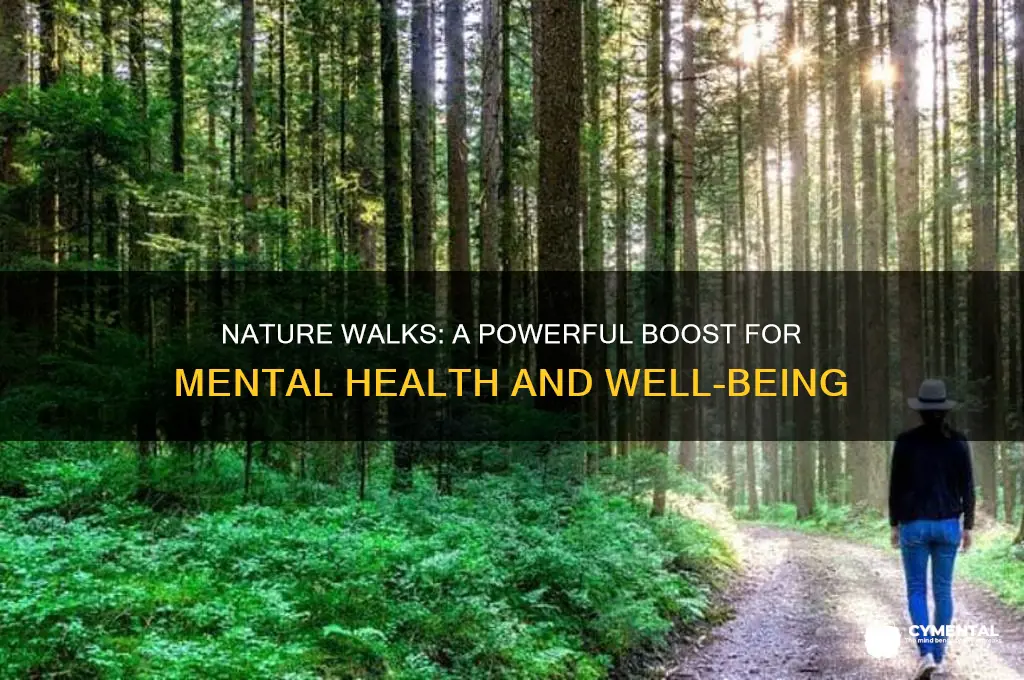
Nature walks have been increasingly recognized as a powerful tool for improving mental health, offering a holistic approach to well-being by combining physical activity with the calming effects of natural environments. Spending time outdoors, surrounded by greenery, water, or open landscapes, has been shown to reduce stress, anxiety, and symptoms of depression by lowering cortisol levels and promoting relaxation. The sensory experiences of a nature walk—such as the sound of rustling leaves, the sight of vibrant flora, or the feel of fresh air—can ground individuals in the present moment, fostering mindfulness and reducing rumination. Additionally, exposure to sunlight during these walks boosts serotonin production, enhancing mood and energy levels. Beyond these physiological benefits, nature walks provide a sense of connection to the natural world, which can alleviate feelings of isolation and promote a deeper appreciation for life. Whether in a forest, park, or along a trail, these walks offer a simple yet effective way to nurture mental health and cultivate resilience in an increasingly fast-paced world.
| Characteristics | Values |
|---|---|
| Stress Reduction | Nature walks lower cortisol levels, reduce perceived stress, and promote relaxation. |
| Improved Mood | Exposure to natural environments increases serotonin and dopamine, enhancing mood and reducing symptoms of depression. |
| Enhanced Cognitive Function | Nature walks improve attention, working memory, and cognitive flexibility, reducing mental fatigue. |
| Anxiety Relief | Green spaces and natural settings have been shown to decrease anxiety levels and promote calmness. |
| Physical Activity | Walking in nature combines exercise with mental health benefits, improving overall well-being. |
| Mindfulness and Presence | Nature encourages mindfulness, helping individuals stay present and reduce rumination. |
| Social Connection | Group nature walks foster social interaction, reducing feelings of loneliness and isolation. |
| Better Sleep | Exposure to natural light and physical activity during walks can regulate sleep patterns and improve sleep quality. |
| Reduced Symptoms of ADHD | Natural environments have a restorative effect on attention and can reduce ADHD symptoms. |
| Increased Self-Esteem | Engaging with nature and completing walks can boost self-esteem and confidence. |
| Immune System Support | Spending time in nature may boost the immune system, indirectly supporting mental health. |
| Creativity Boost | Nature walks stimulate creativity and problem-solving abilities. |
| Reduced Risk of Mental Disorders | Regular nature exposure is associated with a lower risk of developing mental health disorders. |
| Emotional Regulation | Nature helps individuals process and regulate emotions more effectively. |
| Connection to Nature | Fostering a sense of connection to the natural world can provide purpose and meaning. |
Explore related products

$21.93 $26.99


What You'll Learn
- Stress Reduction: Nature walks lower cortisol levels, promoting relaxation and reducing anxiety
- Mood Enhancement: Exposure to greenery boosts serotonin, improving mood and happiness
- Mindfulness Practice: Walking outdoors encourages present-moment awareness, reducing overthinking
- Physical Activity: Gentle exercise releases endorphins, combating depression and fatigue
- Social Connection: Group walks foster community, reducing loneliness and isolation

Stress Reduction: Nature walks lower cortisol levels, promoting relaxation and reducing anxiety
Cortisol, often dubbed the "stress hormone," spikes in response to pressure, whether from work deadlines, personal challenges, or daily hassles. Chronically elevated cortisol levels contribute to anxiety, insomnia, and even weakened immunity. Nature walks offer a simple yet powerful antidote. Studies show that spending just 20-30 minutes in green spaces can significantly lower cortisol levels, fostering a sense of calm and reducing stress-related symptoms. This physiological shift isn’t just anecdotal; it’s backed by research demonstrating the restorative effects of natural environments on the body’s stress response system.
To maximize the stress-reducing benefits of a nature walk, consider timing and environment. Aim for a walk during daylight hours, as exposure to natural light helps regulate your circadian rhythm, further reducing stress. Choose settings rich in biodiversity—forests, parks, or even urban green spaces with trees and water features. The combination of visual greenery, soothing sounds like rustling leaves or flowing water, and fresh air creates a multisensory experience that accelerates cortisol reduction. For those with busy schedules, even a 10-minute walk in a nearby park can yield noticeable benefits, making it an accessible stress-relief tool.
While the benefits are clear, it’s important to approach nature walks as a complementary practice rather than a standalone cure for chronic stress. Pairing walks with mindfulness techniques, such as deep breathing or focusing on sensory details, enhances their effectiveness. For instance, try the "5-4-3-2-1" grounding technique: identify five things you can see, four you can touch, three you can hear, two you can smell, and one you can taste. This practice amplifies the relaxation response by anchoring you in the present moment, deepening the stress-reducing effects of the natural environment.
Comparing nature walks to other stress-relief methods highlights their unique advantages. Unlike meditation or exercise, which require specific skills or physical exertion, nature walks are accessible to nearly everyone, regardless of age or fitness level. They also offer a dual benefit: physical activity combined with exposure to calming natural elements. For older adults or individuals with mobility limitations, even a gentle stroll through a garden can lower cortisol levels and improve mood. This inclusivity makes nature walks a versatile tool for stress reduction across diverse populations.
Incorporating nature walks into a regular routine can transform them from occasional escapes to a sustainable stress management strategy. Start small—commit to one walk per week, gradually increasing frequency as it becomes a habit. Keep it simple: no need for special equipment or destinations. Even a tree-lined street or a small park can suffice. Over time, you’ll likely notice not just reduced stress but also improved focus, better sleep, and a greater sense of well-being. Nature walks aren’t just a temporary fix; they’re a long-term investment in mental health.
Chakras and Mental Health: Exploring Healing Energy for Inner Balance
You may want to see also
Explore related products


Mood Enhancement: Exposure to greenery boosts serotonin, improving mood and happiness
The simple act of walking through a park or forest can significantly elevate your mood, and it's not just a placebo effect. Research shows that exposure to greenery triggers the release of serotonin, a neurotransmitter often referred to as the "feel-good" hormone. This biochemical response is your brain's way of rewarding you for stepping into nature, offering a natural and immediate mood boost.
Imagine a 30-minute walk through a tree-lined path. Studies suggest that this duration is often enough to experience a noticeable improvement in mood. The key lies in the visual and sensory engagement with nature. The vibrant greens, the rustling leaves, and the fresh scent of foliage all contribute to a multisensory experience that stimulates serotonin production. For instance, a study published in the *International Journal of Environmental Health Research* found that participants who walked in a forest environment had lower levels of cortisol (a stress hormone) and reported higher levels of happiness compared to those who walked in urban settings.
To maximize the mood-enhancing benefits, consider the intensity and frequency of your nature walks. A moderate-paced walk for 20–30 minutes, 3–4 times a week, is a practical starting point for most adults. For children and older adults, even shorter, gentler walks can yield positive results. The goal is consistency rather than intensity. Pairing these walks with mindfulness practices, such as focusing on your breath or the sounds around you, can amplify the serotonin boost by fostering a deeper connection with your surroundings.
However, not all green spaces are created equal. Urban parks with minimal greenery may not provide the same benefits as dense forests or gardens. Aim for environments with a high density of trees and plants, as these are more likely to trigger the desired biochemical response. If access to natural areas is limited, even viewing images or videos of nature can offer a temporary serotonin lift, though the effect is less pronounced than direct exposure.
Incorporating nature walks into your routine doesn’t require a drastic lifestyle change. Start small—swap a coffee break for a stroll in a nearby park, or choose a green route for your daily commute. Over time, these small changes can lead to sustained improvements in mood and overall mental well-being. After all, nature’s prescription for happiness is both accessible and free.
Social Interaction's Impact: Boosting Mental Health and Well-Being
You may want to see also
Explore related products


Mindfulness Practice: Walking outdoors encourages present-moment awareness, reducing overthinking
The rhythm of footsteps on a forest path or the crunch of gravel beneath your shoes can anchor you in the present moment, a practice mindfulness experts call "grounding." Unlike indoor mindfulness exercises that often require stillness, walking outdoors engages multiple senses simultaneously—the rustle of leaves, the scent of damp earth, the warmth of sunlight—making it easier to stay focused on the now. This sensory immersion naturally shifts your attention away from the mental chatter that fuels overthinking, offering a respite from the endless loop of worries and plans.
Consider this a prescription for mental clarity: 20–30 minutes of mindful walking daily. Start by noticing your breath as you walk, syncing each step with an inhale or exhale. Gradually expand your awareness to include your surroundings—the texture of tree bark, the play of light through branches, the distant call of a bird. If your mind wanders (and it will), gently guide it back to the sensations of walking. Research suggests this practice reduces activity in the brain’s default mode network, the region linked to rumination, effectively "quieting" overthinking.
For those new to mindfulness, walking outdoors offers a lower barrier to entry than seated meditation. It’s less intimidating and more dynamic, making it accessible to all ages, from teenagers grappling with academic stress to seniors managing anxiety. A study published in *Ecopsychology* found that participants who walked mindfully in nature reported a 22% decrease in self-reported rumination compared to urban walkers. The key is intentionality: walk to observe, not to arrive. Leave your phone in your pocket, and resist the urge to multitask—this is not the time to plan your day or compose emails.
However, mindfulness walking isn’t a one-size-fits-all solution. For individuals with severe anxiety or PTSD, sudden sensory stimuli (like a loud birdcall) could trigger hypervigilance. In such cases, start in quieter natural settings, like a park with minimal foot traffic, and gradually build tolerance. Pairing the walk with a grounding technique, such as naming five things you can see, four you can touch, and three you can hear, can enhance stability. Remember, the goal isn’t to eliminate thoughts entirely but to observe them without attachment, letting them drift like clouds in the sky.
Incorporating this practice into your routine doesn’t require a wilderness expedition. A tree-lined street, a community garden, or even a rooftop with potted plants can suffice. The essence lies in the quality of attention, not the grandeur of the setting. Over time, this habit rewires your brain to default to presence rather than preoccupations, turning mindfulness from a practice into a way of being. As Thoreau observed, “In wildness is the preservation of the world”—and perhaps, of your mental peace.
Physician Assistants: Vital Allies in Mental Health Care and Support
You may want to see also
Explore related products


Physical Activity: Gentle exercise releases endorphins, combating depression and fatigue
Engaging in gentle physical activity, such as a nature walk, triggers the release of endorphins—often dubbed "feel-good" hormones—which act as natural painkillers and mood elevators. Even a 30-minute stroll at a moderate pace can stimulate this biochemical response, offering immediate relief from symptoms of depression and fatigue. Unlike intense workouts, which may feel daunting, nature walks provide a low-impact, accessible way to activate these benefits, making them ideal for individuals of all fitness levels, including older adults or those recovering from illness.
Consider this: a study published in the *Journal of Affective Disorders* found that participants who walked for 20–30 minutes in a natural setting reported significant reductions in rumination—the repetitive, negative thought patterns linked to depression. The combination of physical movement and exposure to nature amplifies the endorphin effect, creating a dual mechanism for mental health improvement. For optimal results, aim for walks in green spaces like parks or trails, where the sensory experience of fresh air, sunlight, and natural sounds enhances the overall impact.
To maximize the endorphin boost, incorporate mindful walking techniques. Focus on your breath, the rhythm of your steps, or the sensations in your body as you move. This mindfulness practice not only deepens the connection between physical activity and mental clarity but also helps anchor you in the present moment, reducing anxiety. Start with shorter walks (15–20 minutes) and gradually increase duration as your stamina improves. Consistency is key—aim for at least three nature walks per week to maintain the cumulative benefits of endorphin release.
A practical tip for those struggling with motivation: pair your walk with a social element. Invite a friend or join a walking group, as social interaction further enhances mood and accountability. For parents or caregivers, involve children or pets, turning the walk into a shared activity that fosters connection while reaping mental health rewards. Remember, the goal isn’t speed or distance but sustained, gentle movement in a natural setting—a simple yet powerful tool to combat depression and fatigue.
Planned Parenthood's Role in Supporting Mental Health: What You Need to Know
You may want to see also
Explore related products


Social Connection: Group walks foster community, reducing loneliness and isolation
Humans are inherently social creatures, yet modern life often isolates us in ways that harm mental health. Group nature walks counter this by creating shared experiences in natural settings, fostering connections that combat loneliness. Unlike solitary walks, group outings encourage conversation, laughter, and mutual support, transforming a simple activity into a communal ritual. This dynamic not only strengthens social bonds but also amplifies the therapeutic benefits of nature, as participants feel seen, heard, and valued.
Consider the structure of a successful group walk: start with a clear purpose, such as exploring a local trail or identifying bird species, to give participants a shared goal. Keep the group size manageable—ideally 6 to 10 people—to ensure everyone can engage without feeling overwhelmed. Incorporate periodic pauses for reflection or discussion, allowing individuals to share thoughts or observations. For example, a 60-minute walk with two 10-minute stops provides a balance of movement and connection. Encourage diversity in age and background to enrich perspectives, but ensure the pace accommodates all fitness levels to avoid exclusion.
The psychological impact of these walks is profound. Research shows that social interaction in natural environments reduces cortisol levels more effectively than either element alone. For instance, a study published in *Ecopsychology* found that participants in group nature walks reported a 30% greater reduction in feelings of loneliness compared to solo walkers. This effect is particularly significant for older adults and individuals experiencing social isolation, who often face barriers to forming new connections. By combining physical activity, natural beauty, and shared purpose, group walks create a trifecta of mental health benefits.
To maximize the community-building potential, organize walks with intentionality. Begin with icebreakers or simple games to ease initial awkwardness, such as a "nature scavenger hunt" where participants work in pairs. End each walk with a debrief session, perhaps over tea or a light snack, to reflect on the experience and deepen connections. For recurring groups, establish a rotating leadership model to empower members and foster a sense of ownership. Practical tips include choosing accessible trails, setting a consistent schedule, and using social media or local forums to attract participants.
In a world where loneliness is increasingly recognized as a public health crisis, group nature walks offer a simple yet powerful solution. They transform solitary struggles into collective journeys, proving that sometimes, the best way to heal is to walk—together. By prioritizing inclusivity, structure, and shared purpose, these walks not only reduce isolation but also cultivate communities rooted in mutual support and appreciation for the natural world.
Team Sports: Boosting Mental and Physical Health Through Active Collaboration
You may want to see also
Frequently asked questions
Nature walks stimulate the release of endorphins, often referred to as "feel-good" hormones, while reducing cortisol, the stress hormone. The calming sights and sounds of nature, such as trees, water, and birdsong, help activate the parasympathetic nervous system, promoting relaxation and improved mood.
Yes, spending time in nature has been shown to reduce symptoms of anxiety and depression. The peaceful environment and physical activity involved in walking can distract from negative thoughts, while exposure to natural light boosts serotonin levels, which enhances overall well-being.
Nature walks provide a break from overstimulating urban environments, allowing the brain to rest and recharge. Studies suggest that time in nature improves cognitive function, including attention and creativity, by reducing mental fatigue and restoring focus.
Absolutely. Consistent nature walks can lead to long-term benefits such as improved emotional resilience, reduced risk of mental health disorders, and a stronger sense of connection to the environment. Over time, this practice fosters a more balanced and positive mindset.