Ava Ramirez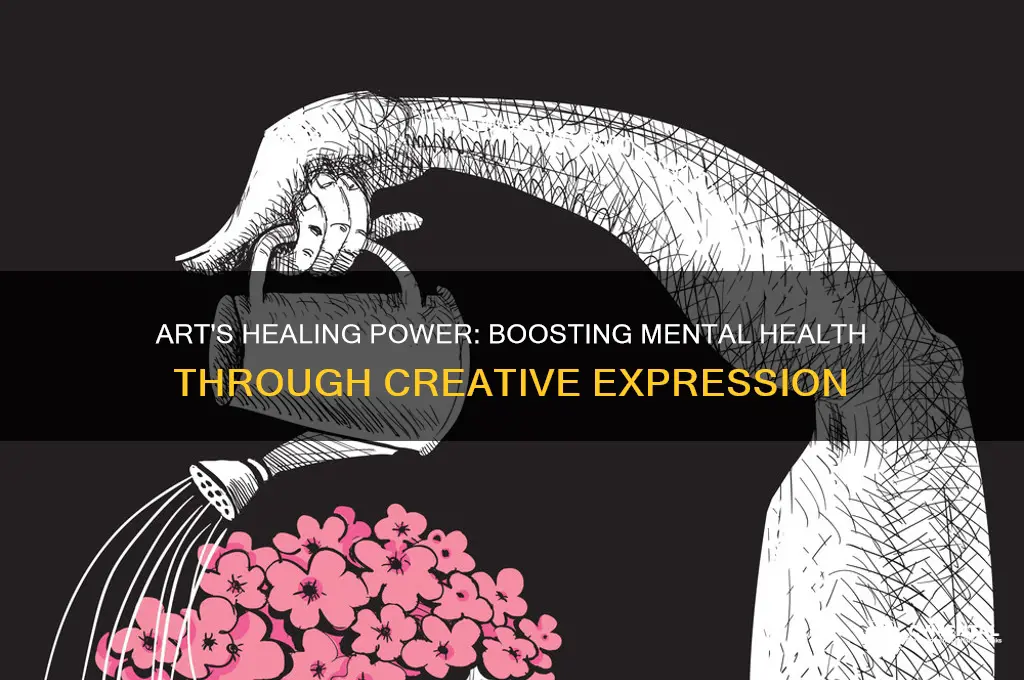
The arts, encompassing music, visual arts, dance, literature, and theater, play a profound role in supporting mental health by offering creative outlets for expression, emotional release, and self-discovery. Engaging in artistic activities has been shown to reduce stress, anxiety, and depression, as they provide a means to process complex emotions and experiences in a non-verbal, often therapeutic way. Whether through creating art or simply appreciating it, individuals can find solace, connection, and a sense of purpose, fostering resilience and improving overall well-being. Additionally, the arts promote mindfulness, encourage social interaction, and break down barriers to communication, making them a powerful tool in mental health care and personal growth.
| Characteristics | Values |
|---|---|
| Stress Reduction | Engaging in artistic activities like painting, music, or dance lowers cortisol levels, reducing stress and promoting relaxation. |
| Emotional Expression | Art provides a safe outlet for expressing complex emotions, helping individuals process trauma, grief, or anxiety. |
| Improved Mood | Creative activities stimulate the release of dopamine, enhancing mood and reducing symptoms of depression. |
| Cognitive Stimulation | Art-based therapies improve cognitive function, memory, and problem-solving skills, particularly in older adults. |
| Social Connection | Group art activities foster community, reduce loneliness, and build supportive relationships. |
| Self-Esteem Boost | Completing artistic projects enhances self-confidence and provides a sense of accomplishment. |
| Mindfulness and Focus | Art encourages present-moment awareness, reducing symptoms of ADHD and improving concentration. |
| Coping Mechanism | Artistic practices serve as healthy coping strategies for managing mental health challenges. |
| Non-Verbal Communication | Art therapy allows individuals to communicate feelings when words are insufficient, especially for those with PTSD or autism. |
| Resilience Building | Engaging in art fosters emotional resilience and adaptability in the face of adversity. |
| Physical Health Benefits | Activities like dance or sculpting improve physical health, which positively impacts mental well-being. |
| Cultural Identity and Belonging | Art connects individuals to their cultural heritage, enhancing identity and reducing feelings of alienation. |
| Therapeutic Outlet for Children | Art helps children express emotions and cope with developmental challenges or trauma. |
| Neuroplasticity | Creative activities promote brain plasticity, aiding recovery from mental health disorders. |
| Accessible and Inclusive | Art therapy is adaptable for all ages, abilities, and cultural backgrounds, making it widely accessible. |
Explore related products

$8.5 $19.99

$18.36 $36.99


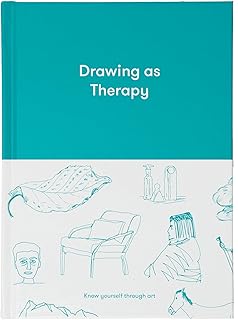
What You'll Learn
- Creative Expression: Art as a safe outlet for emotions, reducing stress, and promoting self-awareness
- Mindfulness Practices: Engaging in arts fosters focus, reduces anxiety, and enhances present-moment awareness
- Social Connection: Group art activities combat loneliness, build community, and improve emotional support networks
- Cognitive Benefits: Arts stimulate brain function, improve problem-solving, and boost memory and resilience
- Therapeutic Healing: Art therapy aids trauma recovery, processes grief, and supports mental health recovery

Creative Expression: Art as a safe outlet for emotions, reducing stress, and promoting self-awareness
Artistic expression serves as a sanctuary for emotions that often defy words. When verbal communication feels inadequate or overwhelming, creating art—whether through painting, writing, music, or dance—offers a non-threatening way to externalize feelings. For instance, a study published in *Art Therapy: Journal of the American Art Therapy Association* found that engaging in visual arts significantly reduced cortisol levels, a key stress hormone, in participants. This physiological response underscores how art acts as a buffer against emotional overload, allowing individuals to process complex feelings without the pressure of immediate resolution.
Consider the act of journaling as a practical example. Writing down thoughts and emotions in a private space not only helps clarify them but also distances the individual from their intensity. For adolescents aged 13–18, expressive writing for just 15–20 minutes a day has been shown to improve mood and reduce symptoms of anxiety. Similarly, adults who engage in unstructured drawing or painting report feeling more grounded, as the focus shifts from internal turmoil to the external creation. The key lies in the absence of judgment—artistic expression thrives in a space where there are no wrong answers, only personal truths.
However, it’s crucial to approach creative outlets with intention. Simply doodling or playing an instrument without mindfulness may not yield the same therapeutic benefits. To maximize stress reduction, incorporate structured techniques like progressive muscle relaxation while painting or deep breathing exercises before writing. For example, starting a creative session with a 5-minute mindfulness practice can enhance focus and emotional release. Additionally, combining art with social interaction—such as joining a community choir or collaborative mural project—amplifies its impact by fostering connection and shared vulnerability.
The self-awareness cultivated through art is perhaps its most transformative gift. Engaging in creative processes encourages introspection, as individuals often uncover subconscious thoughts or patterns reflected in their work. A dancer might realize their choreography mirrors their struggle with control, while a sculptor could discover themes of resilience in their material choices. This heightened awareness is not always immediate; it may emerge over weeks or months of consistent practice. Yet, it forms the foundation for emotional growth, enabling individuals to address root causes of distress rather than merely managing symptoms.
To integrate art as a mental health tool effectively, start small and prioritize consistency. Dedicate 30 minutes daily to a creative activity, even if it feels unstructured at first. Experiment with different mediums to discover what resonates most—some may find solace in the tactile nature of clay, while others thrive in the rhythm of poetry. Remember, the goal is not perfection but presence. By embracing art as a safe outlet, individuals can navigate their emotional landscapes with greater ease, reducing stress and fostering a deeper understanding of themselves.
Urgent Mental Health Support: Quick Steps to Help Someone in Crisis
You may want to see also
Explore related products


Mindfulness Practices: Engaging in arts fosters focus, reduces anxiety, and enhances present-moment awareness
Engaging in artistic activities naturally cultivates mindfulness, a mental state achieved by focusing one's awareness on the present moment while calmly acknowledging and accepting one's feelings, thoughts, and bodily sensations. Whether it’s painting, sculpting, or playing an instrument, the arts demand attention to detail and immersion in the task at hand. For instance, a study published in *Art Therapy: Journal of the American Art Therapy Association* found that 45 minutes of structured art-making significantly reduced cortisol levels, a key stress hormone, in participants. This physiological response underscores how creative processes anchor the mind in the present, crowding out distractions and worries.
Consider the act of drawing: holding a pencil, observing shapes, and translating them onto paper requires sustained focus. This process mirrors mindfulness meditation, where the goal is to observe without judgment. For beginners, start with simple exercises like doodling patterns or sketching everyday objects. Set a timer for 10–15 minutes daily, gradually increasing duration as focus strengthens. Even children as young as five can benefit; a 2019 study in *Frontiers in Psychology* showed that art-based mindfulness improved emotional regulation in kids aged 5–12. The key is consistency—regular practice trains the brain to stay present, reducing anxiety over time.
Comparatively, arts-based mindfulness differs from traditional meditation in its accessibility. For those who find sitting still challenging, the tactile nature of art provides a tangible anchor. For example, knitting combines repetitive motion with visual progress, offering a dual-pronged approach to mindfulness. A 2013 survey in the *British Journal of Occupational Therapy* revealed that 81% of respondents reported feeling calmer after knitting. Similarly, playing music engages multiple senses—hearing, touch, and sight—making it harder for the mind to wander. Even listening to music mindfully, focusing on individual instruments or rhythms, can enhance present-moment awareness.
However, it’s crucial to avoid treating art as a performance. The goal isn’t to create a masterpiece but to engage fully in the process. Perfectionism can undermine mindfulness, reintroducing stress. Instead, embrace imperfection; allow mistakes to become part of the experience. For instance, if a brushstroke goes awry, observe it without judgment and adapt. This mindset shift transforms art into a meditative practice rather than a task to complete. Group settings, like community art classes, can also enhance mindfulness by fostering connection and shared focus, though solo practice remains equally effective.
Incorporating arts-based mindfulness into daily life is simpler than it seems. Dedicate a small space for creative activities, even if it’s just a corner with a sketchpad and pencils. Keep materials accessible to reduce barriers to starting. For digital natives, apps like *Pigment* (for coloring) or *Simply Piano* (for music) offer structured yet mindful creative outlets. Employers can introduce 10-minute art breaks during meetings to reduce stress and improve focus. The takeaway? The arts aren’t just a hobby—they’re a tool for mental clarity, accessible to all ages and skill levels. By integrating them mindfully, anyone can harness their power to reduce anxiety and live more fully in the present.
Civil War Soldiers: Mental Health Support and Its Historical Context
You may want to see also
Explore related products

$35.73 $49.95




Social Connection: Group art activities combat loneliness, build community, and improve emotional support networks
Loneliness is a silent epidemic, affecting people of all ages and backgrounds, often with devastating consequences for mental health. Group art activities offer a powerful antidote by creating spaces where individuals can connect, express themselves, and feel understood. Whether it’s a community pottery class, a choir rehearsal, or a collaborative mural project, these activities break down social barriers and foster a sense of belonging. Research shows that participating in group art initiatives can reduce feelings of isolation by up to 40%, as measured by standardized loneliness scales. The act of creating together not only builds relationships but also provides a shared purpose, making it easier for participants to open up and form meaningful connections.
Consider the structure of a successful group art program: start with icebreaker activities that ease anxiety, such as collaborative drawing or group storytelling. For example, a “pass-the-painting” exercise, where each person adds to a canvas without seeing the previous contributions, encourages creativity and laughter. Progress to more structured projects like theater workshops or group sculpture-making, which require teamwork and communication. Programs targeting older adults, such as intergenerational art sessions, have shown particularly strong results in reducing loneliness, with participants reporting increased social engagement after just six weeks of weekly sessions. For younger demographics, digital art platforms or graffiti workshops can appeal to those who thrive in less traditional settings.
While the benefits are clear, there are practical considerations. Group art activities work best when they are inclusive and non-judgmental, ensuring no one feels pressured to perform. Facilitators should prioritize creating a safe space, perhaps by starting each session with a brief check-in or grounding exercise. Caution should be taken to avoid overloading participants with complex techniques; the focus should remain on connection, not perfection. For those with severe social anxiety, smaller groups or one-on-one introductions can ease the transition into larger settings. Pairing art with other therapeutic elements, like mindfulness or music, can further enhance emotional support networks.
The takeaway is simple: group art activities are not just about creating art—they’re about creating community. By engaging in shared creative processes, individuals can rebuild their social confidence and find solace in collective expression. For mental health practitioners, incorporating group art into treatment plans can provide clients with a tangible, enjoyable way to combat loneliness. For community organizers, offering low-cost or free art programs can address social isolation at a grassroots level. Ultimately, the power of group art lies in its ability to transform solitary struggles into shared triumphs, one brushstroke, note, or conversation at a time.
Australia's Innovative Mental Health Support: Initiatives and Impact
You may want to see also
Explore related products


Cognitive Benefits: Arts stimulate brain function, improve problem-solving, and boost memory and resilience
Engaging in artistic activities isn't just a pastime—it's a cognitive workout. Whether it's painting, playing an instrument, or sculpting, these practices activate multiple brain regions simultaneously, fostering neural connections that enhance overall brain function. For instance, a study published in *NeuroImage* found that musicians have stronger structural and functional connectivity in the corpus callosum, the bridge between the brain’s hemispheres, compared to non-musicians. This heightened connectivity translates to improved information processing and multitasking abilities, proving that art isn’t merely expressive but fundamentally transformative for the brain.
Consider this a prescription for cognitive enhancement: dedicate 30 minutes daily to an artistic pursuit. For children aged 5–12, drawing or playing a simple melody on a keyboard can improve spatial reasoning and fine motor skills. Adults can benefit from more complex tasks, like learning a new instrument or experimenting with abstract painting, which challenge problem-solving abilities and encourage creative thinking. Even seniors can see improvements in memory retention by engaging in activities like pottery or choral singing, as these combine sensory stimulation with cognitive engagement.
The arts also serve as a resilience-building tool, particularly in the face of cognitive decline or trauma. Art therapy, for example, has been shown to improve memory recall in individuals with early-stage dementia. A study in *The Arts in Psychotherapy* revealed that patients who participated in weekly art sessions demonstrated a 20% increase in memory test scores over six months. Similarly, veterans with PTSD have reported reduced symptoms and improved emotional regulation through creative writing and visual arts programs. These findings underscore the arts’ dual role as both preventive and restorative measures for cognitive health.
To maximize these benefits, incorporate variety into your artistic routine. Alternate between visual arts, music, and writing to engage different cognitive domains. For instance, sketching stimulates the visual cortex, while composing music activates the auditory and motor regions. Pairing these activities with mindfulness techniques, such as focusing on the present moment while painting, can further amplify cognitive gains. Remember, consistency is key—regular engagement yields the most significant and lasting improvements.
In a world where cognitive decline is a growing concern, the arts offer a powerful, accessible solution. They are not just a means of self-expression but a tool for sharpening the mind, enhancing problem-solving, and fortifying memory. By integrating artistic practices into daily life, individuals of all ages can cultivate cognitive resilience and unlock their brain’s full potential. Start small, stay consistent, and let creativity be your cognitive ally.
Can Therapists Effectively Help Clients Manage and Overcome Stress?
You may want to see also
Explore related products


Therapeutic Healing: Art therapy aids trauma recovery, processes grief, and supports mental health recovery
Art therapy offers a unique pathway to healing by bypassing the limitations of language, especially when trauma or grief renders words inadequate. Unlike traditional talk therapy, which relies on verbal expression, art therapy allows individuals to externalize their emotions through painting, sculpting, or collage-making. This non-verbal approach is particularly effective for those who struggle to articulate their experiences, such as children, survivors of complex trauma, or individuals with PTSD. For example, a study published in *Art Therapy: Journal of the American Art Therapy Association* found that trauma survivors who engaged in art therapy reported significant reductions in symptoms of anxiety and depression after just eight sessions. The act of creating art provides a safe distance from painful memories, enabling individuals to process them without feeling overwhelmed.
Consider the case of a 12-year-old girl who lost her parent in a sudden accident. Unable to express her grief verbally, she began art therapy sessions where she drew fragmented images of her family, gradually incorporating darker colors to symbolize her loss. Over time, her artwork evolved to include brighter hues and more cohesive scenes, reflecting her emotional healing. This example underscores the power of art therapy in processing grief, particularly in younger populations. For adults, guided exercises like creating a "grief altar" or painting emotions as physical forms can similarly facilitate healing. The key is to allow the art to serve as a mirror, reflecting emotions that may otherwise remain buried.
While art therapy is inherently beneficial, its effectiveness can be amplified with structured techniques. One such method is the "Narrative Art Therapy" approach, where individuals create a visual timeline of their trauma or grief journey. This technique helps organize chaotic emotions into a coherent story, fostering a sense of control and closure. Another practical tip is to incorporate mindfulness during art-making—focusing on the texture of clay, the sound of brushstrokes, or the smell of paint to ground the individual in the present moment. For those new to art therapy, starting with simple materials like crayons or clay can reduce intimidation, making the process more accessible.
It’s important to note that art therapy is not a one-size-fits-all solution. While it can be profoundly healing, it may also unearth intense emotions, requiring the support of a trained therapist. For instance, a trauma survivor might experience flashbacks while recreating a traumatic event through art. In such cases, therapists often employ grounding techniques, such as deep breathing or sensory objects, to ensure the individual feels safe. Additionally, art therapy is most effective when integrated into a broader treatment plan, complementing modalities like cognitive-behavioral therapy or medication.
Ultimately, art therapy’s strength lies in its ability to transform abstract pain into tangible form, making it easier to confront and release. Whether through a single session or a long-term program, engaging in creative expression can provide a sense of relief and empowerment. For those seeking to explore this modality, starting with small, consistent practices—like journaling through sketches or attending a local art therapy workshop—can be a gentle yet impactful first step. In a world where mental health struggles are increasingly prevalent, art therapy offers a silent yet powerful language for healing.
CPS and Mental Health: Can They Support Our Son's Care?
You may want to see also
Frequently asked questions
Engaging in artistic activities like painting, music, or writing activates the brain’s reward system, releasing dopamine, which reduces stress and anxiety. Creative expression also provides a healthy outlet for emotions, helping individuals process and release tension.
Yes, participating in or experiencing art stimulates the release of endorphins, often referred to as "feel-good" hormones, which can boost mood and reduce symptoms of depression. Art also fosters a sense of accomplishment and self-expression, enhancing emotional resilience.
Absolutely. Art therapy, in particular, allows individuals to express traumatic experiences non-verbally, which can be less overwhelming than talking. Creative processes help externalize emotions, promote healing, and rebuild a sense of control and identity.
Group art activities, such as community choirs, art classes, or theater groups, provide opportunities for social interaction and shared experiences. These connections combat loneliness, foster a sense of belonging, and create supportive networks that benefit mental health.