Noah Parker
Nicotine, a highly addictive substance found in tobacco products, has been widely studied for its effects on physical health, but its impact on mental health is equally significant. Research indicates that nicotine can exacerbate mental health conditions such as anxiety and depression, while also potentially contributing to the development of psychiatric disorders. The stimulant properties of nicotine can lead to increased heart rate and blood pressure, which may intensify feelings of anxiety. Additionally, the withdrawal symptoms associated with nicotine addiction, such as irritability and restlessness, can further complicate mental health issues. Understanding the complex relationship between nicotine use and mental health is crucial for developing effective treatment strategies and public health interventions.
| Characteristics | Values |
|---|---|
| Short-term effects | Increased alertness, improved mood, reduced stress and anxiety |
| Long-term effects | Potential for addiction, mood swings, increased anxiety and depression |
| Cognitive function | Enhanced focus and attention in the short term, potential impairment in the long term |
| Neurotransmitter impact | Stimulates the release of dopamine, norepinephrine, and serotonin |
| Psychiatric implications | May exacerbate symptoms of mental health disorders, such as schizophrenia and bipolar disorder |
| Withdrawal symptoms | Irritability, restlessness, poor concentration, anxiety, depression, and sleep disturbances |
| Interaction with medications | Can interact with certain medications, such as antidepressants and antipsychotics, potentially reducing their effectiveness |
| Addiction potential | High potential for dependence and addiction, leading to compulsive use despite negative consequences |
| Impact on stress levels | Initial reduction in stress, but chronic use can lead to increased stress and anxiety |
| Overall mental health impact | Complex relationship; while it may provide temporary relief, long-term use can negatively affect mental health |
Explore related products




What You'll Learn
- Nicotine and Mood: Nicotine's impact on neurotransmitters like dopamine and serotonin, influencing mood regulation
- Anxiety and Nicotine: The relationship between nicotine use and anxiety levels, including potential exacerbation of anxiety disorders
- Nicotine Addiction: The psychological aspects of nicotine addiction, including withdrawal symptoms and their effects on mental health
- Cognitive Function: How nicotine affects cognitive processes such as memory, attention, and problem-solving abilities
- Nicotine and Psychosis: Potential links between nicotine use and the development or worsening of psychotic symptoms

Nicotine and Mood: Nicotine's impact on neurotransmitters like dopamine and serotonin, influencing mood regulation
Nicotine, a potent neurotoxin found in tobacco products, exerts a profound influence on the brain's neurotransmitter systems, particularly those involved in mood regulation. One of the primary neurotransmitters affected by nicotine is dopamine, which plays a crucial role in the brain's reward and pleasure centers. Nicotine stimulates the release of dopamine, leading to feelings of euphoria and satisfaction. This effect is a key factor in the addictive potential of nicotine, as the brain quickly associates the substance with positive emotional states.
In addition to dopamine, nicotine also impacts serotonin levels in the brain. Serotonin is a neurotransmitter that helps regulate mood, appetite, and sleep patterns. Nicotine has been shown to decrease serotonin levels, which can contribute to feelings of anxiety and depression. This reduction in serotonin may also lead to increased cravings for nicotine, as the brain attempts to restore balance to its neurotransmitter systems.
The interplay between nicotine, dopamine, and serotonin creates a complex relationship between nicotine use and mental health. While nicotine may provide temporary relief from stress and anxiety through its effects on dopamine, the subsequent decrease in serotonin levels can exacerbate these symptoms over time. This cycle can contribute to the development of mood disorders and other mental health issues in individuals who use nicotine regularly.
Furthermore, nicotine's impact on neurotransmitters can have long-lasting effects on brain function and mental health. Chronic nicotine exposure has been linked to changes in the brain's structure and function, particularly in areas related to mood regulation and impulse control. These changes can persist even after an individual quits using nicotine, potentially leading to long-term mental health consequences.
In conclusion, nicotine's effects on neurotransmitters like dopamine and serotonin play a significant role in its impact on mental health. While nicotine may provide temporary mood enhancement through its stimulation of dopamine release, its subsequent effects on serotonin levels and overall brain function can lead to a range of negative mental health outcomes. Understanding these complex interactions is crucial for developing effective strategies for preventing and treating nicotine addiction and related mental health issues.
Revitalize Your Mind: The Power of Leisure in Boosting Mental Health
You may want to see also
Explore related products


Anxiety and Nicotine: The relationship between nicotine use and anxiety levels, including potential exacerbation of anxiety disorders
Nicotine, a stimulant found in tobacco products, has a complex relationship with anxiety. While some individuals may use nicotine as a coping mechanism to alleviate stress and anxiety, research suggests that nicotine use can actually exacerbate anxiety levels and contribute to the development of anxiety disorders. This paradoxical effect is due to the way nicotine interacts with the brain's neurotransmitters, particularly dopamine and serotonin, which play key roles in regulating mood and emotional responses.
Studies have shown that chronic nicotine exposure can lead to changes in the brain's neural circuitry, resulting in increased anxiety and stress reactivity. Furthermore, nicotine withdrawal can also trigger anxiety symptoms, making it difficult for individuals to quit smoking or using other tobacco products. This can create a vicious cycle, where individuals continue to use nicotine to alleviate anxiety, but ultimately end up worsening their anxiety levels in the long run.
The relationship between nicotine and anxiety is particularly concerning for individuals with pre-existing anxiety disorders. Nicotine use can intensify anxiety symptoms and interfere with treatment outcomes, making it more challenging for individuals to manage their condition effectively. Additionally, nicotine can interact with medications commonly used to treat anxiety, such as benzodiazepines and antidepressants, potentially reducing their efficacy or increasing the risk of adverse effects.
It is essential for healthcare professionals to consider the potential impact of nicotine use on anxiety levels when treating patients with anxiety disorders. Encouraging individuals to quit smoking or using other tobacco products can be an important step in managing anxiety symptoms and improving overall mental health outcomes. However, quitting nicotine can be challenging, and individuals may require support and resources to successfully overcome their addiction.
In conclusion, the relationship between nicotine and anxiety is complex and multifaceted. While nicotine may provide temporary relief from stress and anxiety, chronic use can ultimately worsen anxiety levels and contribute to the development of anxiety disorders. Healthcare professionals should be aware of this relationship and consider the potential impact of nicotine use on anxiety levels when treating patients with anxiety disorders.
Unveiling the Impact: Stigma's Role in Mental Health Struggles
You may want to see also
Explore related products





Nicotine Addiction: The psychological aspects of nicotine addiction, including withdrawal symptoms and their effects on mental health
Nicotine addiction is a complex psychological phenomenon that extends beyond the physical cravings for the substance. It deeply intertwines with mental health, often exacerbating existing conditions and creating new challenges for those affected. The psychological aspects of nicotine addiction are multifaceted, involving both the immediate effects of nicotine on the brain and the long-term consequences of addiction.
One of the most significant psychological impacts of nicotine addiction is the withdrawal symptoms that occur when an individual attempts to quit smoking. These symptoms can include anxiety, depression, irritability, and intense cravings. The severity of withdrawal symptoms can vary greatly from person to person, depending on factors such as the duration and intensity of their smoking habit, as well as their individual brain chemistry. For many, these symptoms can be overwhelming and may lead to relapse, perpetuating the cycle of addiction.
Moreover, nicotine addiction can have profound effects on mental health. Research has shown that smoking can worsen symptoms of anxiety and depression, and may even increase the risk of developing these conditions. The addictive nature of nicotine can also lead to feelings of guilt and shame, particularly when individuals are unable to quit despite their best efforts. This can further exacerbate mental health issues and create a sense of hopelessness.
In addition to its direct effects on mental health, nicotine addiction can also impact cognitive function. Studies have found that smoking can impair memory, attention, and problem-solving abilities. These cognitive deficits can persist even after quitting smoking, highlighting the long-term consequences of nicotine addiction on brain function.
Treating nicotine addiction requires a comprehensive approach that addresses both the physical and psychological aspects of the addiction. Behavioral therapies, such as cognitive-behavioral therapy (CBT) and motivational interviewing, can be effective in helping individuals understand and manage their addiction. Medications, such as nicotine replacement therapy (NRT) and antidepressants, can also be used to alleviate withdrawal symptoms and reduce cravings.
In conclusion, nicotine addiction is a serious psychological issue that can have far-reaching effects on mental health and cognitive function. Understanding the complex interplay between nicotine and the brain is crucial for developing effective treatment strategies and supporting individuals in their journey towards recovery.
The Emotional Toll: How Cheating Impacts a Woman's Mental Health
You may want to see also
Explore related products

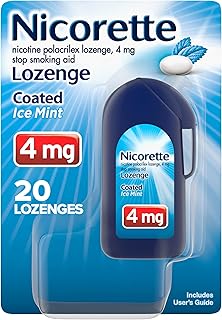


Cognitive Function: How nicotine affects cognitive processes such as memory, attention, and problem-solving abilities
Nicotine, a stimulant found in tobacco products, has a profound impact on cognitive function. It affects various mental processes, including memory, attention, and problem-solving abilities. Research indicates that nicotine can enhance certain aspects of cognitive performance, such as attention and reaction time, in the short term. However, chronic use can lead to impairments in these same areas.
One of the ways nicotine influences cognitive function is through its interaction with the brain's acetylcholine receptors. By mimicking acetylcholine, a neurotransmitter involved in memory and learning, nicotine can temporarily improve memory performance. However, long-term exposure can desensitize these receptors, leading to memory deficits.
Attention is another cognitive process affected by nicotine. While acute nicotine administration can improve focus and concentration, chronic use can result in decreased attention span and increased distractibility. This is particularly concerning for young people, as their brains are still developing and may be more susceptible to the negative effects of nicotine on attention.
Problem-solving abilities are also impacted by nicotine use. Studies have shown that chronic smokers may exhibit reduced flexibility in thinking and difficulty with complex problem-solving tasks. This could be due to nicotine's effect on the prefrontal cortex, an area of the brain responsible for executive functions such as planning and decision-making.
In conclusion, while nicotine may provide temporary cognitive benefits, chronic use can lead to significant impairments in memory, attention, and problem-solving abilities. It is essential to consider these potential long-term effects when evaluating the impact of nicotine on mental health.
Emotional Resilience: Mastering the Art of Unfazed Living
You may want to see also
Explore related products


Nicotine and Psychosis: Potential links between nicotine use and the development or worsening of psychotic symptoms
Recent studies have suggested a potential link between nicotine use and the development or worsening of psychotic symptoms. Nicotine, a stimulant found in tobacco products, has been shown to affect neurotransmitter systems in the brain, including dopamine and glutamate, which are implicated in the pathophysiology of psychosis. This has led researchers to investigate whether nicotine use may contribute to the onset or exacerbation of psychotic disorders.
One possible mechanism by which nicotine may influence psychosis is through its effects on dopamine release. Nicotine has been shown to increase dopamine levels in the brain, which can lead to heightened arousal and altered perception. In individuals with a predisposition to psychosis, this increase in dopamine may trigger or worsen psychotic symptoms such as hallucinations and delusions. Additionally, nicotine may also affect glutamate levels, another neurotransmitter involved in psychosis. Some studies have suggested that nicotine may reduce glutamate levels, which could potentially contribute to the development of psychotic symptoms.
Epidemiological studies have also provided evidence for a potential link between nicotine use and psychosis. Several studies have found that individuals with psychotic disorders are more likely to use tobacco products than the general population. Furthermore, some research has suggested that nicotine use may be associated with an earlier onset of psychotic symptoms and a more severe course of illness. However, it is important to note that these studies do not prove causation, and further research is needed to determine the exact nature of the relationship between nicotine and psychosis.
In terms of practical implications, these findings suggest that individuals with a history of psychosis or those at risk for developing psychosis should be cautious about using nicotine products. Healthcare providers should also consider the potential impact of nicotine use on mental health when treating patients with psychotic disorders. Additionally, public health campaigns aimed at reducing tobacco use may have an added benefit of improving mental health outcomes.
Overall, while the relationship between nicotine and psychosis is still under investigation, the available evidence suggests that there may be a link between the two. Further research is needed to fully understand this relationship and to develop effective interventions for individuals at risk.
Unveiling the Mental Impact: A Deep Dive into Depressants' Effects
You may want to see also
Frequently asked questions
Nicotine, a stimulant found in tobacco products, can have both immediate and long-term effects on mental health. In the short term, it can increase alertness and concentration, but it may also lead to anxiety and restlessness. Over time, nicotine dependence can develop, leading to withdrawal symptoms such as irritability, depression, and anxiety when trying to quit. Additionally, smoking has been linked to an increased risk of developing mental health disorders such as depression and schizophrenia.
While nicotine itself is not typically used as a treatment for mental health conditions, some studies have suggested that nicotine replacement therapy (NRT) may be beneficial for certain individuals with depression or anxiety disorders. NRT can help reduce withdrawal symptoms and cravings associated with quitting smoking, which may improve mental health outcomes. However, it is important to note that NRT should only be used under the guidance of a healthcare professional and in conjunction with other evidence-based treatments for mental health conditions.
If you have a mental health condition, using nicotine can pose several risks. Nicotine can exacerbate symptoms of anxiety and depression, and it may also interact with medications used to treat these conditions. Additionally, smoking has been linked to an increased risk of developing mental health disorders such as depression and schizophrenia. If you have a mental health condition and are considering using nicotine, it is important to discuss the potential risks and benefits with your healthcare provider.