Harper Lewis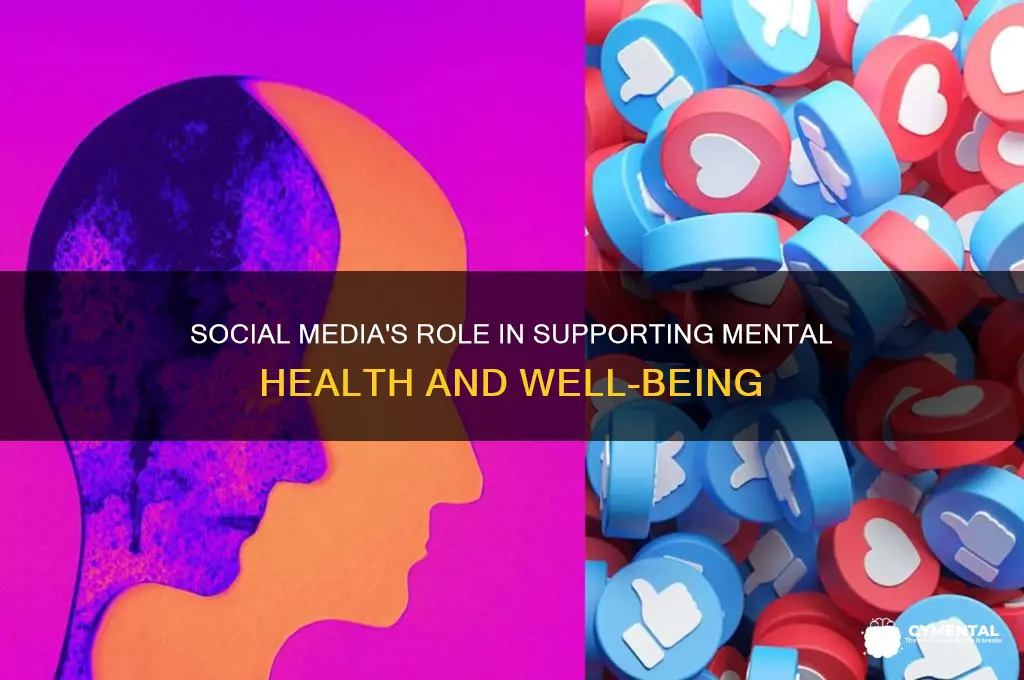
Social media, often criticized for its potential negative impacts, can also play a significant role in supporting mental health by fostering connections, providing access to resources, and creating communities of support. Platforms like Instagram, Twitter, and Facebook enable individuals to share their experiences, reducing feelings of isolation and stigma surrounding mental health issues. Online support groups and forums offer safe spaces for people to seek advice, share coping strategies, and find empathy from others facing similar challenges. Additionally, mental health organizations and professionals use social media to disseminate valuable information, tools, and mindfulness practices, making mental health care more accessible. While it’s essential to use social media mindfully, its potential to promote awareness, connection, and support highlights its dual role as both a tool and a resource for mental well-being.
Explore related products

$15.69 $31.95


What You'll Learn
- Connection and Support: Social media fosters communities, offering emotional support and reducing feelings of isolation
- Awareness Campaigns: Platforms amplify mental health advocacy, reducing stigma and promoting understanding
- Access to Resources: Provides easy access to mental health tools, helplines, and professional advice
- Self-Expression Outlets: Creative tools on social media allow users to express emotions and experiences
- Positive Distraction: Engaging content can offer temporary relief from stress and negative thoughts

Connection and Support: Social media fosters communities, offering emotional support and reducing feelings of isolation
Social media platforms have become digital town squares where individuals can find their tribes, often connecting with others who share similar experiences, struggles, or passions. For those grappling with mental health challenges, these online communities can serve as lifelines, offering a sense of belonging that might be missing in their offline lives. Consider the rise of Facebook groups dedicated to anxiety disorders or Reddit threads where users share coping strategies for depression. These spaces allow people to express themselves without fear of judgment, fostering an environment where vulnerability is met with empathy rather than stigma.
To harness this benefit effectively, start by identifying niche communities tailored to your specific needs. For instance, if you’re a young adult dealing with ADHD, search for forums or Instagram accounts focused on this topic. Engage actively but mindfully—spend 15–20 minutes daily participating in discussions, sharing your story, or offering support to others. Avoid passive scrolling, which can lead to comparison or overwhelm. Instead, use these platforms as tools for active connection, setting boundaries to ensure the interactions remain positive and uplifting.
A cautionary note: not all online communities are created equal. Some may perpetuate misinformation or foster negativity. Before fully investing in a group, assess its tone and moderation. Look for spaces that prioritize kindness, evidence-based advice, and constructive dialogue. If a community feels toxic or triggers anxiety, don’t hesitate to leave. Your mental health should always come first, even in the pursuit of connection.
The power of these communities lies in their ability to bridge geographical gaps, providing support to individuals who might otherwise feel isolated. For example, someone in a rural area with limited access to mental health resources can connect with therapists, advocates, or peers worldwide via Twitter or LinkedIn. This global reach not only offers emotional solace but also exposes users to diverse perspectives, enriching their understanding of their own struggles.
In conclusion, social media’s role in fostering connection and support is undeniable, but it requires intentional use. By selecting the right communities, engaging actively, and setting boundaries, individuals can transform these platforms into powerful tools for mental well-being. Remember, the goal isn’t to replace real-life relationships but to complement them, creating a robust support network that spans both the digital and physical worlds.
Ice Bucket Challenge: Uniting Communities, Raising Awareness, and Boosting Mental Health
You may want to see also
Explore related products


Awareness Campaigns: Platforms amplify mental health advocacy, reducing stigma and promoting understanding
Social media platforms have become powerful tools for mental health advocacy, leveraging their vast reach to amplify awareness campaigns that challenge stigma and foster understanding. By sharing personal stories, expert insights, and actionable resources, these campaigns create a collective voice that normalizes conversations around mental health. For instance, hashtags like #MentalHealthAwareness and #EndTheStigma have mobilized millions, encouraging users to share their experiences and support others. This digital activism not only educates but also empowers individuals to seek help without fear of judgment.
Consider the mechanics of these campaigns: they often follow a structured approach to maximize impact. First, they identify a clear message, such as "It’s okay to not be okay," which resonates with diverse audiences. Next, they use visually engaging content—infographics, videos, and testimonials—to simplify complex topics like anxiety or depression. Platforms like Instagram and TikTok, with their algorithm-driven feeds, ensure these messages reach younger demographics, who are both highly active users and particularly vulnerable to mental health challenges. For example, a 30-second TikTok video explaining the signs of burnout can garner millions of views, far surpassing traditional outreach methods.
However, the effectiveness of these campaigns hinges on authenticity and sensitivity. Missteps, such as oversimplifying mental health issues or using sensationalist language, can undermine their purpose. Advocates must balance awareness with accuracy, ensuring content is evidence-based and avoids perpetuating myths. For instance, a campaign highlighting the benefits of therapy should include disclaimers about its limitations and the importance of professional guidance. Additionally, platforms must prioritize user safety by moderating comments and providing crisis resources, such as helpline numbers or links to mental health organizations.
The takeaway is clear: social media awareness campaigns are not just about visibility; they are about creating actionable change. By reducing stigma, they encourage early intervention and foster a culture of empathy. For individuals, engaging with these campaigns can be a first step toward understanding their own mental health or supporting loved ones. Organizations, meanwhile, can leverage these platforms to reach underserved communities, offering tailored resources in multiple languages or addressing culturally specific barriers to care. When executed thoughtfully, these campaigns transform social media from a passive scroll into an active force for mental health advocacy.
Melodies of Healing: Music's Powerful Impact on Mental Well-Being
You may want to see also
Explore related products


$12.23 $14.39


Access to Resources: Provides easy access to mental health tools, helplines, and professional advice
Social media platforms have become digital gateways to a wealth of mental health resources, offering users immediate access to tools and support that were once difficult to find. From crisis helplines to therapeutic apps, these platforms connect individuals with the help they need, often at the exact moment they need it. For instance, Instagram and Twitter frequently feature pinned posts or bios with emergency contact numbers, such as the National Suicide Prevention Lifeline (988 in the U.S.), ensuring users can find critical support with a single tap. This accessibility is particularly vital for those who may feel isolated or unsure of where to turn during a mental health crisis.
Consider the practical steps to leverage these resources effectively. First, follow verified mental health accounts like those of the World Health Organization or local mental health charities, which often share evidence-based tools and advice. Second, explore platforms like TikTok or YouTube, where mental health professionals post short, actionable videos on topics like mindfulness techniques or stress management. For example, a 5-minute guided meditation video can serve as a quick reset during a stressful day. Third, utilize apps linked in social media bios, such as Calm or Headspace, which offer structured programs for anxiety or sleep issues, often with free trials or discounted rates for students.
However, not all resources shared on social media are created equal. While platforms democratize access to information, they also host unverified or harmful content. To navigate this, prioritize sources backed by credentials—look for accounts run by licensed therapists, psychologists, or reputable organizations. Avoid self-proclaimed "gurus" without professional qualifications, and cross-reference advice with trusted websites like the American Psychological Association. Additionally, be cautious of oversharing personal struggles in public forums; instead, use direct messaging features to connect with professionals or helplines for private, tailored guidance.
The comparative advantage of social media in this context lies in its ability to bridge gaps in mental health care, especially for underserved populations. For teenagers and young adults, who are both heavy social media users and at high risk for mental health issues, platforms like Snapchat or Instagram can serve as lifelines. For example, The Trevor Project’s social media campaigns provide LGBTQ+ youth with access to crisis counselors via text or chat, meeting them where they spend the most time online. Similarly, in regions with limited mental health infrastructure, social media can connect individuals to global resources, such as free online therapy sessions or multilingual helplines.
In conclusion, social media’s role in providing access to mental health resources is transformative, but it requires mindful engagement. By following credible accounts, utilizing linked tools, and exercising caution, users can harness these platforms to support their well-being effectively. Whether it’s a late-night crisis or a daily need for coping strategies, social media ensures that help is never more than a click away—a powerful reminder that in the digital age, connection can be a form of care.
Kick Stress Away: Soccer's Surprising Mental Health Benefits
You may want to see also
Explore related products




Self-Expression Outlets: Creative tools on social media allow users to express emotions and experiences
Social media platforms have become digital canvases where users paint their emotions, experiences, and identities. From Instagram’s Reels to TikTok’s short-form videos, creative tools enable individuals to transform abstract feelings into tangible art. For instance, a teenager struggling with anxiety might use Canva to design a mood board reflecting their inner turmoil, or a survivor of trauma could share a spoken word poem on YouTube. These outlets aren’t just about sharing—they’re about processing, releasing, and connecting through creativity.
Consider the therapeutic power of storytelling. Platforms like Twitter Threads or Instagram Stories allow users to break down complex emotions into digestible, shareable narratives. A study published in *Cyberpsychology, Behavior, and Social Networking* found that expressive writing on social media can reduce stress and improve mood. For example, a user might craft a series of tweets about their journey with depression, incorporating visuals, hashtags, and even interactive polls to engage their audience. This process not only helps the creator but also fosters empathy among followers, creating a ripple effect of understanding.
However, not all self-expression is created equal. While creative tools can be liberating, they require intentionality. A poorly executed post—one that overshares or lacks context—can lead to unintended consequences, such as judgment or misinterpretation. For instance, a teenager posting a raw, unfiltered video about their self-harm scars might face backlash instead of support. To mitigate this, users should consider setting boundaries, such as using pseudonyms, limiting audience reach, or pairing vulnerable content with trigger warnings.
Practical tips for leveraging these tools effectively include starting small—a single Instagram carousel post or a 15-second TikTok—to test the waters. Engaging with communities that align with your experiences, like mental health advocacy groups on Reddit or art therapy pages on Pinterest, can provide a safe space for feedback. Additionally, combining creativity with professional guidance, such as using journaling prompts from a therapist and sharing them on a private blog, can deepen the therapeutic impact.
Ultimately, social media’s creative tools are a double-edged sword—powerful in their ability to heal but requiring mindfulness to wield. By approaching self-expression with intention, users can transform their digital presence into a sanctuary for emotional release and connection, turning likes and comments into affirmations of shared humanity.
Assessing Mental Illness Impairment: Essential Tools for Clinicians
You may want to see also
Explore related products


Positive Distraction: Engaging content can offer temporary relief from stress and negative thoughts
Social media platforms are often designed to capture attention with engaging, bite-sized content that can act as a mental escape. For individuals grappling with stress or negative thought patterns, this content serves as a positive distraction, temporarily shifting focus away from overwhelming emotions. Research suggests that short, immersive activities—like watching a 2-minute comedy clip or scrolling through uplifting artwork—can reduce cortisol levels by up to 15% in as little as 10 minutes. The key lies in the content’s ability to activate the brain’s reward system, releasing dopamine and creating a sense of relief without requiring deep cognitive effort.
However, not all distractions are created equal. To maximize the benefits, users should prioritize content that aligns with their interests and avoids triggering topics. For example, someone anxious about work might find solace in nature photography or animal videos, while another might benefit from quick, interactive quizzes. A practical tip is to curate a "mental health playlist" of saved posts or accounts that consistently provide calming or joyful content. Limiting sessions to 15–20 minutes ensures the distraction remains positive, preventing the mindless scrolling that can exacerbate stress.
Contrast this with passive consumption, which often leads to comparison or information overload. Active engagement—such as commenting on a post, participating in a poll, or creating content—amplifies the distraction’s effectiveness. Studies show that interactive activities reduce rumination by 25% more than passive scrolling. For instance, joining a live Q&A session about a hobby or contributing to a collaborative art project on Instagram can foster a sense of connection and accomplishment, further enhancing the relief.
A cautionary note: while positive distraction is a valuable tool, it should not replace long-term coping strategies. Over-reliance on social media for stress relief can lead to decreased emotional resilience. To strike a balance, pair social media breaks with offline activities like deep breathing exercises or journaling. For younger users (ages 13–25), who are more susceptible to digital dependency, setting a daily timer for distraction-focused scrolling can help maintain boundaries. When used mindfully, engaging content becomes a healthy pause button, not a permanent escape.
Music's Power: Boosting Middle Schoolers' Mental Health and Well-Being
You may want to see also
Frequently asked questions
Social media connects individuals with friends, family, and communities, providing a sense of belonging and reducing isolation, especially for those who may be physically distant or have limited social opportunities.
Yes, social media platforms often share mental health information, connect users to support groups, and provide access to professionals, making it easier for people to seek help and learn coping strategies.
Social media allows users to express themselves through posts, art, and stories, which can boost self-confidence, provide emotional release, and create a positive outlet for creativity.
Yes, social media campaigns and hashtags amplify conversations about mental health, reduce stigma, and encourage individuals to share their experiences and seek support.