Caleb Wright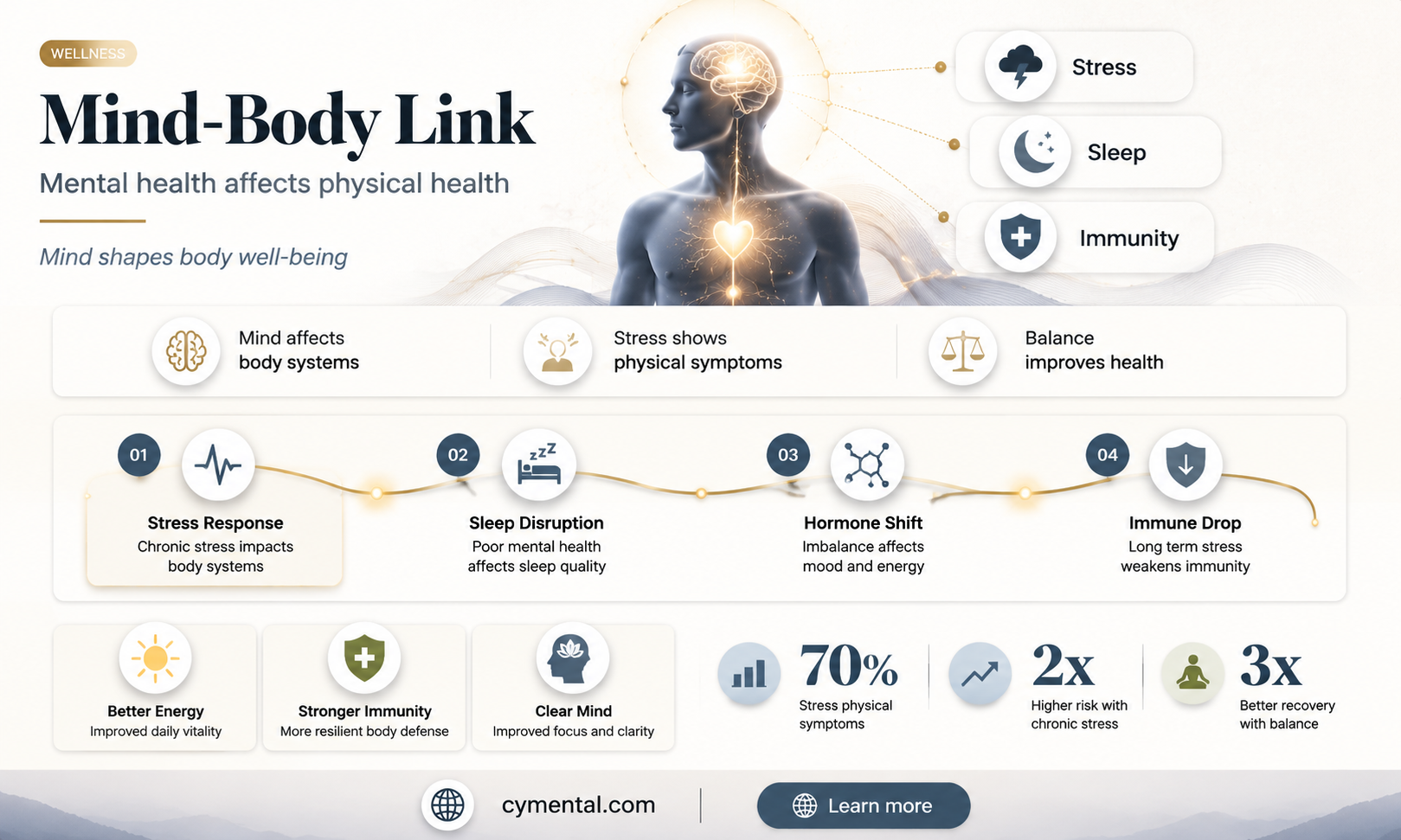
Poor mental health can have a profound impact on physical health, as the two are deeply interconnected. When mental health suffers, it can lead to a range of physical symptoms and conditions. For instance, chronic stress and anxiety can weaken the immune system, making the body more susceptible to illnesses. Depression can cause fatigue, muscle tension, and changes in appetite, which can lead to weight gain or loss. Additionally, poor mental health can exacerbate existing physical conditions, such as heart disease, diabetes, and chronic pain. It's essential to recognize the signs of mental health struggles and seek help, as addressing mental health issues can significantly improve physical well-being.
| Characteristics | Values |
|---|---|
| Increased stress levels | Can lead to chronic diseases like heart disease and diabetes |
| Weakened immune system | Makes the body more susceptible to illnesses and infections |
| Poor sleep quality | Can cause fatigue, decreased energy levels, and impaired cognitive function |
| Changes in appetite | May result in weight gain or loss, and nutritional deficiencies |
| Reduced physical activity | Can contribute to a sedentary lifestyle and increased risk of obesity |
| Increased risk of substance abuse | May lead to addiction and further physical health complications |
| Impaired cognitive function | Can affect decision-making, problem-solving, and memory |
| Decreased self-care | May result in neglecting physical health needs and poor hygiene |
| Increased risk of accidents and injuries | Due to impaired judgment and reaction time |
| Shortened life expectancy | Poor mental health can have a significant impact on overall health and longevity |
Explore related products

$6.99 $10.99


What You'll Learn
- Increased Stress Levels: Chronic stress can lead to physical symptoms like headaches, muscle tension, and fatigue
- Weakened Immune System: Mental health issues can compromise your immune system, making you more susceptible to illnesses
- Sleep Disturbances: Poor mental health often results in insomnia or hypersomnia, affecting overall physical well-being
- Changes in Appetite: Mental health struggles can cause significant changes in eating habits, leading to weight gain or loss
- Reduced Physical Activity: Depression and anxiety can decrease motivation for exercise, contributing to a sedentary lifestyle

Increased Stress Levels: Chronic stress can lead to physical symptoms like headaches, muscle tension, and fatigue
Chronic stress can manifest in a myriad of physical symptoms, often overlooked until they become debilitating. One of the most common physical manifestations of increased stress levels is headaches. These can range from mild tension headaches to severe migraines, often accompanied by other symptoms such as nausea and sensitivity to light. The constant state of alertness that characterizes chronic stress leads to the overproduction of stress hormones like cortisol, which can cause blood vessels in the brain to constrict and then dilate, triggering headaches.
Muscle tension is another prevalent physical symptom of chronic stress. When the body is under stress, muscles tend to tighten up as part of the fight-or-flight response. Over time, this can lead to chronic muscle pain and stiffness, particularly in the neck, shoulders, and back. This tension can also contribute to poor posture and musculoskeletal disorders if left unaddressed.
Fatigue is a debilitating symptom that can significantly impact daily functioning. Chronic stress can lead to adrenal fatigue, where the adrenal glands, responsible for producing stress hormones, become overworked and unable to function optimally. This can result in persistent tiredness, even after adequate rest, and can affect overall energy levels and the ability to cope with daily stressors.
Moreover, chronic stress can have a ripple effect on various bodily systems. It can weaken the immune system, making the body more susceptible to illnesses and infections. Stress can also disrupt sleep patterns, leading to insomnia or hypersomnia, both of which can exacerbate physical symptoms and impair cognitive function.
To mitigate these physical symptoms, it is crucial to address the root cause of the stress. This may involve lifestyle changes such as regular exercise, a balanced diet, and adequate sleep. Mindfulness practices like meditation and yoga can also be beneficial in reducing stress levels. In some cases, professional help from a therapist or counselor may be necessary to develop effective coping strategies and address underlying issues contributing to the stress.
In conclusion, the physical symptoms of chronic stress, including headaches, muscle tension, and fatigue, can have a profound impact on overall health and well-being. Recognizing these symptoms and taking proactive steps to manage stress can help prevent long-term health complications and improve quality of life.
Digital Detox: Unraveling the Impact of Screen Time on Mental Health
You may want to see also
Explore related products


Weakened Immune System: Mental health issues can compromise your immune system, making you more susceptible to illnesses
Chronic stress, a common byproduct of mental health issues, has been shown to significantly weaken the immune system. This occurs because prolonged exposure to stress hormones like cortisol suppresses the immune response, making the body less effective at fighting off infections. Individuals struggling with mental health conditions such as depression and anxiety are therefore more prone to illnesses like the common cold, flu, and even more severe infections.
Moreover, mental health issues can lead to poor lifestyle choices that further compromise the immune system. For instance, individuals may turn to unhealthy coping mechanisms such as smoking, excessive alcohol consumption, or poor dietary habits, all of which have negative impacts on immune function. Additionally, lack of sleep, which is often associated with mental health disorders, can disrupt the body's natural immune processes, leaving it more vulnerable to disease.
Research has also indicated that mental health conditions can affect the body's ability to respond to vaccinations. For example, studies have shown that individuals with depression may have a reduced response to flu vaccines, making them more susceptible to influenza despite being vaccinated. This highlights the interconnectedness of mental and physical health, and the importance of addressing mental health issues to maintain a strong immune system.
In terms of practical steps, managing stress through techniques such as meditation, yoga, or deep breathing exercises can help mitigate the negative effects on the immune system. Seeking professional help for mental health issues, maintaining a balanced diet, getting regular exercise, and ensuring adequate sleep are also crucial for supporting immune function. By taking a holistic approach to health, individuals can reduce their susceptibility to illnesses and improve their overall well-being.
The Impact of Mental and Emotional Illnesses on Social Well-being
You may want to see also
Explore related products


Sleep Disturbances: Poor mental health often results in insomnia or hypersomnia, affecting overall physical well-being
Sleep disturbances, such as insomnia and hypersomnia, are common manifestations of poor mental health that can significantly impact physical well-being. Insomnia, characterized by difficulty falling asleep or staying asleep, can lead to chronic fatigue, impaired cognitive function, and increased risk of accidents. On the other hand, hypersomnia, marked by excessive daytime sleepiness, can disrupt daily activities and lead to social and occupational impairment.
Research has shown that individuals with mental health conditions such as depression, anxiety, and bipolar disorder are more likely to experience sleep disturbances. For example, a study published in the Journal of Clinical Psychiatry found that 75% of patients with major depressive disorder experienced insomnia, while another study in the journal Sleep Medicine revealed that 40% of individuals with generalized anxiety disorder had hypersomnia.
The impact of sleep disturbances on physical health can be far-reaching. Chronic insomnia has been linked to an increased risk of cardiovascular disease, obesity, and diabetes, while hypersomnia can contribute to weight gain, decreased libido, and impaired immune function. Furthermore, sleep disturbances can exacerbate existing physical health conditions, making it more challenging to manage symptoms and adhere to treatment regimens.
Addressing sleep disturbances is crucial for maintaining overall health and well-being. Cognitive-behavioral therapy for insomnia (CBT-I) is a non-pharmacological treatment that has been shown to be effective in improving sleep quality and reducing the need for sleep medications. Lifestyle modifications, such as maintaining a consistent sleep schedule, creating a relaxing bedtime routine, and avoiding caffeine and alcohol before bedtime, can also help alleviate sleep disturbances.
In conclusion, sleep disturbances are a significant concern for individuals with poor mental health, as they can have a profound impact on physical well-being. By addressing sleep disturbances through evidence-based treatments and lifestyle modifications, individuals can improve their overall health and quality of life.
Debunking Wellness Myths: The Surprising Factor That Doesn't Matter
You may want to see also
Explore related products


Changes in Appetite: Mental health struggles can cause significant changes in eating habits, leading to weight gain or loss
Changes in appetite are a common symptom of mental health struggles, often leading to noticeable weight fluctuations. This can manifest as either an increase or decrease in food consumption, both of which can have detrimental effects on physical health. For instance, individuals experiencing depression may find themselves overeating as a coping mechanism, leading to weight gain and associated health risks such as diabetes and cardiovascular disease. Conversely, those with anxiety disorders might lose weight due to a lack of appetite, which can result in malnutrition and weakened immune function.
The relationship between mental health and appetite is complex, involving both psychological and physiological factors. Stress, for example, can disrupt the body's natural hunger signals, leading to irregular eating patterns. Furthermore, certain medications used to treat mental health conditions can also impact appetite, either by stimulating or suppressing it. It is crucial for individuals to be aware of these potential side effects and to consult with their healthcare providers if they notice significant changes in their eating habits.
In addition to the direct physical consequences, changes in appetite can also exacerbate mental health symptoms. Weight gain can lead to feelings of guilt and shame, further contributing to depressive episodes. On the other hand, weight loss can cause fatigue and irritability, which can worsen anxiety and other mental health conditions. Therefore, maintaining a balanced diet and regular eating schedule is essential for both physical and mental well-being.
To address these issues, a multifaceted approach is necessary. This may include cognitive-behavioral therapy to identify and address underlying psychological factors contributing to changes in appetite. Additionally, nutritional counseling can help individuals develop healthy eating habits and meal plans tailored to their specific needs. In some cases, medication adjustments may be necessary to mitigate side effects that impact appetite. By treating both the mental and physical aspects of this symptom, individuals can work towards achieving a healthier balance in their lives.
Navigating Choices: The Impact of Stress and Mental Health on Decision-Making
You may want to see also
Explore related products


Reduced Physical Activity: Depression and anxiety can decrease motivation for exercise, contributing to a sedentary lifestyle
Depression and anxiety can significantly impact an individual's motivation to engage in physical activity, leading to a sedentary lifestyle. This reduction in physical activity can have far-reaching consequences on physical health, exacerbating the negative effects of poor mental health.
One of the primary ways in which depression and anxiety contribute to reduced physical activity is through the symptom of fatigue. Individuals experiencing these mental health conditions often report feeling tired and lacking the energy to engage in exercise or other physical activities. This fatigue can be both physical and mental, making it difficult to muster the motivation to get up and move.
Additionally, depression and anxiety can lead to a decrease in self-esteem and self-efficacy, further discouraging physical activity. Individuals may feel that they are not capable of engaging in exercise or that it will not make a difference in their mental health, leading to a cycle of inactivity and worsening mental health symptoms.
The impact of reduced physical activity on physical health can be significant. A sedentary lifestyle has been linked to a range of health problems, including obesity, cardiovascular disease, and type 2 diabetes. Furthermore, the lack of physical activity can also contribute to muscle weakness, bone density loss, and a decreased immune system function.
Breaking the cycle of reduced physical activity can be challenging, but it is essential for improving both mental and physical health. Strategies such as setting small, achievable goals, finding enjoyable physical activities, and seeking support from friends, family, or mental health professionals can be helpful in increasing motivation and overcoming the barriers to physical activity posed by depression and anxiety.
Nourishing Your Mind: The Profound Impact of Diet on Mental Health
You may want to see also
Frequently asked questions
Poor mental health can significantly impact physical health through various mechanisms, including increased stress levels, compromised immune function, and a higher likelihood of engaging in unhealthy behaviors.
Specific physical health issues linked to poor mental health include cardiovascular diseases, chronic pain, digestive problems, and a weakened immune system. Additionally, mental health struggles can exacerbate existing physical conditions.
Yes, poor mental health can lead to changes in appetite and sleep patterns. Individuals may experience either an increase or decrease in appetite, and sleep disturbances such as insomnia or oversleeping are common.
Neglecting mental health can have long-term consequences on physical well-being, including an increased risk of chronic diseases, reduced life expectancy, and a diminished overall quality of life.
Strategies to mitigate the impact of poor mental health on physical health include seeking professional help, practicing stress management techniques, maintaining a healthy lifestyle, engaging in regular physical activity, and fostering strong social connections.