Harper Lewis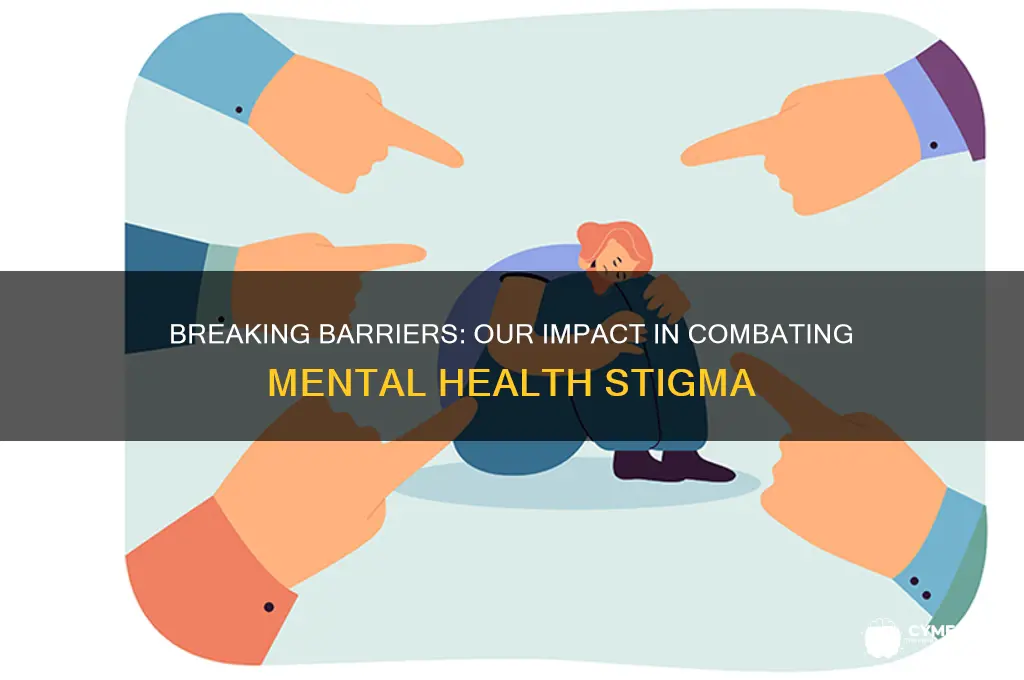
The fight against the stigma surrounding mental illness has been a collective effort involving advocacy, education, and policy changes. Over the years, organizations, healthcare professionals, and individuals have worked tirelessly to raise awareness, challenge misconceptions, and promote understanding. Campaigns like Mental Health Awareness Month and initiatives such as the National Alliance on Mental Illness (NAMI) have played pivotal roles in destigmatizing mental health issues by sharing personal stories, providing resources, and fostering open conversations. Social media platforms have also become powerful tools, allowing people to share their experiences and build supportive communities. Additionally, workplaces and schools have implemented mental health programs and training to create safer, more inclusive environments. While progress has been made, the journey continues, as ongoing efforts are essential to ensure that mental health is treated with the same urgency and compassion as physical health.
Explore related products

$37.54 $72


What You'll Learn
- Public Awareness Campaigns: Educating society through media, events, and influencers to normalize mental health conversations
- Celebrity Advocacy: High-profile figures sharing personal struggles to reduce shame and inspire others
- Workplace Initiatives: Promoting mental health policies and resources to support employees openly
- School Programs: Integrating mental health education into curricula to foster understanding from a young age
- Community Support Groups: Creating safe spaces for individuals to share experiences and combat isolation

Public Awareness Campaigns: Educating society through media, events, and influencers to normalize mental health conversations
Public awareness campaigns have become a cornerstone in the fight against the stigma of mental illness, leveraging media, events, and influencers to normalize conversations around mental health. By strategically placing these discussions in everyday contexts, campaigns have shifted societal perceptions from silence and shame to openness and understanding. For instance, the *Time to Change* campaign in the UK utilized television, social media, and community events to share personal stories of mental health struggles, reducing stigma among participants by 4.1% over five years. This data underscores the power of sustained, multi-platform efforts in fostering empathy and awareness.
One of the most effective strategies in these campaigns is the use of influencers—celebrities, athletes, and social media personalities—who share their own mental health journeys. When public figures like Simone Biles or Prince Harry openly discuss therapy, anxiety, or depression, they humanize these experiences for millions. A study by the American Psychological Association found that 70% of young adults are more likely to seek help after seeing a public figure speak about mental health. This highlights the ripple effect of influencer-led narratives, which bridge the gap between personal struggles and collective understanding.
Media platforms, particularly social media, have also played a pivotal role in amplifying mental health messages. Campaigns like *Bell Let’s Talk* in Canada encourage users to share stories, with each post triggering a donation to mental health initiatives. In 2023, the campaign generated over 160 million interactions, demonstrating how digital engagement can drive both awareness and funding. However, the challenge lies in ensuring these messages are not reduced to mere hashtags. Pairing viral trends with educational content—such as infographics on recognizing symptoms or lists of local resources—can deepen their impact.
Events, both virtual and in-person, provide another layer to public awareness campaigns by creating spaces for dialogue and connection. Mental Health Awareness Month in May, for example, features walks, webinars, and workshops that engage communities directly. These events often include actionable steps, such as teaching participants how to perform a mental health check-in or providing scripts for starting conversations with loved ones. By combining education with interaction, events transform passive awareness into active advocacy.
Despite their successes, public awareness campaigns must navigate pitfalls to remain effective. Over-simplification of mental health issues can lead to misinformation, while tokenistic efforts risk trivializing serious struggles. Campaigns should prioritize diversity, ensuring they represent a range of experiences across age, race, and socioeconomic backgrounds. For instance, the *Seize the Awkward* campaign targets teens and young adults with culturally relevant messaging, offering practical tips like “Start small—ask, ‘How are you *really*?’” This tailored approach fosters inclusivity and relevance, making the conversation accessible to all.
In conclusion, public awareness campaigns serve as a dynamic tool in destigmatizing mental illness, but their success hinges on authenticity, inclusivity, and actionable content. By harnessing the reach of media, the relatability of influencers, and the engagement of events, these campaigns can continue to reshape societal attitudes. The ultimate goal is not just to normalize mental health conversations but to embed them into the fabric of everyday life, ensuring no one feels alone in their struggle.
Apple Cider Vinegar and Mental Health: Fact or Fiction?
You may want to see also
Explore related products


Celebrity Advocacy: High-profile figures sharing personal struggles to reduce shame and inspire others
Celebrities wield immense cultural influence, and when they openly discuss their mental health struggles, the impact can be transformative. Consider the ripple effect of Lady Gaga’s revelation about living with PTSD or Dwayne “The Rock” Johnson’s candid discussion of depression. These high-profile figures normalize vulnerability, dismantling the myth that mental illness is a sign of weakness. By sharing their stories, they grant permission for millions to acknowledge their own struggles without fear of judgment. This act of transparency doesn’t just humanize celebrities; it reframes mental health as a universal experience, not a taboo.
However, the power of celebrity advocacy isn’t just in the confession—it’s in the follow-through. For instance, Prince Harry’s public therapy sessions and his work with the Heads Together campaign go beyond personal disclosure. They actively model healthy coping mechanisms and encourage others to seek help. Similarly, Selena Gomez’s production of a mental health documentary series provides educational value, pairing her story with expert insights. These actions transform celebrity struggles into actionable resources, bridging the gap between awareness and action.
Yet, there’s a cautionary note: not all celebrity disclosures are created equal. When mental health is treated as a fleeting PR move or oversimplified, it risks trivializing the issue. For example, a single Instagram post about “self-care” without context or depth can feel performative. Effective advocacy requires authenticity, consistency, and a commitment to the cause. Celebrities must leverage their platforms responsibly, ensuring their messages are informed, empathetic, and aligned with broader mental health initiatives.
To maximize the impact of celebrity advocacy, consider these practical steps: First, encourage celebrities to partner with mental health organizations to amplify credible information. Second, promote long-term campaigns rather than one-off statements. Third, highlight diverse voices within the celebrity sphere to address the unique stigma faced by different communities. For instance, Taraji P. Henson’s advocacy for Black mental health brings much-needed attention to racial disparities in care. By combining personal narratives with strategic action, celebrities can turn their struggles into catalysts for systemic change.
Can Lawyers Improve Mental Health Outcomes in Legal Cases?
You may want to see also
Explore related products

$6.99 $14.99


Workplace Initiatives: Promoting mental health policies and resources to support employees openly
Workplaces are increasingly recognizing that mental health is as critical as physical health, and forward-thinking organizations are implementing policies to foster open conversations and provide tangible support. One effective strategy is the integration of mental health days into employee benefit packages, distinct from sick leave, to encourage workers to take time off for emotional well-being without stigma. For instance, companies like LinkedIn and Deloitte offer a set number of mental health days annually, normalizing the practice and signaling that self-care is a priority. This approach not only reduces burnout but also sets a precedent for other organizations to follow suit.
Another impactful initiative is the creation of Employee Assistance Programs (EAPs) that offer confidential counseling services, often free of charge. These programs typically include access to licensed therapists, stress management workshops, and resources for addressing substance abuse or personal crises. For example, Google’s EAP provides up to 20 counseling sessions per issue, ensuring employees have the support they need without financial barriers. Pairing EAPs with awareness campaigns, such as Mental Health Awareness Month activities, further encourages utilization and reduces the fear of judgment.
Training managers to recognize signs of mental health struggles and respond appropriately is equally vital. Programs like Mental Health First Aid (MHFA) teach supervisors how to identify warning signs—such as changes in behavior, productivity, or mood—and guide employees toward appropriate resources. A study by the National Council for Mental Wellbeing found that MHFA-trained managers are more confident in addressing mental health issues, leading to earlier interventions and a more supportive workplace culture. This training should be mandatory for leadership roles and refreshed periodically to stay relevant.
Finally, fostering peer support through Employee Resource Groups (ERGs) focused on mental health can create safe spaces for open dialogue. For instance, Unilever’s "Wellbeing ERG" organizes regular check-ins, mindfulness sessions, and storytelling events where employees share their experiences. Such groups not only combat isolation but also empower individuals to advocate for themselves and others. When combined with leadership buy-in and visible participation, these initiatives send a powerful message: mental health matters, and seeking help is a sign of strength, not weakness.
Edison Municipal Mental Health Support: Resources and Assistance Available
You may want to see also
Explore related products



School Programs: Integrating mental health education into curricula to foster understanding from a young age
Mental health education in schools is no longer a fringe idea but a necessary cornerstone in the fight against stigma. By integrating age-appropriate lessons into existing curricula, educators can normalize conversations about mental well-being, equipping students with the vocabulary and empathy needed to understand their own experiences and those of their peers. This proactive approach begins to dismantle stigma before it solidifies into harmful attitudes and behaviors.
Consider the following implementation strategy: Start with foundational concepts in early elementary grades, such as identifying emotions and practicing mindfulness through simple breathing exercises (e.g., "belly breathing" for 1–2 minutes daily). Progress to more complex topics in middle school, like stress management techniques and recognizing signs of anxiety or depression in oneself or others. By high school, curricula can include in-depth discussions on mental health disorders, resilience-building strategies, and resources for seeking help, such as peer support groups or crisis hotlines. This tiered approach ensures that students receive developmentally appropriate information at each stage, fostering a cumulative understanding of mental health.
However, successful integration requires careful consideration of potential pitfalls. Teachers must receive adequate training to deliver sensitive content without perpetuating misconceptions or triggering students. For instance, avoid oversimplifying diagnoses or using stigmatizing language like "crazy" or "weak." Instead, emphasize that mental health challenges are common, treatable, and not a reflection of personal failure. Additionally, ensure lessons are interactive and engaging—role-playing scenarios, group discussions, and multimedia resources can make abstract concepts more tangible and relatable.
A compelling example of this approach is the Mental Health Foundation’s "Be You" program in Australia, which provides schools with tools to embed mental health education across all year levels. Evaluations show that students in participating schools report greater empathy, improved emotional literacy, and increased willingness to seek help for themselves or others. Similarly, the UK’s PSHE (Personal, Social, Health, and Economic) education framework mandates mental health lessons, with studies indicating a 20% reduction in stigmatizing attitudes among students who complete the program.
The takeaway is clear: school-based mental health education is not just about imparting knowledge but about cultivating a culture of compassion and understanding. By addressing stigma early and systematically, we can empower young people to navigate their mental health journeys with confidence and support their peers in doing the same. This investment in early education yields long-term dividends, creating a generation better equipped to challenge stigma and prioritize well-being.
Prisons vs. Treatment: Do Jails Help or Harm the Mentally Ill?
You may want to see also
Explore related products


Community Support Groups: Creating safe spaces for individuals to share experiences and combat isolation
Community support groups have emerged as vital sanctuaries for individuals grappling with mental health challenges, offering a unique blend of empathy, understanding, and shared experience. Unlike clinical settings, these groups prioritize peer-to-peer interaction, fostering an environment where participants feel seen, heard, and validated. By creating safe spaces, they dismantle the isolating walls of stigma, allowing members to openly discuss their struggles without fear of judgment. This collective vulnerability not only normalizes mental health conversations but also empowers individuals to take control of their narratives.
Consider the structure of these groups: typically led by trained facilitators or experienced peers, they follow a format that encourages active participation while respecting personal boundaries. For instance, a weekly meeting might begin with a check-in round, where each member shares their current emotional state using a scale of 1 to 10. This simple practice not only fosters accountability but also provides a snapshot of the group’s collective well-being. Practical tips, such as setting ground rules (e.g., confidentiality, no interruptions) and incorporating mindfulness exercises, further enhance the sense of safety and focus. For younger participants (ages 18–25), incorporating technology—like anonymous chat features during meetings—can make the experience more accessible and less intimidating.
The impact of these groups extends beyond the meeting room. Studies show that regular attendance correlates with reduced symptoms of anxiety and depression, increased self-esteem, and improved social functioning. For example, a 2021 study published in the *Journal of Community Psychology* found that participants in peer-led support groups reported a 30% decrease in feelings of isolation after just three months. This is particularly significant for marginalized communities, where stigma often intersects with systemic barriers to care. By providing a culturally sensitive space, these groups address unique challenges, such as language barriers or religious beliefs, ensuring inclusivity.
However, establishing and maintaining such groups requires careful consideration. Facilitators must balance structure with flexibility, ensuring that meetings remain participant-centered while addressing potential conflicts. For instance, a member monopolizing the conversation can deter others from sharing. To mitigate this, facilitators can gently enforce time limits or introduce breakout sessions for deeper discussions. Additionally, sustainability is key: groups should explore funding options, such as partnerships with local nonprofits or crowdfunding, to ensure long-term viability.
In conclusion, community support groups serve as powerful tools in the fight against mental health stigma by fostering connection, understanding, and resilience. Their success lies in their ability to transform isolation into solidarity, one conversation at a time. For those looking to start or join such a group, the National Alliance on Mental Illness (NAMI) offers a directory of local resources, while platforms like Meetup provide virtual options for those in remote areas. By embracing these spaces, individuals not only find support but also become advocates for a stigma-free future.
Do Mental Hospitals Truly Aid Recovery and Healing?
You may want to see also
Frequently asked questions
Public awareness campaigns have played a crucial role by educating the public about mental health, promoting empathy, and challenging misconceptions. They often feature personal stories, expert insights, and actionable steps to reduce stigma, fostering a more supportive societal attitude.
Social media has amplified voices of individuals sharing their mental health journeys, creating a sense of community and normalizing conversations about mental illness. Hashtag campaigns, influencer advocacy, and accessible resources have helped break down barriers and encourage seeking help.
Workplaces have implemented mental health programs, training, and policies to support employees and reduce stigma. Initiatives like mental health days, counseling services, and open discussions have created safer environments for employees to address their mental health without fear of judgment.
Celebrity advocacy has brought significant attention to mental health issues by leveraging their platforms to share personal struggles and advocate for change. Their openness has inspired others to speak up, challenged stereotypes, and encouraged greater acceptance of mental health challenges.