Harper Lewis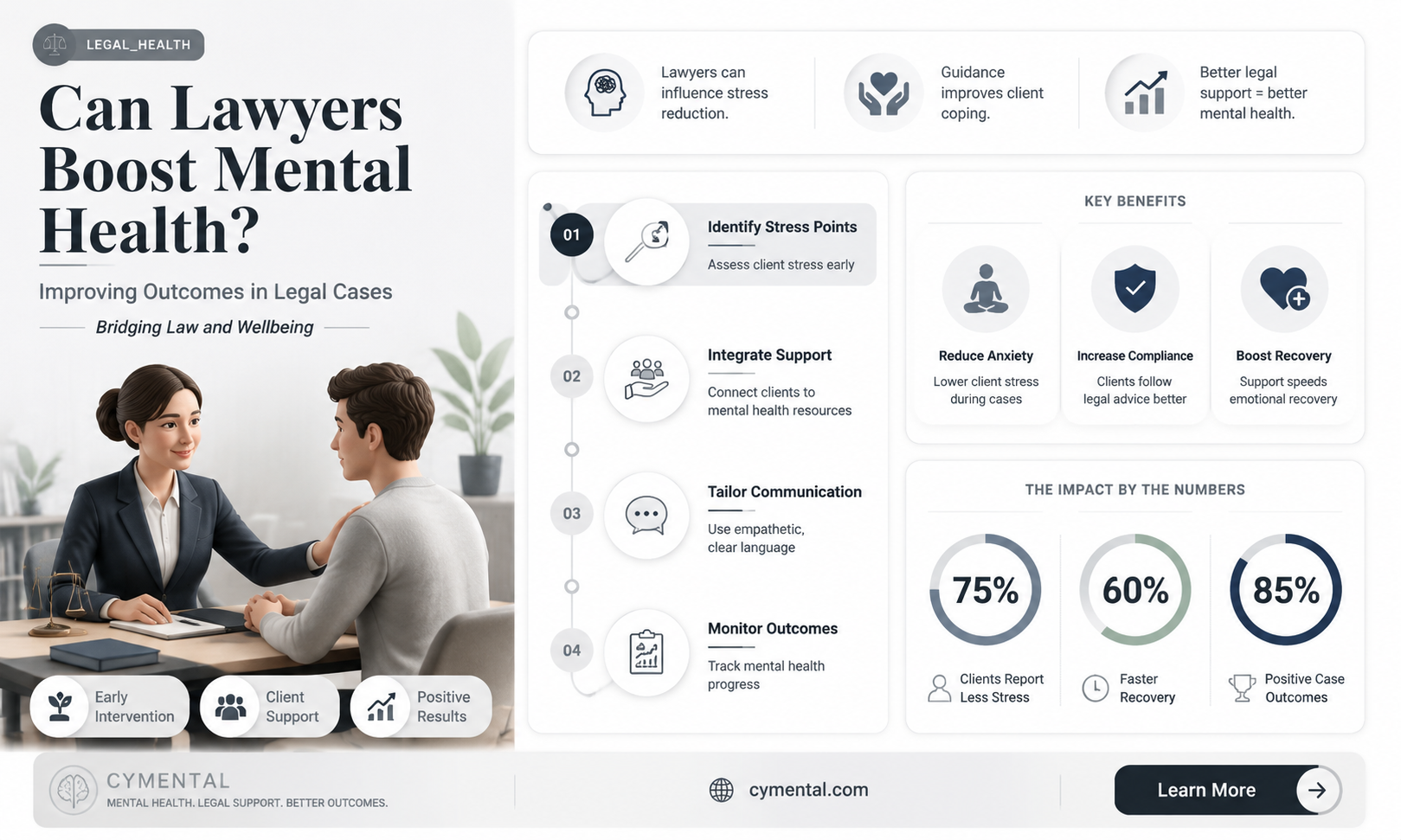
Lawyers play a crucial role in mental health cases by providing legal expertise and advocacy that can significantly impact outcomes for individuals facing mental health challenges. They can assist in navigating complex legal systems, ensuring that clients’ rights are protected, and securing access to necessary resources such as treatment, housing, and disability benefits. In cases involving involuntary commitment, guardianship, or criminal charges related to mental health issues, lawyers act as vital intermediaries, balancing legal requirements with the best interests of their clients. Additionally, they can challenge stigma and discrimination, advocate for policy changes, and collaborate with mental health professionals to create holistic support systems. By addressing legal barriers and promoting fairness, lawyers contribute to improving the overall well-being of individuals with mental health conditions.
| Characteristics | Values |
|---|---|
| Legal Advocacy | Lawyers can advocate for individuals with mental health issues, ensuring their rights are protected under mental health laws and disability rights legislation. |
| Crisis Intervention | They can assist in crisis situations, such as involuntary commitment proceedings, by ensuring due process and fair treatment. |
| Access to Treatment | Lawyers can help secure access to mental health treatment, including challenging denials of insurance coverage for mental health services. |
| Housing and Employment | They can address housing and employment discrimination faced by individuals with mental health conditions, leveraging laws like the Fair Housing Act and the Americans with Disabilities Act (ADA). |
| Guardianship and Capacity Issues | Lawyers can represent clients in guardianship proceedings, ensuring that less restrictive alternatives are considered and the individual’s autonomy is preserved. |
| Criminal Justice System | They can provide defense and advocacy for individuals with mental health issues in the criminal justice system, including diversion programs and competency evaluations. |
| Advance Directives | Lawyers can assist in drafting psychiatric advance directives, allowing individuals to specify their treatment preferences in advance. |
| Confidentiality and Privacy | They can ensure that mental health records and communications remain confidential under laws like HIPAA. |
| Education Rights | Lawyers can advocate for students with mental health disabilities to receive appropriate accommodations under the Individuals with Disabilities Education Act (IDEA) and Section 504. |
| Social Security and Disability Benefits | They can assist in applying for and appealing denials of Social Security Disability Insurance (SSDI) or Supplemental Security Income (SSI) for mental health conditions. |
| Civil Commitment Challenges | Lawyers can challenge unlawful civil commitments and advocate for the least restrictive environment for treatment. |
| Support for Families | They can provide legal guidance to families navigating the mental health system, including conservatorship and care planning. |
| Policy and Systemic Advocacy | Lawyers can engage in policy work to improve mental health laws and reduce stigma through litigation and legislative advocacy. |
| Intersectionality | They can address the unique challenges faced by individuals with mental health issues who are also part of marginalized communities, such as racial minorities or the LGBTQ+ population. |
| Ethical Representation | Lawyers must balance client autonomy with ethical obligations, especially in cases where the client’s decision-making capacity is questioned. |
Explore related products


$24.95 $14.95

$51.35 $78.95

$15.99 $14.95


What You'll Learn

Legal Advocacy for Mental Health Patients
Consider the case of a patient diagnosed with schizophrenia who is involuntarily hospitalized without a proper legal hearing. A lawyer can intervene by examining whether the commitment meets legal criteria, such as the presence of a substantial risk of harm to self or others. If the process is flawed, the attorney can petition for the patient’s release or negotiate less restrictive treatment options. This example highlights how legal advocacy safeguards patients’ autonomy and ensures compliance with mental health laws, which vary by jurisdiction but universally emphasize due process.
Effective legal advocacy in mental health cases requires a multidisciplinary approach. Lawyers must collaborate with mental health professionals to understand the nuances of diagnoses, treatment plans, and patient capacities. For example, in cases involving guardianship or conservatorship, attorneys can work with psychologists to assess whether a patient can make informed decisions about their care. This collaboration ensures that legal strategies align with clinical realities, fostering outcomes that respect both legal rights and therapeutic goals.
Practical tips for mental health patients and their families include documenting all interactions with healthcare providers, understanding local mental health laws, and seeking attorneys experienced in this niche. Pro bono legal services or organizations like the Bazelon Center for Mental Health Law can provide assistance for those with limited resources. Additionally, patients should be aware of their rights under laws like the Americans with Disabilities Act (ADA) or the Mental Health Parity and Addiction Equity Act (MHPAEA), which prohibit discrimination and ensure equal access to care.
In conclusion, legal advocacy is a powerful tool for protecting the rights and well-being of mental health patients. By addressing systemic issues, ensuring due process, and fostering interdisciplinary collaboration, lawyers can make a profound difference in patients’ lives. As mental health continues to gain recognition as a critical component of overall health, the role of legal advocates will only grow in importance, bridging gaps between law and care to create a more just and compassionate system.
ECT and Mental Clarity: Unlocking Focus and Cognitive Benefits
You may want to see also
Explore related products





Access to Mental Health Resources via Law
Lawyers play a pivotal role in bridging the gap between legal rights and mental health care, often acting as advocates for individuals who might otherwise be overlooked by the system. Through legal intervention, they can secure access to essential mental health resources, such as therapy, medication, and supportive housing, by leveraging laws like the Americans with Disabilities Act (ADA) or the Mental Health Parity and Addiction Equity Act. For instance, a lawyer might challenge an insurance company’s denial of coverage for long-term psychotherapy, arguing that it violates parity laws requiring equal coverage for mental and physical health treatments. This not only ensures individual access but also sets precedents that can benefit broader communities.
Consider the case of *Andrew v. Blue Cross Blue Shield*, where legal action forced the insurer to cover intensive outpatient therapy for a plaintiff with severe depression, previously deemed "not medically necessary." Such cases highlight how lawyers can dismantle systemic barriers to care by interpreting and enforcing existing laws. However, this approach requires a deep understanding of both mental health needs and legal frameworks, making collaboration between attorneys and mental health professionals essential. Without this expertise, well-intentioned efforts may fall short, leaving clients without the resources they desperately need.
To effectively utilize the law for mental health access, follow these steps: First, identify the specific resource needed—whether it’s inpatient treatment, medication, or community-based support—and determine the legal basis for entitlement. For example, the ADA mandates reasonable accommodations in education or employment for individuals with mental health disabilities. Second, document all denials of care and gather evidence of discrimination or neglect. Third, consult a lawyer experienced in mental health law or disability rights to build a case. Finally, explore alternative remedies, such as mediation or administrative appeals, which can be faster and less adversarial than litigation.
Despite the potential of legal intervention, challenges persist. Stigma surrounding mental health can discourage individuals from seeking help, while legal processes can be lengthy and emotionally taxing. Additionally, not all lawyers are trained to handle these cases, and pro bono services may be scarce. To mitigate these issues, advocate for increased funding for legal aid organizations specializing in mental health, and encourage law schools to incorporate mental health law into their curricula. By addressing these gaps, the legal system can become a more reliable ally in the fight for equitable mental health care.
In conclusion, access to mental health resources via law is not just a theoretical possibility but a practical tool already transforming lives. From securing insurance coverage to enforcing disability rights, lawyers can navigate complex systems to ensure individuals receive the care they deserve. While challenges remain, strategic legal action, combined with interdisciplinary collaboration, offers a promising pathway to a more just and compassionate mental health landscape.
Texas State Services for Mentally Disabled Individuals: Available Resources and Support
You may want to see also
Explore related products


![Modern Trial Advocacy: Analysis and Practice [Connected eBook with Study Center] (NITA)](https://m.media-amazon.com/images/I/51lrGhZdjAL._AC_UY218_.jpg)
Reducing Stigma Through Legal Education
Legal education often overlooks the profound impact lawyers can have on reducing stigma surrounding mental health. By integrating mental health awareness into law school curricula, future attorneys can better understand the complexities of mental illness and its intersection with legal issues. Courses on disability rights, for instance, could include case studies on how stigma exacerbates discrimination against individuals with mental health conditions. This foundational knowledge equips lawyers to challenge prejudiced narratives in courtrooms, workplaces, and communities, fostering a more empathetic legal system.
Consider the practical steps law schools can take. First, mandate continuing legal education (CLE) credits focused on mental health literacy for both students and practicing attorneys. These programs could cover topics like the Americans with Disabilities Act (ADA) protections for mental health, ethical considerations when representing clients with mental illness, and strategies for destigmatizing language in legal documents. Second, partner with mental health organizations to provide real-world training, such as role-playing scenarios involving clients experiencing psychosis or depression. Such initiatives not only enhance competence but also humanize the legal profession.
A comparative analysis reveals the potential of legal education to drive systemic change. In countries like Australia, law schools have introduced mental health first aid training, empowering students to recognize and respond to crises. Contrast this with the U.S., where mental health remains a peripheral topic in most legal programs. By adopting similar models, American law schools could produce attorneys who actively combat stigma rather than inadvertently perpetuating it. This shift requires collaboration between legal educators, mental health professionals, and policymakers to develop standardized, evidence-based curricula.
Finally, reducing stigma through legal education is not just a moral imperative but a strategic one. Lawyers who understand mental health are better equipped to advocate for clients, negotiate fair settlements, and influence public policy. For example, an attorney well-versed in the ADA might secure workplace accommodations for a client with anxiety, challenging employer biases in the process. By embedding mental health awareness into legal training, we not only improve individual outcomes but also contribute to a more just and inclusive society. The question is not whether lawyers can help—it’s how we prepare them to do so effectively.
Seeking Support: A Guide to Asking for Mental Health Help
You may want to see also
Explore related products
![A Practical Guide to Appellate Advocacy: [Connected eBook] (Aspen Coursebook Series)](https://m.media-amazon.com/images/I/811nfMmBU6L._AC_UY218_.jpg)


![The Art of Advocacy: Briefs, Motions, and Writing Strategies of America's Best Lawyers [Connected eBook] (Aspen Coursebook)](https://m.media-amazon.com/images/I/71nFTPUXCiL._AC_UY218_.jpg)

Lawyers in Crisis Intervention Roles
Lawyers are increasingly stepping into crisis intervention roles, leveraging their skills in advocacy, negotiation, and systemic understanding to address mental health emergencies. Unlike traditional legal work, this role demands immediate action, empathy, and collaboration with mental health professionals. For instance, in cases of involuntary commitment, lawyers can ensure due process while advocating for the individual’s safety and access to treatment. Their ability to navigate complex legal frameworks can prevent escalation and protect rights during critical moments.
Consider a scenario where a family seeks help for a loved one experiencing a psychotic episode. A lawyer trained in crisis intervention can guide the family through emergency custody proceedings, ensuring the individual receives care without violating their legal rights. This involves drafting petitions, representing the family in court, and liaising with healthcare providers to create a treatment plan. The lawyer’s role here is not adversarial but facilitative, balancing legal obligations with compassionate intervention.
However, this role is not without challenges. Lawyers must tread carefully to avoid overstepping into clinical territory, as they are not mental health professionals. Training in de-escalation techniques and crisis communication is essential. For example, the National Alliance on Mental Illness (NAMI) offers courses on crisis intervention, which can equip lawyers with tools to handle high-stress situations effectively. Additionally, collaboration with social workers or psychologists ensures holistic support for the individual in crisis.
A key takeaway is that lawyers in crisis intervention roles can bridge gaps in the mental health system. By combining legal expertise with a crisis-focused mindset, they can advocate for timely, rights-respecting solutions. For practitioners interested in this field, starting with pro bono work in mental health courts or partnering with local crisis centers can provide valuable experience. Ultimately, this specialized role highlights how legal skills can be repurposed to address urgent, life-altering situations beyond the courtroom.
Altruism's Healing Power: Can Selfless Acts Improve Mental Health?
You may want to see also
Explore related products


Mental Health Policy Reform Advocacy
Lawyers play a pivotal role in mental health policy reform advocacy by leveraging their expertise in legal frameworks to challenge systemic barriers and promote equitable access to care. Through strategic litigation, they can dismantle discriminatory practices, such as involuntary commitment laws that disproportionately affect marginalized communities. For instance, in *O’Connor v. Donaldson* (1975), the U.S. Supreme Court ruled that involuntary hospitalization without a likelihood of dangerousness violates due process, setting a precedent for patient rights. This case exemplifies how legal action can reshape policies to prioritize autonomy and dignity in mental health treatment.
Advocacy for policy reform requires a multi-pronged approach, combining legislative lobbying, public education, and coalition-building. Lawyers can draft and advocate for bills that integrate mental health services into primary care, increase funding for community-based programs, or mandate parity between mental and physical health coverage. For example, the Mental Health Parity and Addiction Equity Act (2008) in the U.S. was a landmark victory, ensuring insurance plans cover mental health services equally. However, enforcement remains a challenge, highlighting the need for lawyers to monitor compliance and file lawsuits against non-compliant insurers.
A critical aspect of mental health policy reform is addressing the intersection of mental health and criminal justice. Lawyers can push for diversion programs that redirect individuals with mental illnesses from incarceration to treatment. For instance, Crisis Intervention Teams (CITs) in law enforcement, paired with pre-arrest diversion programs, have shown promising results in reducing arrests and improving outcomes. Advocacy efforts should also focus on decriminalizing mental illness by repealing laws that criminalize behaviors stemming from untreated conditions, such as homelessness or substance use disorders.
Effective advocacy demands collaboration across disciplines. Lawyers must partner with mental health professionals, policymakers, and grassroots organizations to craft evidence-based policies. For example, the inclusion of peer support specialists—individuals with lived experience of mental illness—in policy development can provide invaluable insights into the needs of affected populations. Additionally, lawyers can use data-driven arguments, such as the economic benefits of early intervention programs, to sway policymakers. A study by the National Alliance on Mental Illness (NAMI) found that every dollar invested in early childhood mental health programs yields a return of up to $17 in reduced costs for criminal justice and healthcare.
Finally, sustained advocacy requires a focus on long-term systemic change rather than quick fixes. Lawyers must challenge the stigma embedded in policies and public perception, advocating for a rights-based approach to mental health. This includes promoting the United Nations Convention on the Rights of Persons with Disabilities (CRPD), which emphasizes community integration and informed consent. By framing mental health as a human rights issue, lawyers can galvanize public support and drive transformative policy reforms that prioritize compassion, justice, and equality.
AI's Role in Mental Health: Support, Challenges, and Future Possibilities
You may want to see also
Frequently asked questions
Yes, lawyers can provide crucial support in mental health cases by ensuring legal rights are protected, advocating for appropriate accommodations, and navigating complex legal systems, such as disability claims, guardianship, or criminal defense.
A lawyer can help gather medical evidence, prepare and file claims, represent the individual in hearings, and appeal denials, increasing the chances of securing disability benefits for mental health conditions.
Yes, lawyers can represent individuals facing involuntary commitment or hospitalization, ensuring due process is followed, advocating for their rights, and exploring less restrictive alternatives when appropriate.