Harper Lewis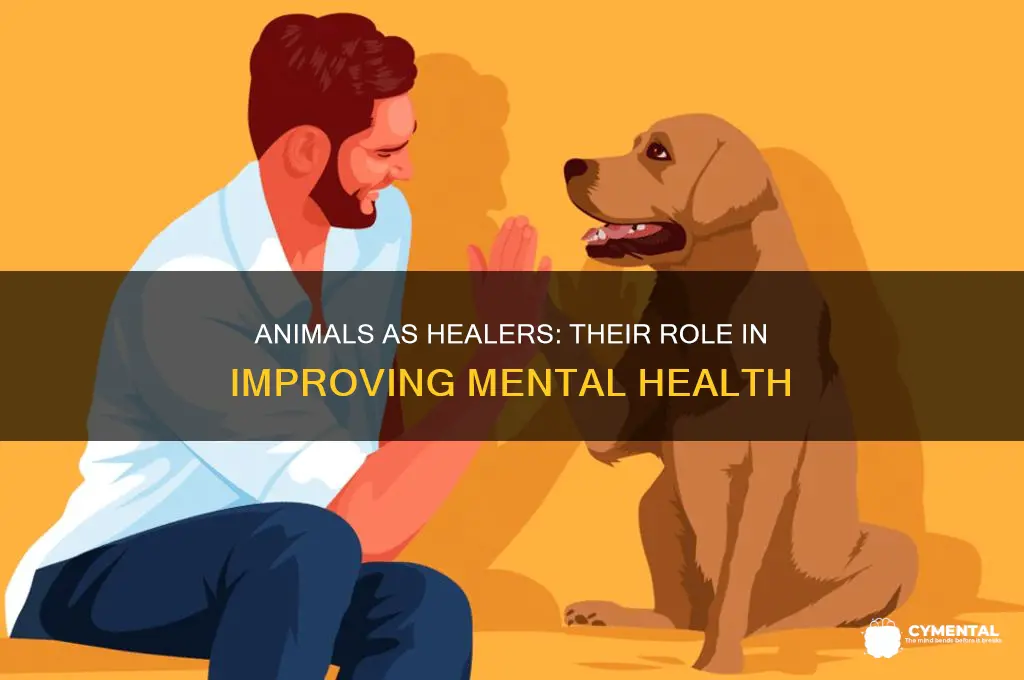
Animals have played a profound role in supporting mental health, offering companionship, emotional comfort, and therapeutic benefits to individuals facing challenges such as anxiety, depression, and PTSD. From therapy dogs providing unconditional love and reducing stress to horses aiding in emotional regulation through equine-assisted therapy, animals create a non-judgmental space for healing. Their presence has been shown to lower cortisol levels, increase oxytocin, and foster a sense of purpose, particularly for those struggling with loneliness or trauma. Whether as pets, service animals, or part of structured therapy programs, animals have become invaluable allies in promoting mental well-being and resilience.
Explore related products


What You'll Learn
- Emotional Support Animals: Provide comfort, reduce anxiety, and offer companionship for mental health
- Therapy Animals: Assist in therapy sessions to improve mood and emotional well-being
- Animal-Assisted Activities: Promote relaxation and social interaction through petting or observing animals
- Service Animals: Help manage PTSD, anxiety, and depression by performing specific tasks
- Nature Connection: Interacting with animals outdoors reduces stress and enhances mindfulness

Emotional Support Animals: Provide comfort, reduce anxiety, and offer companionship for mental health
Animals have long been recognized as powerful allies in the battle against mental health challenges, and emotional support animals (ESAs) stand out as a tailored solution for those seeking comfort, anxiety reduction, and companionship. Unlike service animals, ESAs do not require specialized training; their primary role is to provide emotional stability through their presence. Research shows that interaction with ESAs can lower cortisol levels, the body's primary stress hormone, by as much as 25% in some individuals. This physiological response underscores the profound impact these animals can have on mental well-being.
To qualify for an ESA, individuals must obtain a letter from a licensed mental health professional, such as a therapist or psychiatrist, stating that the animal is necessary for their mental health. This letter is not just a formality—it ensures that the animal’s presence is a legitimate part of a treatment plan. For example, someone with generalized anxiety disorder might find that a cat’s rhythmic purring or a dog’s consistent companionship helps ground them during panic attacks. Practical tips for integrating an ESA into daily life include establishing a routine for interaction, such as morning cuddles or evening walks, to maximize their calming effects.
The benefits of ESAs extend beyond immediate comfort. Studies have shown that individuals with ESAs report higher levels of oxytocin, often referred to as the "love hormone," which promotes feelings of trust and bonding. This biochemical response fosters a sense of security, particularly for those struggling with loneliness or depression. For instance, a college student battling social anxiety might find that their ESA dog not only reduces their stress but also serves as a social bridge, encouraging interactions with peers. However, it’s crucial to choose an animal whose temperament aligns with the individual’s lifestyle and needs—a high-energy dog might not suit someone with limited mobility, while a low-maintenance pet like a guinea pig could be ideal.
While ESAs offer significant mental health benefits, they are not a one-size-fits-all solution. Potential drawbacks include the responsibility of pet care, which can feel overwhelming during severe depressive episodes. Additionally, not all environments are ESA-friendly; landlords and airlines have specific requirements for accommodating these animals. For those considering an ESA, it’s essential to weigh the commitment against the potential benefits. Starting with a trial period, such as fostering a pet temporarily, can help determine if the arrangement is mutually beneficial. Ultimately, when properly matched and integrated, ESAs can be transformative, offering a unique blend of emotional support that complements traditional therapy and medication.
Healing Through Movement: Dance Therapy's Impact on Mental Health
You may want to see also
Explore related products

$37.32 $39.99

$29.67 $39.95


$12.99 $12.99


Therapy Animals: Assist in therapy sessions to improve mood and emotional well-being
Animals have long been recognized for their ability to provide comfort and companionship, but their role in structured therapy sessions is a more recent and highly effective development. Therapy animals, such as dogs, cats, and even horses, are now integral to mental health treatments, offering unique benefits that traditional therapy alone cannot provide. Their presence in sessions can lower anxiety, improve engagement, and create a safe emotional space for individuals to explore their feelings.
Consider the mechanics of how therapy animals operate in a session. A trained therapy dog, for instance, might sit quietly beside a client during a counseling session, providing a calming presence. For children with anxiety, the dog’s nonjudgmental demeanor can make it easier to articulate fears or traumas. Adults in group therapy settings often find that petting an animal reduces stress, allowing for more open communication. Research shows that interaction with therapy animals can lower cortisol levels by up to 24% and increase oxytocin, the bonding hormone, by 27%, creating a physiological environment conducive to healing.
Incorporating therapy animals into sessions requires careful planning. Therapists must ensure the animal is certified and suited to the client’s needs. For example, a hypoallergenic dog might be chosen for clients with allergies, while a smaller, quieter animal could be better for those with sensory sensitivities. Sessions typically last 30–60 minutes, with the animal’s handler present to monitor behavior. Practical tips include starting with brief interactions and gradually increasing duration as the client becomes comfortable. For children, incorporating play-based activities with the animal can enhance engagement and make therapy feel less intimidating.
The effectiveness of therapy animals lies in their ability to bypass verbal communication, offering emotional support without requiring words. This is particularly beneficial for individuals with conditions like PTSD or autism, where expressing emotions verbally can be challenging. A study published in the *Journal of Clinical Psychology* found that clients who engaged with therapy animals during sessions reported a 30% improvement in mood and a 40% reduction in feelings of loneliness over 12 weeks. These outcomes highlight the profound impact animals can have when integrated thoughtfully into therapeutic practices.
While therapy animals are powerful tools, their use is not without considerations. Therapists must assess whether the client is comfortable with animals and ensure the environment is safe for both the client and the animal. Additionally, not all mental health conditions respond equally to animal-assisted therapy. For instance, individuals with severe phobias or allergies may not be suitable candidates. However, when applied appropriately, therapy animals can transform the therapeutic experience, offering a bridge to emotional healing that traditional methods often struggle to achieve. Their role is not just supplementary but often catalytic, fostering connections and progress that might otherwise remain out of reach.
Spirituality's Role in Supporting Your Son's Mental Health Journey
You may want to see also
Explore related products



Animal-Assisted Activities: Promote relaxation and social interaction through petting or observing animals
The simple act of stroking a dog's fur or watching fish glide through an aquarium can trigger a cascade of physiological changes. Heart rate slows, blood pressure drops, and cortisol, the stress hormone, diminishes. This isn't mere anecdote; it's science. Studies show that interacting with animals, even briefly, can significantly reduce anxiety and promote a sense of calm.
Consider the structured environment of animal-assisted therapy sessions. A trained therapist might guide a child with autism to brush a rabbit's soft fur, encouraging gentle touch and fostering a sense of connection. For the elderly in care homes, a visit from a therapy dog can spark conversation, combat loneliness, and provide a sense of purpose as residents share stories of past pets. These interactions aren't just pleasant diversions; they're therapeutic interventions with measurable benefits.
Research suggests that even brief encounters with animals can have a profound impact. A 2018 study found that just 10 minutes of petting a dog or cat significantly lowered stress levels in college students. Imagine the cumulative effect of regular animal-assisted activities integrated into daily routines. Schools could incorporate classroom pets to create a more relaxed learning environment, while workplaces could offer "puppy breaks" to boost employee morale and productivity.
However, it's crucial to remember that animal-assisted activities aren't a one-size-fits-all solution. Some individuals may have allergies or phobias, requiring careful consideration and alternative approaches. Additionally, the well-being of the animals involved is paramount. Therapy animals must be specifically trained, temperamentally suited, and provided with ample rest and care.
Can Therapists Effectively Help Clients Manage and Overcome Stress?
You may want to see also
Explore related products


Service Animals: Help manage PTSD, anxiety, and depression by performing specific tasks
Service animals are not just pets; they are highly trained partners that perform specific tasks to assist individuals with mental health conditions such as PTSD, anxiety, and depression. Unlike emotional support animals, which provide comfort through their presence, service animals are trained to execute precise actions that directly mitigate symptoms. For example, a service dog might interrupt a panic attack by applying deep pressure therapy, a technique where the dog uses its body weight to calm the individual. This task-oriented approach distinguishes service animals as a targeted intervention in mental health management.
Consider the case of PTSD, where service animals are trained to recognize and respond to triggers before the individual is fully aware of them. A dog might nudge its handler to signal an oncoming flashback or create a physical barrier in crowded spaces to reduce sensory overload. For anxiety disorders, tasks like retrieving medication or guiding the handler to a safe space during moments of disorientation can be life-changing. In depression, service animals may prompt their handlers to engage in routine activities, such as getting out of bed or taking medication, by using trained cues. These tasks are tailored to the individual’s needs, making service animals a personalized tool in mental health care.
Training a service animal is a rigorous process that typically takes 1.5 to 2 years, depending on the complexity of tasks. Organizations like Assistance Dogs International set standards for training programs, ensuring animals are reliable in public settings. Handlers often work with trainers to identify specific tasks that address their unique symptoms. For instance, a person with severe anxiety might train their dog to perform "grounding" tasks, like placing a paw on their handler’s foot to refocus their attention. This collaborative process ensures the animal’s skills align with the handler’s mental health goals.
While service animals offer significant benefits, they are not a one-size-fits-all solution. Prospective handlers must consider practical factors, such as the financial cost of training (often $20,000–$40,000), the time commitment required for care, and the animal’s lifespan. Additionally, not everyone qualifies for a service animal; eligibility often requires a formal diagnosis and a demonstrated need for task-specific assistance. For those who do qualify, however, service animals can provide a level of independence and symptom management that complements traditional therapies like medication and counseling.
In conclusion, service animals are a specialized resource in mental health care, offering task-based support that addresses the unique challenges of PTSD, anxiety, and depression. Their training is meticulous, their impact profound, and their role irreplaceable for many handlers. By bridging the gap between emotional support and practical assistance, service animals exemplify the transformative power of the human-animal bond in managing mental health conditions.
Empire Blue Cross Blue Shield Mental Health Coverage: What’s Included?
You may want to see also
Explore related products




Nature Connection: Interacting with animals outdoors reduces stress and enhances mindfulness
Spending just 20 minutes in nature, particularly around animals, can significantly lower cortisol levels, the body’s primary stress hormone. This isn’t mere anecdote—research from the University of Exeter found that individuals who engaged with wildlife or domesticated animals outdoors reported a 28% reduction in stress compared to those in urban settings. The act of observing a bird’s flight, listening to a dog’s rhythmic panting, or even feeling the earth beneath your feet while walking a horse creates a sensory immersion that disrupts the cycle of anxiety. This isn’t about owning a pet; it’s about intentional, mindful interaction with animals in their natural habitats, where the unpredictability of their behavior keeps your focus grounded in the present.
To harness this benefit, start small. Dedicate 15–20 minutes daily to a "nature pause." Visit a local park, forest, or even a community garden where animals roam freely. Bring no distractions—leave the phone behind. Focus on one animal at a time: watch a squirrel’s foraging patterns, track a butterfly’s path, or simply sit near a pond and observe fish movements. The goal isn’t to analyze but to synchronize your breath with the rhythm of the scene. For children, this practice can be gamified—turn it into a scavenger hunt for specific species, fostering curiosity while embedding mindfulness. Adults might benefit from journaling post-observation, noting sensory details to reinforce the experience.
Contrast this with indoor animal interactions, which, while beneficial, often lack the dynamic unpredictability of nature. A therapy dog in a controlled room provides comfort but doesn’t engage the same level of active mindfulness as tracking a deer’s movements in the wild. Outdoor settings introduce variables—weather, terrain, and animal behavior—that demand full presence. This is why forest bathing (Shinrin-yoku) programs often incorporate animal observation: the combination of natural surroundings and wildlife creates a multi-sensory reset for the nervous system. For those with anxiety disorders, this approach can serve as a complementary therapy, though it’s critical to consult a healthcare provider before replacing existing treatments.
Practicality matters. Urban dwellers can seek out city zoos, bird sanctuaries, or even urban beekeeping sites for structured exposure. Rural residents might volunteer at farms or wildlife rescues, where tasks like feeding animals or cleaning enclosures double as mindfulness exercises. Regardless of location, consistency is key—aim for 3–4 sessions weekly, ideally during early morning or late afternoon when animal activity peaks. For families, involve all age groups by assigning roles: one person tracks sounds, another movements, and a third notes colors. This not only deepens the experience but also strengthens social bonds through shared focus.
The takeaway is clear: nature connection isn’t passive; it’s participatory. By stepping into an animal’s environment, you step out of your mental loops. This isn’t about escaping life’s demands but recalibrating your response to them. Whether you’re 8 or 80, the principles remain—show up, observe without judgment, and let the animals lead. In a world where stress is chronic, this practice offers not just relief but a sustainable way to cultivate resilience, one mindful moment at a time.
Understanding Mental Disorders: Enhancing Empathy and Effectiveness in Teaching
You may want to see also
Frequently asked questions
Animals, especially pets like dogs and cats, release oxytocin in their owners, which reduces stress and anxiety. Their presence provides comfort, companionship, and a sense of routine, helping to lower cortisol levels and promote relaxation.
Yes, animals can help manage depression by providing emotional support, encouraging physical activity, and offering a sense of purpose. Interacting with pets has been shown to boost mood, reduce feelings of loneliness, and increase serotonin and dopamine levels.
Therapy animals, such as those used in animal-assisted therapy (AAT), are trained to provide comfort and support in clinical settings. They help individuals with conditions like PTSD, anxiety, and autism by improving emotional well-being, fostering trust, and enhancing social interactions.
Animals, particularly service dogs, provide grounding and safety for individuals with PTSD or trauma. They can interrupt panic attacks, alert their handlers to triggers, and offer a calming presence, helping to reduce hypervigilance and improve overall mental stability.