Madison Cole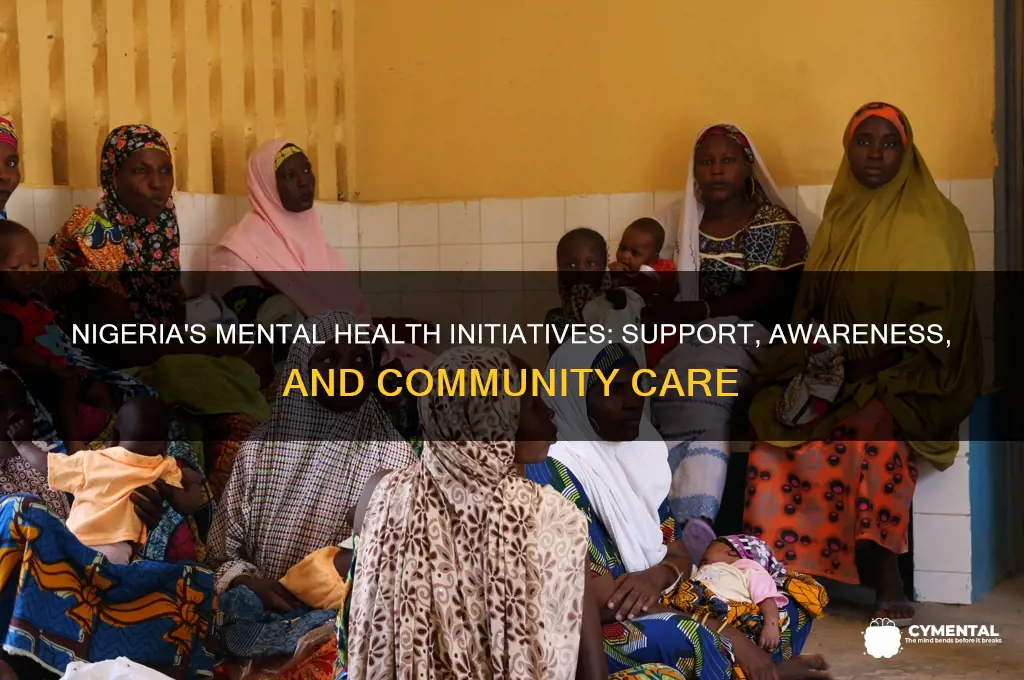
Nigeria has made significant strides in addressing mental health issues, though challenges remain. The country has implemented policies such as the National Mental Health Policy and the Mental Health Act to provide a framework for care and protection of the mentally ill. Efforts include increasing access to mental health services through the integration of mental health into primary healthcare, training healthcare workers, and establishing psychiatric facilities. Additionally, public awareness campaigns aim to reduce stigma and encourage early intervention. Non-governmental organizations and community-based initiatives also play a crucial role in supporting individuals with mental health conditions, offering counseling, rehabilitation, and social reintegration programs. Despite these advancements, resource limitations, cultural barriers, and inadequate funding continue to hinder comprehensive care, highlighting the need for sustained investment and systemic improvements.
| Characteristics | Values |
|---|---|
| Mental Health Policy | Nigeria has a National Mental Health Policy (2013) aimed at improving mental health services, though implementation remains a challenge. |
| Legislation | The Mental Health Act (2021) was signed into law to protect the rights of mentally ill individuals and improve access to care. |
| Healthcare Facilities | Limited psychiatric hospitals and mental health units in general hospitals; major facilities include Federal Neuropsychiatric Hospitals in Yaba, Maiduguri, and others. |
| Community-Based Care | Efforts to integrate mental health services into primary healthcare through training of primary care workers and community health programs. |
| Awareness Campaigns | NGOs and government initiatives like the Mental Health Awareness Week to reduce stigma and increase public awareness. |
| Funding | Low budgetary allocation to mental health (<1% of the health budget), hindering service expansion and accessibility. |
| Workforce | Severe shortage of mental health professionals (approx. 0.1 psychiatrists per 100,000 population). |
| Traditional and Religious Practices | Widespread reliance on traditional healers and religious leaders for mental health treatment, often alongside or instead of formal care. |
| NGOs and Partnerships | Active involvement of NGOs like Mentally Aware Nigeria Initiative (MANI) and international partners (WHO, USAID) in advocacy and support. |
| Challenges | Stigma, inadequate infrastructure, lack of funding, and limited access to medication remain significant barriers. |
Explore related products


![Therapy for Mgbánwè [Transformation]: A Nigerian Diaspora Man’s Mental Health Journey and Tips](https://m.media-amazon.com/images/I/81uANAUeKKL._AC_UY218_.jpg)


What You'll Learn

Community-based mental health programs
Nigeria, with its vast population and diverse cultural landscape, faces significant challenges in addressing mental health issues. However, community-based mental health programs are emerging as a vital strategy to bridge the gap in access to care. These initiatives leverage local resources, cultural understanding, and grassroots engagement to provide support where traditional healthcare systems often fall short.
One notable example is the integration of mental health services into primary healthcare centers in rural areas. By training local health workers to identify and manage common mental health conditions like depression and anxiety, these programs ensure that individuals receive timely interventions without the need for specialized facilities. For instance, in communities like Kano and Lagos, health workers are taught to use screening tools such as the Patient Health Questionnaire-9 (PHQ-9) to assess depression severity. This approach not only increases accessibility but also reduces the stigma associated with seeking mental health care by embedding it within familiar healthcare settings.
Another innovative model is the use of peer support groups facilitated by community members who have received training in mental health first aid. These groups provide a safe space for individuals to share their experiences, learn coping strategies, and build resilience. In Osun State, for example, a program called "Mindful Communities" pairs individuals with trained peers who offer weekly check-ins and emotional support. This peer-led approach fosters a sense of belonging and empowers participants to take an active role in their recovery.
Cultural sensitivity is a cornerstone of successful community-based programs in Nigeria. Traditional healers and religious leaders, who often serve as the first point of contact for those seeking help, are being engaged to collaborate with mental health professionals. Workshops and seminars educate these influential figures on the biomedical aspects of mental illness, encouraging them to refer individuals to appropriate services when needed. This integration of traditional and modern practices ensures that interventions are culturally relevant and widely accepted.
Despite their promise, community-based programs face challenges such as limited funding, inadequate infrastructure, and a shortage of trained personnel. To sustain these initiatives, partnerships between government agencies, NGOs, and international organizations are crucial. For instance, the Mentally Aware Nigeria Initiative (MANI) collaborates with local governments to organize mental health awareness campaigns and training sessions for community leaders. Such collaborations amplify the reach and impact of these programs, ensuring they remain viable in the long term.
In conclusion, community-based mental health programs in Nigeria represent a pragmatic and culturally attuned approach to addressing mental health challenges. By leveraging local resources, fostering peer support, and integrating traditional practices, these initiatives are making mental health care more accessible and acceptable. While obstacles remain, the potential for scaling these programs offers hope for a more inclusive and effective mental health system in Nigeria.
Mental Health Treatment: Boosting Welfare-to-Work Program Success?
You may want to see also
Explore related products


Increased access to psychiatric care
Nigeria's mental health landscape is evolving, with a growing recognition of the need to address the gap in psychiatric care access. One of the key strategies being employed is the establishment of community-based mental health services, which aim to bring care closer to those who need it most. These services often involve training primary healthcare workers to identify and manage common mental health conditions, such as depression and anxiety, using evidence-based guidelines. For instance, the World Health Organization's (WHO) Mental Health Gap Action Programme (mhGAP) provides a framework for non-specialists to deliver basic mental health care, including the use of antidepressants like fluoxetine (20-40 mg/day for adults) and psychotherapy techniques.
To illustrate the impact of increased access to psychiatric care, consider the following scenario: a 32-year-old woman in a rural Nigerian community presents to her local health clinic with symptoms of persistent sadness, loss of appetite, and difficulty sleeping. Under the mhGAP guidelines, the primary healthcare worker can initiate treatment with fluoxetine, starting at a low dose of 20 mg/day, and gradually increasing to 40 mg/day if necessary. The healthcare worker can also provide psychoeducation, teaching the patient coping strategies and stress management techniques. This approach not only addresses the woman's immediate needs but also empowers her to take an active role in her own care, reducing the likelihood of future episodes.
A critical aspect of increasing access to psychiatric care is addressing the stigma surrounding mental illness, which can prevent individuals from seeking help. One effective strategy is to engage community leaders, such as religious figures and traditional healers, in mental health awareness campaigns. These leaders can help to dispel myths and misconceptions about mental illness, encouraging community members to seek care when needed. Additionally, peer support groups can be established, providing a safe space for individuals with mental health conditions to share their experiences and support one another. For example, a weekly support group for individuals with depression could be facilitated by a trained community health worker, using a structured curriculum that covers topics like self-care, medication adherence, and relapse prevention.
As Nigeria continues to expand access to psychiatric care, it is essential to consider the unique needs of different age groups. Children and adolescents, for instance, may require specialized services, such as school-based mental health programs, which can identify and address mental health concerns early on. Older adults, on the other hand, may benefit from geriatric mental health services, which take into account age-related factors like cognitive decline and social isolation. A practical tip for healthcare providers working with older adults is to use the Geriatric Depression Scale (GDS), a 30-item self-report questionnaire that can help to identify depression in this population. By tailoring services to the specific needs of different age groups, Nigeria can ensure that its efforts to increase access to psychiatric care are both effective and equitable.
Ultimately, the success of Nigeria's efforts to increase access to psychiatric care will depend on a multifaceted approach that combines service expansion, stigma reduction, and targeted interventions for specific populations. This may involve partnering with international organizations, such as the WHO and the Mental Health Innovation Network, to access technical expertise and funding. It may also require investing in digital mental health platforms, which can provide remote access to care and support, particularly in underserved areas. By leveraging these strategies, Nigeria can make significant strides in improving mental health outcomes, reducing the burden of mental illness, and promoting overall well-being. A key takeaway is that increased access to psychiatric care is not just about providing more services, but about creating a supportive environment that enables individuals to seek help, receive effective treatment, and thrive.
Brain Scans and Mental Health: Unlocking Diagnostic Potential for Illnesses
You may want to see also
Explore related products


Public awareness and stigma reduction
Nigeria's approach to public awareness and stigma reduction for mental health is a multifaceted effort, blending traditional and modern strategies to address deep-rooted misconceptions. One notable initiative is the integration of mental health education into school curricula, targeting adolescents aged 13–18. This program, piloted in Lagos and Abuja, uses interactive workshops and peer-led discussions to debunk myths like "mental illness is a spiritual curse" or "it’s a sign of weakness." Early evaluations show a 25% increase in students’ willingness to seek help for themselves or peers, highlighting the power of early intervention in shaping attitudes.
Contrastingly, community-based campaigns leverage local influencers—religious leaders, Nollywood actors, and radio personalities—to normalize conversations about mental health. For instance, the "Mental Health Matters" radio series, broadcast in Pidgin English and Yoruba, reaches over 2 million listeners monthly. These programs use storytelling and call-in segments to humanize mental health struggles, emphasizing recovery and resilience. A study by the Nigerian Institute of Medical Research found that listeners exposed to such content were 40% more likely to view mental illness as a treatable condition rather than a lifelong stigma.
However, challenges persist, particularly in rural areas where literacy rates are low and access to media limited. Here, door-to-door campaigns by trained volunteers have proven effective. These volunteers distribute illustrated pamphlets in local languages, explaining symptoms of common disorders like depression and anxiety, and provide contact information for free counseling services. In Kano State, this approach led to a 30% increase in clinic visits within six months, demonstrating the impact of tailored, grassroots strategies.
To sustain momentum, policymakers must address systemic barriers. For example, while public awareness campaigns are gaining traction, the lack of affordable mental health services undermines their effectiveness. A two-pronged strategy is needed: first, expand telemedicine platforms like "MindIT Nigeria," which offers free consultations via SMS for individuals over 18; second, subsidize antipsychotic medications, which currently cost an average of ₦5,000 monthly, making them inaccessible to 70% of the population. Without these supports, awareness alone risks becoming an empty promise.
Ultimately, Nigeria’s stigma reduction efforts offer a blueprint for balancing cultural sensitivity with evidence-based practices. By combining top-down policy changes with bottom-up community engagement, the country is not just raising awareness but fostering a societal shift in how mental health is perceived and prioritized. The takeaway? Success lies in meeting people where they are—linguistically, geographically, and culturally—while dismantling structural barriers that perpetuate silence and shame.
Vice and Virtue: How Controlled Indulgence Boosts Mental Well-Being
You may want to see also
Explore related products


Government funding for mental health services
Nigeria's mental health landscape is marked by a stark disparity between need and resources. With an estimated 60 million people requiring mental health services and only 150 psychiatrists nationwide, the gap is staggering. Government funding, a critical lifeline for bridging this divide, has historically been inadequate. In 2020, Nigeria allocated a mere 3.8% of its health budget to mental health, a fraction of the WHO recommended 5-10%. This underfunding translates to a lack of accessible facilities, trained professionals, and affordable treatment options, leaving countless Nigerians without the care they desperately need.
A glimmer of hope emerged in 2022 with the passage of the National Mental Health Act. This landmark legislation mandates increased government funding for mental health services, signaling a potential turning point. The Act aims to establish a dedicated Mental Health Fund, financed through a combination of government allocations, donor support, and private sector contributions. This fund is intended to support the development of mental health infrastructure, train healthcare professionals, and subsidize treatment costs, making services more accessible to the population.
However, translating legislation into tangible improvements requires more than just financial commitment. Effective allocation and utilization of funds are crucial. Prioritizing community-based mental health services, integrating mental health into primary healthcare, and investing in public awareness campaigns to combat stigma are essential strategies. Additionally, ensuring transparency and accountability in fund management is vital to prevent misuse and maximize impact.
While the National Mental Health Act represents a significant step forward, its success hinges on sustained political will and consistent funding. The Nigerian government must prioritize mental health as a fundamental human right and allocate resources commensurate with the magnitude of the problem. Only then can Nigeria truly begin to address the mental health crisis and provide its citizens with the care and support they deserve.
Seeking Mental Health Support: My Journey and Why It Matters
You may want to see also
Explore related products


Training of mental health professionals
Nigeria faces a critical shortage of mental health professionals, with a ratio of 1 psychiatrist to every 1 million people. This stark reality underscores the urgent need for robust training programs to bridge the gap between demand and supply. The country’s efforts to address this issue are multifaceted, combining local initiatives, international partnerships, and policy reforms aimed at expanding the mental health workforce.
One key strategy is the integration of mental health training into existing medical and nursing curricula. Universities like the University of Ibadan and the University of Lagos have begun incorporating psychiatry and psychology modules into undergraduate programs, ensuring that future healthcare workers have foundational knowledge in mental health. For instance, medical students now receive at least 6 weeks of clinical rotations in psychiatry, exposing them to real-world cases and fostering early specialization. This approach not only increases the number of trained professionals but also reduces the stigma associated with mental health by normalizing it within general healthcare education.
Beyond academia, Nigeria is leveraging partnerships with international organizations to enhance specialized training. The World Health Organization’s (WHO) Mental Health Gap Action Programme (mhGAP) has been instrumental in training primary healthcare workers to identify and manage mental health conditions. Over 500 professionals have been certified through this program, equipping them with skills to provide evidence-based interventions in resource-limited settings. Similarly, collaborations with NGOs like the Mentally Aware Nigeria Initiative (MANI) offer workshops and continuing education programs focused on contemporary practices in mental health care.
However, challenges persist. Limited funding, inadequate infrastructure, and brain drain continue to hinder progress. To address these, the Nigerian government has proposed a 10-year Mental Health Action Plan, which includes scholarships for postgraduate studies in psychiatry and psychology, as well as incentives for professionals to work in underserved areas. For example, psychiatrists who commit to practicing in rural regions for at least 3 years receive stipends and priority access to research grants. Such measures aim to create a sustainable pipeline of skilled professionals while ensuring equitable distribution across the country.
Ultimately, the training of mental health professionals in Nigeria is a dynamic process, blending education, collaboration, and policy innovation. While the journey is far from over, these initiatives mark significant steps toward a future where mental health care is accessible to all Nigerians. Practical tips for stakeholders include advocating for increased government funding, supporting local organizations, and promoting interdisciplinary training to foster a holistic approach to mental health care.
Pets and Mental Health: How Furry Friends Boost Well-Being
You may want to see also
Frequently asked questions
Nigeria has established the National Mental Health Policy and Action Plan (2021–2025), which aims to integrate mental health services into primary healthcare, increase awareness, and reduce stigma. Additionally, the government has partnered with NGOs and international organizations to train healthcare workers and improve access to mental health services.
Nigeria is tackling stigma through public awareness campaigns, community education programs, and media engagement. Organizations like the Mental Health Foundation Nigeria and Mentally Aware Nigeria Initiative (MANI) actively work to destigmatize mental health issues and encourage open conversations.
Community-based programs in Nigeria provide accessible mental health services, especially in rural areas where healthcare infrastructure is limited. These programs often involve local volunteers, traditional healers, and peer support groups to offer counseling, education, and early intervention for mental health issues.